 Shoreditch Comic Shop Crawl Planner: Murals to Manga
Hidden Gems & Odd Finds
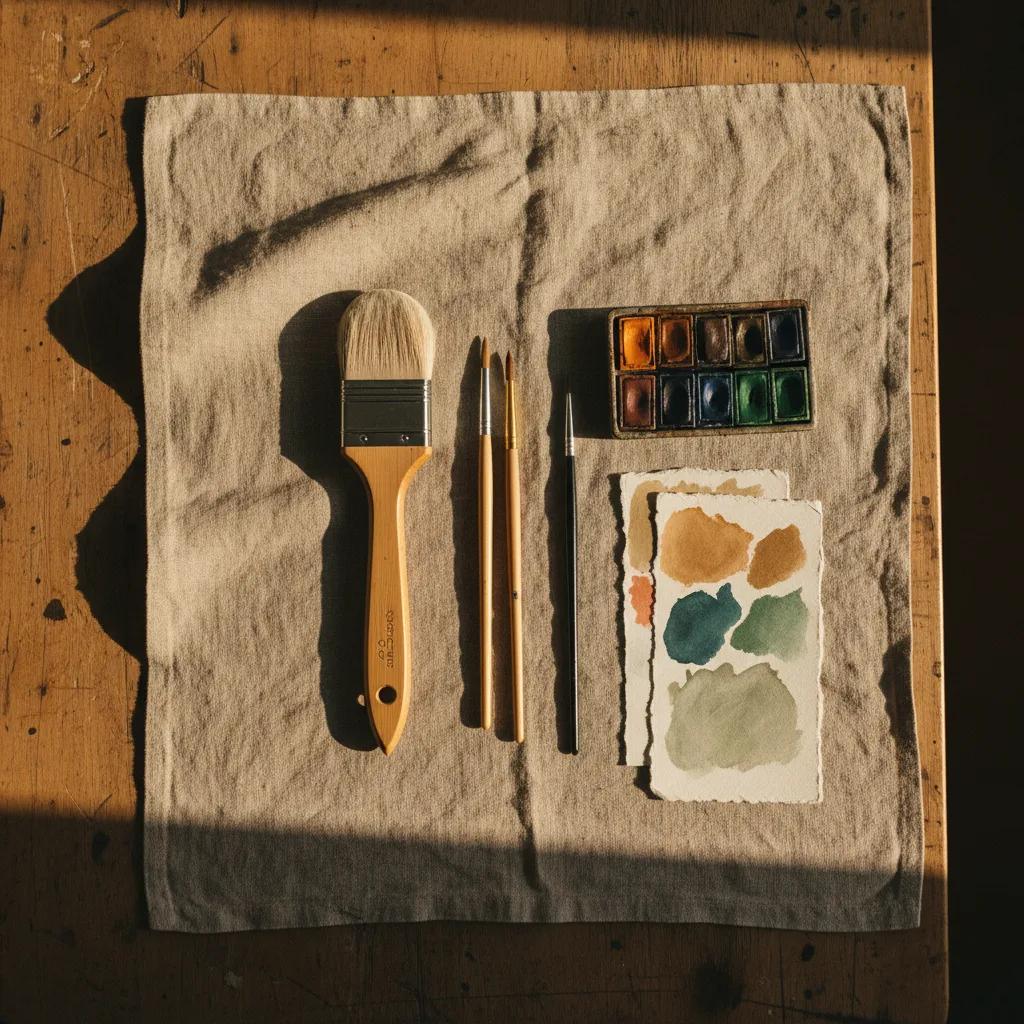
Hackney Watercolor Brush Shape Picker: 3 Dynamic Cuts
Use a Hackney watercolor brush shape picker to weigh mop, dagger, and filbert profiles before an unhurried stroll near Broadway Market and the canal.
Converted Victorian warehouses, bike-filled towpaths, and sunlit shared studios give Hackney an experimental, maker-driven creative energy. A watercolor brush shape picker tailored for this neighborhood looks past rigid beginner sets and helps you compare expressive bristles built for bold washes, organic foliage, and fluid street studies along East London waterways.
Frame your wash goals around Hackney textures
Before browsing near London Fields or Broadway Market, think about the visual character you actually enjoy painting on weekends. Hackney subjects lean heavily on sweeping canal reflections, weathered brick railway arches, painted narrowboats, and tangled sycamore canopies that reward looser brush geometry over fussy micro-detail. Matching your brush profile to those wide, organic silhouettes stops paintings from feeling pinched before the second wash even dries.
Ask yourself whether your current paintings feel unexpectedly stiff around the edges. Often the culprit is not pigment quality or paper sizing at all, but relying solely on a tight small round when your wrist wants a shape that carries generous water effortlessly across rough cotton sheets. Even switching up one primary wash tool changes how rapidly you block in light and shadow across a double-page spread.
Taking a minute to review two recent unfinished sketches before stepping out makes comparison much simpler. Spot the exact passage where you ran out of water mid-stroke or fought to soften a cloud border, and let that trouble spot steer your choices rather than guessing blindly at a rack.
Weigh mop bellies, dagger curves, and filbert ovals
A traditional quill-wrapped mop brush acts like a tiny hand-held reservoir, laying down luminous sky sweeps and broad shadow puddles in two unhurried strokes. Even a chunky mop surprises newcomers when gently shaken to a point, letting you shift seamlessly from wide atmospheric puddles straight into soft tree trunks and distant building silhouettes without pausing to swap tools.
An angled dagger striper looks unusual on a display counter, yet its slanted crescent tip produces sinuous ribbon strokes, curving narrowboat hulls, and sweeping reed blades with a simple twist of the wrist. Rotating the handle mid-stroke alters line width organically without lifting off the page, making botanical stems, overhanging willow fronds, and ruffled water reflections effortless.
Filbert brushes bridge the gap between crisp flats and forgiving rounds through a rounded oval edge. That curved silhouette softens petal shapes, foliage clusters, and drifting cloud undersides naturally, avoiding harsh rectangular corners on textured cold-pressed paper while still offering strong control along arched railway brickwork.

Check water release and wrist comfort first
Expressive brush shapes depend heavily on how smoothly water travels from belly to tip as you tilt the handle across an easel or lap desk. Examine short-handled travel mops versus balanced full-length studio handles, paying attention to whether the grip encourages loose elbow movement rather than cramped finger pinching near the metal collar.
Remember that natural hair blends drink pigment deeply and release slowly across damp paper for velvet-smooth gradients, while springier synthetic alternatives snap back faster for layered glazing and crisp edge carving. Deciding which sensation matches your studio tempo prevents drawers full of unused impulse buys and keeps your travel roll compact.
Also inspect the binding or ferrule join carefully whenever comparing expressive brushes. Traditional quill wraps swell slightly when soaked and require gentle upright drying or flat towel storage after rinsing, whereas metal ferrules offer quick everyday durability when bouncing between home desks and shared Hackney workshops.
Stroll between Broadway Market and Regent's Canal
Hackney encourages lingering between small studio spaces, independent book corners, and lush green park edges at an easy pace. After checking nearby browsing options, wander down Broadway Market toward the Regent's Canal bridge or cut across London Fields where afternoon light filters softly through tall plane trees and over sunlit grass.
Follow whatever side lane catches your eye without locking yourself into a rigid schedule or trying to cover too many streets at once. A quiet pause on a canal bench lets you sketch moored hulls, watch swans glide past brick locks, or observe shifting water colors while your tool shortlist stays fresh in mind.
Notice how overcast East London skies brighten suddenly along the open basin stretches. Watching light skim across red brick, rusted lock gates, and painted ironwork gives you immediate visual benchmarks for how wide your next wash brush really needs to be.
Even the texture of damp towpath cobbles and trailing ivy along old warehouse brickwork shows how forgiving oval edges and sweeping ribbon lines behave in natural daylight before you paint a single stroke back indoors.
Ask the Karpo APP for nearby Hackney suggestions
When you want fresh local leads around Dalston, Mare Street, or Victoria Park edges, open the Karpo APP and ask for nearby craft-friendly shops or peaceful spots for tea. The app surfaces nearby recommendations so you stay completely in charge of which streets to visit, what order feels best, and how you travel across East London.
Keeping selection, pacing, and transit choices in your own hands makes every outing feel light and adaptable, especially when Hackney weather shifts rapidly between clear sunbreaks and passing canal mist.
Test edge control back at your studio table
Once you bring a new brush profile home, fill one sketchbook spread with single-stroke experiments rather than jumping straight into a finished landscape. Drag the dagger flat along its wide edge, twist it cleanly onto its sharp heel, and feather the filbert tip across slightly damp paper margins to see how far one dip travels.
Within ten minutes of loose pigment play, you will know exactly which dynamic cut deserves a permanent slot in your daily Hackney sketching pouch and which handles feel best during longer weekend painting sessions.
Give natural mop quills plenty of breathing room on a cloth overnight so water drains away from the wire wrap, keeping expressive bristles supple, clean, and ready whenever inspiration strikes along the towpath.
Wrapping your tested brushes in a breathable bamboo mat or open canvas roll prevents bent tips between studio evenings, preserving every curve and taper for crisp East London washes.
Keeping a folded piece of scrap cotton rag inside your pocket lets you blot stray puddles swiftly before stepping across another Hackney canal lock.
Ask Karpo for more information.
Keep reading
- Shoreditch Comic Shop Crawl Planner: Murals to Manga
 Bermondsey Comic Shop Crawl Planner: Zines Under the Arches
 Clapham Comic Shop Crawl Planner: Charity Shelves and Common