 Shoreditch Comic Shop Crawl Planner: Murals to Manga
Hidden Gems & Odd Finds
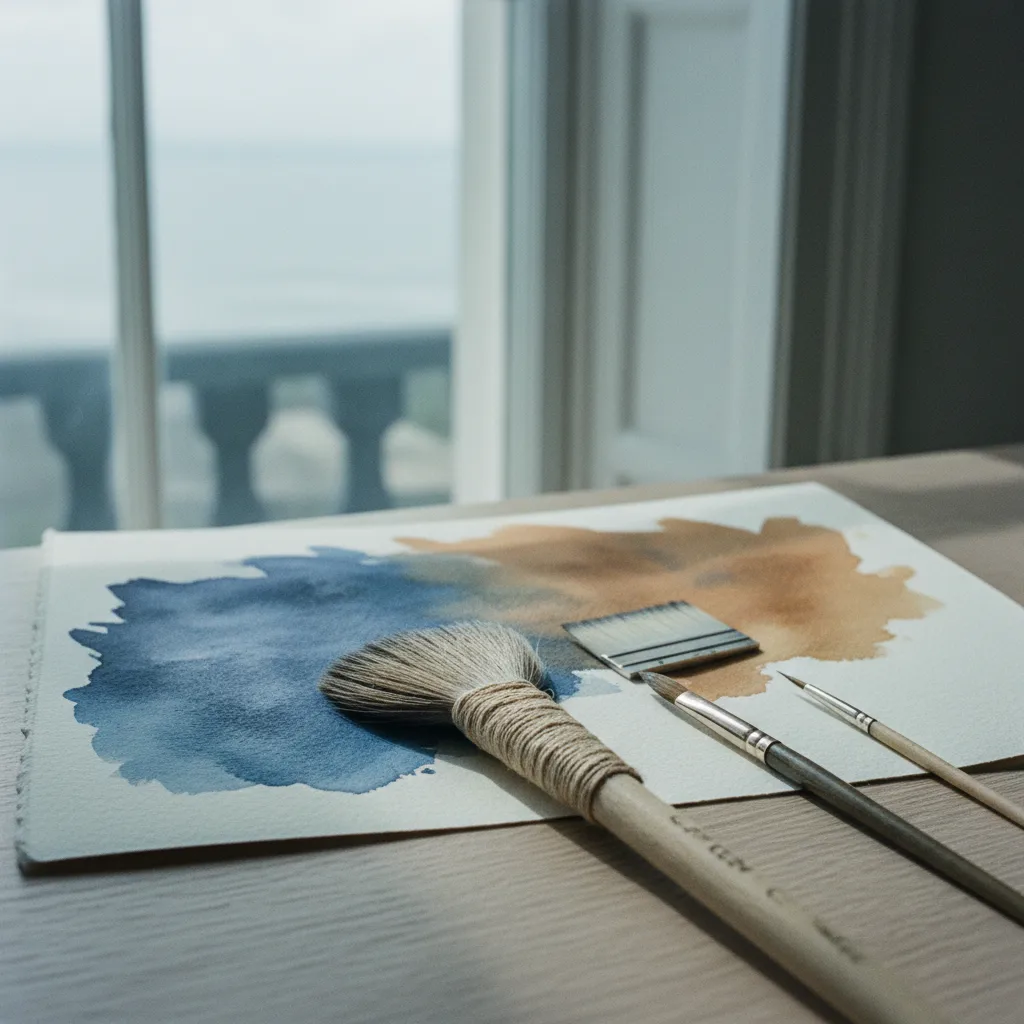
Greenwich Watercolor Brush Shape Picker: 3 Plein-Air Cuts
Review quill mop, angular shader, and liner options in a Greenwich watercolor brush shape picker before wandering historic market alleys and park paths.
Maritime stone colonnades, breezy river promenades, and sweeping hillside lawns make Greenwich natural plein-air painting territory. A Greenwich watercolor brush shape picker focuses on compact, weather-ready brush geometry capable of capturing fast-moving Thames cloudbanks alongside crisp Georgian architecture without overloading a lightweight field satchel.
Think about wind, standing poses, and field tins
Painting or sketching outdoors near the river differs dramatically from working flat at a warm indoor desk. Paper dries noticeably faster in a brisk Thames breeze, and standing with a clipped sketchbook means you want versatile brush tips that execute both broad sky gradients and architectural trim with minimal awkward swapping between hands.
Before setting out around Greenwich town center or Royal Hill, check the interior length of your travel tin, canvas roll, or jacket pocket. Knowing your exact case clearance prevents choosing oversized studio handles that force bent ferrules, cracked bristles, or cramped angles on the train home.
Consider how many water dips feel practical when resting a tiny folding palette on one thumb beside a stone wall. Brushes that hold reliable moisture per dip keep your attention anchored on shifting light across the river rather than constant reloading and awkward balancing.
Also weigh how comfortably a handle balances when wearing fingerless gloves on cooler mornings near the water. Slightly thicker bellies or tapered wooden barrels stay easier to steady in gusty riverfront air than pencil-thin shafts.
Compare quill mops, angular shaders, and fine liners
Traditional wire-bound quill mops carry astonishing amounts of diluted ultramarine, indigo, or Payne's grey, making them priceless when Greenwich clouds roll rapidly across the observatory skyline. One generously loaded stroke spans half a postcard sheet before needing another dip into your water cup, letting skies stay fresh and unified without muddy patches.
An angular shader gives plein-air painters a sleek shortcut for steep roof pitches, shadowed portico pillars, and sharp stone cornices. Hold the longer pointed toe neatly into tight architectural corners while letting the slanted heel lay down crisp geometric shadows in a single confident pass, cutting down sketching time when wind picks up.
Round out a compact maritime pouch with a nimble synthetic liner for tall ship rigging, distant river cranes, and wrought-iron park gates. Keeping those hair-thin lines effortless frees up mental energy for strong tonal decisions across open river water and grassy park slopes.

Inspect cap vents, synthetic snap, and travel balance
If you carry pocketable brushes outdoors, examine protective sleeves or ventilated caps carefully so damp bristles dry safely instead of getting crushed inside a coat pocket. Short travel handles should feel steady and well-weighted in your palm without feeling stubby, hollow, or overly light at the tip.
Synthetic blends often shine outdoors because they resist sun, wind, and damp weather better than ultra-delicate natural hairs, snapping quickly back into shape when sketching briskly along windy hillside paths above the maritime museums. That resilience helps when moving quickly between sunny clearings and shaded stone arcades.
Look closely at the ferrule crimp and cap fit before settling on travel gear. A snug ventilated cap protects delicate tips on packed weekend trains and riverboats back across South East London, preventing splayed bristles before your next outing even begins.
Checking how effortlessly a collapsible travel brush locks into its sleeve ensures zero rattle while painting standing up along cobbled quaysides.
Browse market passages and climb toward the park
Greenwich blends sheltered covered market lanes with grand riverside views within a remarkably short stroll. Wander past historic Georgian brick shopfronts near Royal Hill and Cutty Sark gardens, taking in weathered timber details, brass fittings, and slate rooftops that practically beg for a pocket sketchbook.
Give yourself freedom to linger along the tree-lined avenues leading up toward Greenwich Park whenever clear morning light breaks over the valley and illuminates the distant skyline across the bend in the river. Walking without an itinerary lets light dictate where you pause.
Pause by stone balustrades or sheltered market archways to study how crisp architectural shadows contrast with soft river haze, noting which brush edges naturally mirror those shapes as light moves across pale Portland stone.
Even twenty minutes watching sunlight cross weathered oak benches and maritime stonework gives you clearer criteria for brush stiffness than staring at rows of dry synthetic heads indoors.
Ask the Karpo APP for nearby Greenwich stops
If you want quick nearby suggestions while wandering between the market arcades and riverside lanes, open the Karpo APP to discover nearby art-friendly corners or cozy spots for a warm drink. You decide which recommendations to check out, which hills to climb, and how to link your own riverside afternoon.
Treating the app as a gentle local companion preserves the unhurried maritime pace that makes Greenwich special while keeping every step self-directed from start to finish without intrusive turn prompts.
Run a pocket-sketch calibration test
When you sit down at home or on a quiet park bench, limit yourself to a fifteen-minute tonal study using only the angular shader and fine liner. Notice how quickly architectural planes lock together cleanly without reaching for ten extra studio tools or cluttering your lap.
A well-matched trio leaves your field kit lighter, cleaner, and far more responsive whenever light shifts suddenly over the Thames and calls for quick, decisive brushwork.
Once back indoors, rinse salt air or city grit gently from travel ferrules in lukewarm water and lay each handle flat overnight. Simple aftercare preserves spring and clean points across months of maritime sketching.
Keep a tiny cotton rag clipped to your sketchbook strap so blotting excess water mid-sky becomes automatic whenever maritime gusts dry paper edges unevenly.
Comparing pale grey river washes at dawn against stronger midday shadows across Georgian stone teaches your hand exactly how much pigment a quill mop holds.
Travel brushes earn their spot when every bristle edge earns repeated use; leave bulky specialty handles indoors whenever climbing steep park slopes above the observatory.
Packing a compact brass water clip alongside your folding tin keeps setup under one minute on breezy riverside stone walls.
Ask Karpo for more information.
Keep reading
- Shoreditch Comic Shop Crawl Planner: Murals to Manga
 Bermondsey Comic Shop Crawl Planner: Zines Under the Arches
 Clapham Comic Shop Crawl Planner: Charity Shelves and Common