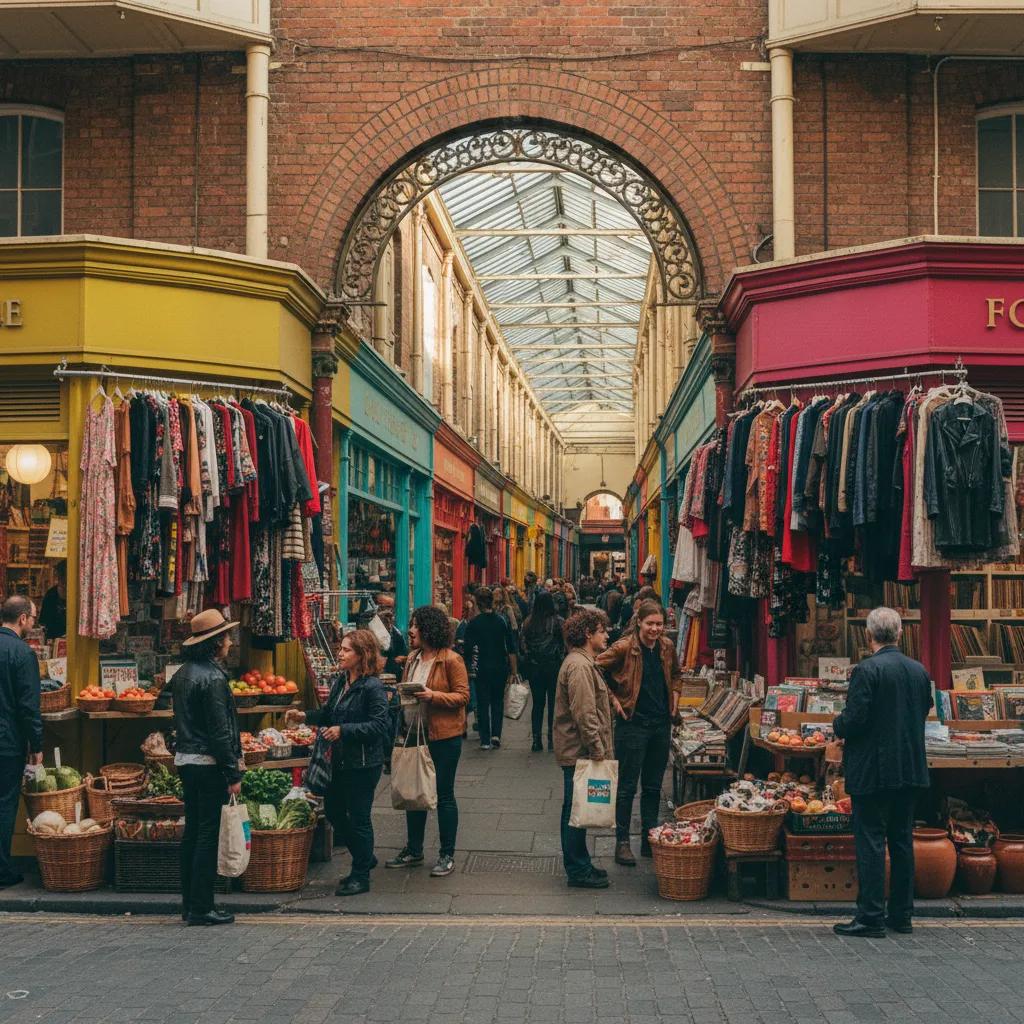
 Brixton Vintage Thrift Shop Finder: South London Retro Gems
Hidden Gems & Odd Finds
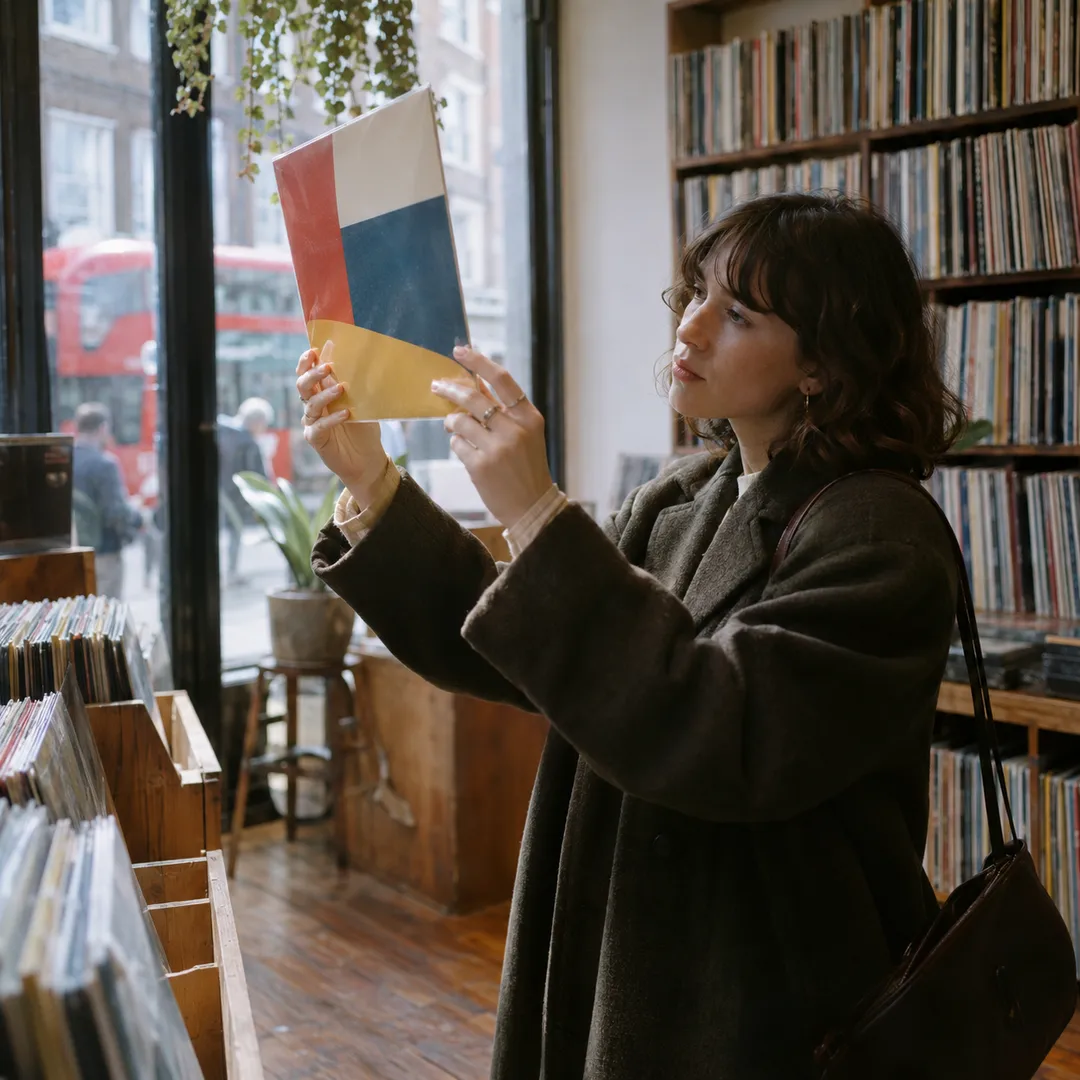
Soho Vinyl Record Crawl Planner for First-Time Buyers
Plan a Soho vinyl record crawl for your first records: what to ask at the counter, how to check a used sleeve, and a calm route through the old music streets.
A Soho vinyl record crawl planner is the gentlest way to start a record collection in London, because this is the neighbourhood where the city's music trade grew up and where shop staff are used to people asking basic questions. If you have just set up a turntable at home and own three records, a Soho afternoon can turn that shelf into something that feels like yours. The trick is to go in with a short wish list, a little curiosity about the people behind the counter, and the patience to listen before you pay.
Why Soho Works for a First Record Dig
Soho has been tied to music for generations. Jazz clubs, publishers, studios and instrument dealers once filled its backstreets, and record shops followed the musicians, the DJs and the fans who came to hear them. Many of the shops that remain are small and specialist, which sounds intimidating, but it actually helps a beginner. Each shop has a clear personality, so you learn quickly which corners of music feel right to you.
The streets are also compact. You can walk between several record shops in the time it takes to finish a coffee, which means a bad fit costs you nothing. If one shop is all rare soul twelve-inches and you wanted folk, you simply step back onto the pavement and try the next door. That low pressure is exactly what a first crawl needs.
Soho's shop staff tend to be music obsessives first and salespeople second. Ask them what they have been playing all week and you will usually get a better recommendation than any algorithm. For a new collector, that conversation is half the value of the trip.
Write a Short Wish List Before You Go
Before leaving home, write down five albums you already love on streaming and five artists you are curious about. Keep it on your phone. Beginners often walk into their first record shop, feel overwhelmed by the racks, and leave with nothing, or with an impulse buy they never play. A short list keeps you anchored without stopping you from wandering.
Next to each album, note one sentence about why you love it: the first track, the late-night mood, the album your parents played in the car. When you ask for help at the counter, that sentence matters more than the title. A good shop assistant will hear it and point you toward a second record in the same spirit, which is how a collection starts to feel personal rather than a copy of your playlist.
Decide in advance how many records you want to carry home. Two or three is plenty for a first crawl. It leaves room to buy the one surprise that a shop owner pulls out from behind the counter, and it stops your arms aching by the third stop.
New Pressing or Used Copy: How to Choose
Most Soho shops carry a mix of new records and secondhand stock, and the choice confuses first-time buyers. New pressings are sealed, clean and predictable, which makes them a safe pick for albums you will play constantly. Used copies carry history: an old sticker, a name written on the sleeve, a record that has been loved in someone else's home. They are also where you find albums that are no longer pressed.
When you pick up a used record, slide it gently halfway out of the inner sleeve, holding it by the edges. Tilt it under the shop light and look across the grooves. Fine surface marks are normal. Deep scratches that you can feel with a fingernail, or a dull grey patch, are signs of heavy wear. Check that the record sits flat when you look along its edge, and that the centre label is not torn.
Ask whether the shop grades its secondhand stock. Many independent shops mark condition on a small card or on the price sticker, and staff are usually glad to explain their grading if you ask. Once you understand one shop's scale, you will read the others much faster.
Use the Listening Deck Without Feeling Awkward
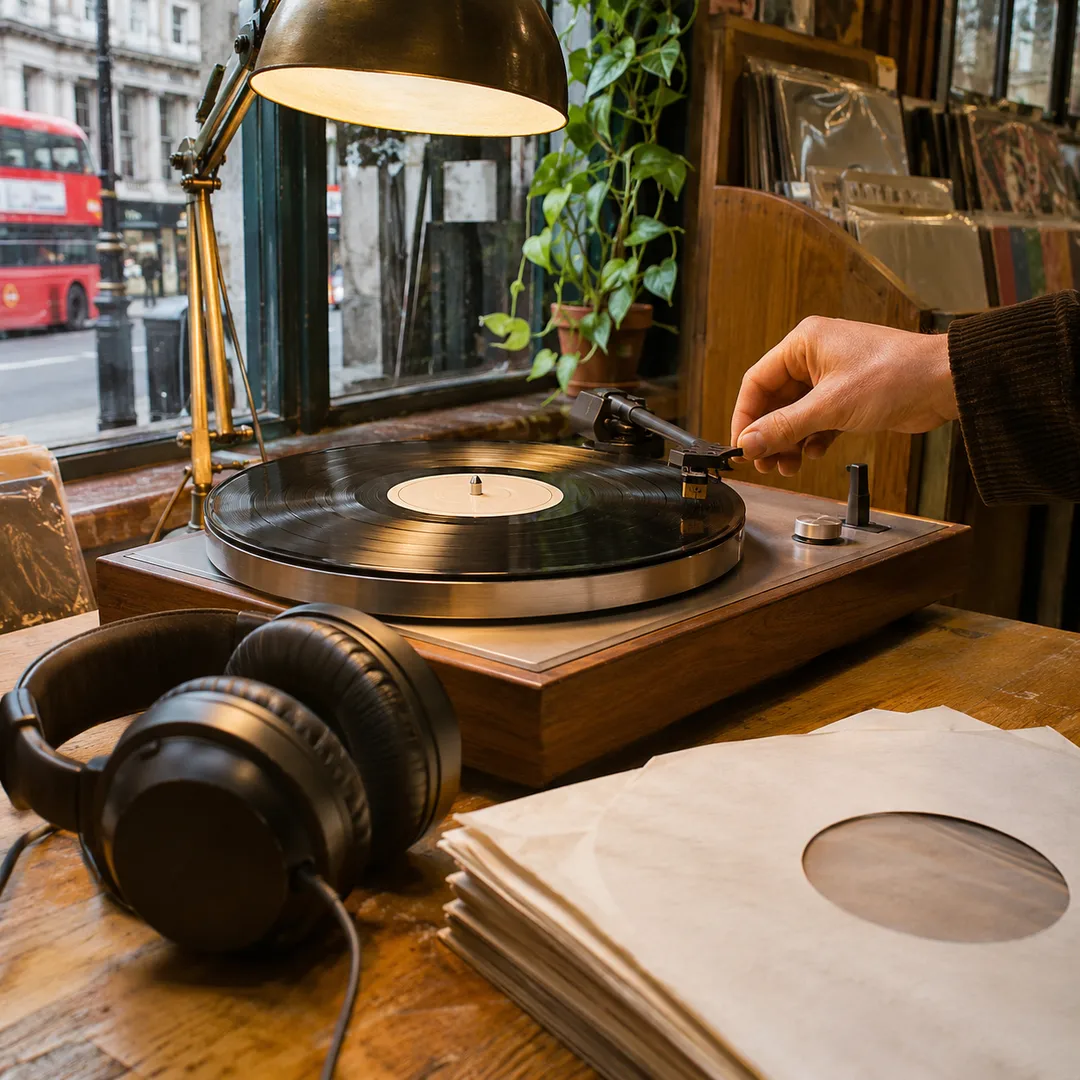
Many record shops in Soho keep a turntable and headphones by the counter so you can hear a record before buying. First-timers often feel shy about asking. Do not be. Listening is part of the culture, and staff would much rather you hear a scratchy track now than return disappointed next week.
Ask politely, wait your turn if someone else is listening, and keep it brief: one or two tracks, or a quick drop of the needle at the start of each side. Let staff place the record if they prefer to handle it themselves. Listen for crackle in the quiet passages, a skip, or a warble in long held notes. If the shop is busy, choose your two strongest picks rather than lining up five.
A listening deck is also a good place to learn what you like. Hearing an album on a decent turntable, in a room full of records, is a very different experience from streaming it on a phone. Pay attention to whether you prefer the warmth of an older pressing or the crisp detail of a new one.
A Gentle Route Through the Soho Streets
Start on the western side of Soho, where several record shops sit close together on the narrow streets running north from the old market lanes. Work your way through two or three shops with your list, then pause at a cafe to look over what you have found. Use the break to listen on your phone to anything you are unsure about.
After the break, drift east toward the quieter streets near the square, where smaller specialist shops and secondhand dealers keep their doors open between offices and studios. This is the half of the crawl for surprises. Let yourself flip through a genre you never listen to, just for the sleeves. Some of the best first records are bought for the artwork and loved for the music later.
Finish with a short walk to one of the open squares or out toward Covent Garden, where you can sit with your bag and decide which record goes on the turntable first tonight. Ending somewhere calm makes the crawl feel like a small event rather than an errand.
Practical Notes for a Comfortable Crawl
Carry a sturdy tote bag that fits a twelve-inch sleeve flat. Thin plastic bags bend corners, and a warped sleeve is a sad way to end a first trip. If rain is forecast, slip a large paper folder or a spare carrier bag inside the tote as an extra layer.
Weekday afternoons are quieter than Saturdays, when collectors and visitors fill the aisles. A quiet hour gives you more time with staff and a better chance at the listening deck. Saturday is still fun, but treat it as a browsing day rather than a learning day.
Use the Karpo APP to keep a shortlist of record shops near where you are standing, along with cafes for a listening break, so you can rebuild your route on the spot if a shop is too crowded. Save notes on what each shop is good for, and next time you come back to Soho you will already know where your taste lives.
Ask Karpo for more information.
Keep reading
- Brixton Vintage Thrift Shop Finder: South London Retro Gems
 Notting Hill Vintage Thrift Shop Finder: Preloved Rails
 Soho Vintage Thrift Shop Finder: West End Designer Archives