 Brixton Vintage Thrift Shop Finder: South London Retro Gems
Hidden Gems & Odd Finds
Dalston Vinyl Record Crawl Planner for DJs Building a Set
Plan a Dalston vinyl record crawl around a DJ set: dig Kingsland Road for dance twelves, test tempos on shop decks, then hear the sound at a listening bar.
A Dalston vinyl record crawl is a working day for DJs. Kingsland Road and the streets around it are full of selectors, producers and dancers, and the record shops reflect that with deep stock of house, techno, jungle, Afrobeat, dub and leftfield releases. This planner treats the crawl as set preparation: you arrive with a rough running order, dig to fill the gaps, test tempos on shop decks, and end the night hearing records through a proper sound system nearby.
Why Dalston Is a Selector's Neighbourhood
Dalston grew into a nightlife hub because of its mix of cheap spaces, diverse communities and a lively night economy. Caribbean, Turkish, African and Vietnamese families live alongside artists and students, and that mix shows up in the music. Record shops here cater to people who play out, not just collectors. Staff often DJ themselves and can talk about which records actually work on a floor. That makes a crawl here feel like a masterclass as much as a shopping trip.
You will meet a particular crowd. There are young DJs with a tote of records and a list on their phone, older selectors who still dig every week, and producers looking for samples in odd corners of the bins. People are generally friendly, but they are focused. Give each other space at the listening decks, and if someone is clearly mid-session on headphones, wait rather than hovering. That shared courtesy keeps the shops relaxed.
Arrive With a Set Shape, Not a Shopping List
Before the crawl, sketch the shape of a set you want to play. How does it start, where does the energy peak, how does it end? Note the records you already own for each section and where the gaps are. Maybe you have plenty of peak-time house but nothing to open with. Maybe you need a few transitional records that bridge two tempos. That map turns aimless browsing into targeted digging.
Tell staff about the gap rather than the genre. Saying that you need something deep and patient to open a warm-up set gives them far more to work with than asking for house. Dalston shop staff tend to light up at specific requests and will pull records from new arrivals or from behind the counter. You will leave with music that fits your set, not just music that sounds good on headphones.
Kingsland Road and the Side Streets
Kingsland Road is the spine of the crawl, running from Dalston Junction down toward Haggerston and Shoreditch. Record shops, bars and food spots sit along it and on the streets that branch off. Walk one side first and come back on the other. Some of the most useful shops are tucked into basements, first floors or side streets, so keep looking up and around. A small sign or a sticker on a door often marks the spot.
Treat each shop as a different filter. One might be strong on new house and techno releases, another on reggae and dub, a third on secondhand soul and disco. Do not try to dig every bin in every shop. Head straight to the sections that match your set gaps, flick through new arrivals, and ask staff what they have been playing. If nothing fits, move on without guilt. The next shop will have a different slant.
Use the Shop Decks Properly
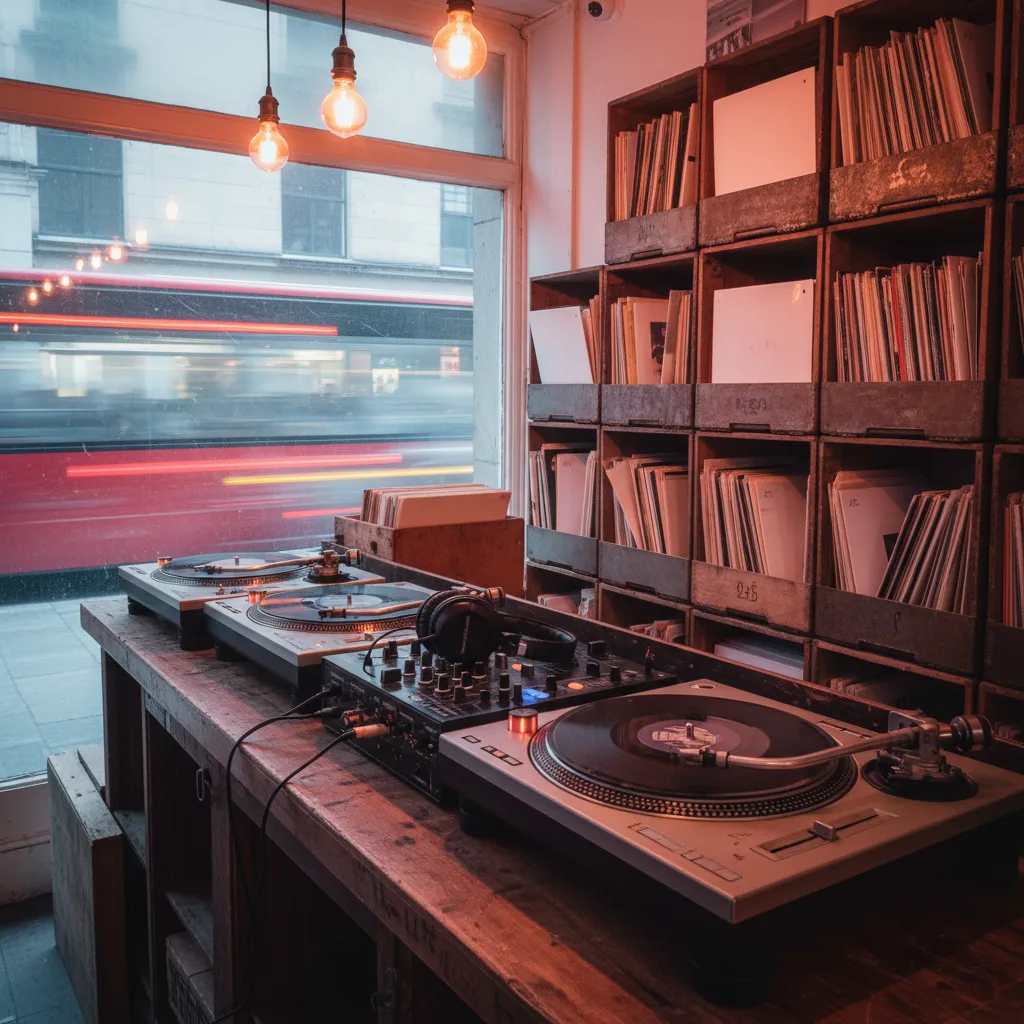
Many Dalston record shops have turntables and headphones for customers to audition records. Use them like a DJ rather than a casual listener. Drop the needle at the start, then skip toward the breakdown and the end of the track to hear how it builds and how it exits. Listen for the tempo and the key feel, and imagine mixing it with a record you already own. A record that is great but impossible to mix might not belong in this set.
Keep sessions short when the shop is busy. Pull a small stack of candidates, listen to each for a minute or two, then put the ones you are not buying back where they came from. Wipe headphones if a cloth is available and return them neatly. Staff remember people who look after the decks, and those are the customers who get told quietly about the record that just came in and has not reached the shelf.
Ridley Road and the Roots of the Neighbourhood
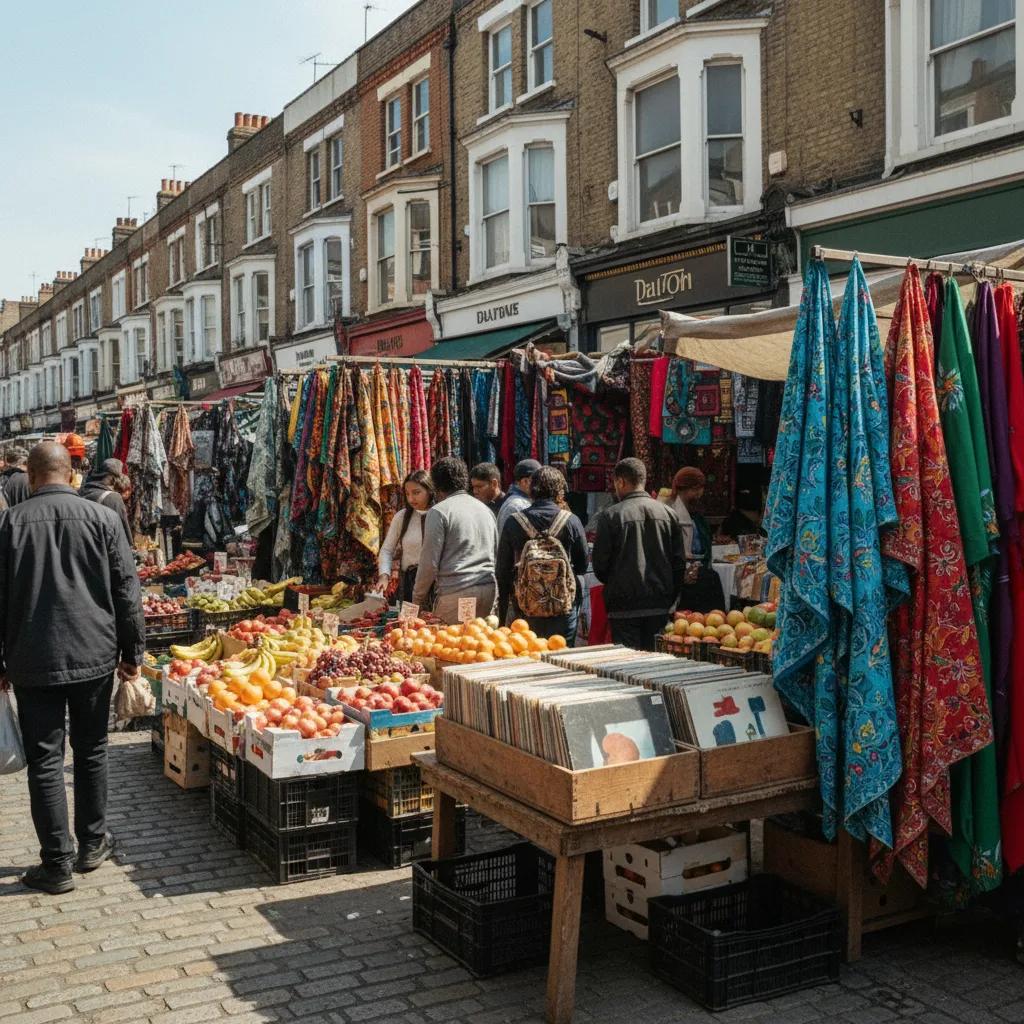
Ridley Road Market sits just off Kingsland High Street and is a busy daytime market with fabrics, fruit, fish, spices and household goods. Records occasionally turn up here too, often older Caribbean and African releases sold among other items. Even if you buy nothing, walking through the market reminds you where much of Dalston's music came from. Those rhythms of Afrobeat, highlife, soca and reggae still feed the dance music sold a few streets away.
If you do find records on the market, inspect them carefully. Older pressings might have been stored in less than perfect conditions, and sleeves can be worn. Ask the seller if you can see the disc in daylight. If the grooves look healthy, these are often the records that give a DJ set real character. A battered highlife album that sounds alive can be the moment people remember from your set.
End Where the Records Play Loud
A DJ crawl should end with hearing music in the way it was meant to be heard. Dalston has listening bars, small clubs and bars with serious sound systems where selectors play vinyl. Pick one that matches the energy of your set and spend some time listening. Pay attention to how the DJ moves between records, how they handle the room, and which records light people up. That listening is part of preparation.
If you are new to the area, start with somewhere that has a relaxed early evening crowd rather than a packed club. You will be able to hear the sound clearly and maybe chat with the person behind the decks. Bring your new records home first if you can. Carrying a heavy bag through a club is no fun, and nobody wants to worry about warped sleeves on a crowded floor.
Planning the Crawl With Karpo APP
Use Karpo APP to search for record shops, listening bars and food spots around Kingsland Road and Dalston Junction. Save the ones that match your genres into a shortlist and arrange them so you dig in the daytime and listen in the evening. Treat that list as a menu of options to weigh against each other, not as a live feed from the street. It does not track new arrivals in a shop or show who is playing tonight, so keep the plan flexible.
During the crawl, use Karpo APP to search for a nearby cafe when you need to sit down and sort your records against your set map. You can also save new shops you stumble on so you remember them for your next dig. Over time your saved list becomes a personal network of shops that fit your sound, which is exactly what working DJs build in a neighbourhood like Dalston.
Practical Notes for Selectors
Carry a dedicated record bag with a flat base and firm sides, and keep it zipped when you move between shops and bars. Bring your own headphones if you prefer a familiar sound when auditioning. Keep a small notebook or a notes file with your set map and tick off gaps as you fill them. Afternoons are often calmer for digging than evenings, when shops share the street with the nightlife crowd.
Skip records that you only like because everyone else in the shop seems to be buying them. Hype moves fast in dance music, and a set full of the same new releases as everyone else will not stand out. Dig for the record that bridges two of your favourites, or the odd track that makes the floor pause and smile. That is what a Dalston crawl is really for.
Ask Karpo for more information.
Keep reading
- Brixton Vintage Thrift Shop Finder: South London Retro Gems
 Notting Hill Vintage Thrift Shop Finder: Preloved Rails
 Soho Vintage Thrift Shop Finder: West End Designer Archives