 Brixton Vintage Thrift Shop Finder: South London Retro Gems
Hidden Gems & Odd Finds
Covent Garden Vinyl Record Crawl Planner Before a Show
Plan a Covent Garden vinyl record crawl in the two hours before curtain up, from Seven Dials to Denmark Street and Soho, then reach your theatre seat on time.
A theatre ticket in Covent Garden gives you something most record hunters never have: a hard deadline. The curtain goes up whether you have finished flipping through the last crate or not, and that turns a loose wander into a small, satisfying puzzle. This page is a vinyl record crawl planner for the hours before a show. It walks you from the cobbles around the old market building, through the seven little streets that meet at Seven Dials, up to the guitar windows of Denmark Street and, if the clock allows, across into the record lanes of Soho. You will not find shop addresses or prices here. What you will find is a way to pace the afternoon so you leave with one or two records you love, a bag you can tuck under a theatre seat, and enough time left to sit down before the overture.
Why a Show Night Changes the Way You Dig
Most crawl plans assume you have all day. A show night gives you a window of roughly two hours, maybe three if you skip a sit-down dinner, and that limit is actually useful. It stops you from drifting into a fourth shop out of habit, and it forces you to decide early what you are really looking for. People who dig well before a performance tend to arrive with one clear target and one open question: a particular cast recording they have wanted for years, say, and a loose curiosity about what else sits in the jazz or soundtrack bins.
The neighbourhood suits this. Covent Garden and its edges are packed tightly, so the walking between stops is short and mostly flat. You can see the theatre district from almost anywhere on the route, which keeps the deadline in view. And because the area has been a music quarter for generations, with instrument dealers, sheet music sellers and record shops coming and going over the decades, the browsing has a sense of history even when the shops themselves are new.
Start at Seven Dials, Not the Market Piazza
The covered market and the piazza are where the street performers and the crowds gather, and they are lovely for ten minutes. For digging, begin a few streets north at Seven Dials, where the sundial pillar sits in the middle of a small roundabout and the lanes fan out like spokes. The shops along these spokes change often, but the area has long mixed fashion, design and music, and it is a good place to warm up your eyes on a smaller, curated rack before you face denser stock.
Use this first stop to set your budget for the evening in your head and to check how heavy a single record feels in the bag you brought. If you are carrying a theatre programme, a coat and an umbrella, one or two LPs is plenty. Many seasoned diggers bring a flat tote or a stiff folder for exactly this reason, because a bent sleeve on the walk to the theatre spoils the whole find.
Denmark Street and the Guitar Windows
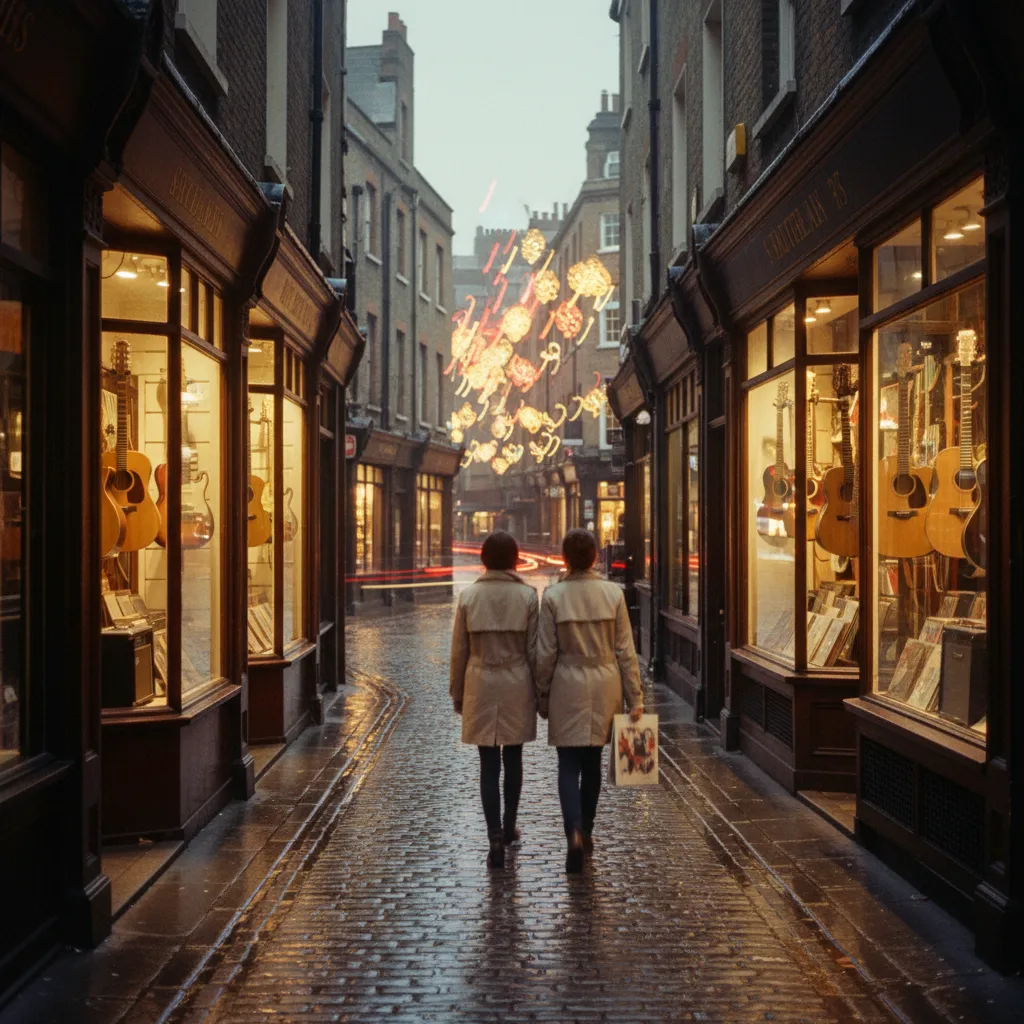
From Seven Dials it is a short walk north towards Denmark Street, the narrow lane that earned the nickname Tin Pan Alley for its long run as a home of music publishers, studios and instrument shops. Today the windows are still full of guitars, and even if you never pick one up, walking under them is part of the story. This is the stretch where songwriters once pitched tunes and where young bands came to buy their first amplifiers, and that history hums along the pavement.
Treat this stop as context rather than a hunt. Some music shops in the area carry books, sheet music or the odd box of records, but the real value is the mood it puts you in. Look at the instruments, think about the records you love that were cut with gear like this, and let that steer your next choice. If a shop worker has a moment, asking what they have been listening to lately is often more fruitful than asking where to find a specific title.
Crossing Into Soho if the Clock Allows
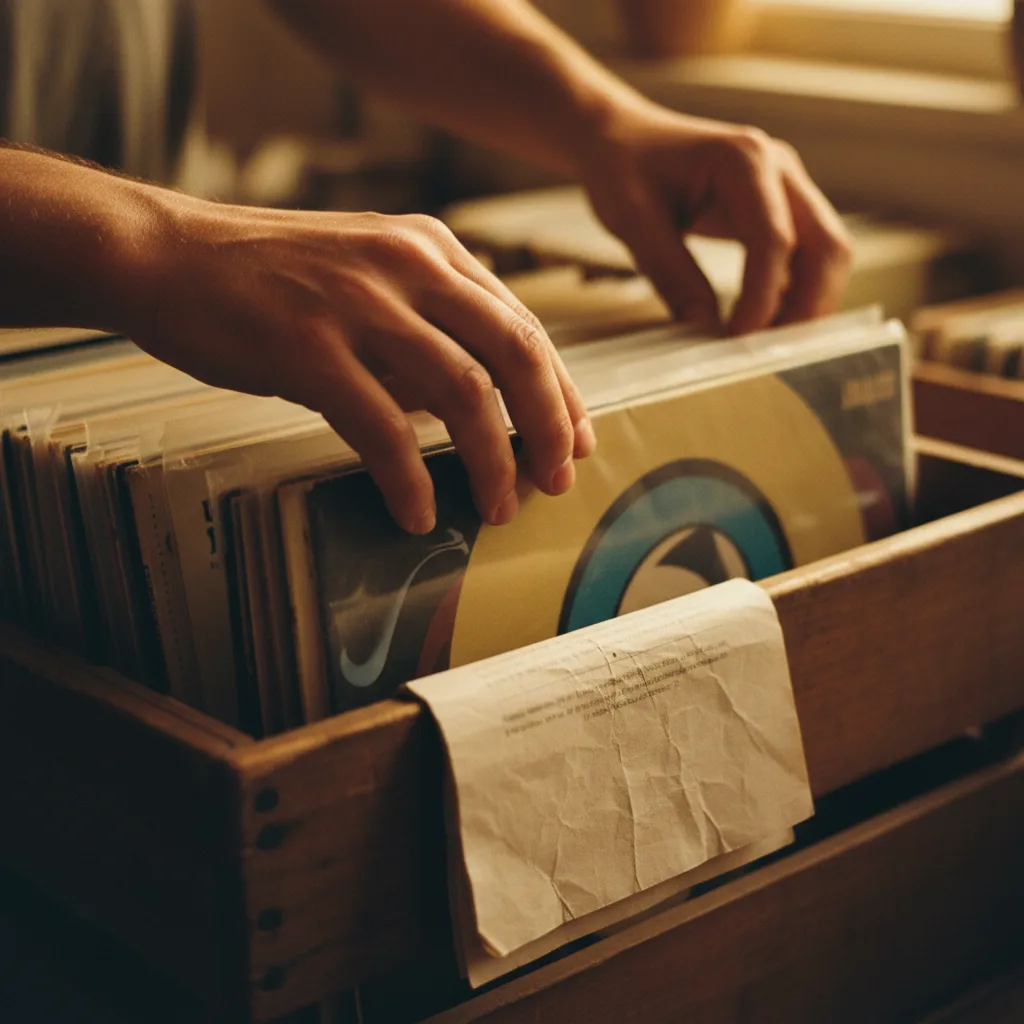
If your show starts late enough, cross Charing Cross Road into Soho. A handful of streets there, Berwick Street above all, have been known for record shops for decades, and the area still draws collectors from across the city. This is where the deep crates live: soul, reggae, house, jazz reissues and the kind of dusty soundtrack albums that make a pre-theatre crawl feel worth it.
Here the planner logic matters most. Give yourself a fixed turnaround moment and set an alarm. Pick one shop to go deep in rather than trying to skim three, and flip with purpose. Cast recordings and film scores are often filed in their own section, so ask once where they are kept instead of searching every bin. If you find something good in the first ten minutes, consider buying it straight away and spending the rest of your time on curiosity rather than on chasing a second purchase.
How to Match the Records to Your Show
One of the nicest habits for a show night is to hunt for something connected to what you are about to see. If the production is a revival, look for an original cast album or the songwriter's other work. If it is a new play with a jazz score, browse the jazz section for the era it evokes. If you are seeing an opera or a ballet, the classical bins in central London shops can surprise you with old pressings in handsome sleeves.
Keep the connection loose. The point is not to complete a collection but to come home with a record that holds the memory of the evening. Months later, putting that album on will bring back the walk under the guitar windows, the rain on the cobbles and the moment the lights went down. That is a souvenir that beats anything sold in the theatre lobby.
Pacing, Bags and Theatre Etiquette
Work backwards from curtain up. Most theatres ask you to be seated a little before the start, and the walk from Soho or Denmark Street to almost any West End stage is short, but the crowds outside the venues can slow you down. Leave a cushion so you are not jogging with a record under your arm. If you plan to eat, a quick bite between shops is easier than a booked dinner squeezed into the gap.
Ask the shop to slip your purchase into a plain bag or card mailer if they have one. A record in a stiff sleeve slides neatly under most theatre seats, but large paper bags rustle and annoy neighbours. Some theatres have a cloakroom, and if yours does, use it. Avoid stacking more than two LPs on a show night; anything bigger is a reason to come back on a free Saturday instead.
Using Karpo APP to Shape the Route
Before you leave home or the hotel, open Karpo APP and search for record shops, music shops and cafes around Seven Dials, Denmark Street and Soho. Save the ones that fit your target into a short list and arrange them in walking order, ending at the shop nearest your theatre. That way, if you run late, the last stop is the one you drop, and the walk to your seat stays short.
The app is a planning tool for finding and comparing places nearby. It does not know what a shop has in its crates today or hold anything for you, so expect a little luck to be part of the night. On a later visit, you can return to the same list and try the shops you skipped.
Practical Notes for a Pre-Show Crawl
Bring a flat bag or folder, one umbrella and a clear idea of your top find. Pay attention to the time from the start and set an alarm for your turnaround. On wet evenings the cobbles around the market get slippery, so wear shoes with grip rather than smart soles. Shops in central London sometimes change their hours on show days and holidays, so if one particular stop matters a lot, check before you go. Above all, keep it light: two records, a short walk and a good seat beat a heavy bag and a missed opening number every time.
Ask Karpo for more information.
Keep reading
- Brixton Vintage Thrift Shop Finder: South London Retro Gems
 Notting Hill Vintage Thrift Shop Finder: Preloved Rails
 Soho Vintage Thrift Shop Finder: West End Designer Archives