 Brixton Vintage Thrift Shop Finder: South London Retro Gems
Hidden Gems & Odd Finds
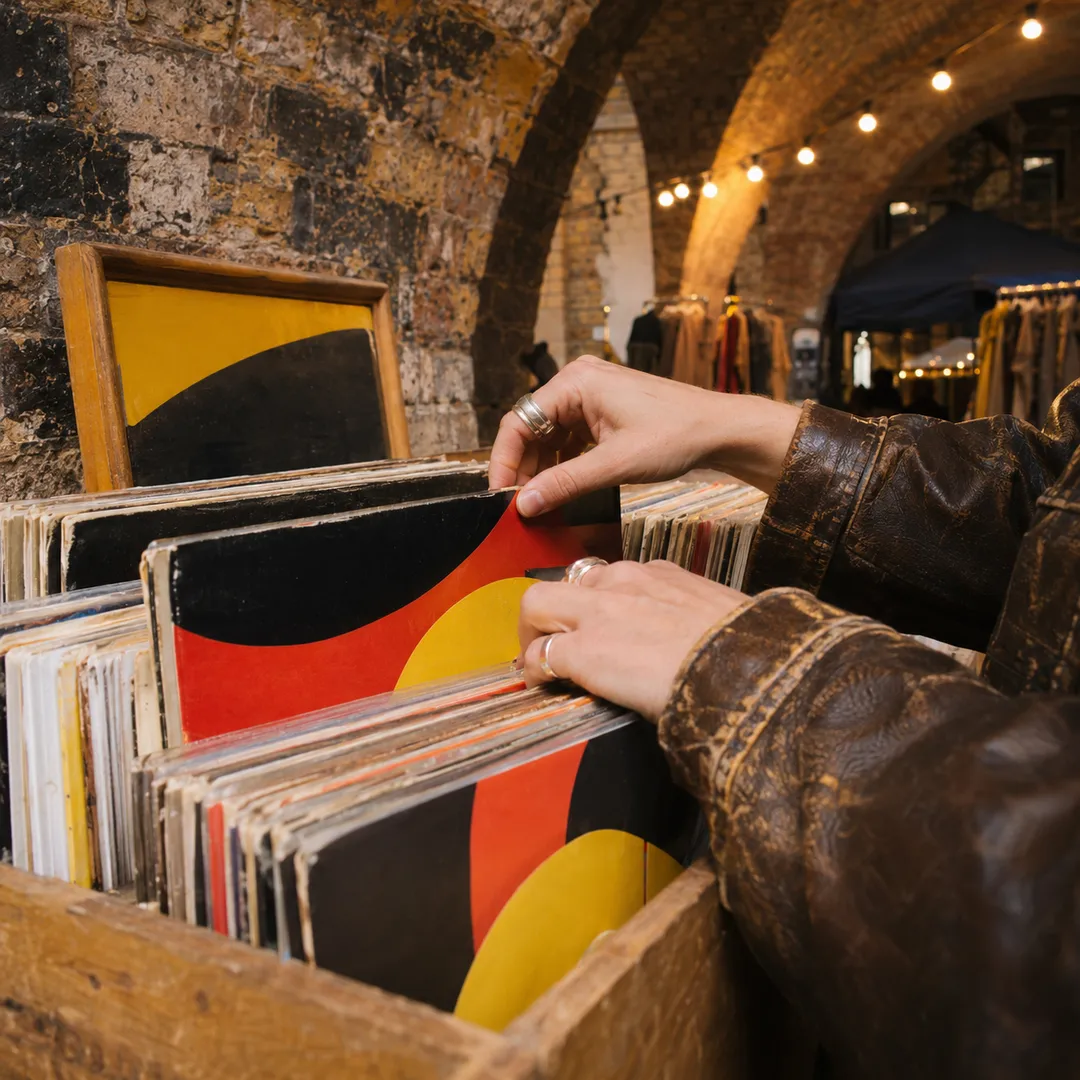
Camden Vinyl Record Crawl Planner for Punk and Rock Fans
Plan a Camden vinyl record crawl for punk, rock and indie originals: dig market stalls and backstreet shops, spot reissues, and rest by the canal locks.
A Camden vinyl record crawl planner should start with the music that made the neighbourhood famous. For decades, this corner of North London has been where punk kids, mod revivalists, goths, indie bands and ska fans came to see gigs, swap tapes and dress the part. The record shops and market stalls that survive carry that energy in their crates. If you love loud guitars and want to hold an original single or a well-worn LP from the bands you grew up with, this route turns Camden from a tourist market into a proper dig.
What Makes Camden Different for Rock and Punk
Camden's music history lives in its pubs, ballrooms and small venues, where bands played to sweaty rooms long before they filled stadiums. Fans followed the gigs, and the trade in records, badges, posters and band shirts grew alongside them. That is why the record stock here leans toward guitars: punk, post-punk, indie, Britpop, metal, ska and the odd rockabilly box tucked under a table.
The other difference is the market. Unlike the neat specialist shops in central London, a lot of Camden's records sit in market stalls, basement corners and mixed shops that also sell clothes or memorabilia. The browsing is messier, louder and more social. You will hear stallholders arguing about bands, and you will find records sorted by mood rather than by alphabet. For a rock fan, that chaos is part of the fun.
Know the Difference Between an Original and a Reissue
Many classic punk and rock albums have been reissued several times, and Camden crates hold both originals and newer pressings. Neither is wrong. A reissue can sound excellent and costs less worry about condition. An original carries the feel of the era: a thinner sleeve, a faded label, sometimes a lyric insert or poster that later copies dropped.
Look at the back of the sleeve and the centre label for clues. Older copies often show a different record label design, an older catalogue style, or printing that looks a little rougher. Newer reissues tend to have barcodes, glossier card and cleaner colours. If you are unsure, ask the stallholder. Most enjoy explaining how to tell copies apart, and their answer tells you how well they know their stock.
Singles are a good starting point for punk fans. Many bands from the late seventies released seven-inch singles with picture sleeves that are now collected for the artwork alone. A small stack of singles takes less space in your bag than LPs and makes a great framed display at home.
Check Condition the Market Way
Market light is often dim, so bring your phone torch. Slide the record out by its edges, hold the torch at a low angle and look across the surface. Light scuffs are fine on a well-loved punk record; deep scratches across several tracks are not. Check the edges for chips, and make sure the record lies flat.
Not every stall has a turntable to test on, so lean on visual checks and on the seller's honesty. Ask directly whether a record plays through cleanly. A good seller will tell you if a track jumps or if a copy has seen too many parties. Sleeves matter too: ring wear, split seams and writing on the cover are common, and some collectors love a sleeve with a previous owner's name scrawled across it. Decide what you can live with before you hand over money.
A Camden Route From Market to Backstreets
Begin near the station and resist the first stalls on the high street, which focus on souvenirs. Walk north toward the old market buildings and the brick arches by the canal, where the music and vintage traders cluster. Give yourself a full lap of the indoor market before you buy anything. Stalls change from week to week, and the best crate is often deep inside a corner you only find on the second pass.
Once you have worked through the market, step away from the crowds into the backstreets and the stretch toward Chalk Farm. Independent shops and second-hand dealers there tend to be calmer, with time to talk and sometimes a deck to listen on. This is where you will find the steadier stock: indie LPs, reggae and ska crossovers, and the punk records that a shop owner has kept back for a fan who knows what they are looking for.
Keep an eye on the music pubs and venues as you walk. Posters and flyers on their walls show who is playing that week, and many record hunters like to plan the crawl so it ends with a gig. A record bought in the afternoon from a band you then see live is a memory that sticks.
Rest by the Canal and Sort Your Finds
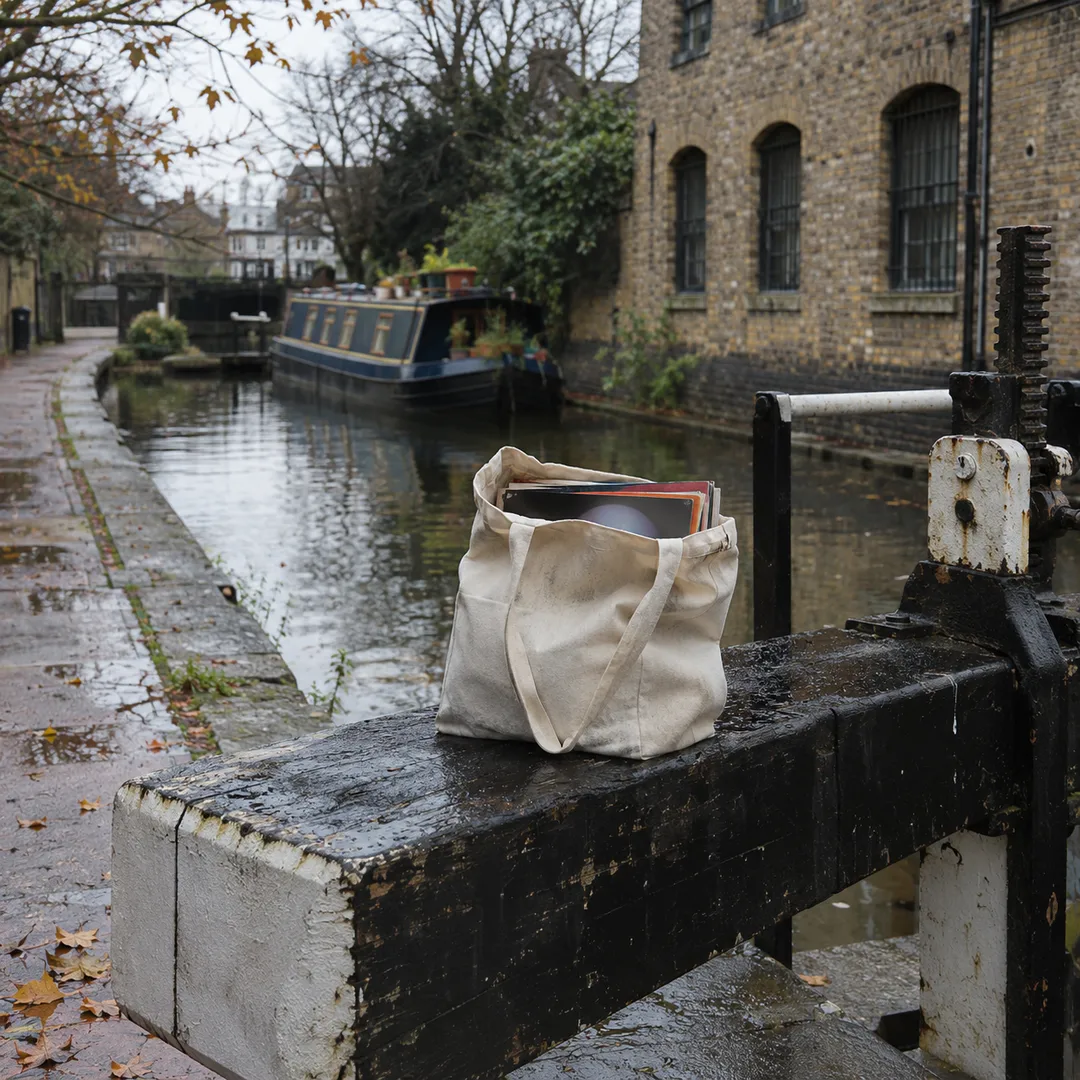
Camden's canal is the best place to pause between digs. Take your bag down to the towpath near the locks, find a bench or a low wall and lay your finds out carefully on your lap. Look at each sleeve in daylight; some faults are easier to see outside than under stall lamps. This is also the moment to decide whether the record you left behind on the second stall is worth going back for.
Grab food from the market and watch the narrowboats work through the lock. The slower pace gives you time to check the band names on your phone and read about the records you picked up. If you want a quieter walk afterwards, follow the towpath west toward the leafy edge of Regent's Park, or climb Primrose Hill for a view over the city with your records under your arm.
Practical Notes for Camden Diggers
Weekends in Camden are very busy, and the market can feel like a crush around midday. If you want time to dig, go on a weekday or arrive early on a weekend before the crowds build. Wear comfortable shoes, keep your bag zipped and carry records in a stiff tote held close to your body in the busy passages.
Cash is still welcome at some stalls, though many take cards. A small amount of cash helps when you want to haggle gently over a stack of singles. Be polite and fair; a friendly question about a bundle deal goes further than trying to talk a price down on a single prized record.
Use the Karpo APP to keep track of record shops and stalls near you, along with nearby music pubs and canal-side cafes. Save the stalls you liked with a note on what they stock, so next time you can head straight to the crates that suit your taste instead of starting the lap from scratch.
Ask Karpo for more information.
Keep reading
- Brixton Vintage Thrift Shop Finder: South London Retro Gems
 Notting Hill Vintage Thrift Shop Finder: Preloved Rails
 Soho Vintage Thrift Shop Finder: West End Designer Archives