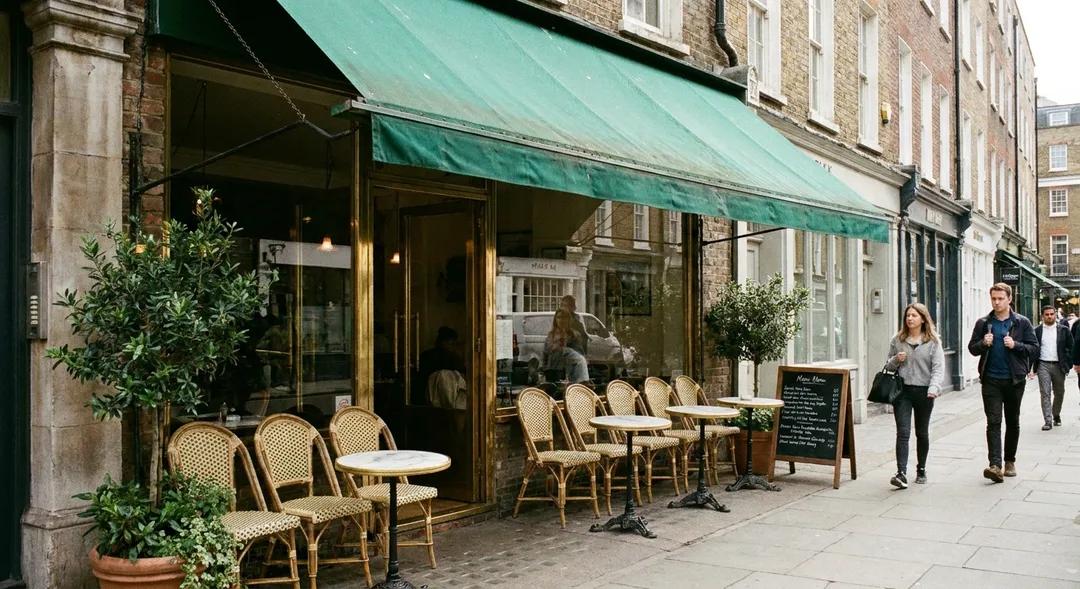
 Marylebone Coffee Shop Finder: Village Cafes and Espresso
Coffee & Dessert
Twinings Traditional Tea House: Free Strand Tea History
A historic Strand tea stop where a short museum visit, black tea ritual, and old London retail atmosphere reward a planned pause.
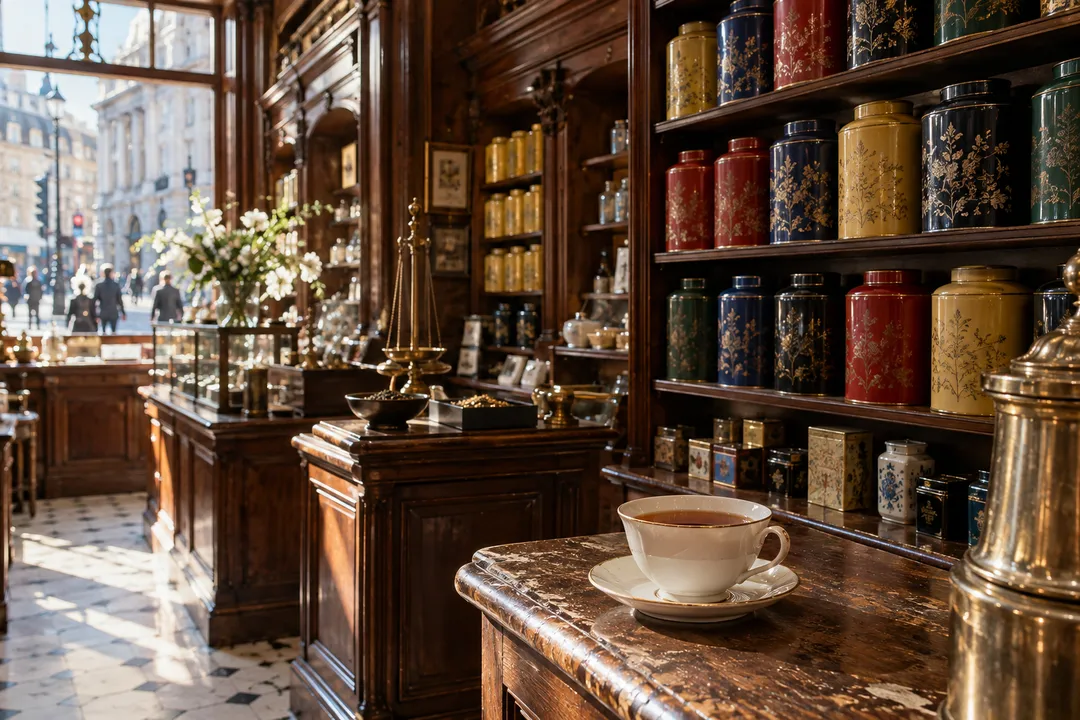
Twinings at 216 Strand is one of the clearest traditional tea house answers in central London if you want history without turning tea into a formal afternoon appointment. The brand traces its London story to 1706, and the Strand shop combines retail shelves with a compact museum-style look at tea, the company, and the old coffee-house world that made the location matter. There is no need to invent a long tasting itinerary here. Start with the historic room, look closely at the tins and tea counter, then choose one black tea to take into the rest of your walk. The useful rule is simple: treat Twinings as a short, deliberate pause rather than a full meal stop.
A 216 Strand Address With a Long Memory
The address does much of the work. 216 Strand sits in a part of London where legal offices, theatres, hotels, churches, and old commercial streets compress into a walkable afternoon. Twinings’ official history makes the 1706 founding date central, and that date is more useful than a vague claim that the shop is ‘historic.’ You can stand in the same narrow stretch of city that has carried tea from a specialist luxury into an everyday British habit. The small museum atmosphere is best read slowly: packaging, brewing references, and the visual language of the brand tell a story about how tea became both a commodity and a ritual.
What to Notice Before You Buy
A first visit rewards comparison rather than impulse. Look for the difference between a tea chosen for its history and one chosen for the way you actually drink at home. A robust breakfast blend makes sense if your morning cup takes milk; a lighter black tea is better if you drink it plain; a scented blend should be treated as a separate mood rather than a replacement for the basics. The shop’s strongest feature is not the number of tins. It is the chance to connect a familiar cupboard product to a physical London address. Read the labels, ask a focused question, and leave with one decision instead of a bag of guesses.
The Quiet Rule: Keep the Visit Compact
Twinings is a retail and heritage stop, not a promise of unlimited seating. That changes the etiquette. Give the museum corner your attention, keep the counter interaction specific, and do not build a long queue behind you while trying to solve every tea preference at once. If the room is busy, take a photograph only after checking the staff’s preference and move toward the shop floor. The people you are likely to see are a mix of visitors following literary or theatre routes, office workers buying a familiar blend, and tea enthusiasts reading every packet. A small shop works better when everyone keeps the pace light.
How to Choose a First Tea
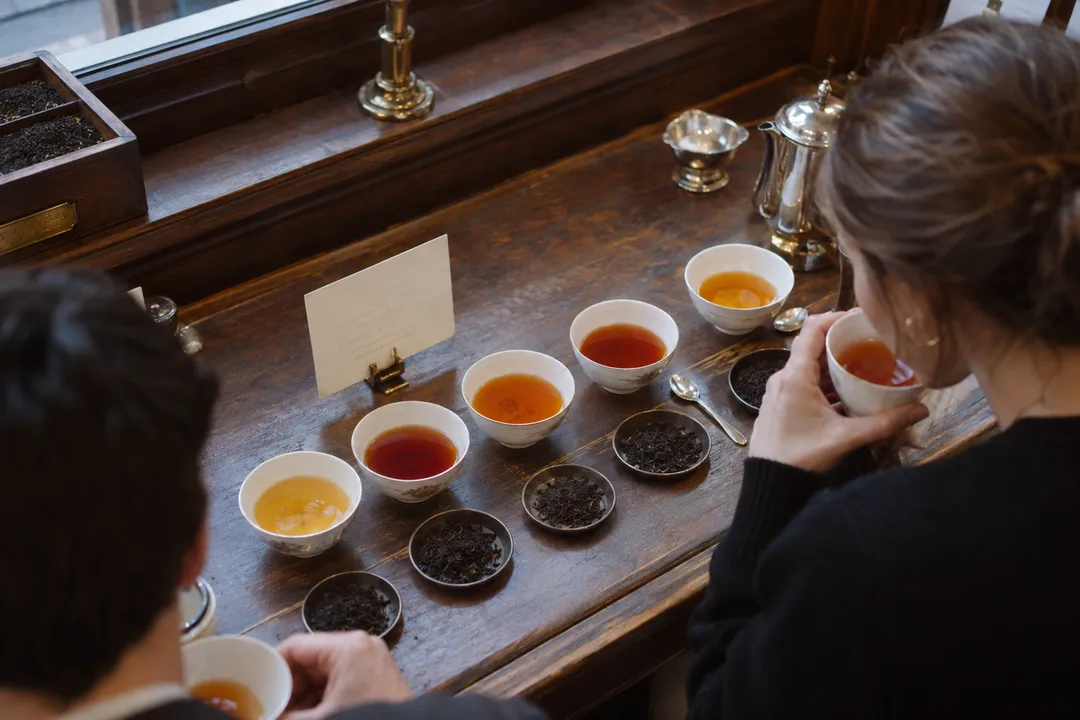
For a first purchase, choose by drinking occasion. A breakfast tea gives you the most useful baseline because it reveals body, briskness, and how milk changes the cup. Earl Grey makes a more aromatic detour, while a green or herbal choice changes the question entirely. The honest advice is to skip the novelty box if you do not already know what you like. A heritage shop can make every tin look collectible, but the best souvenir is the one you will actually open. Ask for help with one comparison—strong versus light, plain versus scented—and let that answer narrow the shelf.
A Strand Walk That Makes Sense
Build the outing around a loop rather than a destination photograph. From 216 Strand, walk east or west along the Strand and let the architecture set the rhythm before turning toward Somerset House or the Covent Garden streets. If you want a second cultural stop, choose one building or gallery and keep the tea with you only after it is securely packed. The useful distance is short: Twinings first, a slow block-by-block walk second, and a sit-down café later if you want food. This order protects the shop’s compact scale and keeps the heritage visit from becoming a rushed tick-box on a crowded itinerary.
When the Room Feels Busy
The practical queue strategy is to visit early in your route, not at the exact moment every nearby attraction empties. Midday Strand foot traffic can make a small shop feel tighter than it is. If you arrive behind a group, browse the exterior history and return after a short walk rather than forcing a hurried purchase. Rain is not a reason to abandon the stop; it is a reason to make Twinings the first indoor anchor. If you need a full afternoon tea service, choose a dedicated salon elsewhere and keep Twinings for the museum and retail experience. That is the better match for what the address actually offers.
Who Will Enjoy This Traditional Tea House
Twinings suits the visitor who likes origin stories, packaging, and the feeling of entering a working brand rather than a staged period set. It also works for a solo traveller with twenty minutes between appointments, a London regular buying a dependable blend, or a history-minded friend who wants a small free stop. It is less satisfying if your only goal is a long table, elaborate cakes, or a guided ceremony. The limitation is useful. You can decide before travelling that this is a tea-history stop with a purchase attached, not a replacement for lunch or a reservation-based tea service.
Practical Notes for 216 Strand
Use 216 Strand, London WC2R 1AP for navigation and the official Twinings website for the shop’s current visitor information, product range, and any temporary notices. The address is the hard anchor; the museum and retail experience are the reasons to go. Keep the order small if you are continuing on foot, protect tea tins from rain, and do not assume a heritage shop operates like a late café. Karpo APP can build the Strand stop into a broader route around Covent Garden, Somerset House, or the river, but the best plan still begins with one clear purpose: see the tea history, choose one useful blend, and continue walking. A useful final check is whether the visit still makes sense without the museum. If you would not buy a tea, do not force a purchase; the heritage stop has value on its own. If you are buying for someone else, write down the brewing style while the choice is fresh. The most thoughtful souvenir is a tea with a small story attached, not a heavy bag carried through every London landmark. Leave the Strand with one clear memory and the rest of the afternoon open.
Ask Karpo for more information.
Keep reading
- Marylebone Coffee Shop Finder: Village Cafes and Espresso
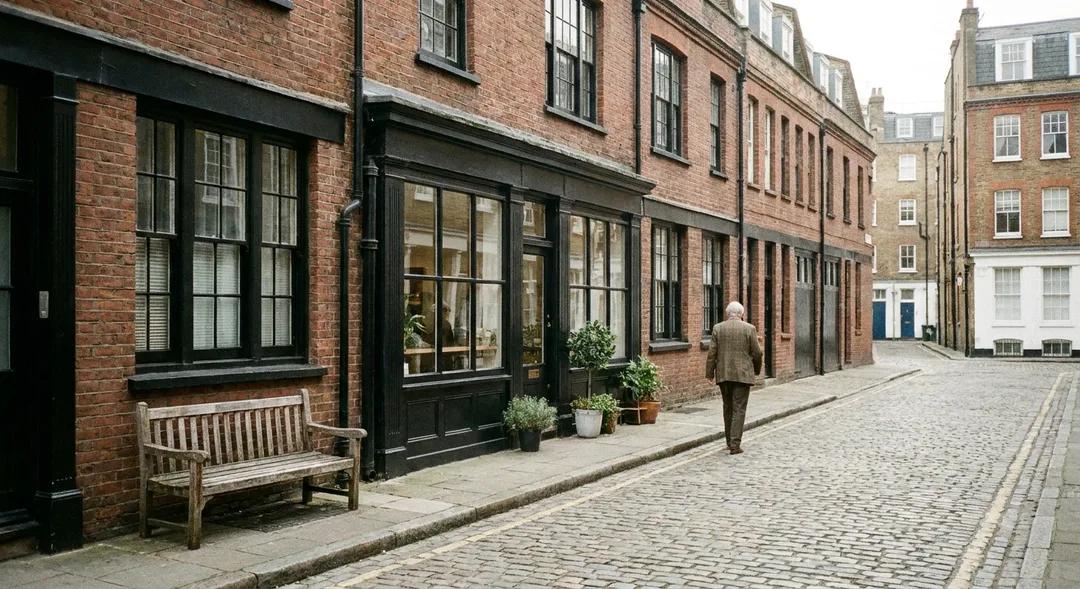 Fitzrovia Coffee Shop Finder: Quiet Central London Espresso
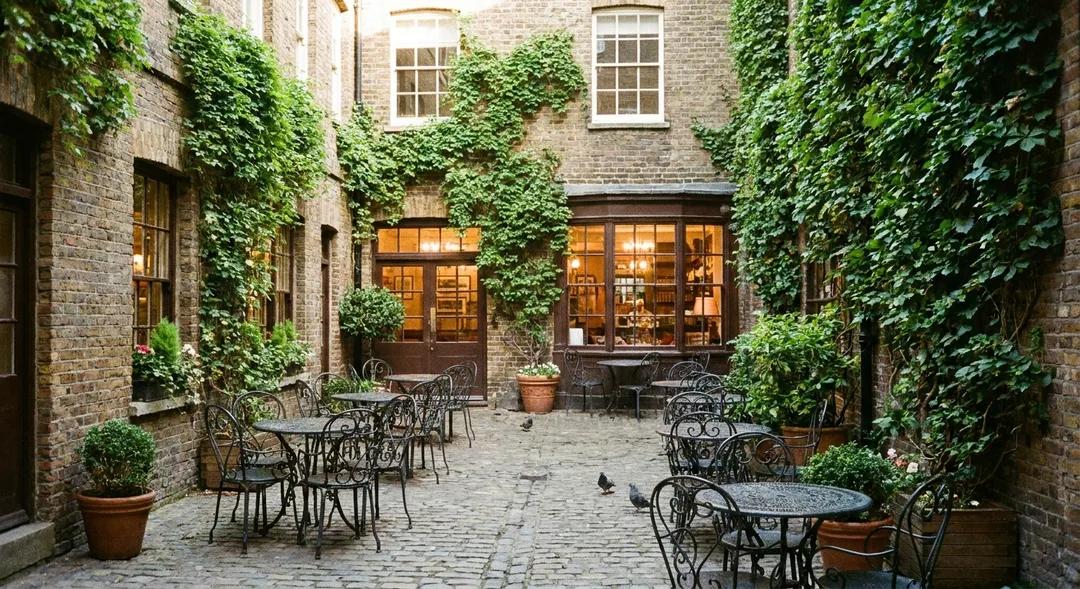 Covent Garden Coffee Shop Finder: Hidden Courtyard Cafes