 Richmond Park Sunset Viewing Planner: Deer Meadow Horizons
Weekend Plans
South Bank Traditional Tea Ceremony Room With Chairs
Bringing family or friends to a traditional tea ceremony room near South Bank? Ask for chair-style seating first, then make a riverside day of it at Waterloo.
Finding a traditional tea ceremony room that works for a whole group, from a grandparent with bad knees to a restless ten-year-old, comes down to one question you should ask before anything else: is chair seating available? A table-and-chair format called ryurei was devised in Kyoto in the nineteenth century precisely so guests could take part without kneeling, and many hosts outside Japan offer some version of it. Settle seating first, then build the rest of your South Bank day around the session.
Why Seating Decides Everything for Groups
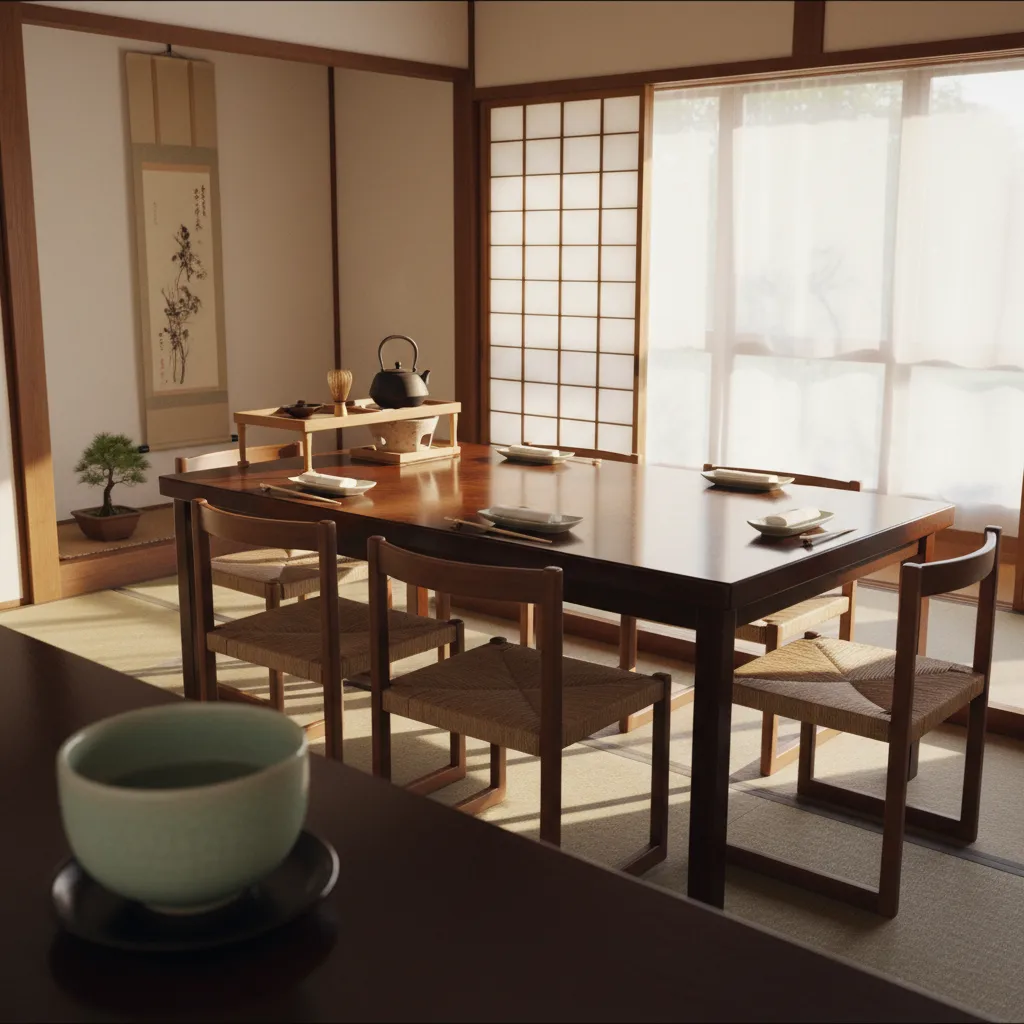
Ryurei-style tea was introduced by Gengensai, the eleventh head of the Urasenke school, for visitors to the 1872 Kyoto Exhibition, many of whom were foreign and unused to sitting on the floor. The host sits on a stool at a tall table holding the kettle and utensils, and guests sit on chairs. The sequence of the ritual barely changes, so nobody misses out on the experience, and it removes the most common reason first-timers end up distracted.
Traditional floor seating in seiza, kneeling with your weight on your heels, can become painful after fifteen to twenty minutes for anyone unused to it. Hosts will often let guests shift to a cross-legged position, but in a group that tends to become a ripple of fidgeting. If even one member of your party has knee, hip or back trouble, saying so upfront lets the host plan the room rather than improvising halfway through the bowl.
Briefing Children and First-Timers on the Way
The walk from Waterloo to the river is about the right length for a two-minute briefing. Explain that the host will make tea for them, that they should watch rather than touch the utensils, and that they can say thank you with a small bow when the bowl arrives. Children usually enjoy the sweet most, so tell them it comes first and is meant to be eaten before the tea, not saved for later.
Matcha is bitter and contains caffeine, so for younger children it is fair to ask the host whether a smaller portion or a lighter drink is possible. Many hosts are used to families and will adapt. Teenagers tend to respond well to the practical details, such as why the bowl is turned before drinking or why the whisk is made from a single piece of bamboo split into fine tines, so invite them to ask questions at the end.
One honest judgement: groups larger than five rarely get the best experience. Tea rooms are intimate, and the host's attention is the real value. If you have eight or more people, ask whether the host can run two short consecutive sessions instead of squeezing everyone in at once. The wait between them is easy to fill with a stroll along the river, and each half of your party gets a calmer room.
A simple role for each child helps too. One can watch for the moment the host folds the silk cloth, another can count how many times the whisk moves before the foam appears. Small observation tasks keep younger guests quiet and engaged without turning the room into a classroom, and they usually come away remembering far more of the ritual than adults expect.
A Riverside Route From Waterloo
From Waterloo station, follow the signs to the Southbank Centre and come out beside the Royal Festival Hall, built for the 1951 Festival of Britain and still the anchor of the riverside arts complex. On rainy days its foyers are open to the public and make a dry meeting point if your group arrives in batches. The Queen Elizabeth Hall roof garden, when open in warmer months, has views over the river and seasonal planting.
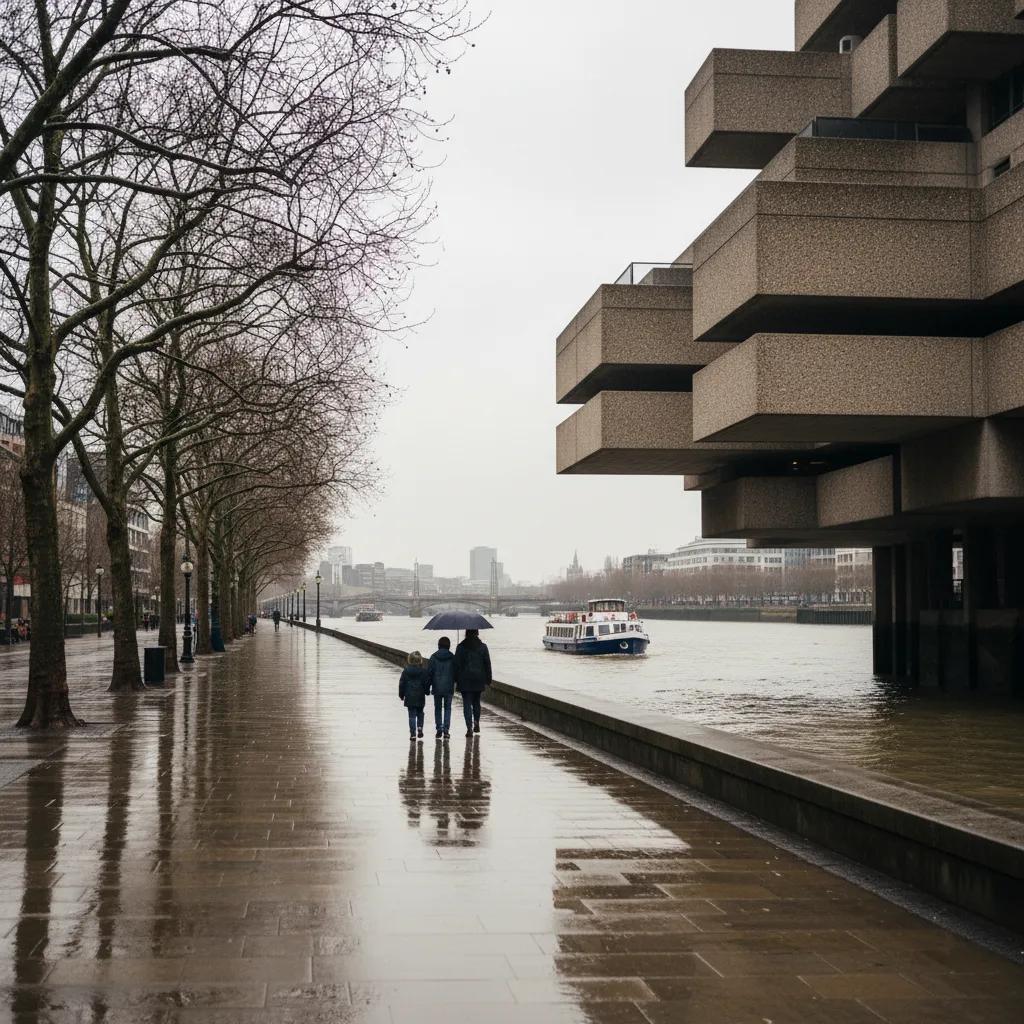
Walking east along the Thames, you pass the BFI Southbank under Waterloo Bridge, where second-hand booksellers set out trestle tables of paperbacks on the riverside most days, then the National Theatre with its stacked concrete terraces. A few minutes further, Gabriel's Wharf has small craft shops and the Oxo Tower Wharf houses independent designers' studios. The whole stretch is flat, step-free along the main path and easy with prams or wheelchairs.
Heading west instead, Jubilee Gardens sits beside the London Eye and gives children room to run before or after the session. The Golden Jubilee Bridges carry pedestrians across to Embankment if your tea room is on the north bank, with wide views of Westminster on one side and St Paul's on the other. Plan the direction based on where the tea session is, so the scenic stretch comes afterwards rather than as a rush to make the start time.
Questions to Ask the Host Before You Commit
A short message to the host can save your group a lot of awkwardness. Ask whether chair seating or a table arrangement is available, how many guests the room comfortably holds, roughly how long the session runs and whether an explanation in English is included. Mention allergies for the sweet, since traditional confections can include wheat, soy or bean pastes. If anyone uses a wheelchair, ask about steps at the entrance rather than assuming.
It also helps to ask what the host expects from guests. Some rooms ask for socks on the mats, others provide slippers, and a few prefer that phones stay in bags. Knowing in advance means you can brief the group calmly instead of whispering instructions at the door. Hosts generally appreciate guests who ask, because it shows the gathering matters to you.
Practical Notes for a South Bank Tea Day
Waterloo is served by the Bakerloo, Jubilee, Northern and Waterloo and City lines as well as mainline trains, while Embankment and Charing Cross are a short walk across the Golden Jubilee Bridges. Allow extra time if anyone in your group needs step-free routes, since some station exits involve long corridors. Weekends on the riverside are busy around the London Eye, so meet at the Royal Festival Hall rather than by the wheel.
To keep everyone aligned, tell the Karpo APP how many people are coming, who needs chairs and what time the group can realistically meet, then save the tea rooms and riverside stops that fit and share that list with the group. Contact your chosen host directly to arrange the session. With seating sorted, the tea becomes the calm centre of the day rather than a logistics puzzle.
Ask Karpo for more information.
Keep reading
- Richmond Park Sunset Viewing Planner: Deer Meadow Horizons
 South Bank Sunset Viewing Planner: Thames Riverside Walks
 Parliament Hill Sunset Viewing Planner: London Heath Vistas