 Richmond Park Sunset Viewing Planner: Deer Meadow Horizons
Weekend Plans
Soho Traditional Tea Ceremony Room: Matcha or Gongfu First?
Planning a traditional tea ceremony room visit from Soho? Decide between Japanese matcha and Chinese gongfu tea first, then pace the walk via Chinatown.
A traditional tea ceremony room in London usually means one of two very different rituals, and Soho puts you within walking distance of both traditions. Japanese chanoyu centres on a single bowl of powdered matcha whisked in front of you, with a fixed order of bows, wipes and turns. Chinese gongfu cha is looser and more conversational: a small clay pot, whole-leaf oolong or pu'er, and a run of short infusions poured into thimble-sized cups. Choosing which one you want before you leave Golden Square saves the most time.
Whisked Bowl or Pouring Tray: The Core Difference
In a Japanese session the host prepares tea for guests, and guests mostly receive. You will watch the host purify the bamboo scoop and the tea caddy with a folded silk cloth called a fukusa, warm the bowl, then whisk matcha with a bamboo chasen until a fine foam forms. The whole sequence is choreographed, and the quiet is part of the point. An introductory gathering, known as a chakai, typically covers one bowl of thin tea and a seasonal sweet.
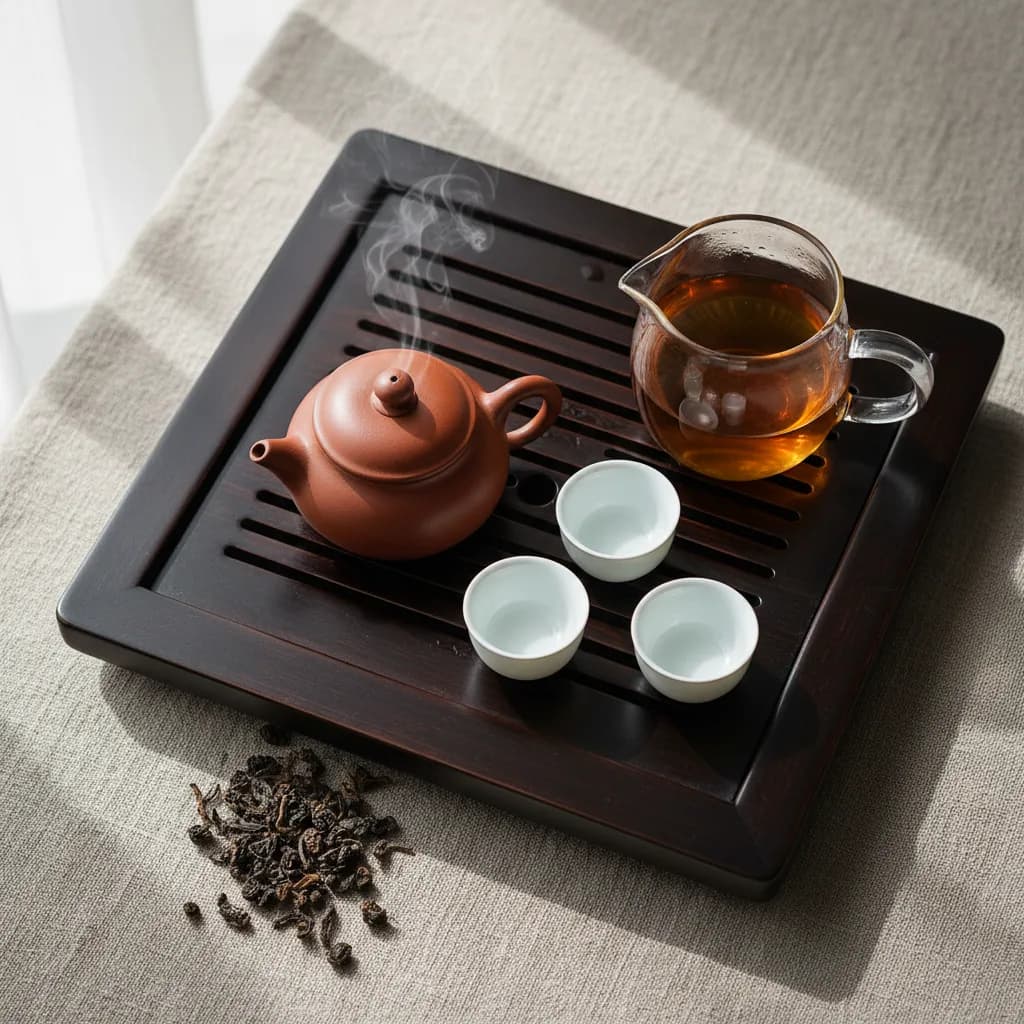
Gongfu tea flips the energy. The pot sits on a slatted tray that drains spilled water, leaves are rinsed with a quick first pour, and each later steep lasts only seconds. You taste how a roasted oolong changes from the third pour to the eighth, and talking is expected. If your group wants to chat, compare notes and linger over many small cups, gongfu suits you better. If you want stillness and one decisive bowl, look for chanoyu.
Matching the Ritual to Your Soho Afternoon
Soho afternoons tend to be stitched together from errands, galleries and a late lunch, so time is the real constraint. A Japanese chakai built for newcomers generally runs under an hour once the explanation is included, while a full formal chaji with a kaiseki meal can stretch to around four hours and is rarely offered to walk-ins. Gongfu sessions are elastic: you can stop after four infusions or keep the kettle going for an hour and a half.
Group size matters too. Tatami rooms are compact by design, and a classic four-and-a-half mat room is meant for a handful of guests, so a party of six or more may be split or seated on a bench-style arrangement. Gongfu tables handle couples and small friend groups comfortably. Solo visitors often find the Japanese format less awkward, because the host leads every step and nobody expects you to keep a conversation running.
Dietary needs are easy to raise for either format. Japanese wagashi sweets are usually made from sweet bean paste, rice flour and sugar, which suits many plant-based diets, while gongfu tables sometimes pair tea with dried fruit, seeds or small pastries. Caffeine is the bigger question. Matcha is ground whole leaf, so one bowl delivers a noticeable lift, whereas a long gongfu session adds up cup by cup. Anyone sensitive to caffeine can ask a gongfu host for an aged white tea or a lighter, greener oolong.
A Walking Loop From Golden Square to Chinatown
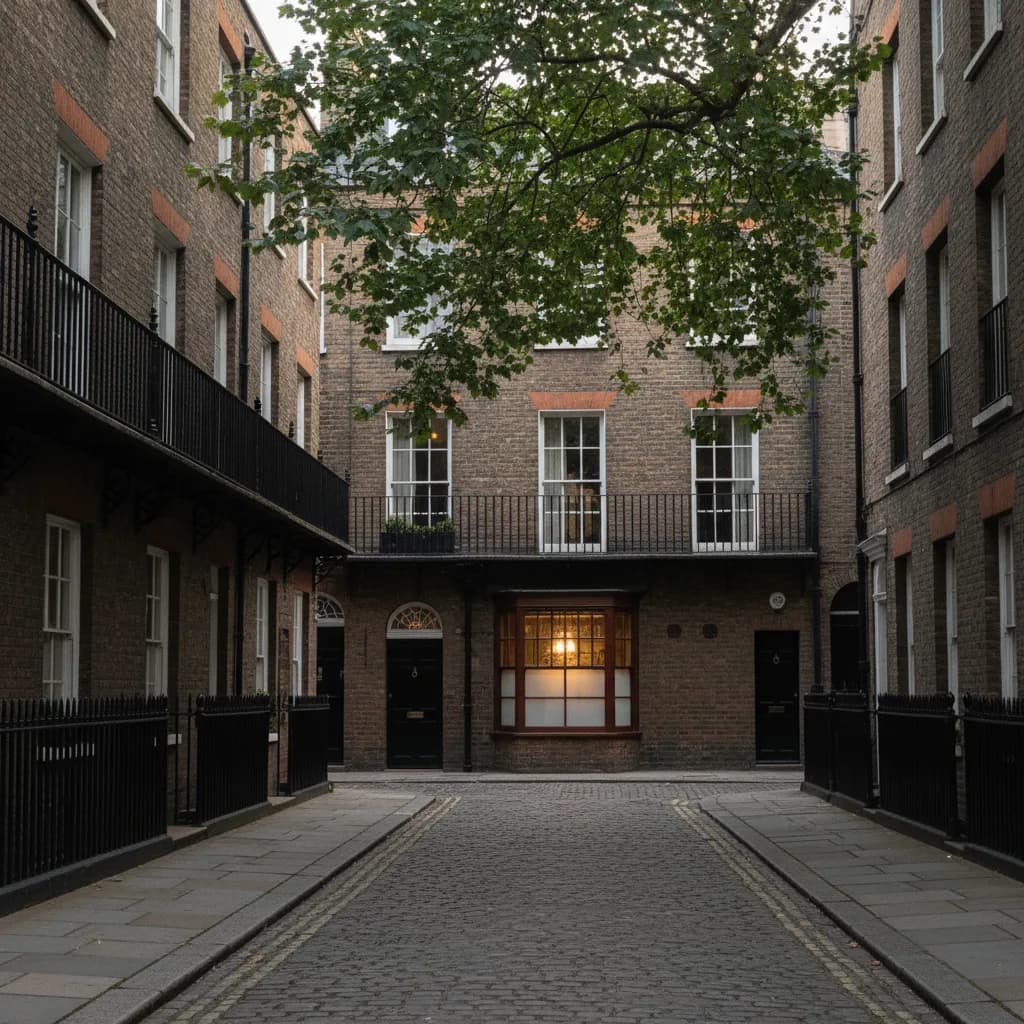
Start in Golden Square, the Georgian garden square tucked behind Regent Street, where office workers eat lunch on the benches around the central statue. Head east along Brewer Street toward Berwick Street, whose street market has traded fruit, vegetables and street food for generations, and continue to Soho Square with its half-timbered gardener's hut. That loop takes roughly twenty minutes at an easy pace and gives you a sense of the quieter lanes behind the shopping streets.
From Soho Square, cut south across Shaftesbury Avenue into Chinatown, where the ornamental gates on Gerrard Street and Wardour Street mark the edge of the district. This is the most practical part of the walk for gongfu fans, since the surrounding streets carry Chinese grocers and tea sellers where loose-leaf oolong, pu'er and small teaware are part of everyday stock. Even if your session is elsewhere, browsing these shelves first gives you vocabulary for the menu you will be handed later.
For a short detour with a craft angle, Liberty on Great Marlborough Street is a few minutes west of Carnaby Street. The mock-Tudor department store was built in 1924 using timber from two Royal Navy ships, HMS Impregnable and HMS Hindustan, and its creaking galleries make a calm counterpoint to the Oxford Street crowds. It is a sensible place to pause if you want to arrive at a tea room unhurried rather than straight off a crowded pavement.
Etiquette That Saves You From Awkward Moments
Japanese rooms ask a few things of guests. Shoes come off before tatami, and clean socks matter more than formal clothes. Remove bulky rings and watches so they do not scratch the bowl. When the bowl arrives, bow slightly, lift it with your right hand onto your left palm, and turn it a little so you drink from the side rather than the decorated front. Finish the thin tea in a few sips, wipe the rim with your fingers, and turn the bowl back.
Gongfu etiquette is gentler. Tapping two or three fingers on the table is a common Cantonese way to say thank you when someone refills your cup, and it lets the conversation carry on uninterrupted. Hold the small cup with thumb and forefinger, sniff the aroma before you sip, and tell the host if the brew tastes too strong, because they can shorten the next steep. Nobody will mind a question; asking about the leaf is part of the fun.
One honest judgement: skip the idea of doing both rituals on the same afternoon. The caffeine load is real, and the two traditions reward opposite moods, so stacking them tends to blur the memory of each. Pick one, give it the full time it deserves, and save the other for a separate visit. If you only have forty minutes between meetings, a gongfu tasting is the easier fit, since it can end cleanly whenever your cup does.
Practical Notes Before You Leave Soho
Tottenham Court Road station, served by the Elizabeth, Central and Northern lines, sits at the north-east corner of Soho, while Oxford Circus and Piccadilly Circus frame the western edge. Leicester Square is the closest station for Chinatown. Everything in this loop is walkable, and the lanes between Dean Street and Wardour Street are often quicker on foot than any bus along Oxford Street. Allow ten extra minutes on weekend afternoons, when Old Compton Street fills up.
Most small tea rooms run scheduled sessions rather than open seating, so a spot usually has to be arranged with the host in advance, and late arrivals can delay the whole group. Dress comfortably: kneeling in seiza on tatami for twenty minutes is hard on stiff knees, and many hosts are happy to offer a low stool if you mention it early. Leave strong perfume at home, because aroma is part of what both tea traditions ask you to notice.
To narrow down options, tell the Karpo APP which ritual you prefer, how many people are coming and how long you can spare, then save the matches that fit your afternoon so you can compare them side by side. Use those notes to contact the tea room directly about session times and seating. That way the Soho walk, the Chinatown browse and the tea itself line up without a frantic search on the pavement.
Ask Karpo for more information.
Keep reading
- Richmond Park Sunset Viewing Planner: Deer Meadow Horizons
 South Bank Sunset Viewing Planner: Thames Riverside Walks
 Parliament Hill Sunset Viewing Planner: London Heath Vistas