 Richmond Park Sunset Viewing Planner: Deer Meadow Horizons
Weekend Plans

Marylebone Traditional Tea Ceremony Room: Thin Tea or Thick?
Visiting a Marylebone traditional tea ceremony room? Start with thin usucha, learn when thick koicha is served, and pair it with a quiet morning walk.
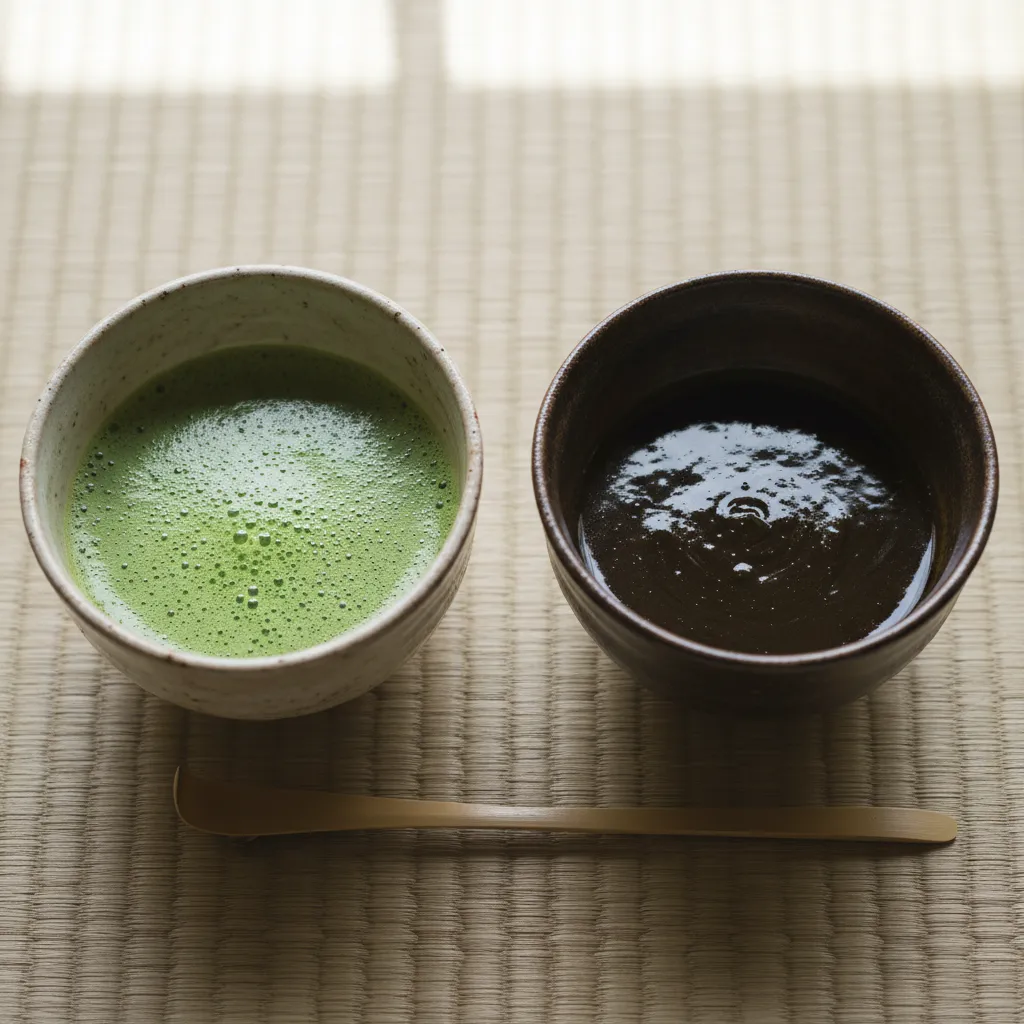
Most first visits to a traditional tea ceremony room in Marylebone serve usucha, the thin, frothy matcha that most people picture, but the ritual has a second, more serious drink called koicha. Thick tea uses roughly three times as much powder and is kneaded with a little water into a glossy paste, then shared from one bowl among guests. Knowing which one a session offers tells you how formal it will be, so ask before you arrange a visit.
Usucha and Koicha: Two Drinks, Two Moods
Thin tea is whisked briskly until a pale green foam covers the surface. Each guest usually receives an individual bowl, and the mood is relatively relaxed, with the host chatting about the season and the utensils. It is what you get at most introductory gatherings and public demonstrations. A bowl takes only a few sips, so the focus is on the preparation and on receiving it correctly.
Thick tea is the centrepiece of a full formal gathering. The host uses higher-grade powder and moves the whisk slowly, folding rather than frothing, and the result is dense, sweetish and intensely green. In the traditional form, guests share a single bowl, each drinking a measured amount, wiping the rim with a paper cloth and passing it on. It is quieter and more ceremonial, and newcomers rarely encounter it on a first visit.
If a session advertises koicha, expect a longer, stricter experience, possibly including a light meal. For a first visit, usucha is the better choice: you can concentrate on the gestures without worrying about the shared bowl. Treat koicha as something to work toward after a few lessons, when the movements of receiving and passing feel natural rather than rehearsed.
Schools, Lessons and What Changes Between Them
The three best-known lineages descending from the tea master Sen no Rikyu are Urasenke, Omotesenke and Mushakojisenke, together known as the san-senke. They share the same core, but details differ. Urasenke hosts typically whisk thin tea to a thick, even foam, while Omotesenke tends toward a lighter froth that leaves part of the surface clear. Small differences in how the silk cloth is folded or how the bowl is turned also mark each school.
For visitors, the school matters less than the teacher. If you are thinking about regular lessons, ask whether the room teaches a recognised lineage, how often classes meet and whether beginners start with the basic procedure for thin tea. Many students attend weekly or fortnightly, and it is common to spend months on the same procedure before moving on. That slow repetition is the method, not a sign that progress is stalled.
One honest judgement: skip any session that promises to make you an expert in an afternoon. A single gathering is a lovely introduction, but the ritual is learned through steady practice under one teacher. If you enjoy the first visit, the most valuable thing to ask on the way out is whether there is a regular class for beginners and what students bring with them.
A Slow Morning Around Marylebone High Street
Marylebone suits a tea visit because its streets are calmer than nearby Oxford Street. Begin on Marylebone High Street at Daunt Books, an Edwardian bookshop known for its long oak galleries and skylight, where travel titles are shelved by country. A quiet browse there pairs naturally with a morning devoted to Japanese culture, and the store makes a useful landmark for meeting friends before a session.
A few minutes south, the Wallace Collection fills Hertford House on Manchester Square with paintings, furniture and porcelain, and entry to the permanent collection is free. Its galleries are a calm place to spend forty minutes before or after tea. If you visit on a Sunday, the Marylebone Farmers' Market sets up on Cramer Street, a good spot to look for seasonal fruit that echoes the flavours the tea sweets borrow.
For green space, walk north to Regent's Park, where Queen Mary's Gardens sit inside the Inner Circle. Even in November, when the roses are cut back, the paths around the lake are quiet in the morning. Paddington Street Gardens, closer to the High Street, offers a smaller patch of lawn and benches if your group needs somewhere to sit and talk through the ritual afterwards.
How to Behave When the Shared Bowl Comes Round
If you do find yourself at a koicha service, follow the guest beside you. Bow to the next guest before drinking, as if to apologise for going ahead, take your sips, wipe the rim where your lips touched with a folded paper cloth and turn the bowl before passing it on. The final guest finishes the bowl and returns it to the host, often with a question about its maker or name.
Keep conversation for the moments the host invites it, usually after the tea has been served and the utensils are being cleaned. That is the right time to ask about the scroll, the tea's name and the bowls. Avoid touching the utensils on display unless invited, and look at them with the bowl or object resting low, close to the mat, so nothing can fall far if it slips.
Regulars at small tea rooms are often a mix of long-term students in plain dark clothing, a few visitors on their first gathering and sometimes a Japanese family introducing friends to the ritual. The unspoken rule is that everyone follows the most senior guest, who sits closest to the alcove. If you are unsure of a gesture, simply copy the person ahead of you a beat later; nobody expects perfection, only attention.
Practical Notes for Marylebone
Baker Street station on the Bakerloo, Circle, Hammersmith and City, Jubilee and Metropolitan lines sits at the northern end of the neighbourhood, while Bond Street, served by the Elizabeth, Central and Jubilee lines, sits to the south. Regent's Park station on the Bakerloo line is handy for the park. Mornings on weekdays tend to be the quietest, which suits a tea session that rewards calm.
Contact the tea room directly about which tea is served and how long the session lasts. To plan the rest of the morning, tell the Karpo APP whether you want a one-off visit or a beginner class, how formal you would like the experience to be and how much time you have, then save the options alongside a bookshop or museum stop. That gives you a simple plan for an unhurried Marylebone morning.
Ask Karpo for more information.
Keep reading
- Richmond Park Sunset Viewing Planner: Deer Meadow Horizons
 South Bank Sunset Viewing Planner: Thames Riverside Walks
 Parliament Hill Sunset Viewing Planner: London Heath Vistas