 Richmond Park Sunset Viewing Planner: Deer Meadow Horizons
Weekend Plans
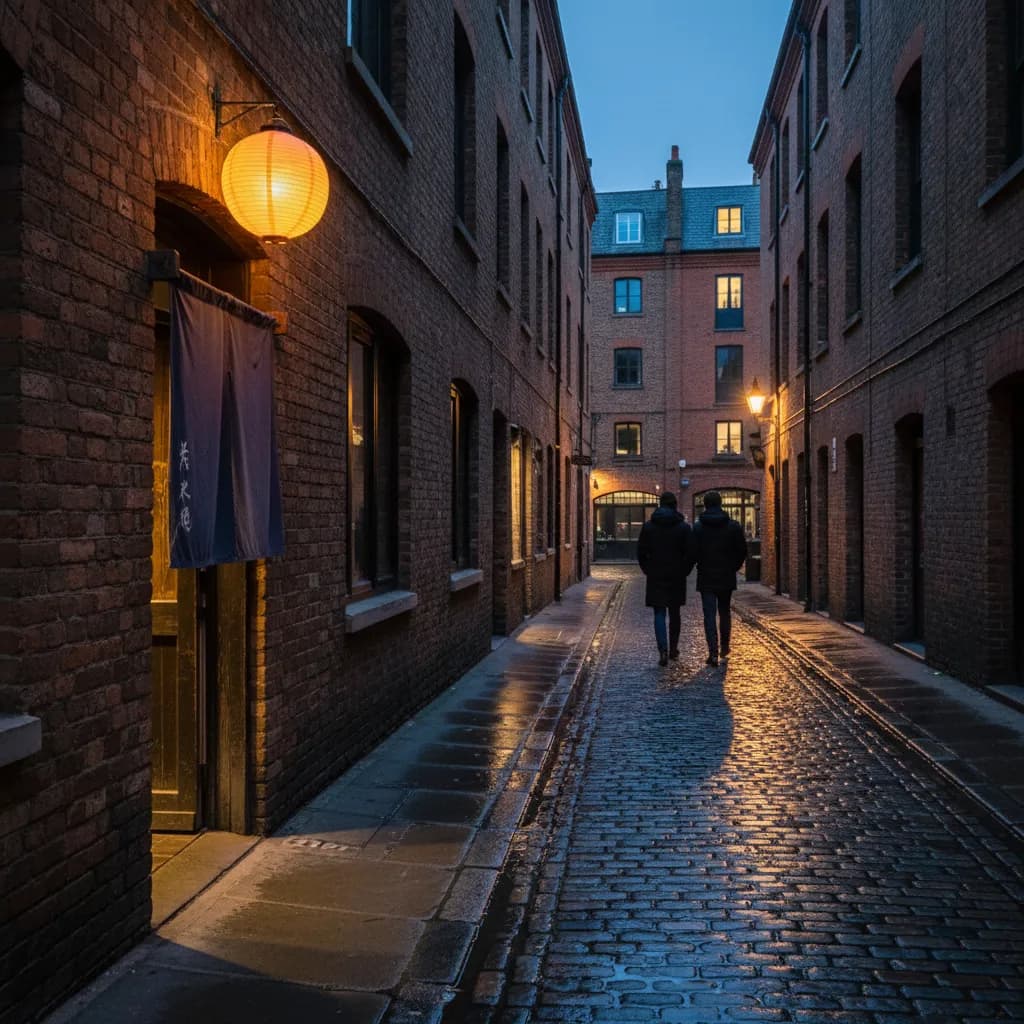
Covent Garden Traditional Tea Ceremony Room Before a Show
Want a traditional tea ceremony room before a Covent Garden show? Plan a one-hour matcha session, then walk to the theatre via Neal's Yard and Seven Dials.
A traditional tea ceremony room is one of the calmest ways to fill the gap between leaving work and curtain up in Covent Garden, provided you plan the timing honestly. An introductory Japanese tea gathering for newcomers usually runs between forty-five minutes and an hour, including a short explanation, one seasonal sweet and a bowl of thin matcha. That fits neatly before a 7:30 pm performance if you start by 5:45 and leave fifteen minutes to cross the Piazza on foot.
Reading the Room Before Your First Bow
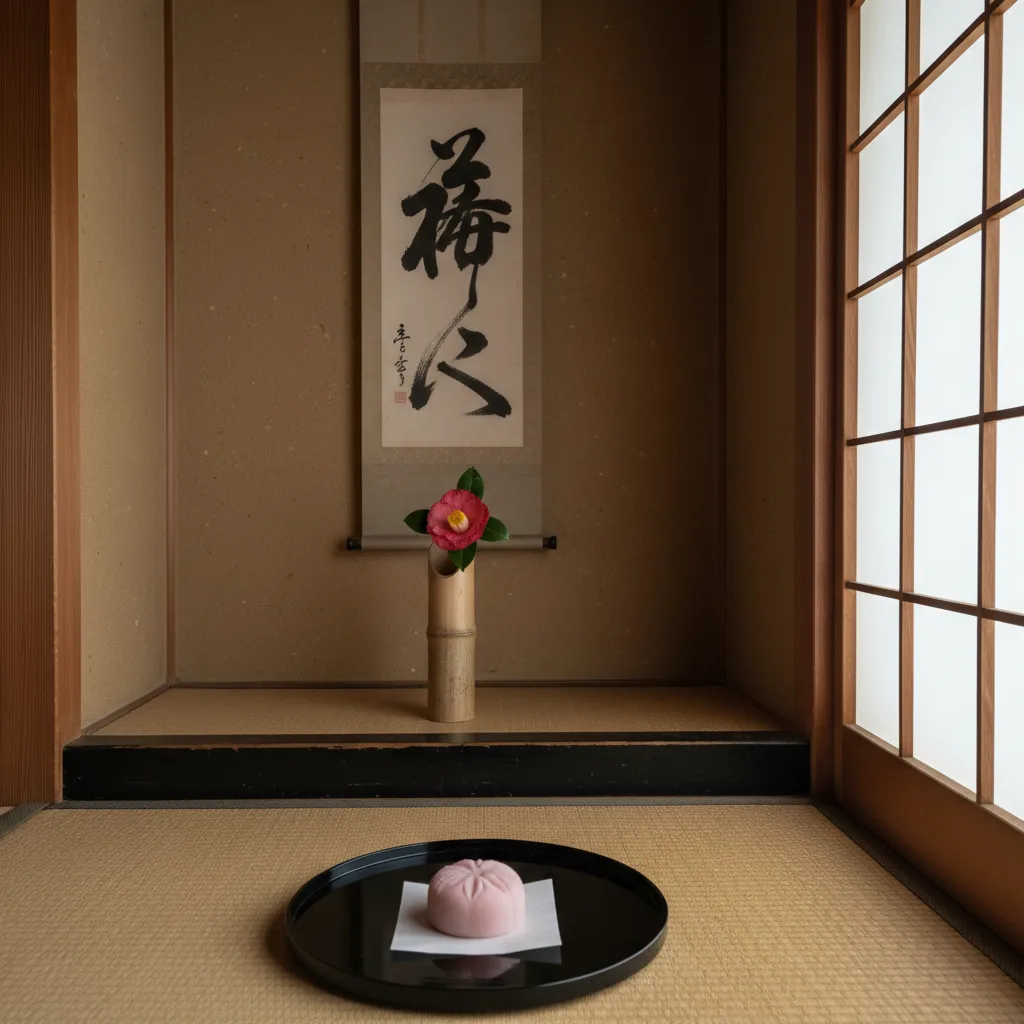
Most of what happens in a tea room is communicated through objects rather than words. The tokonoma, a shallow alcove on one wall, holds a hanging scroll chosen for the day, often a short Zen phrase in brushed ink. Guests traditionally pause in front of it before sitting. Below or beside it sits a chabana arrangement, usually one or two stems in a simple vase, meant to look as though the flower were still growing in a field.
The phrase you may hear most is ichi-go ichi-e, often translated as one time, one meeting. It reminds guests that this particular gathering, with these people and this weather, will never be repeated. That idea explains why hosts change the scroll, the sweet and the bowls to match the season, and why rushing in late feels disruptive. Arriving with ten minutes to spare is a courtesy, not a formality.
What the Seasonal Sweet Is Telling You
The sweet arrives before the tea, and it is there for balance: its sugar softens the bitterness of the matcha that follows. In early November, hosts often choose moist namagashi shaped or coloured to suggest late-autumn leaves, persimmons or the first camellias. Eat it with the small pick provided, cutting it into bite-sized pieces on its paper, and finish it before the bowl reaches you. Folding the paper and tucking it away afterwards is the tidy finish.
November also carries a special meaning in the tea calendar. The month traditionally marks robiraki, when hosts close the summer brazier and open the sunken hearth cut into the tatami floor, and it is associated with kuchikiri, the ceremonial opening of a jar of tea leaves stored since spring. Not every London host follows these customs, but asking about them shows genuine interest and often prompts the most memorable explanation of the session.
If a gathering offers a choice of sweets, pick the one you cannot buy in a supermarket. Dry higashi pressed from fine sugar are pretty, but the soft seasonal pieces show more of the confectioner's craft and pair better with a vivid bowl of usucha. Skip any add-on that turns the session into a long tasting flight before a show. One bowl, properly received, is the point; three bowls on an empty stomach can leave you jittery in your seat by the interval.
A Pre-Theatre Route Through the Piazza
Leaving your tea room, aim for the Piazza by way of the side streets rather than Long Acre, which can be shoulder to shoulder at rush hour. St Paul's Church, designed by Inigo Jones and known as the actors' church, faces the Piazza from the west, and its garden entrance off King Street is often quieter than the market itself. A slow lap there keeps the calm of the tea room going for a few more minutes.
Heading north instead, Neal's Yard is a small triangle of brightly painted shopfronts and window boxes reached through narrow passages off Shorts Gardens and Monmouth Street. From there it is a two-minute walk to Seven Dials, where seven streets meet around a pillar topped with sundials. That cluster gives you an easy way to approach theatres on Shaftesbury Avenue and St Martin's Lane without fighting through the main Covent Garden crowds.
For an outdoor pause, the Phoenix Garden near St Giles is a volunteer-run community garden tucked behind Shaftesbury Avenue, with wildlife-friendly planting and benches. It is the kind of green pocket that suits the unhurried mood a tea session leaves behind. If the Royal Opera House is your destination, its Bow Street entrance sits on the eastern side of the Piazza, and the walk from Neal's Yard takes about five minutes at an easy pace.
Clothes, Knees and a Ticket in Your Pocket
Theatre clothes and tatami do not always mix. Tight trousers and short skirts make kneeling in seiza uncomfortable, and many guests underestimate how hard twenty minutes in that position feels. Mention stiff knees when you arrange the visit, since hosts can often provide a low stool or a table-and-chair format. Pack a pair of clean socks if you are wearing tights or going barefoot in shoes, because socks are expected on the mats.
Keep your theatre bag small. Tea rooms are compact, and hosts usually ask guests to leave coats, umbrellas and bags in an entry area before stepping inside. Silence your phone fully rather than leaving it on vibrate; in a room where the loudest sound is water simmering in an iron kettle, a buzzing handbag carries. Photography is a question for the host, and many prefer that you watch rather than film the preparation.
Practical Notes for a Covent Garden Evening
Covent Garden station on the Piccadilly line relies on lifts and can be restricted to exit only at busy times, so Leicester Square, a short walk away on the Northern and Piccadilly lines, is often the easier station after a show. Holborn and Charing Cross are also within walking distance. If you have a 7:30 pm curtain, aim to leave the tea room by 6:55 so you are seated without a sprint.
Tea gatherings tend to run on fixed start times with a small group, so contact the host directly to confirm a session and mention any dietary limits for the sweet. Eat something light beforehand: matcha on an empty stomach can feel sharp, but a full pre-theatre dinner beforehand will make kneeling miserable. A small snack at around 5 pm, then dinner after the show, is the rhythm many regulars settle on.
Use the Karpo APP to keep the evening organised: describe your curtain time, how many people are coming and whether anyone needs chair seating, and save the tea options that suit that window alongside a post-show supper idea nearby. Having those saved in one place means the only decision left on the night is which lane to take through Seven Dials.
Ask Karpo for more information.
Keep reading
- Richmond Park Sunset Viewing Planner: Deer Meadow Horizons
 South Bank Sunset Viewing Planner: Thames Riverside Walks
 Parliament Hill Sunset Viewing Planner: London Heath Vistas