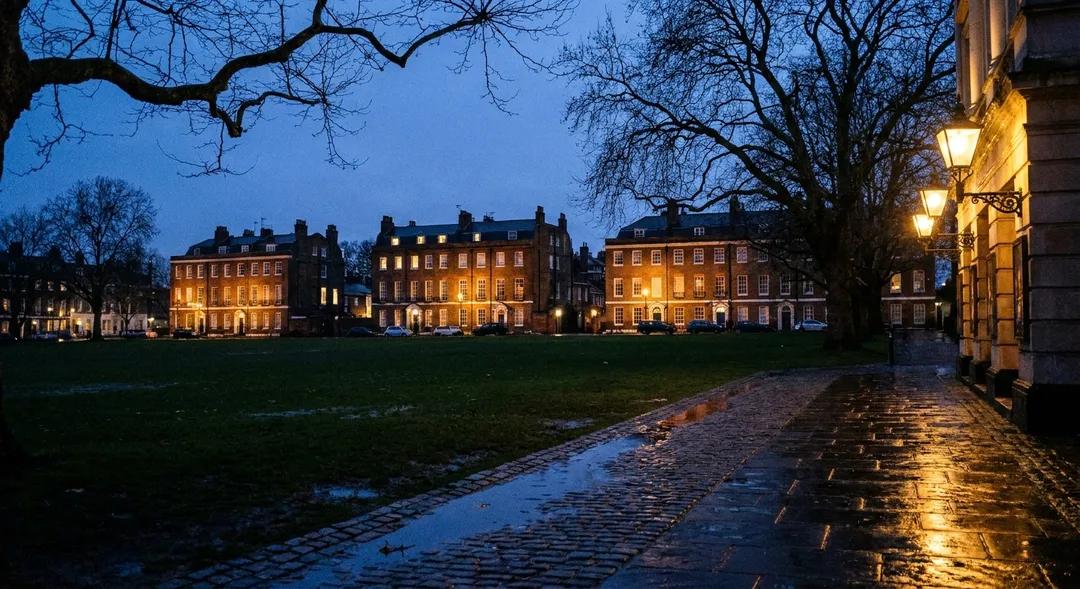
 Richmond Pantomime Evening Planner: Green Walk to Curtain
Weekend Plans
Camden Traditional Tea Ceremony Room: Guest Etiquette Guide
A calm guide to your first seat in a Camden traditional tea ceremony room, from bowing at the door to turning the bowl, then a canal walk up to Primrose Hill.
Most people searching for a traditional tea ceremony room in Camden are not worried about finding matcha, they are worried about doing something wrong once they kneel down. That worry is understandable, because the Japanese way of tea, chado, is full of small gestures, but hosts who run introductory sessions in London expect beginners and build the hour around them. Learn five or six moves before you go, and the rest of the room will carry you.
What Kind of Session to Look For
Camden does not have a single famous tea house on the high street, so most options in and around the area are small private rooms, community centre classes and pop-up sessions run by teachers trained in one of the tea schools. When you compare listings, look for three words. Introductory or taster means a short demonstration with one bowl of thin tea. Practice or keiko means a lesson where you may be asked to whisk. Chakai means a more formal gathering with set roles for guests. For a first visit, the introductory format is the kindest choice.
Before You Arrive
Wear clean socks without holes, because shoes come off at the door and stay off. Loose trousers or a long skirt make kneeling far easier than tight jeans. Leave rings and bracelets in your bag, since metal can scratch an old tea bowl. Skip strong perfume, as scent competes with the incense and the smell of the tea itself. If your knees are stiff, mention it when you enquire. Many London hosts keep a small stool or offer a chair, and nobody minds.
Entering the Room
In a formal tea room the entrance can be low, and in the classic version, the nijiriguchi, guests crawl through a small doorway as a sign that everyone is equal inside. City rooms rarely have one, but the idea survives in how you enter: slowly, without chatter, and with a short pause at the threshold. Many hosts will invite you to look at the alcove first. In that tokonoma there is usually a hanging scroll and a simple flower arrangement, and admiring them quietly for a few seconds is the polite opening move.
Sweets First, Then Tea
Guests are offered a small sweet, wagashi, before the tea arrives. Eat it fully before the bowl reaches you, because its sweetness is there to balance the bitterness of the matcha. In November, expect sweets shaped like autumn leaves, chestnuts or persimmons. Use the small pick provided and the folded paper as a plate. If you are unsure of the order, simply watch the guest beside you and copy them, which is exactly what Japanese first-timers do too.
Receiving and Drinking the Bowl
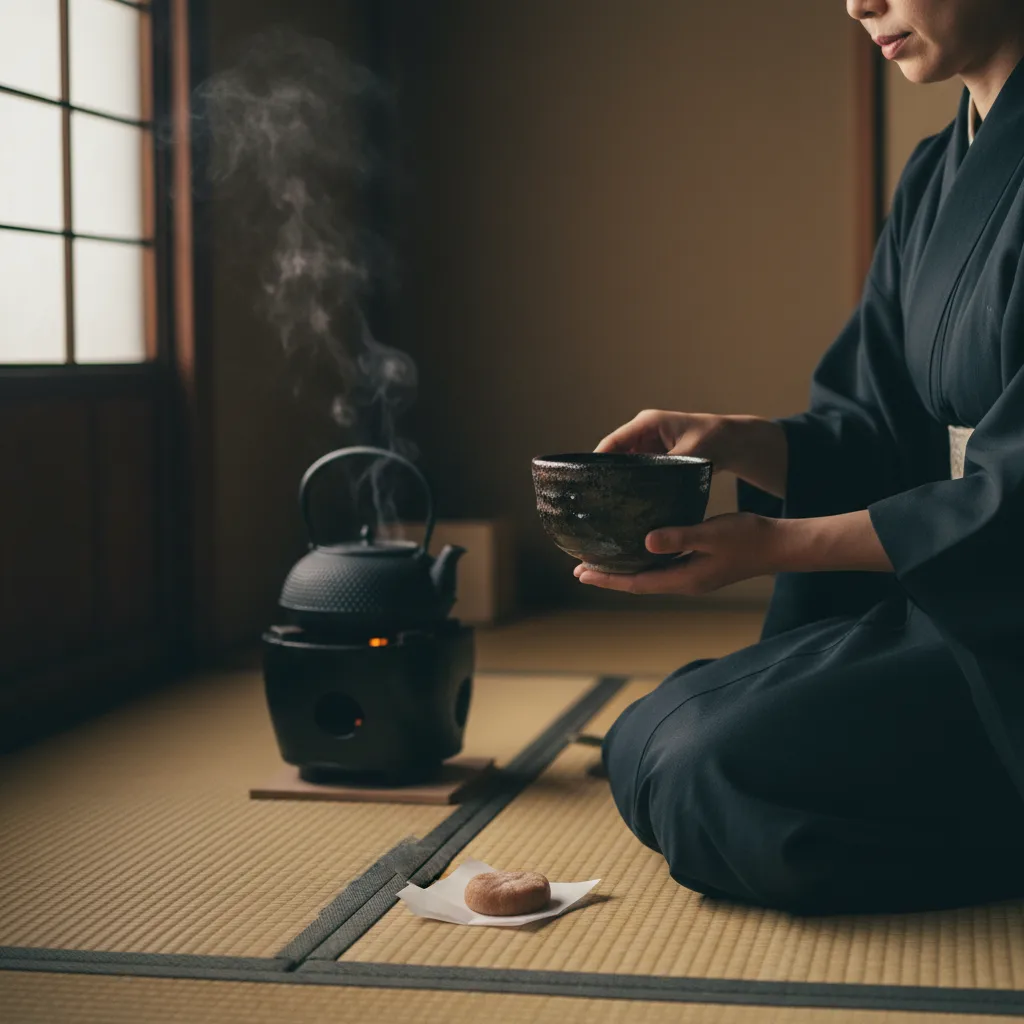
When the bowl is placed in front of you, bow slightly and say a quiet thank you. Pick it up with your right hand, rest it on your left palm, then turn it clockwise two small turns so the decorated front faces away from you. This gesture shows respect for the bowl and the host. Drink thin tea in a few sips, and it is fine to finish with a light slurp, which signals you enjoyed it. Wipe the rim where your lips touched with your fingertips, turn the bowl back, and set it down.
Looking at the Utensils
Near the end, the host may let guests look at the tea caddy and scoop. Handle them low over the tatami, never lifted high, and ask simple questions about the season or the maker of the bowl. These conversations are a big part of the experience, and hosts often share the story of a bowl or a scroll with obvious pleasure. Keep phones away unless the host invites photos, and many do so only after the formal part is over.
Saying Thank You Properly
When the host closes the session, guests usually bow together with hands resting on the tatami. A short thank you for the tea and the sweets is enough, and if a particular bowl or scroll caught your eye, saying so is the warmest compliment you can give. Some teachers welcome a short message afterwards, especially if you want to come back for a lesson. Ask whether the host offers a regular class, because a second visit is where the gestures stop feeling like rules and start feeling natural.
A Gentle Reality Check
A traditional tea ceremony room is quiet, slow and occasionally uncomfortable for knees. If you want a lively social afternoon with cake and conversation, a Japanese cafe with matcha lattes will suit you better, and that is a perfectly good choice. The ceremony rewards people who enjoy stillness, attention to detail and the feeling of a whole hour focused on one bowl. Go in knowing that, and the stillness becomes the point rather than a test.
A Canal Walk to Finish
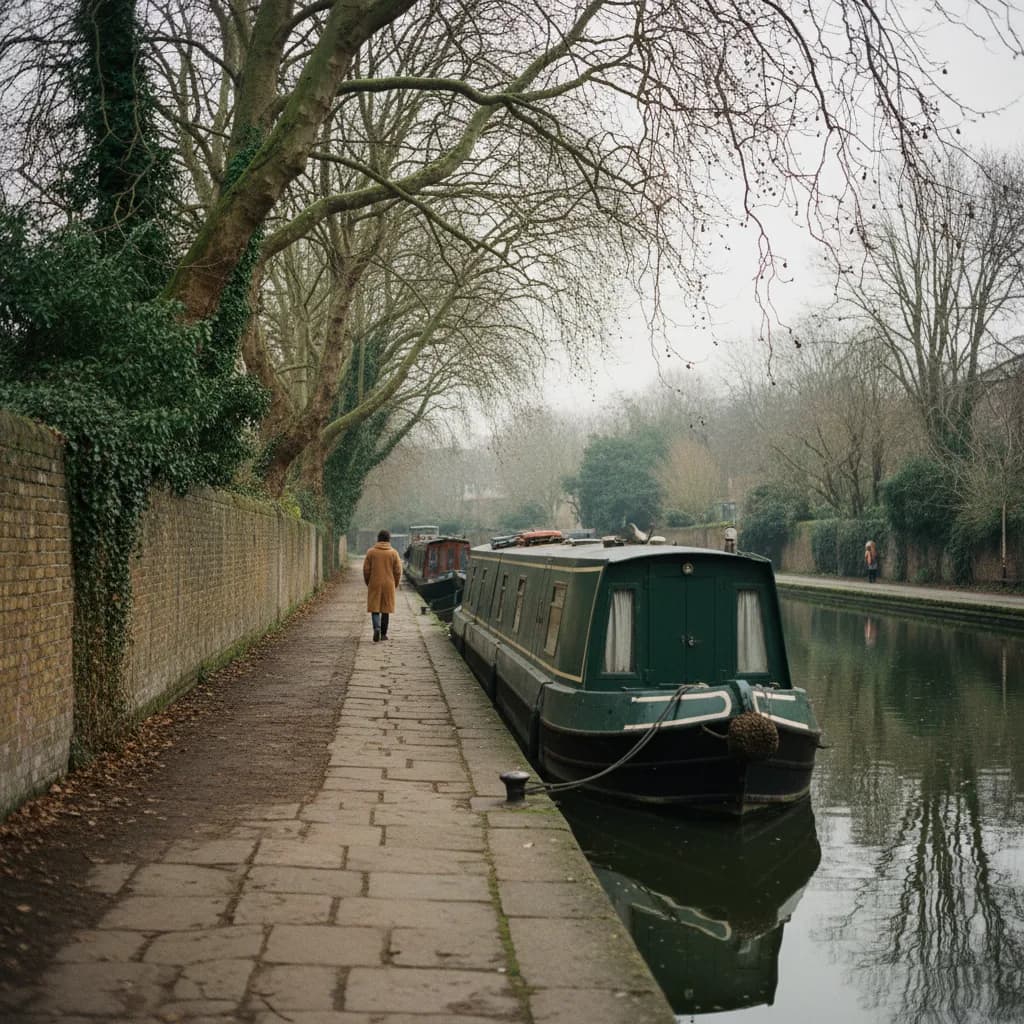
Camden gives you an easy way to come down from that stillness. Pick up the Regent's Canal towpath near Camden Lock, where the twin Hampstead Road Locks still lift narrowboats, and walk west past moored boats and the backs of old warehouses. The canal opened in 1820 to carry goods around the north edge of London, and today the towpath is a calm corridor even when the market is packed. Leave the canal and climb Primrose Hill for one of the best free views of the city skyline, a good place to sit and let the tea settle.
Planning It With Karpo
Ask Karpo for a shortlist of tea ceremony sessions within reach of Camden that suit a beginner, and add any details that matter to you, such as chairs available, English explanation or a weekend slot. Karpo compares the options in plain language and lets you save the ones worth checking. It does not hold places or confirm sessions, so contact the host directly for dates, then keep the canal walk saved next to it as the second half of your afternoon.
Getting There
Camden Town and Chalk Farm stations are both on the Northern line, and Chalk Farm sits closer to Primrose Hill if you plan to end on the hill. Camden Town station can be very busy at weekends, so allow extra time, or walk along the canal from King's Cross, which takes you past Granary Square and some of the quietest stretches of water in north London.
Ask Karpo for more information.
Keep reading
- Richmond Pantomime Evening Planner: Green Walk to Curtain
 Hackney Pantomime Evening Planner: Arch Slices to Curtain
 Wimbledon Pantomime Evening Planner: Broadway to Curtain