 Brixton Vintage Thrift Shop Finder: South London Retro Gems
Hidden Gems & Odd Finds
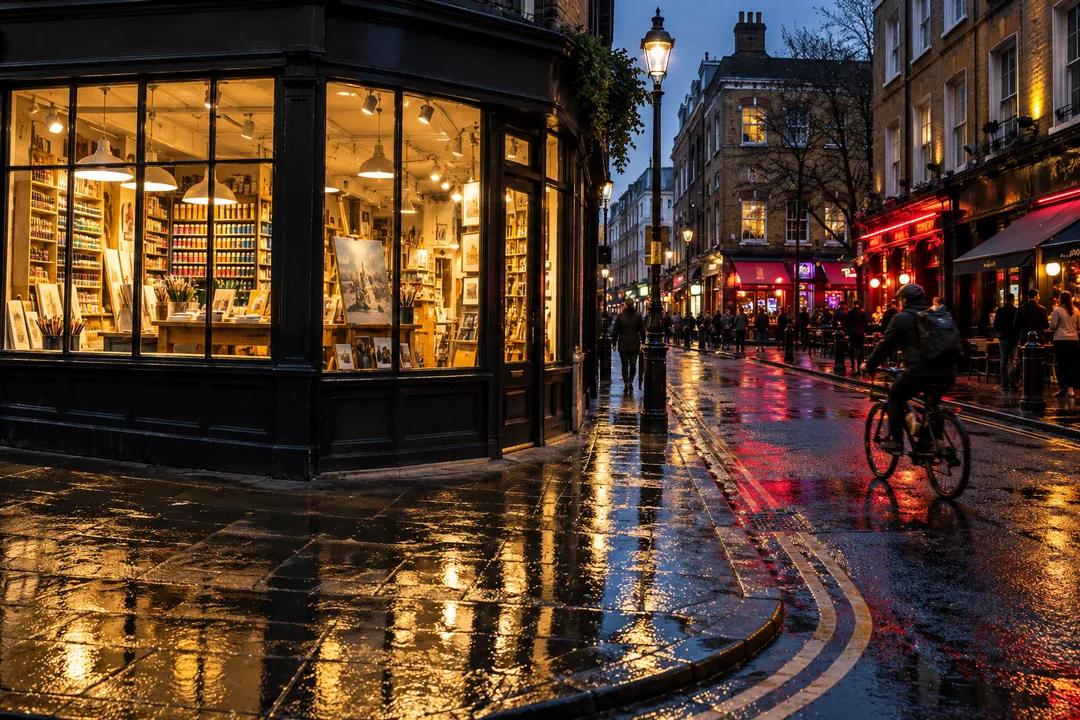
Soho Traditional Calligraphy Supply: A Three-Brush Rainy Kit
Cass Art on Brewer Street suits a Soho brush calligraphy run. Pick a pointed brush, a flat brush and practice paper, then sketch letters around Golden Square.
Cass Art on Brewer Street serves as a central West End hub for artists, illustrators and scribes seeking quality traditional calligraphy supply materials, fine brushes and reliable paper pads. As an established fine art store in Soho, it provides an inspiring setting for brush lettering and script studies: pointed brush Roman capitals, expressive Asian sumi ink exercises and modern signwriting strokes all depend on supple natural or synthetic bristles, responsive sizing and consistent practice.
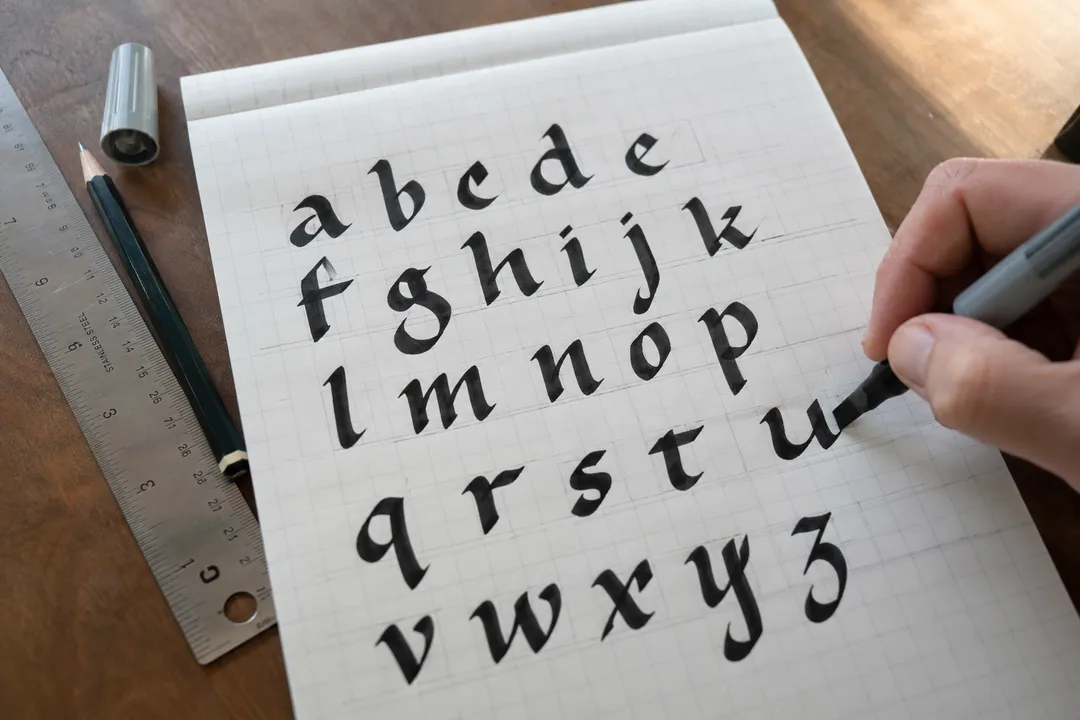
Brush Calligraphy Needs Fewer Tools Than You Think
Beginners tend to buy a dozen brushes and use two. A working kit for traditional brush lettering is three brushes: a medium pointed round for strokes with swell and taper, a flat brush for Roman capitals in the style of Trajan inscriptions, and a small detail brush for serifs and corrections. Add a pot of black ink or gouache, a water jar and a stack of cheap practice paper, and you have everything a first month needs.
The difference between a good and bad brush shows in the point. Ask to wet-test a pointed round if the staff allow it, or at least flick the tip against your palm to see whether it springs back. A brush that splays or keeps a hook after a stroke will fight you on every hairline. Synthetic sable blends hold a point well at moderate cost, and they forgive the heavy-handed first weeks.
Ink or paint is the next choice. Black gouache gives a velvety, opaque stroke that suits Roman capitals and signwriting practice. A bottled black ink flows more freely and suits fast pointed-brush work. For East Asian brush styles, a liquid sumi ink is the easiest starting point before you try grinding a stick on a stone. Keep a second water jar just for rinsing, so your loading water stays clean.
Choosing Paper for Brush Work
Brush calligraphy eats paper. Buy a large pad of inexpensive layout or newsprint paper for drills and accept that you will fill it within days. For finished pieces, a smooth hot-pressed watercolour sheet holds a crisp edge. If you are working in East Asian styles, a thin absorbent paper behaves very differently from Western sheets: ink spreads, strokes cannot be retouched, and each mark becomes final.
Test both before committing. Cass Art keeps practice-grade and artist-grade papers, so buy one pad of each and compare them with the same ten strokes at home. An honest call: skip the pre-made calligraphy starter sets with plastic-handled brushes. They look tidy, but the brushes lose their point quickly, and you end up replacing them within a month.
A Rainy-Day Practice Plan
Soho rain is a good excuse to stay in and practise. Set a session of thirty minutes: ten minutes of single strokes, ten of letter pairs, and ten of one full word copied from an exemplar. Repeat the same word for a week. Repetition on one word shows progress faster than copying a new alphabet each day, and it reveals whether your brush or your hand is causing problems.
Pin your best sheet from each session to a wall and compare them at the end of the week. You will see spacing and stroke weight improve before you feel it. If one stroke keeps failing, return to the shop with that sheet and ask about a firmer or softer brush. That kind of targeted visit is far more useful than browsing.
Light matters on grey London days. Set your sheet near a window or under a daylight lamp so you can see the edge of each stroke clearly, and angle the paper slightly so your arm moves freely. Brush calligraphy is a whole-arm motion rather than a wrist motion, and a cramped table near the radiator will show in every wobbly curve.
Who Shops Here on a Weekday
Brewer Street draws a mix of animators and designers from nearby studios, film and television crews grabbing markers, and tourists who wander in from Carnaby Street. Calligraphers stand out by lingering at the brush racks. The unwritten rule is to return brushes to their slots in size order, because staff restock from the back and a misplaced brush often ends up unsold for weeks.
Late afternoons are the busiest time, when studios finish and people stop in before heading home. Mornings are calmer and better for asking staff to show you brushes from behind the counter. If the shop is full, pick up your paper first and come back to the brush racks once the queue clears.
A Short Soho Loop
Golden Square is a few minutes south-west of Brewer Street, and its benches and plane trees give you a calm spot to sketch letters on a dry day. Walk east toward Berwick Street, where the market stalls and painted shopfronts offer a quick lesson in hand-drawn signage. Soho Square, north of Old Compton Street, is the other green pause, with its mock-Tudor garden hut at the centre.
For lettering study under cover, the National Gallery sits within a comfortable stroll through the West End, featuring Renaissance panels and carved altarpieces whose gilded inscriptions demonstrate centuries of letterform proportion and rhythm. Closer at hand, the historic architectural signs and masonry lettering across Soho provide an open-air archive of vernacular typographic history.
Soho's lettering heritage runs deep. The neighbourhood has long been home to signwriters, printers and type studios, and hand-painted fascias still survive above pubs and shops along Old Compton Street and Dean Street. Treat the walk as a sketching exercise: pick three signs, copy one letter from each with your new pointed brush, and notice how professional signwriters handle spacing.
Practical Notes
Brewer Street connects smoothly to central West End transit links, making a stop here convenient from across London. Pack a protective brush case or rigid sleeve so delicate brush tips are never crushed or splayed inside your satchel, and bring a small water jar if you plan to practice test strokes in nearby squares. Flat paper pads travel most securely when handled last.
Keep the first kit small, practise for two weeks, and return for one upgrade at a time: a better pointed round, then a larger flat brush once your capitals are steady. Ask Karpo APP to plan a rainy Soho afternoon that pairs the shop with a gallery or a café where you can lay out your sheets.
Ask Karpo for more information.
Keep reading
- Brixton Vintage Thrift Shop Finder: South London Retro Gems
 Notting Hill Vintage Thrift Shop Finder: Preloved Rails
 Soho Vintage Thrift Shop Finder: West End Designer Archives