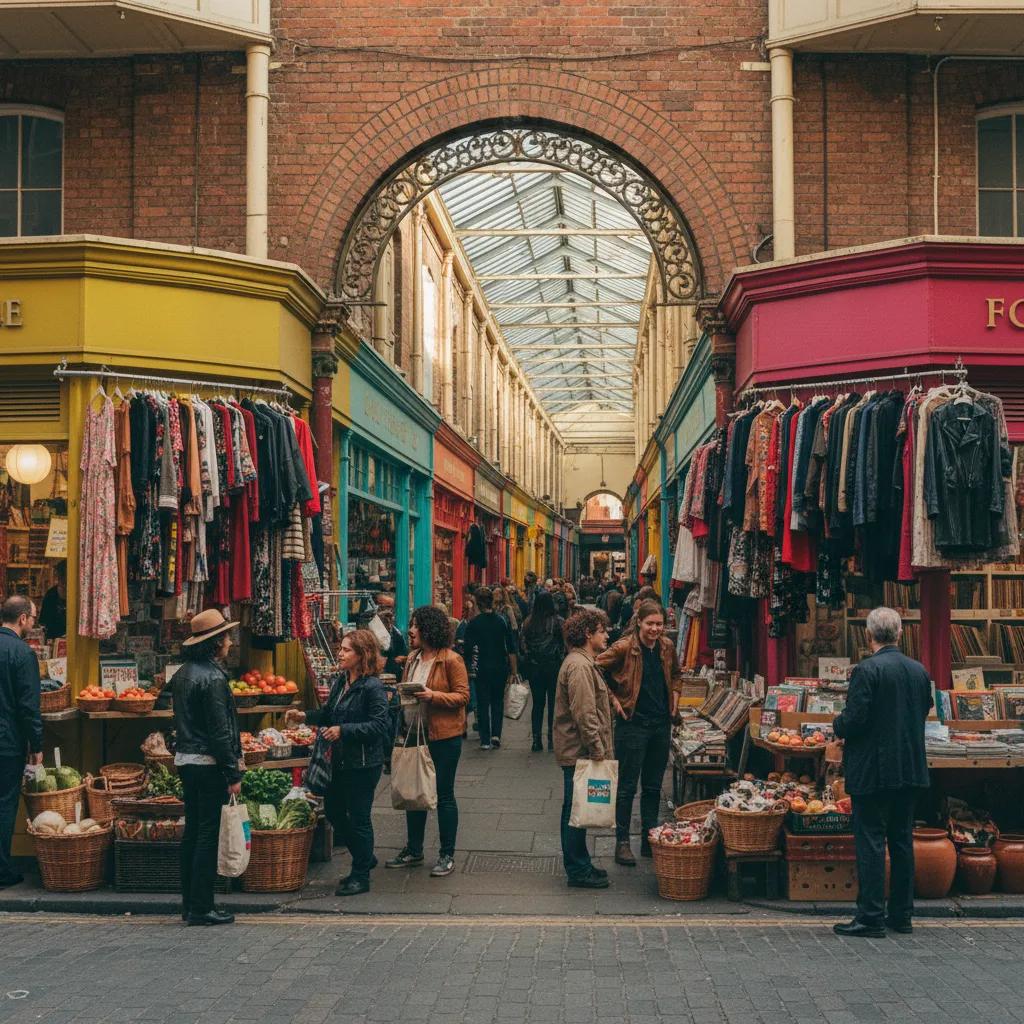
 Brixton Vintage Thrift Shop Finder: South London Retro Gems
Hidden Gems & Odd Finds
Soho Thrift Store Crawl Planner for a Job Interview Outfit
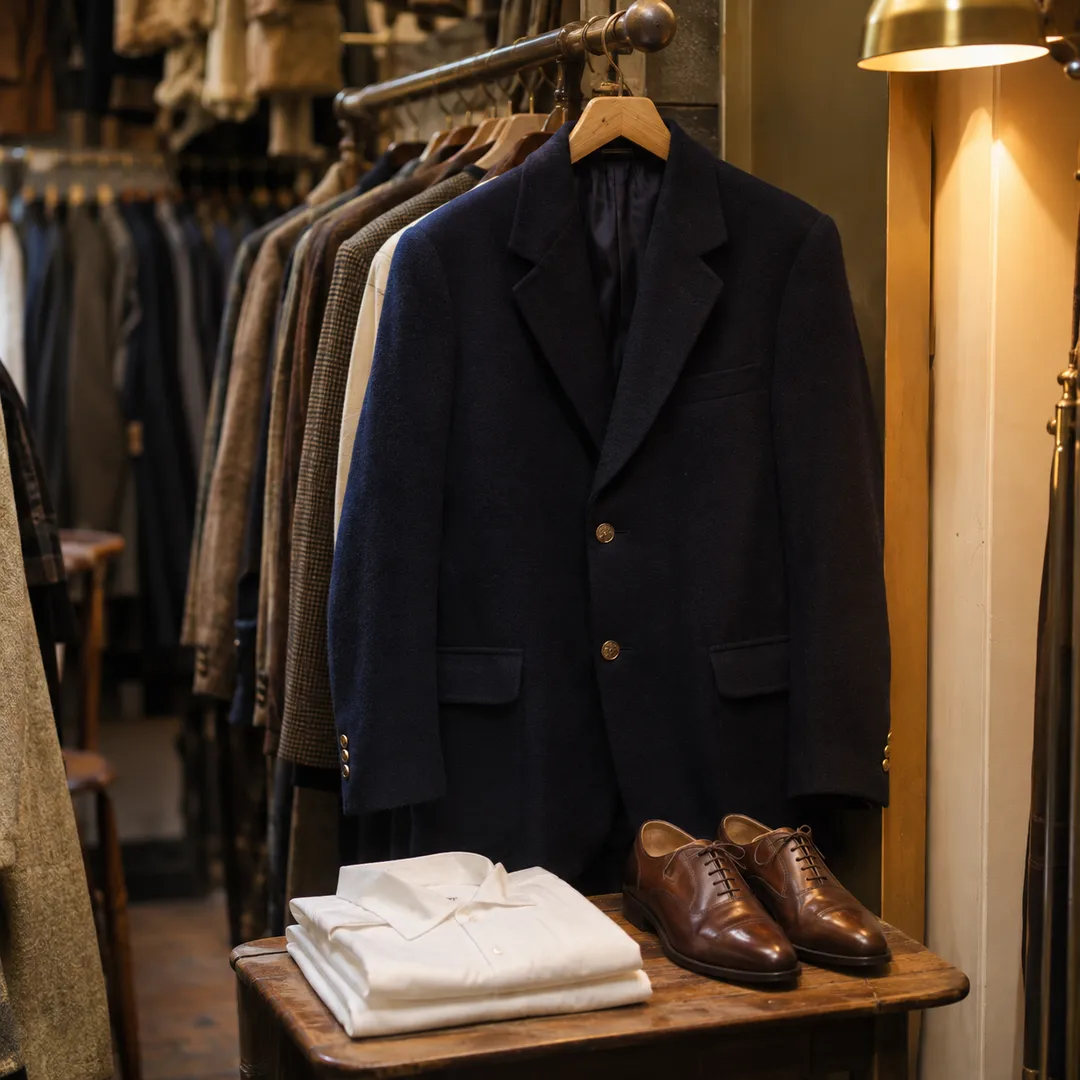
Big interview coming up? Plan a Soho thrift store crawl for a secondhand blazer, trousers and shoes that fit well, then find a tailor for the final tweaks.
An interview outfit is one of the few things most people buy for a single morning, and that is exactly why Soho's secondhand rails make so much sense. The neighbourhood has been London's dressing-up box for generations, home to tailors, costume makers, record shops and vintage dealers squeezed into narrow streets between Oxford Street and Shaftesbury Avenue. A thrift store crawl here can turn up a properly made wool blazer, a pair of trousers with room to be altered and shoes that have already been broken in by someone else. This plan is for anyone with an interview on the calendar and a limited budget who still wants to walk in looking sharp.
Why Soho Is Good Ground for Interview Clothes
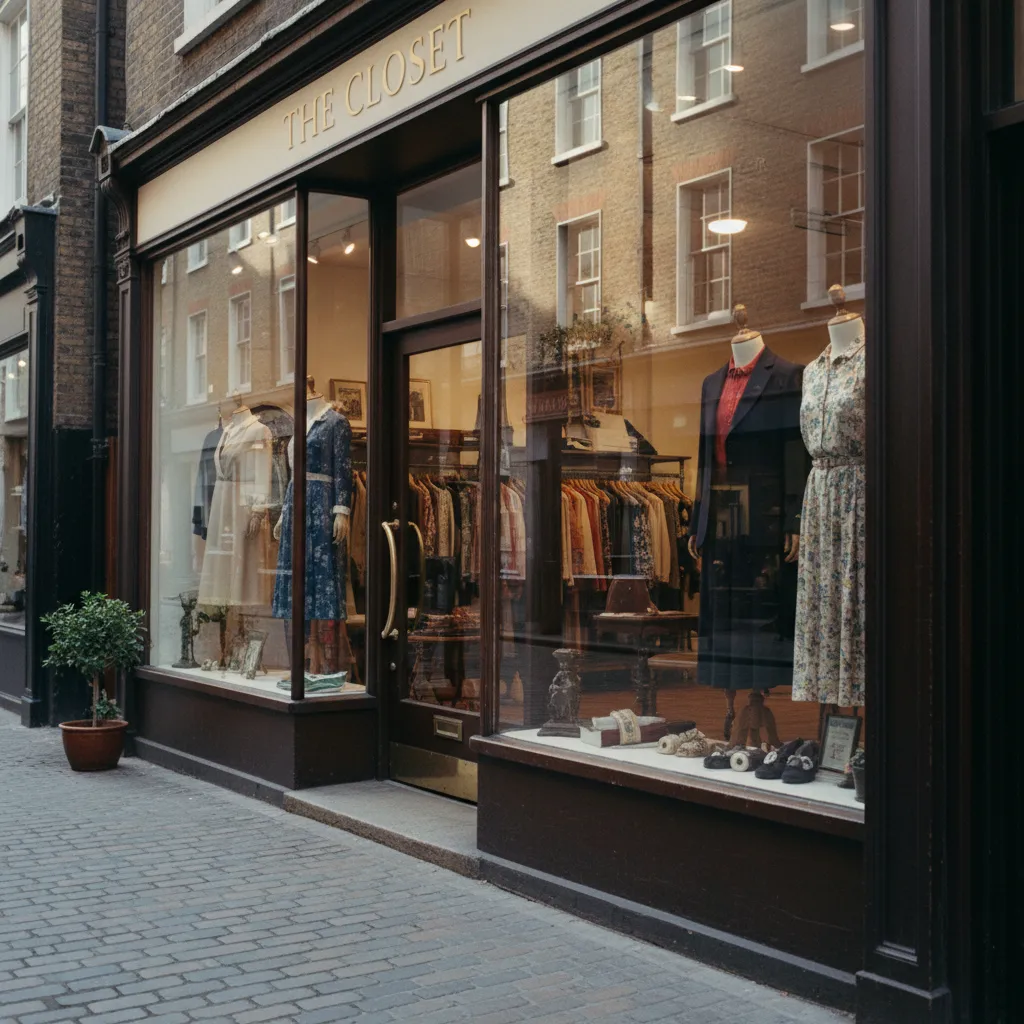
Soho has a long relationship with tailoring. Savile Row sits just across Regent Street, and the habit of well-cut clothing has always spilled east into these streets. That means the vintage and secondhand shops here often carry structured jackets, wool trousers and proper shirts rather than only band tees and party dresses. Some shops curate carefully and hang their best jackets near the front; others pile everything onto tight rails where patience is rewarded.
The other advantage is density. In a short loop around Berwick Street, Broadwick Street and the lanes off Carnaby, you can visit several shops in a morning without crossing a main road too often. When something looks promising, there are alteration workrooms and tailors in and around the neighbourhood who can take in a waist or shorten a sleeve. Few areas let you find, fit and fix a garment within a few streets.
What to Look For on the Rails
Start with the jacket, because it does the most work. Hold it up by the shoulders and look at the seam where the sleeve meets the body. Shoulders are the one thing a tailor struggles to change, so the jacket needs to fit there before anything else. Try it on over the kind of shirt you plan to wear, button it once and lift your arms. If it pulls across the back or the collar lifts away from your neck, put it back and keep looking.
Check the fabric next. Wool and wool blends drape well and shrug off creases after a day in a bag, which helps on a nervous interview morning. Turn the jacket inside out to look at the lining; a few loose threads are easy to fix, but a torn lining across the back is a bigger job. Look at the elbows, cuffs and pocket edges for shine or fraying, since those spots show wear first.
For trousers, length matters less than you think. Hems are among the simplest alterations, so a pair that is too long but fits at the waist and seat is often a better buy than one that seems perfect but sits tight when you sit down. Sit on the fitting room stool and see how they feel. Shoes are worth a slow look too: check that the soles are not worn through and that the heels sit level, then walk a few steps across the shop floor.
Keep an eye out for quieter pieces as well. A plain knitted tie, a simple leather belt or a dark cotton pocket square can finish an outfit without stealing attention, and charity shops often keep these small items in a basket near the till.
A Morning Route Through the Streets
Begin early on a weekday if you can, when the shops are calm and staff have time to help. Start near Oxford Circus and head into the streets around Carnaby, where some of the larger vintage shops keep tailored pieces in sections of their own. Spend your first stop simply looking. Note the jackets that fit your shoulders, even if the colour is wrong, so you learn your size in older cuts.
Drift east toward Berwick Street next. The market stalls and record shops make the walk lively, and the smaller secondhand rails nearby can hide good shirts and knitwear. Take a coffee break in one of the old Italian cafes that have served Soho for decades; it is a good moment to look at photos of what you have tried and decide which pieces belong together.
Finish around Soho Square, where the garden offers a bench for a quiet rethink. If you have found a jacket you love but are unsure, walk a lap of the square before going back. An outfit you still want after five minutes of fresh air is usually the right one.
Getting the Fit Right With a Tailor
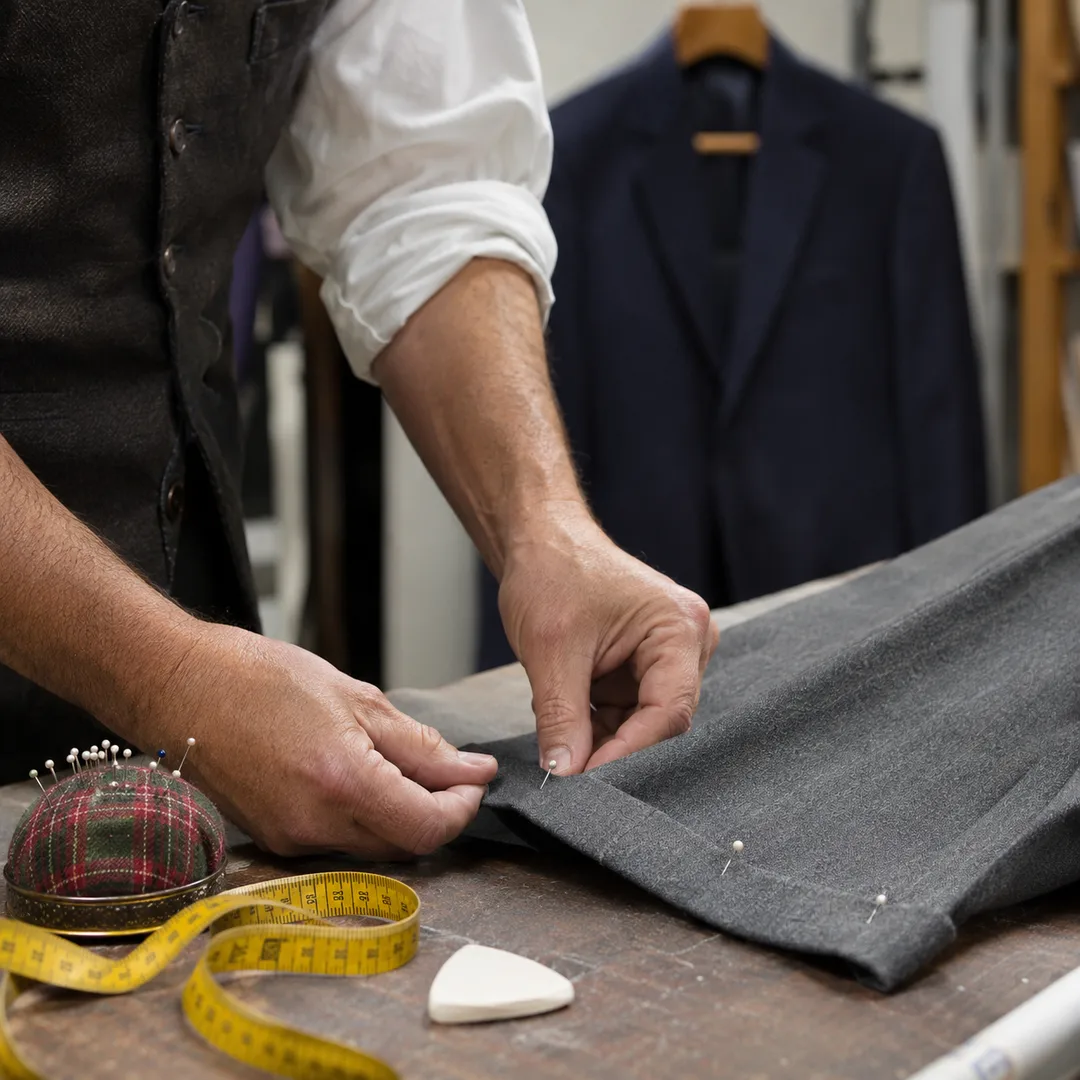
Treat alterations as part of the plan rather than an extra. Bring the shoes you will wear when the tailor pins your trousers, so the hem falls in the right place. Ask for small, reversible changes first: shortening sleeves, taking in a waist or adjusting a hem. These are the tweaks that make a secondhand piece look as though it was made for you.
Leave enough time before the interview for the work to be done and for you to try the finished outfit at home. Wear it for an hour around the flat, sit at a table, stand up, reach for something on a shelf. Interview nerves are easier when you already know how your clothes behave.
Talk to the tailor about the job itself. Someone heading into a creative agency might want a softer, slightly relaxed fit, while a candidate for a law firm or a bank may prefer a cleaner line and a sharper trouser crease. A good tailor in this part of London has dressed people for every kind of room, and a short conversation about where you are going often leads to small suggestions you would never have thought of yourself.
Final Touches Before the Big Day
Give everything a proper refresh. Most secondhand wool responds well to a gentle steam and a night hanging near an open window. Shirts usually come out crisp after a wash and a careful iron, and a polish brings old leather shoes back to life. Replace loose buttons with plain ones if the originals look tired; it is a small change that makes a jacket feel new.
On the morning itself, the story behind your outfit can even help. Many interviewers appreciate a candidate who cares about sustainability and thrift, and knowing your blazer has already lived one working life gives you a quiet confidence. Walk in, sit down comfortably and let the clothes do their job, so you can focus on what you came to say.
Ask Karpo for more information.
Keep reading
- Brixton Vintage Thrift Shop Finder: South London Retro Gems
 Notting Hill Vintage Thrift Shop Finder: Preloved Rails
 Soho Vintage Thrift Shop Finder: West End Designer Archives