 Brixton Vintage Thrift Shop Finder: South London Retro Gems
Hidden Gems & Odd Finds
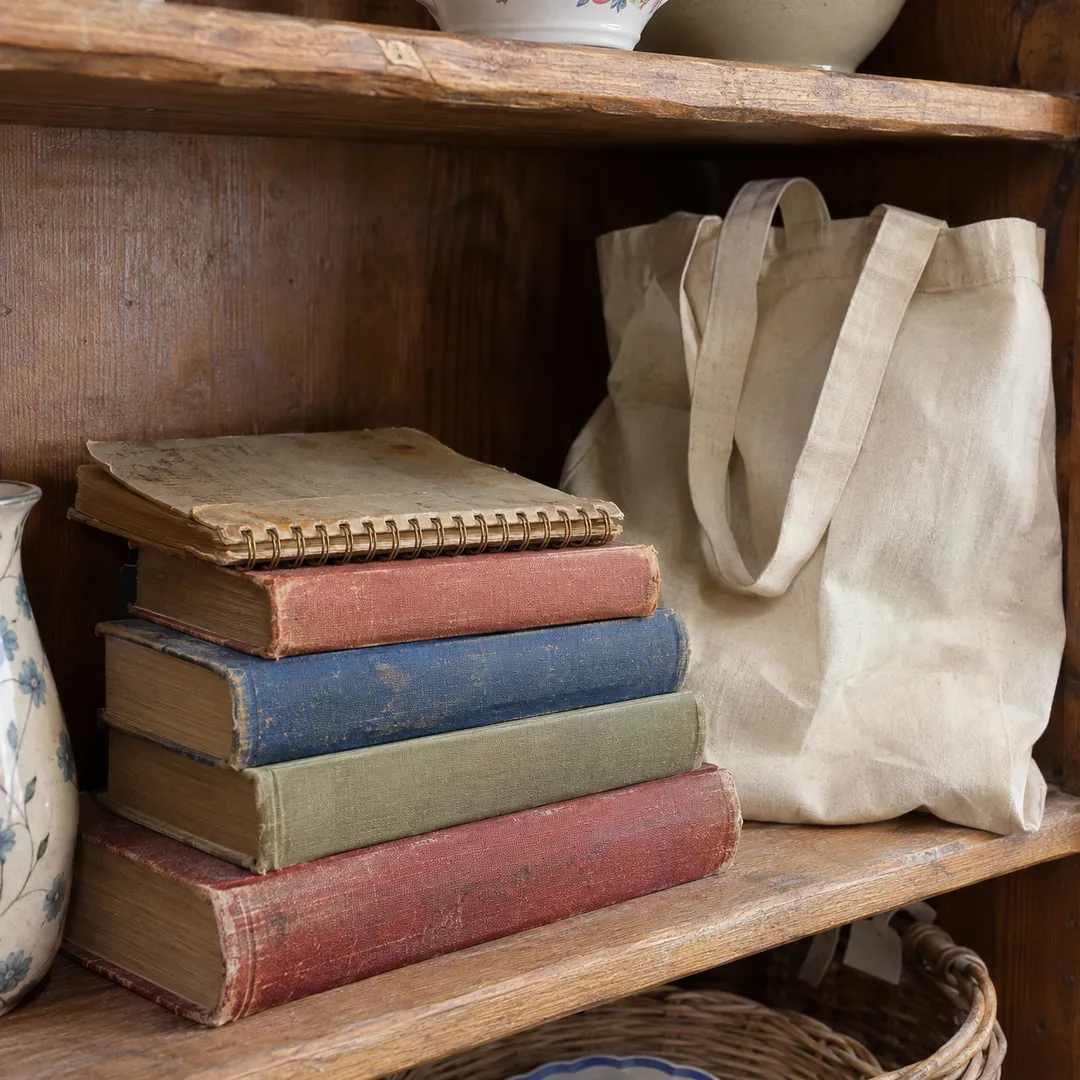
Marylebone Thrift Store Crawl Planner for Old Books
Love the smell of old paper? Plan a Marylebone thrift store crawl for secondhand books and cookbooks, then read your finds on a bench in Regent's Park.
Marylebone is the kind of London neighbourhood that rewards a slow reader. The high street bends gently north toward Regent's Park, the side streets are lined with mansion blocks and mews, and tucked between the delis and the boutiques sit a handful of charity shops that quietly turn over shelves of donated books every week. A thrift store crawl here is less about rails of clothes and more about paper: old cookbooks, battered paperbacks, travel guides from another era and the occasional hardback with a stranger's inscription inside the cover. This plan is for book lovers who want a full, unhurried day of browsing, with a park bench waiting at the end.
Why Marylebone Suits a Bookish Thrift Crawl
The donations in Marylebone charity shops tend to reflect the people who live nearby. Many residents have lived in the same flats for decades, and when a household downsizes, the books go to the shop on the corner. That gives the shelves a particular flavour. You find well-kept biographies, art catalogues, poetry collections, classic novels in sturdy editions and, above all, cookbooks that were actually cooked from. Splashes on the pages and pencilled notes like 'less sugar' or 'Mum's favourite' are part of the charm.
The neighbourhood is also gentle on the feet. The high street and its side lanes form a compact loop, so you can drift between shops without ever feeling far from a cup of tea. When the bag gets heavy, Regent's Park is a short walk north, and its benches by the boating lake make a natural reading room. Few parts of central London let you go from browsing to sitting under trees so easily.
How to Read a Charity Shop Bookshelf
Charity shop shelves are rarely sorted the way a bookshop is. Some volunteers arrange books by author, others by colour, and many simply squeeze new donations wherever there is space. The trick is to scan spines quickly at eye level first, then crouch for the bottom shelf, where heavy hardbacks and cookbooks often end up. Larger formats sometimes live on a separate stand near the till or in a basket by the door, so look around the whole room before deciding a shop has nothing for you.
Once a spine catches your eye, open the book before you fall for it. Flick through to check that the pages are all there and the binding holds. Look inside the front cover for an inscription or a bookplate; these small traces of a previous owner are often what makes a secondhand book feel like a find rather than a purchase. Smell matters too. A faint, sweet old-paper smell is lovely, while a musty, damp one tends to spread to the rest of your shelf at home.
Cookbooks deserve their own method. Turn to the recipes that fall open naturally, because those are the pages someone used most. If the margins are full of notes, you are holding a record of a real kitchen, and those annotated copies are often far more useful than a pristine one. Many readers end up collecting cookbooks from a single decade or region simply because the handwriting inside tells such good stories.
A Gentle Route Through the Neighbourhood
Start at the southern end of the high street in the morning, when the shops are calm and the volunteers have had time to put out the latest donations. Work your way north slowly, stepping into each charity shop you pass and giving it ten unhurried minutes. Resist the urge to buy the first good book you see; carry a mental list and come back on the return walk if it still calls to you.
Between shops, wander into the side streets. The mews behind the main road have cobbles, painted doors and window boxes that make a pleasant break for tired eyes. Many readers like to pause in a small cafe halfway along the route, spread the morning's finds on the table and decide which ones are keepers. It is a good moment to put back anything you bought on impulse, since most charity shops are happy to see a book return to the shelf for someone else.
Toward the northern end, the streets open toward Marylebone Road and the park beyond. If you have energy left, loop back down a parallel street on the way home; the shops you missed on the first pass might hold the book you were really looking for.
Ending the Day in Regent's Park
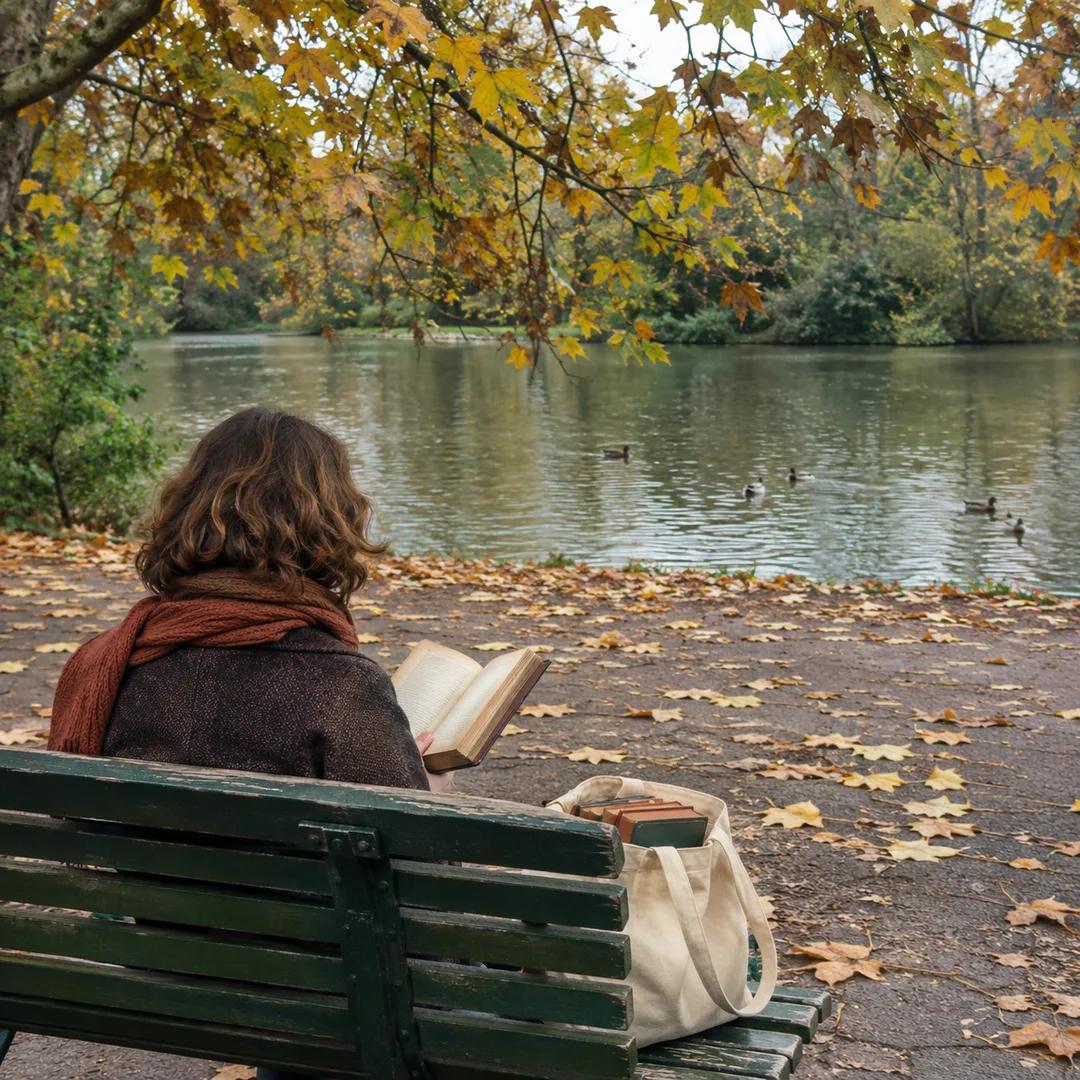
The best part of a book crawl is the first chapter. Cross into Regent's Park and find a bench near the boating lake or along one of the tree-lined paths. In late autumn the plane trees drop wide golden leaves and the light comes in low and soft, which is ideal for reading the opening pages of something you have just rescued from a shelf. Bring a scarf; the park benches get cool quickly once the sun drops behind the trees.
If you came with a friend, swap books for a few minutes and read each other's favourite page aloud. It is a surprisingly good way to end a day of hunting, and it often settles the question of which of you gets to borrow the other's find first.
Practical Tips for Carrying Books Home
Books are heavy, and a crawl can turn a light tote into a shoulder ache by early afternoon. Bring a sturdy bag with a wide strap, or better, a small backpack that spreads the weight. A cloth wrapper or a spare jumper keeps older dust jackets from rubbing together on the way home.
Set yourself a limit before you start, such as one book per shop or a single bag for the whole day. It sounds strict, but it forces you to choose the book you will actually read, and it keeps your shelves at home from overflowing. Charity shops also welcome donations, so many regulars bring a few books they have finished and leave them behind as they go. It is a tidy way to keep the cycle turning and to make room for the next find.
Finally, write a short note inside the cover of anything special: where you found it and the day you sat with it in the park. The next person who picks up that book, years from now, will enjoy that small trace of your afternoon as much as you enjoyed someone else's.
Ask Karpo for more information.
Keep reading
- Brixton Vintage Thrift Shop Finder: South London Retro Gems
 Notting Hill Vintage Thrift Shop Finder: Preloved Rails
 Soho Vintage Thrift Shop Finder: West End Designer Archives