 Brixton Vintage Thrift Shop Finder: South London Retro Gems
Hidden Gems & Odd Finds
Walthamstow Thrift Shop Crawl Planner for Retro Furniture
Plan a Walthamstow thrift crawl for retro furniture: measure first, hunt charity shops and market stalls, test drawers and joints, then rest at Lloyd Park.
Furnishing a first home is exciting until the delivery quotes and flat-pack boxes arrive. Walthamstow offers a better way. Its long street market, charity furniture shops and second-hand dealers are full of sturdy wooden pieces from the middle of the last century, the kind that were built to last and still look good today. A thrift shop crawl here can turn an empty flat into a home with character. This plan is written for a couple furnishing their first place together, but it suits anyone who prefers solid teak, patterned fabric and a good story over another trip to a furniture superstore.
Why Walthamstow Suits Furniture Hunters
Walthamstow has a strong connection to design and craft, and the area's homes have been filled with well-made furniture for generations. When people downsize or move away, much of it finds its way into local charity shops and second-hand dealers. Mid-century sideboards, dining chairs, coffee tables and bookcases are common sights, often at a fraction of the effort of hunting online.
The neighbourhood also has a long market street and plenty of space between shops, so you can see a lot in one day. The pace is friendly and unhurried, and many volunteers and dealers are happy to talk about where pieces came from. For a couple making joint decisions, that relaxed atmosphere makes the whole process feel less stressful.
Measure Everything Before You Leave
The night before, measure every room you plan to furnish, including the width of doorways, the turn at the top of the stairs and the space beside the radiator. Write the measurements on a single sheet or in a shared phone note, and take a photo of each room. These numbers are the difference between a lovely find and a sideboard stuck in the hallway.
Agree on a short list of priorities together, such as a dining table and four chairs, a sideboard and a reading chair. Decide which pieces matter most and which can wait for another day. Bring a tape measure, a notebook and some small sticky notes to mark pieces you want to discuss. Wear comfortable shoes, because furniture hunting involves a lot of standing.
Start With the Charity Furniture Shops
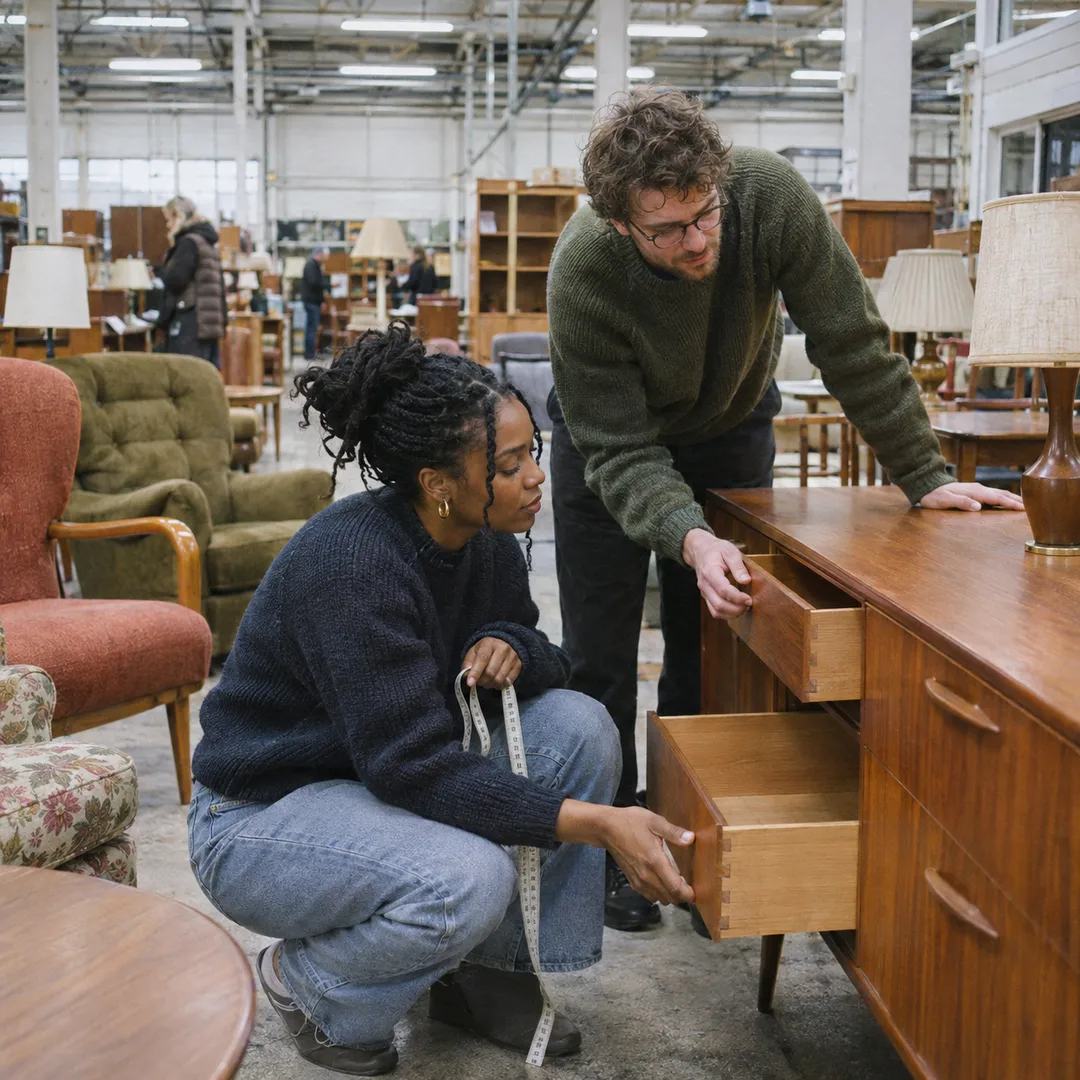
Begin at the larger charity shops that specialise in furniture and household goods. They often have bright, spacious floors where you can see pieces properly and try them out. Walk the whole shop together first without stopping, then go back to the pieces that caught both of your eyes. Discuss each one quickly and honestly before moving on.
Ask volunteers how often new furniture arrives and whether they hold pieces for a short time. Some shops have a waiting list or a delivery service, though this depends on the shop. Take photos of the pieces you like, along with their size, and note where they are in the shop. You will want to compare options before committing to anything heavy.
Walk the Market Street for Small Finds
From the furniture shops, head to the market street. Stalls sell everything from fabric and kitchenware to plants and household odds and ends, and some traders deal in old ceramics, glass and lamps. This is the place for the small finishing touches that make a room feel lived in, such as a patterned vase, a set of retro glasses or a brass lamp.
Patterned fabric is worth looking for here too. Walthamstow is closely linked with the history of leafy, flowing textile design, and the William Morris Gallery nearby is a lovely detour if you want inspiration. Remnants of patterned cloth can become cushion covers, a tablecloth or a seat pad for a thrifted chair, giving the room a consistent look.
How to Test a Secondhand Piece
Solid furniture is easy to check if you know what to look for. Open and close every drawer and door, and look at the joints inside. Dovetail joints and smooth runners are signs of good craftsmanship. Press down on table tops and chair seats to check for wobbles. Turn chairs over to see whether the legs are glued or screwed and whether any are loose.
Look closely at veneer, especially on mid-century teak. Small chips and scratches can be sanded and oiled, but large lifting areas are harder to fix. Smell drawers for damp and check the backs of cabinets for signs of woodworm, which show as tiny round holes. A little care goes a long way, but serious damage is rarely worth the effort.
A Break in Lloyd Park
When you have seen the main shops, walk to Lloyd Park and find a bench by the moat or under the trees. Spread out your notes and photos and talk through the options. Furniture decisions are easier away from the pressure of the shop floor, and fresh air helps. Grab a hot drink from a nearby cafe and enjoy the calm for a while.
Use this pause to match pieces to rooms. Hold up the photo of your living room next to the photo of a sideboard and imagine it in place. Check the measurements again. If you both still love a piece, go back for it. If either of you hesitates, let it go. There will always be another sideboard on another Saturday.
Getting It Home and Bringing It Back to Life
Large pieces need a plan for the journey home. Ask the shop about delivery, borrow a friend with a car or book a local man and van. Bring blankets and straps to protect wood during the move. Carry pieces carefully through doorways and up the stairs, and take drawers out before lifting a sideboard or chest to make it lighter.
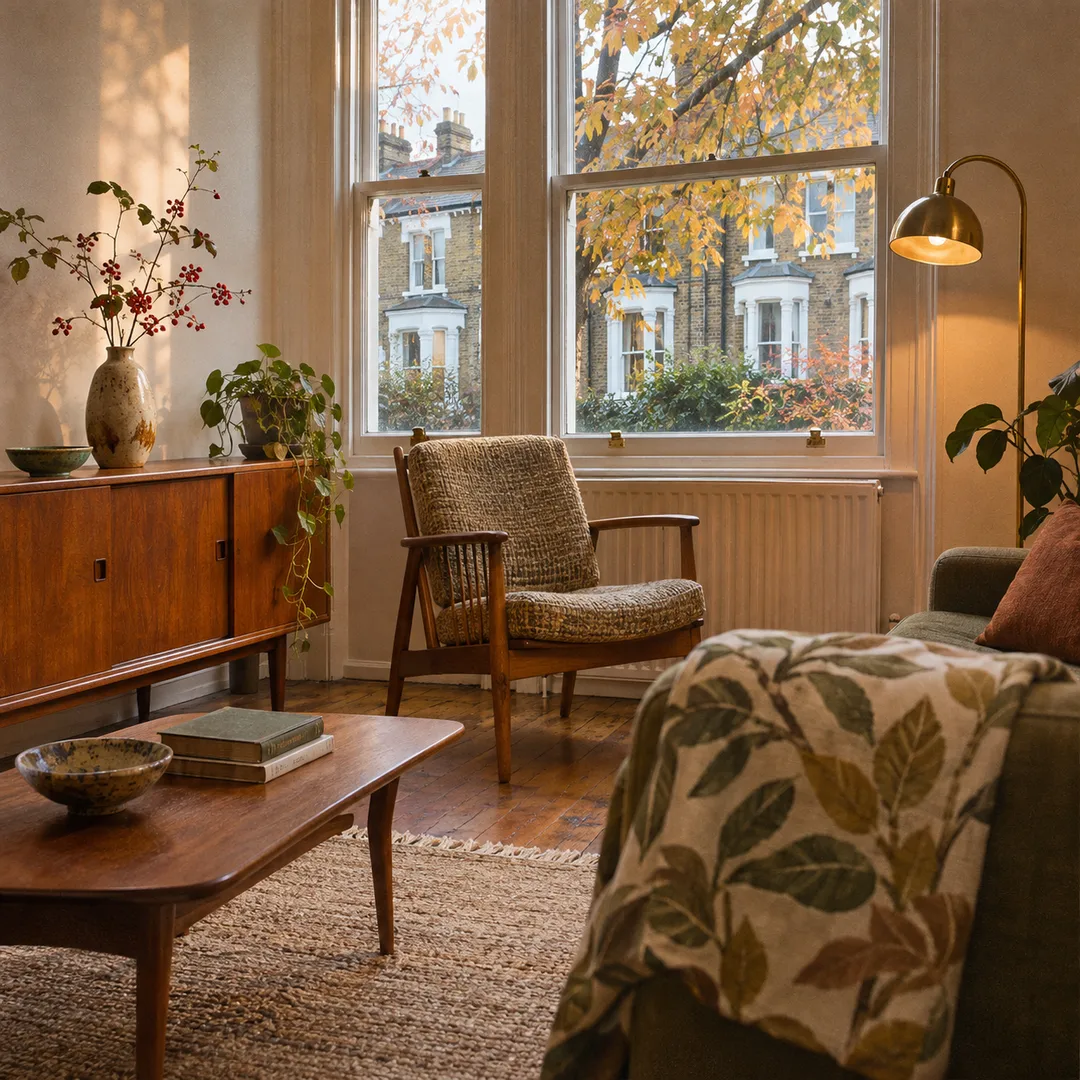
At home, clean wood with a soft cloth and a mild soap solution, then let it dry. Teak responds well to a thin layer of teak oil, which brings back its warm colour. Tighten loose screws, glue wobbly joints and replace worn handles if needed. Within a weekend, your secondhand pieces will look as though they were made for your rooms.
Using Karpo APP to Plan the Crawl
Tell Karpo APP what rooms you are furnishing, the pieces on your list and how much time you have, and ask it to plan a route through Walthamstow's charity furniture shops and market street with a break in Lloyd Park. You can also ask it for a detour to the William Morris Gallery if you want design inspiration on the way.
Karpo APP will not hold furniture or contact shops for you, so keep those conversations in person. What it does well is give the day a clear shape, with a sensible order, a calm break and time to decide together. That leaves your attention for the best part, which is finding the piece that makes a new flat feel like home.
Ask Karpo for more information.
Keep reading
- Brixton Vintage Thrift Shop Finder: South London Retro Gems
 Notting Hill Vintage Thrift Shop Finder: Preloved Rails
 Soho Vintage Thrift Shop Finder: West End Designer Archives