 Brixton Vintage Thrift Shop Finder: South London Retro Gems
Hidden Gems & Odd Finds
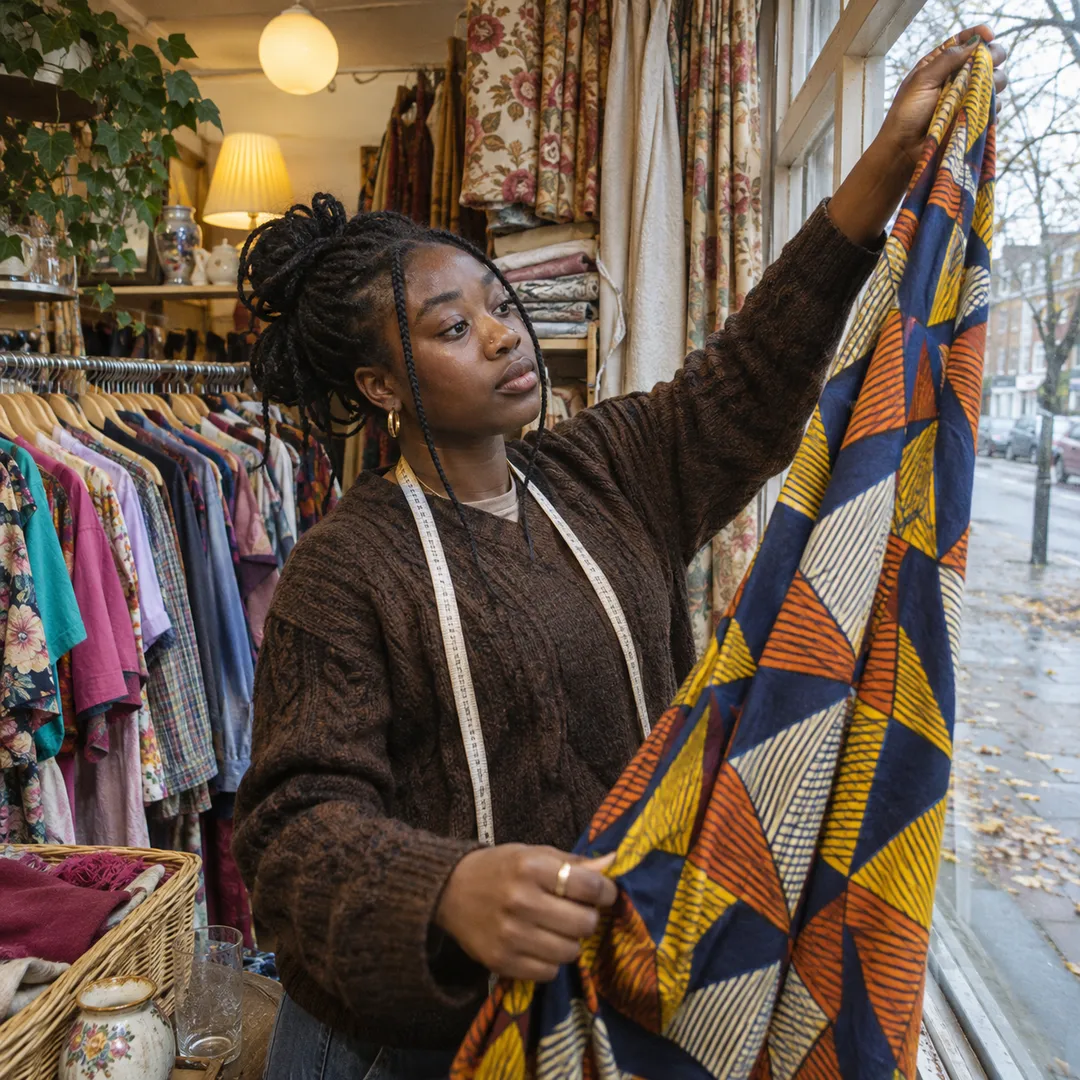
Peckham Thrift Shop Crawl Planner for Sewing and Upcycling
Plan a Peckham thrift crawl for sewing projects: hunt charity rails for fabric, browse the bright cloth stalls of Rye Lane and sketch ideas in Peckham Rye Park.
Peckham is the kind of place where a thrift shop crawl can turn into a sewing project before you get home. The charity shops here are full of oversized shirts, unloved curtains and duvet covers in loud prints, and the busy high street around Rye Lane is lined with stalls and shops selling colourful cloth by the length. This plan is for makers, menders and anyone learning to sew who wants to shop secondhand first and buy new fabric only when they must.
Why Peckham Suits Makers
The area has long had a strong West African and Caribbean community, and fabric is part of everyday life on its streets. You will see wax prints, lace and brocade in shop windows, tailors working behind narrow counters and plenty of people wearing clothes they had made. That culture of making things fit, and making things last, sits comfortably next to the charity shops and vintage rails of a neighbourhood that also draws artists and students.
For a maker, this mix is gold. A secondhand shirt can give you a metre of soft cotton for a lining, a curtain can become a tote bag or a skirt, and a small offcut of bright print can patch the knee of your favourite jeans. Peckham gives you the raw materials, the inspiration and the people who know how to use them.
Choose One Project Before You Go
Pick a single project for the day, such as a tote bag, a patchwork cushion cover, a simple skirt or a set of napkins. Write down how much fabric you roughly need and what kind of weight it should be. Heavy cotton or canvas works for bags, while softer cloth suits clothing. Without a project you will buy too much, and the pile will sit in a cupboard for a year.
Pack a cloth tape measure, a small pair of scissors for loose threads, a notebook and a couple of sturdy bags. Wear something with pockets and comfortable shoes, since you will be on your feet for a while. Take a photo of your sewing machine settings or pattern pieces if you have them, so you can judge sizes quickly as you browse.
Hunting Fabric on the Charity Shop Rails
Start in the charity shops along the busier shopping streets, and look past the clothes for the homeware corner. Curtains, tablecloths, bed sheets and duvet covers give you the most fabric for a single piece. Check both sides for fading or stains, and hold the cloth to the light to look for thin patches. Large men's shirts in good cotton are another favourite, since they are easy to cut into panels.
Read the labels when you can. Cotton, linen and wool are easier to sew and wash than slippery synthetics, especially for a beginner. Rub the fabric between your fingers to feel its weight. If a garment has beautiful buttons or a sturdy zip, count it as a bonus, because notions are expensive to buy new and easy to reuse.
The Colourful Cloth Stalls of Rye Lane
Once you have your secondhand base, walk along Rye Lane and the surrounding streets to see the fabric shops and market stalls. Bolts of wax print, lace and shiny brocade line the doorways, and the colours are a joy even if you only look. If your project needs a bold contrast panel, a lining or a set of pockets, this is where to find a small piece to finish it.
Ask shopkeepers about offcuts or remnants left over from larger orders. Many will happily sell a short length or point you toward a tailor who might have a bag of scraps. Take your time, talk about what you are making and listen to their tips. People here often know exactly which print works for a headwrap, a dress or a cushion.
Upcycling Ideas for Your Finds
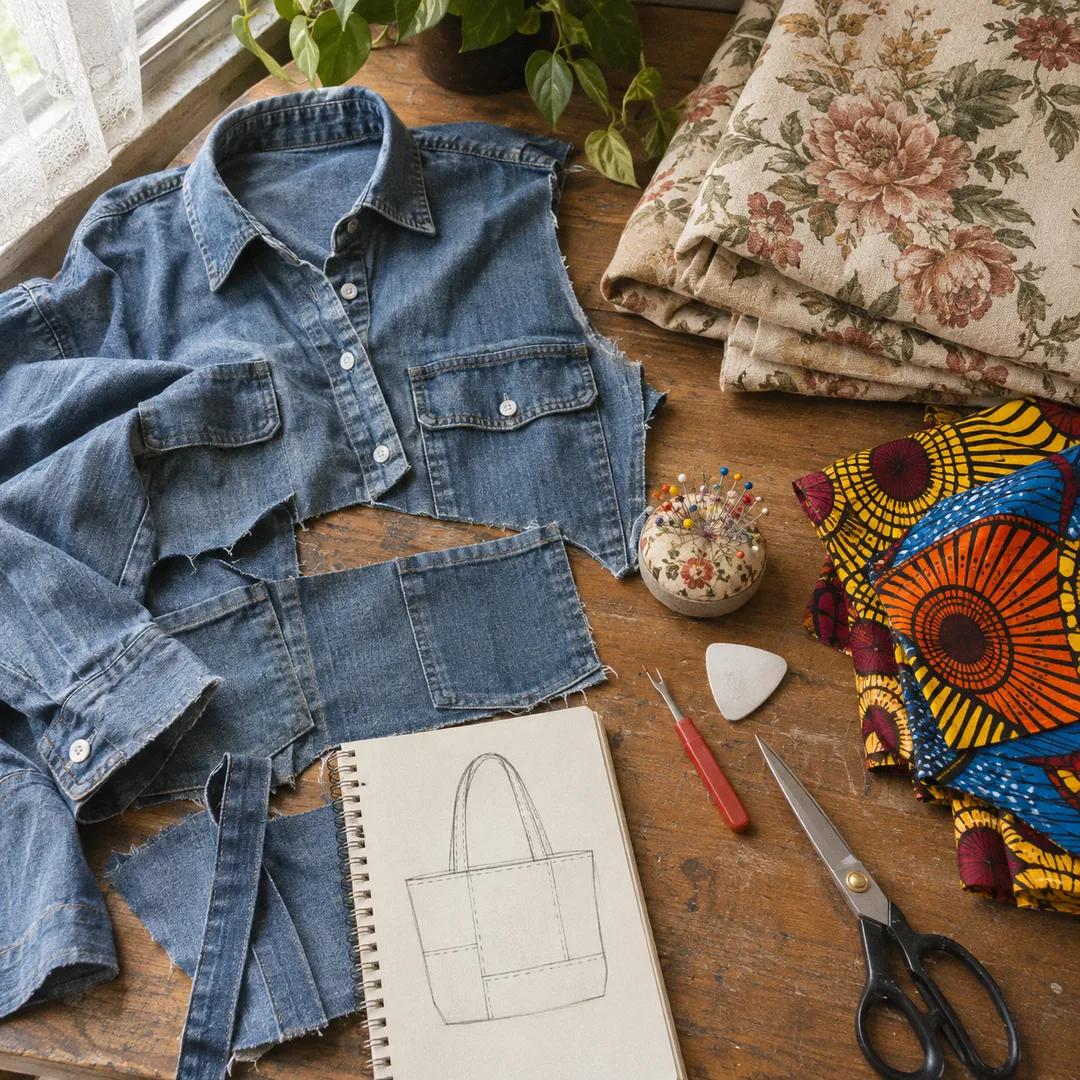
An oversized denim shirt can become a tote bag with the original pocket left on the front, or a child's apron with the sleeves used for straps. A floral curtain can turn into a wrap skirt, a set of napkins or a cushion cover with a contrasting print border. A small square of wax print can become a patch, a pocket or a bright lining for a jacket that feels a little tired.
Mixing old and new keeps your projects interesting. Pair a faded secondhand linen with a strong print offcut, or a striped shirt with plain canvas. If you are a beginner, start with straight seams and simple shapes, then grow from there. A notebook of sketches from the day helps you remember the ideas that came to you on the rails.
A Sketching Break in Peckham Rye Park
By the afternoon, walk to Peckham Rye Park and find a bench near the gardens or the lake. Lay your fabric out, take photos in daylight to see true colours and sketch a simple plan for each piece. Grab a coffee or a warm snack from a nearby cafe. This calm pause helps you match prints, plan cuts and decide whether you are missing anything.
If the weather turns, head back toward the high street and duck into a cafe or the arts spaces in the old industrial buildings nearby. Peckham has a lively creative scene, and seeing what local artists are making can spark new ideas for your project. Keep your bags close and let the busy streets carry you home when you are ready.
Preparing and Washing Secondhand Fabric
Before you cut anything, wash every piece of secondhand fabric, even if it looks clean. Use a gentle cycle for delicate cloth, and wash bright prints separately the first time in case the dye runs. Dry flat or hang to dry, then press with an iron to make cutting easier. This step also shows you any shrinkage before the pieces become a finished item.
Unpick seams carefully on shirts and curtains with a seam ripper, and save threads, buttons and zips in a small tin. Mark your pattern pieces with tailor's chalk and cut on a flat surface. If a project feels too big, ask a local tailor for help with the trickiest parts. Sharing the work is part of how making culture has always grown.
Using Karpo APP to Shape the Crawl
Before you head out, tell Karpo APP what you are making and the kind of fabric you hope to find, for example a canvas tote bag with a bold print lining. Ask it to suggest a walking order through Peckham's charity shops and fabric streets, with a sketching stop in Peckham Rye Park, so the day flows instead of zigzagging between corners.
Karpo APP can also suggest nearby secondhand and craft spots in other parts of South London if Peckham is thin on fabric this week. It will not reserve pieces or contact shops for you, so keep those conversations in person. What it gives you is a clear plan, leaving your attention free for the best part, which is turning old cloth into something new.
Ask Karpo for more information.
Keep reading
- Brixton Vintage Thrift Shop Finder: South London Retro Gems
 Notting Hill Vintage Thrift Shop Finder: Preloved Rails
 Soho Vintage Thrift Shop Finder: West End Designer Archives