 Brixton Vintage Thrift Shop Finder: South London Retro Gems
Hidden Gems & Odd Finds
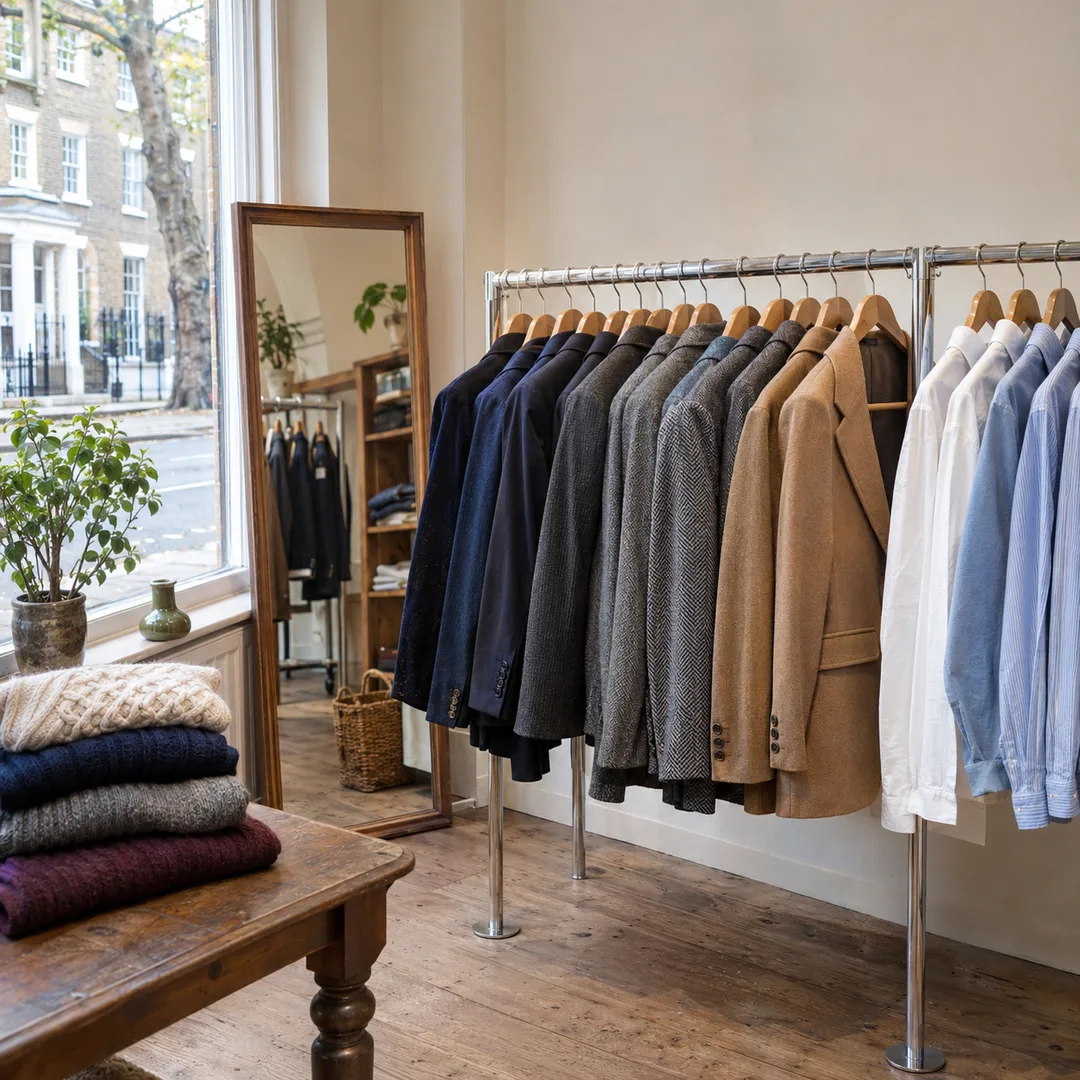
Marylebone Thrift Shop Crawl Planner for Work Wardrobes
Plan a Marylebone charity shop crawl to build a work wardrobe: tailoring, knitwear and leather shoes from the high street, then a fitting check in the park.
A Marylebone thrift shop crawl planner is the quiet answer to a common London problem: a new job starts on Monday and the wardrobe still says student or weekend. Marylebone is one of the city's most comfortable places to solve it secondhand. The neighbourhood's charity shops sit along a village-like high street and its side lanes, and the donations reflect the households around them, which means tailoring, cashmere, good shirting and proper leather shoes turn up far more often than in a typical bargain rail. The trick is to arrive with a plan rather than a vague hope.
Why Marylebone Donations Lean Smart
Marylebone has long been home to doctors from the Harley Street clinics, lawyers, consultants and families who dress for the office and clear out their wardrobes with each change of season. Much of what they no longer wear ends up a few doors away in the local charity shops, often barely worn and sometimes still carrying the crease from the dry cleaner. That steady flow is why people who work in the West End treat a lunchtime lap of these shops as a habit rather than a gamble.
The shops themselves feel more like small boutiques than jumble rooms. Volunteers sort menswear and womenswear carefully, hang coats by colour, and keep shoes paired on low shelves. Browsing is calm, the aisles are narrow but clean, and staff are usually happy to talk about what came in that week. For someone building a work capsule, that order saves time, because you can scan a rail of jackets in minutes and know straight away whether anything fits your size and style.
Write Your Work Capsule List First
Before you leave home, write a short list built around your new office. A client-facing role might need two blazers, three shirts, a pair of dark trousers and one pair of leather shoes. A creative studio might call for smart knitwear, a good overcoat and loafers. Keep the list to eight or ten pieces and note the colours that already work with what you own, so every find has a partner waiting in your wardrobe at home.
Add your measurements to the list as well: chest, waist, inside leg, shoe size and sleeve length if you know it. Secondhand labels vary by decade and by brand, and older British tailoring often runs a little smaller than modern high street sizing. A soft tape measure in your bag lets you check a jacket across the shoulders before you even try it on, which matters in shops where the fitting room is a single curtained corner.
Start on the High Street, Then Drift to the Lanes
Begin at the top of Marylebone High Street and work south, dipping into each charity shop you pass. Treat the first stop as your survey: note which shop has the strongest menswear or womenswear rail, and which seems to receive the most shoes. Many regulars find the shops vary more than expected, with one leaning toward knitwear and another toward formal coats, and that knowledge shapes the rest of the morning.
After the high street, step into the side streets that branch off toward Marylebone Lane and Chiltern Street. The mood changes here, with narrower pavements, independent cafés and the odd tucked-away shop worth a look. Moving slowly through these lanes keeps the crawl pleasant rather than frantic, and it gives you a chance to rethink a piece you held at the first stop before deciding to go back for it.
How to Judge Tailoring on the Rail
With a blazer, shoulders come first, because a tailor can shorten sleeves and take in a waist but cannot easily fix shoulders that are too wide or too narrow. Put the jacket on, let your arms hang, and look for a smooth line from collar to sleeve head with no dent or overhang. Then check the lining for tears, the buttons for loose thread, and the underarms for wear. Wool should spring back when you squeeze it.
For trousers, look at the hem allowance inside the leg, since a generous fold means a tailor can let them down if they are short. Shirts should be judged at the collar and cuffs, where wear shows first. If a cuff is frayed, put it back, however lovely the cloth. Knitwear deserves a quick look under bright light for moth holes, especially along the shoulders and cuffs where they like to hide.
Shoes, Coats and the Pieces Worth Waiting For
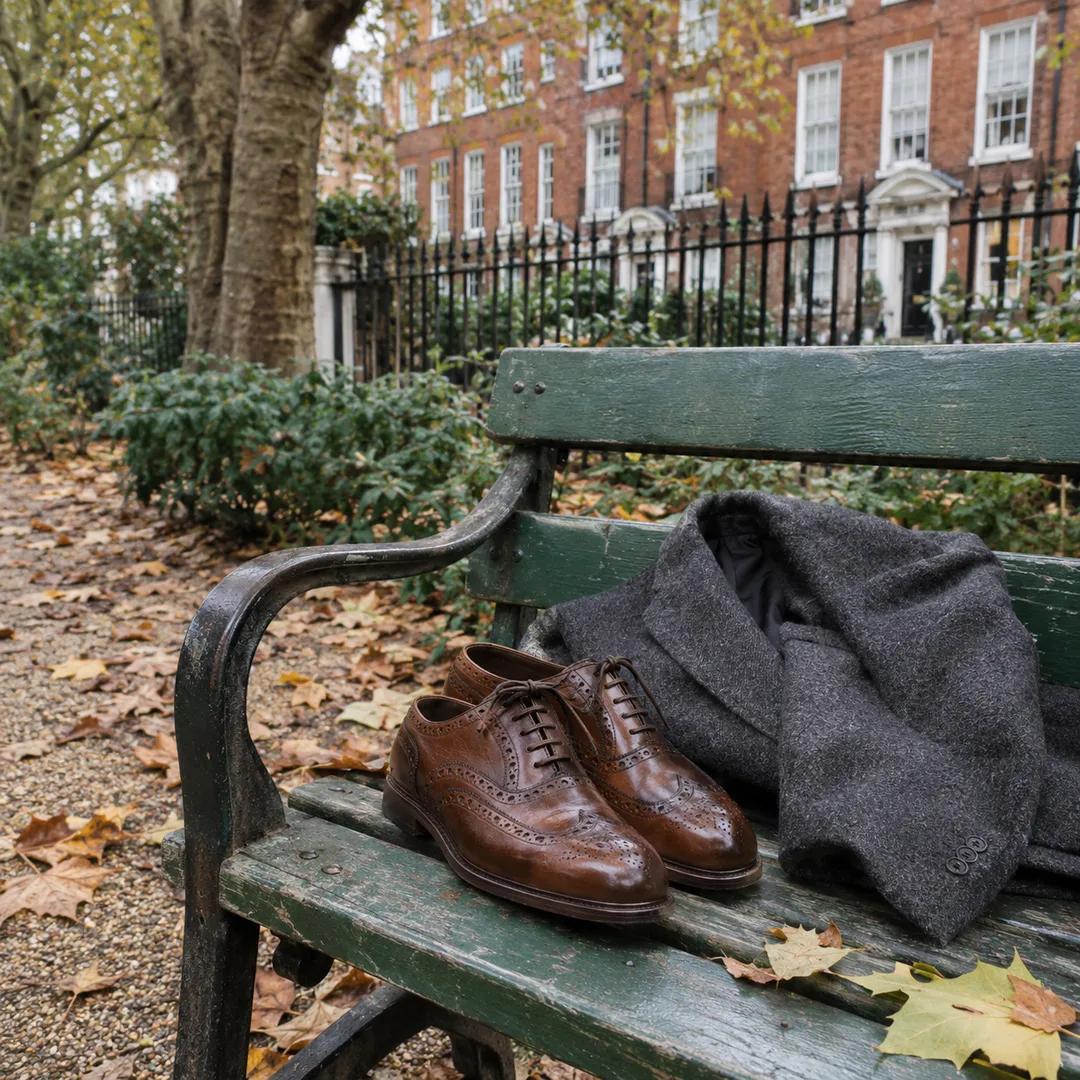
Leather shoes are where Marylebone shops can surprise people. Look for stitched soles rather than glued ones, check the heels for even wear, and press the toe to feel whether the leather has cracked. A pair that has been resoled once is often a sign of quality, not a warning. Take them to a cobbler for a polish and new laces, and they can carry you through years of commuting on the Underground.
Overcoats are worth a slower search. A good wool coat in navy, camel or charcoal anchors a work wardrobe through a London winter, and the season's donations often arrive as people clear space in autumn. If nothing fits today, note which shop seemed strongest for coats and plan another visit in a fortnight. The most satisfying finds rarely come on the first walk.
Do a Fitting Check in the Park
Once your bag has a few pieces in it, walk north to Regent's Park or find a bench in one of the small garden squares between the streets. Lay everything out and match it against your list. Do the colours work together? Have you bought three shirts and no trousers? This pause stops the common mistake of returning home with lovely things that do not form a single outfit for Monday morning.
It also helps to take a quick photo of each piece against the bench or a plain wall, then line them up on your phone as outfits. If two items clash, you still have time to swap one at the next shop. Seeing the capsule as a set makes it easier to decide whether you need a final stop or whether the job is already done.
Courtesy That Keeps Charity Shops Thriving
These shops raise money for hospices, medical research and local causes, and most are run by volunteers giving up their own time. Hang things back neatly, return shoes in their pairs, and do not leave a pile in the fitting room for someone else to sort. If you love a piece but it needs mending, buy it rather than asking for a discount, since the shop is not a market stall.
If you have work clothes that no longer fit, bring a bag to donate on the same walk. Swapping old office wear for new-to-you pieces keeps the cycle going, and volunteers often appreciate tidy, clean donations on hangers. Many shoppers also mention Gift Aid at the till when they donate, which lets the charity claim a little extra on their behalf.
A Gentle Marylebone Loop With Coffee and Books
A good crawl leaves room for the neighbourhood itself. Stop for coffee along the high street, browse the shelves of a bookshop with its long oak galleries, or walk past the Wallace Collection and its quiet courtyard. Marylebone suits slow mornings, and the gaps between charity shops are short enough that the whole loop feels like a walk rather than an errand.
On a Sunday, the farmers market behind the high street adds another reason to linger, with bread and cheese for an easy lunch to take to the park. End by heading back to Baker Street or Bond Street station with your bag, and you will have spent a morning outdoors, supported a few good causes, and built a wardrobe that looks as if it took months.
Practical Notes for the Crawl
Go early in the week if you can, since many shops restock after weekend donations and the rails are fuller before the Saturday crowd. Carry a sturdy tote or a folding bag for coats, wear clothes that are easy to slip on and off over, and bring a soft tape measure. Most shops take cards, but a little cash helps at smaller tills.
Plan on a tailor for at least one piece, because a small alteration turns a near fit into a perfect one. Keep receipts in case the shop allows exchanges. Use the Karpo APP to map the charity shops along your route, save the ones that suited your size, and build a return loop for the next time you need a new shirt or coat.
Ask Karpo for more information.
Keep reading
- Brixton Vintage Thrift Shop Finder: South London Retro Gems
 Notting Hill Vintage Thrift Shop Finder: Preloved Rails
 Soho Vintage Thrift Shop Finder: West End Designer Archives