 Waterloo Cozy Board Game Cafe Finder in South London
Weekend Plans

London Thanksgiving Outing Planner: 5 Answers Before You Go
A small London Thanksgiving outing starts with a clear group brief. Gather five useful answers, then ask for ideas that fit the people actually joining you.
A small Thanksgiving outing in London often becomes difficult before anyone chooses a place. One friend imagines dinner, another has only an afternoon free, and the organiser is left translating “anything is fine” into an actual invitation. A Thanksgiving outing planner is most useful at that point, when it turns a vague group conversation into a brief with a purpose. Answer five questions together before asking the Karpo APP for suggestions: who is coming, what you want to share, where you can meet, what you can commit, and how the outing ends.
Who needs to be included in the first decision?
Start with the people whose constraints could change the plan. The person arriving from outside London may have a fixed journey. The local friend hosting dinner may be unavailable for most of the afternoon. Someone else may need a seated activity or a quieter setting. Gather those boundaries before inviting the whole group to choose a favourite idea. Otherwise an attractive suggestion can gain momentum while excluding someone the outing was meant to include.
Ask each participant for one essential requirement and one preference. A requirement decides whether they can take part, while a preference helps choose between workable options. Keep that distinction respectful: the organiser should not downgrade another person's access need because it complicates the route. With consent, summarise needs in the brief without attaching names or personal explanations. A useful request needs to say what the plan must accommodate, not why a particular friend needs it.
What are you celebrating together?
Decide whether Thanksgiving describes a meal, a reunion, or simply the date on which everyone can meet. Those are different reasons to go out. If the point is to reconnect after months apart, conversation may deserve priority over entertainment. If the group wants to try something together, an activity might be the centrepiece. A clear purpose lets you reject an appealing option for being wrong for this particular gathering, without arguing that the option itself is poor.
Put the answer into the invitation's first sentence. “We want a relaxed afternoon to catch up” gives people a more accurate expectation than “Thanksgiving plans?” It also helps the organiser resist adding unrelated attractions. You do not need to reproduce an American holiday format in London to make the occasion meaningful. Choose the shared experience your friends want, and keep any claim about a seasonal programme separate from the fact that your own group is celebrating.
Where can everyone arrive without a complicated handover?

A meeting area is a decision about the whole group, not just the organiser's favourite neighbourhood. Compare where people start and where they need to finish. A friend coming from work may have a very different journey from someone staying nearby. You can use an area such as Marylebone as a candidate in the brief, but label it as a proposal until everyone accepts it. Naming an area does not establish a meeting venue.
Be specific about the kind of meeting point you need. An agreed entrance is clearer than an entire district, while a large interior can be confusing without a defined place to regroup. Once you select a venue, describe the actual meeting arrangement in ordinary language. This article does not supply a door number because no venue has been chosen. There is no value in inventing one to make an unfinished plan look more settled than it is.
What can the group commit in time and spending?
Use a maximum total outing budget for each person if participants are comfortable sharing one. Explain whether it includes travel, food, admission, and any optional extra. A lower headline price can conceal a more expensive afternoon when those pieces are separated. Amounts in your own request are spending limits, not claims about a provider's price. Ask suggestions to respect that boundary without treating an unquoted cost as automatically included.
Time needs the same treatment. Distinguish the period everyone shares from the extra time a few friends might have. If two people can meet only between lunch and an evening journey, build the common outing inside that interval. The others can arrange a separate extension. This prevents a plan that technically includes everybody but gives late arrivals the main activity and early leavers only the journey. Fairness is about the experience people actually share.
How will you know the outing is finished?
A finish can be a time, a return location, or the completion of one agreed activity. Choose a definition the whole group can recognise. “We will see how it goes” is fine for friends with open schedules, but it is less useful when one person needs to leave without feeling awkward. Make that person's departure compatible with the plan, rather than asking them to interrupt a celebration that appears to have no ending.
Name an organiser for the final invitation and let participants know how changes will be communicated. That does not require assigning every friend a role. One person can collect answers, make the final choice, and send the agreed outline. Any reservations or payments remain separate actions with their own evidence. A planning conversation, including one in an app, should not be described to the group as a completed transaction when nobody has actually arranged it.
What should the request to Karpo contain?
Turn the five answers into a short paragraph. For example: “Help us plan a Thanksgiving outing in London for five adults. We want an easy afternoon for conversation, are considering Marylebone, and need a seated option with limited walking. We have a shared finish time and want to compare food-led and activity-led approaches. Suggest a small shortlist and explain the trade-offs. Treat venue choices as proposals rather than bookings.” Add the actual date and the boundaries your friends have agreed.
The public Karpo site presents a conversational starting point for going-out ideas. Use that starting point to express your needs, then assess the response as the organiser. Ask follow-up questions about why an idea fits your brief, what would make it unsuitable, or which part could be removed. The useful outcome is a clearer choice. It does not depend on claiming group voting tools, automatic coordination, or guaranteed access to a particular London venue.
What belongs in the final message to friends?
Send the agreed plan, the meeting arrangement, the expected finish, and what each person needs to do. Keep unresolved choices out of the invitation unless you clearly identify them as pending. A friend should be able to tell whether they are accepting a suggestion, a confirmed group arrangement, or an optional extension. That clarity saves the organiser from answering the same questions privately and prevents different people from committing to different versions of the afternoon.
Keep the original brief somewhere you can read it if a change becomes necessary. It reminds you which needs mattered before a specific place became everyone's favourite. You can then revise the choice without reopening every discussion. When the five answers remain intact, a different route or gathering format can still deliver the same occasion. The planning work has succeeded when the invitation feels simple because the decisions behind it have already been made together.
Ask Karpo for more information.
Keep reading
- Waterloo Cozy Board Game Cafe Finder in South London
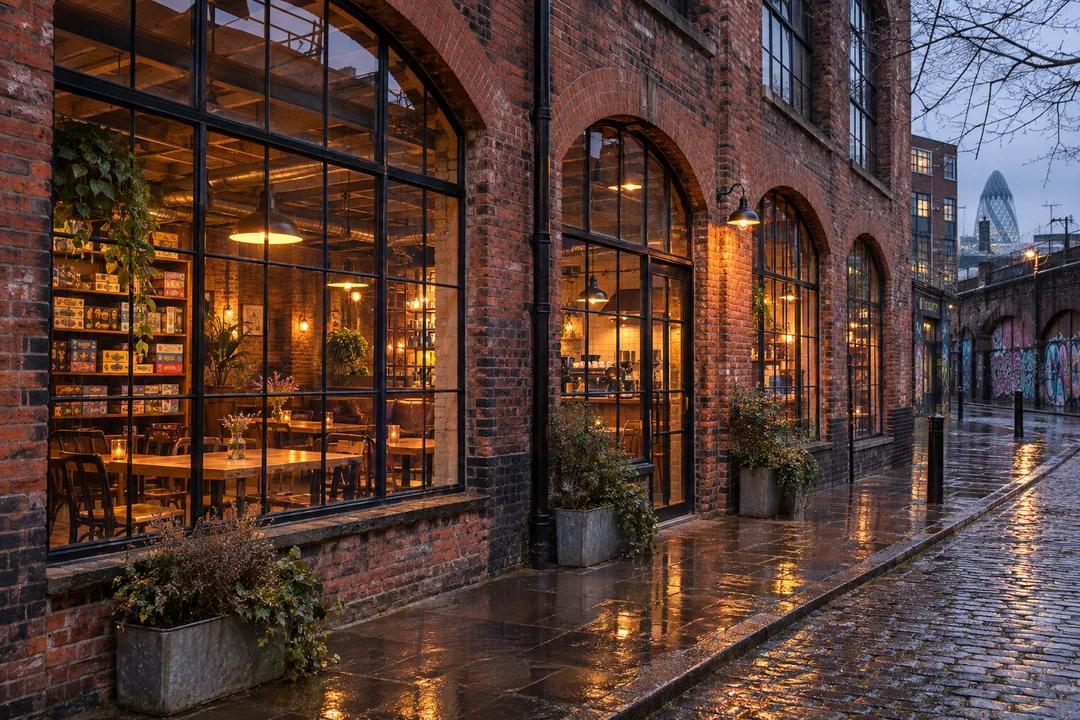 Shoreditch Cozy Board Game Cafe Finder in East London
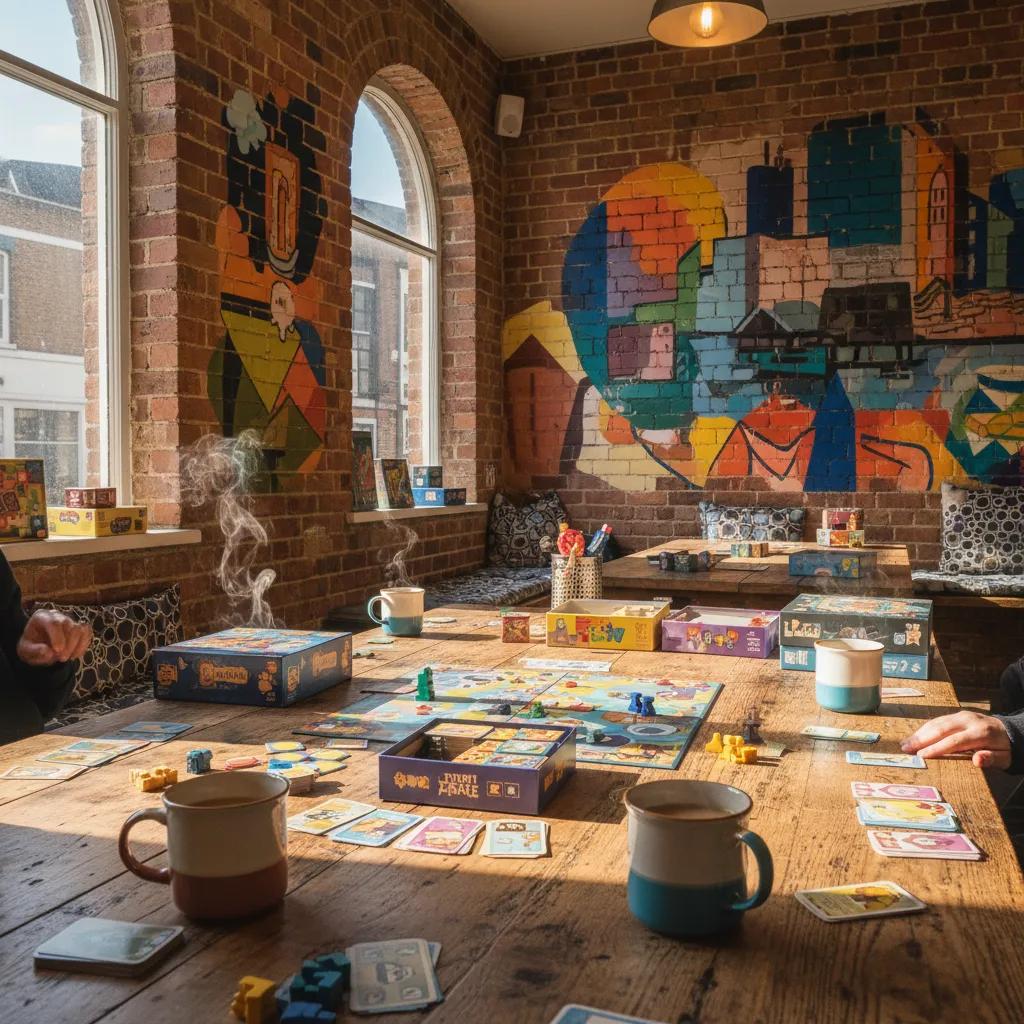 Brixton Cozy Board Game Cafe Finder for Warm London Days