 Waterloo Cozy Board Game Cafe Finder in South London
Weekend Plans
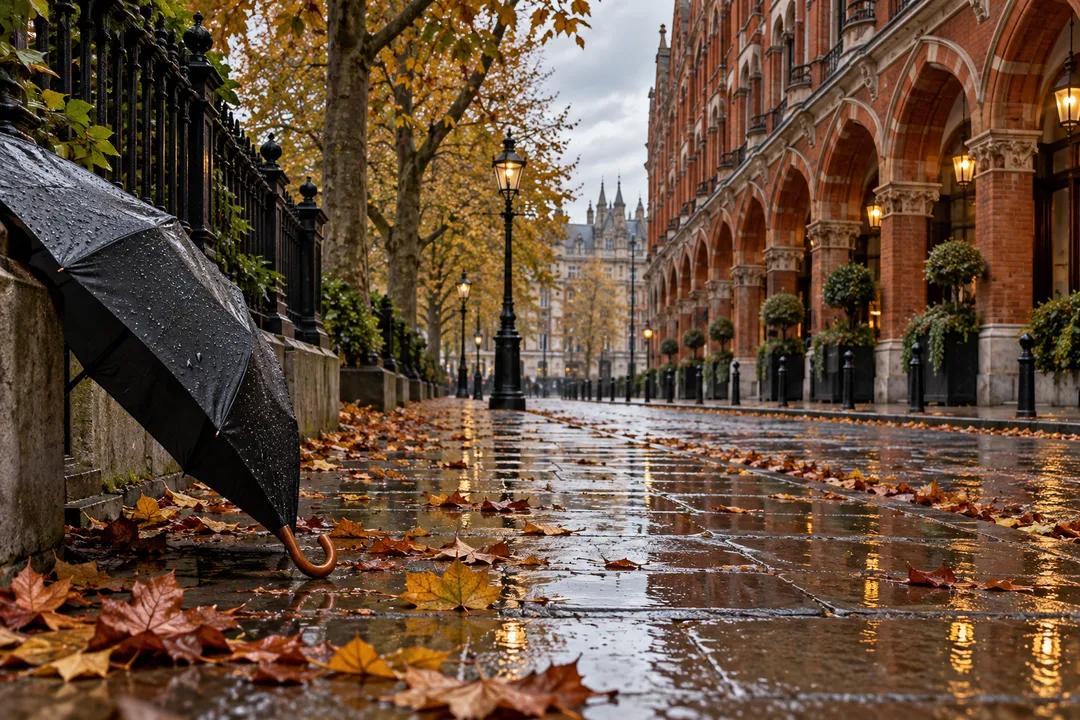
London Thanksgiving Outing Planner: Rain Choices in 3 Steps
For a weather-flexible Thanksgiving in London, choose a compact area and an indoor-led alternative. Decide what to keep before rain reshapes the afternoon.
The difficult part of a weather-sensitive Thanksgiving outing in London is often the switch itself. A group has agreed to walk, someone dislikes the sky, and the proposed indoor alternative turns out to require a different journey and a separate booking. A useful Thanksgiving outing planner deals with that fork before the day starts. Build an outdoor-led version and an indoor-led version around the same gathering, then decide what evidence will make you choose between them. Use the Karpo APP to begin that planning conversation with the constraints already attached.
Step one: decide what the weather is allowed to change
Separate the purpose of the outing from its location. If the purpose is to spend an afternoon catching up, the street walk is a method rather than the entire event. It can become shorter without losing the reason you met. If the purpose is specifically outdoor photography, moving everything indoors would change the activity more fundamentally. Tell the group which experience you want to protect before discussing an alternative.
Write down what can move and what cannot. Your end time might be fixed because someone has an evening commitment. The meeting area might be flexible because nobody has booked travel around it. A chosen meal could be the anchor while the walk around it remains optional. These distinctions determine whether a weather change needs a small adjustment or a complete rethink. There is little benefit in calling two plans interchangeable if they preserve entirely different parts of the day.
Choose a compact area before choosing individual stops
A backup across London is another outing, even if it appears alongside the first one in a list. Consider an area where the group can meet and make a decision without immediately committing to a long exposed stretch. You can ask for ideas around South Bank, for example, while stating that this is a search area rather than an agreed route. Ask for the reason each candidate belongs in that area and what travel it would add.
Judge compactness by your group's movement, not by how close pins appear on a small screen. Road crossings, steps, access arrangements, and the need to regroup can matter more than straight-line distance. A sheltered-looking photograph also does not establish a continuous covered route. Keep claims about actual shelter and access tied to specific information about the places you select. Where that information is missing, choose a simpler route structure rather than promising dry passage.
Give the outdoor version a clear escape point
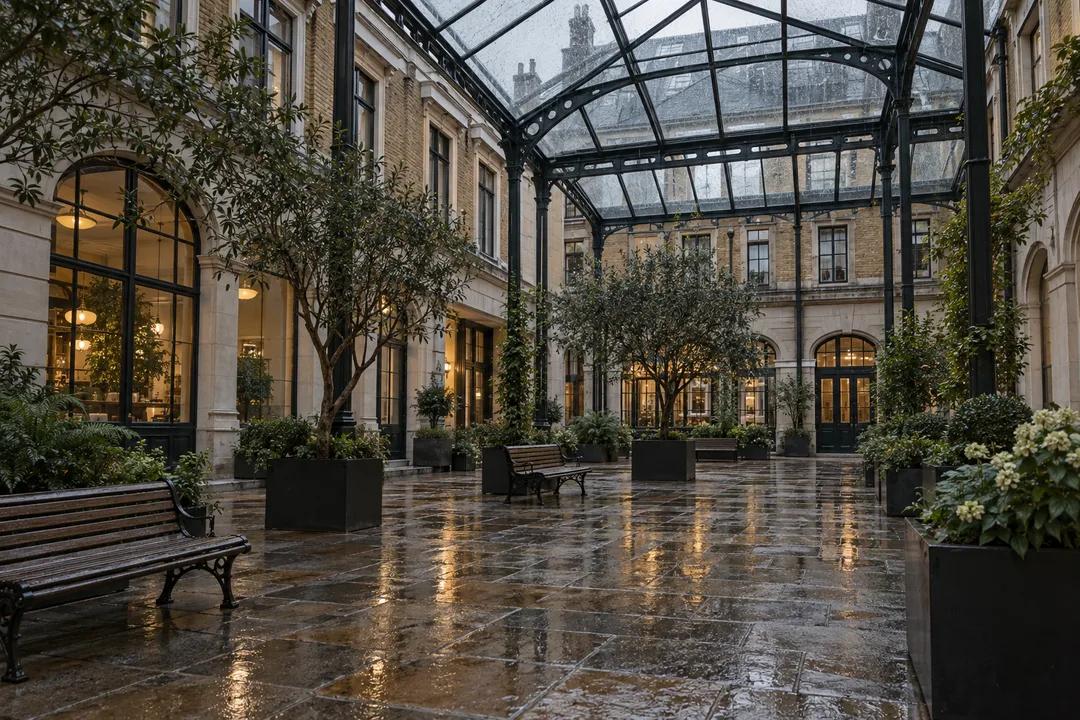
An outdoor-led afternoon can have a short first segment followed by a place to stop and decide. The group then has a natural opportunity to continue, shorten the walk, or finish. Avoid making the decision point the most distant part of a long loop. If the weather becomes unpleasant before that point, people should still feel able to turn back. Explain this permission before anyone has invested effort in reaching a supposed highlight.
Use personal thresholds that everyone understands. One friend may enjoy light rain with a proper coat, while another needs seating and prefers to avoid wet surfaces. You do not need a dramatic forecast to respect either preference. A rule such as “we keep the outdoor section only if everyone wants it when we meet” can be enough for an informal gathering. More demanding activities call for the provider's actual participation guidance, which this general plan does not replace.
Step two: design the indoor version as a real afternoon
A vague instruction to “find a cafe” leaves all the important decisions until people are cold or hungry. Give the indoor-led version its own purpose and suitable scale. That could be a seated conversation, an exhibition candidate followed by a short walk, or a single shared activity. Choose which experience fits your group before looking for a specific place. An indoor option that nobody enjoys is unlikely to survive the first discussion.
Keep admission arrangements visible. A suggestion requiring a timed ticket is not an instant refuge unless the relevant entry has actually been arranged. A dining room is not guaranteed space for a group simply because it appears in a search. Separate uncommitted ideas from commitments you have made. You can use the indoor version only when its necessary arrangements are in place, or keep a simpler alternative that does not depend on those unresolved arrangements.
Ask for two versions with the same boundaries
For a sample request, write: “Plan a Thanksgiving afternoon in London for three adults starting near South Bank. We have one afternoon together and want to finish in the same area. Compare an outdoor-led walk with a mostly indoor gathering. Keep the social purpose the same, avoid assuming tickets or tables, and explain where we would make the weather decision.” Add your actual date, walking tolerance, and latest finish time rather than copying these details unchanged.
Then ask the question that a list of venues will not answer: what changes when we switch? You want to identify any different meeting point, cost commitment, journey, or duration. Read the reply against your original boundaries. If the indoor version introduces a major new journey, revise it. If the outdoor version depends on good conditions for its whole length, ask for a shorter core. The useful result is two workable structures, not matching numbers of attractions.
Step three: name a decision-maker and a decision time
Weather discussions become tiring when every person waits for someone else to cancel. Let one organiser send the final version at an agreed time, after taking account of the group's preferences and the forecast they choose to consult. This is a human arrangement. Do not write the plan as though an app will continuously monitor conditions, redirect the group, or secure a replacement booking. Those promises are unnecessary for a practical afternoon.
The decision message should contain the selected meeting point, the version being used, and any part that has been removed. Say plainly if an outdoor extension is still optional. People who read only the newest message should be able to join without reconstructing the entire discussion. If the choice remains unsettled, keep the invitation honest about that rather than sending both routes as though everybody will somehow know which one the others intend to follow.
Keep the equipment and the ending uncomplicated
Ask participants to bring what they personally need for the chosen conditions, and agree how the group will stay in contact. An umbrella is not a substitute for deciding whether the outing suits a person with limited walking tolerance. Equally, carrying extra equipment can make a supposedly gentle outing less comfortable. Let each participant judge their own needs, while the organiser keeps the route and the finish easy to understand.
Once the group has chosen a version, enjoy that afternoon on its own terms. You do not need to keep comparing it with the route you left behind. The optional walk can stay optional, and the gathering can end after its main experience. Planning the switch in advance has done its job when a change in conditions leads to one clear message and a comfortable decision, instead of another round of hurried searching while everyone waits outside.
Ask Karpo for more information.
Keep reading
- Waterloo Cozy Board Game Cafe Finder in South London
 Shoreditch Cozy Board Game Cafe Finder in East London
 Brixton Cozy Board Game Cafe Finder for Warm London Days