 Waterloo Cozy Board Game Cafe Finder in South London
Weekend Plans
London Thanksgiving Outing Planner for 4 Sober Friends
An alcohol-free Friendsgiving in London can centre on food, conversation or a shared activity. Compare the social setting before choosing a place together.
When four friends say they want an alcohol-free Friendsgiving in London, they may be asking for quite different evenings. One wants a place without a drinking atmosphere, another likes a long meal, and someone else would rather make something together than sit at a table. Use a Thanksgiving outing planner to settle that difference early. The useful comparison is between kinds of gathering, with everyone's comfort made explicit. Ask in the Karpo APP for ideas that match the setting you want, then choose the format as a group.
What does alcohol-free mean for your friends?
Start with the environment, not the drinks list. Some people are comfortable somewhere that serves alcohol as long as their own drink contains none. Others want an outing where alcohol is absent from the activity and the atmosphere. Both are reasonable preferences, but they produce different shortlists. Ask privately if that is easier. The organiser needs a usable boundary, not an account of anyone's reasons for choosing it.
Translate the answer into plain language for your request. “No pub or cocktail-bar setting” is more useful than “something wholesome.” If the group needs a completely alcohol-free venue, say that this is a requirement rather than a preference. Do not infer that condition from a photograph of coffee cups or the presence of soft drinks on a menu. A suggestion can remain on a research list until the relevant environment is established.
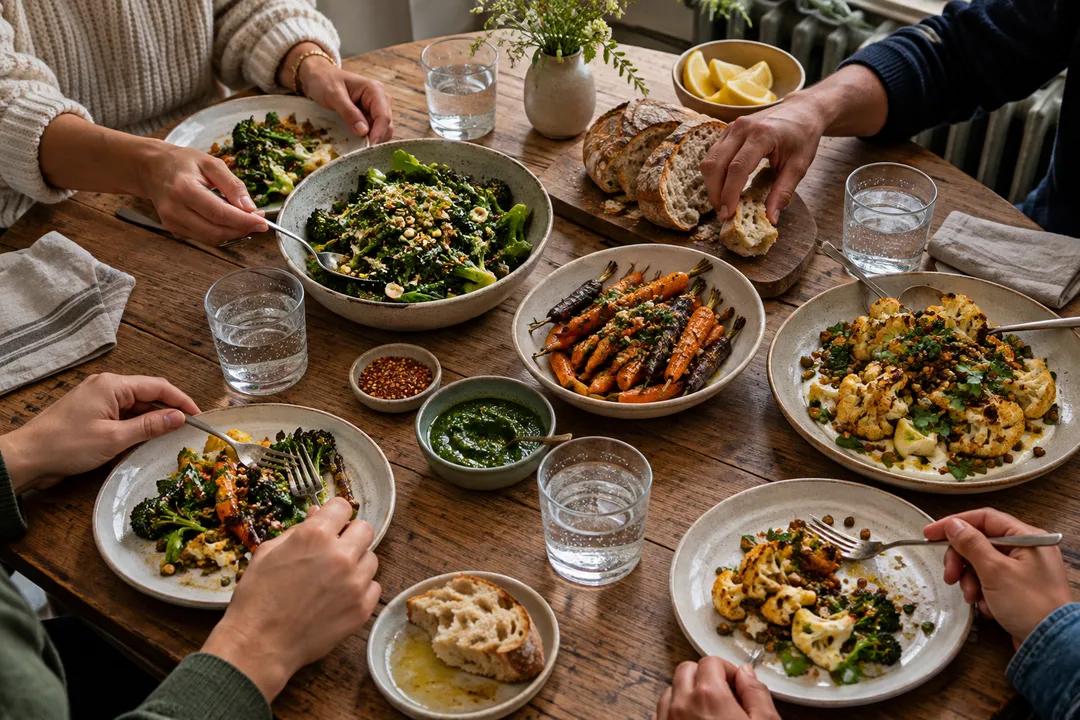
A meal works when conversation is the main event
A food-led gathering gives friends time to catch up without learning a new activity. It may suit people who arrive separately after work and want a single place to meet. Its limitation is that a table can carry expectations about ordering, spending, or how long everyone stays. Before choosing this format, agree whether the meal itself is the celebration or merely a stop before something else. Avoid leaving that decision until the bill arrives.
Ask for meal ideas by atmosphere and dietary needs rather than by an assumed Thanksgiving menu. For instance, the four friends could want a relaxed vegetarian dinner in Islington with no drinks package and enough quiet to talk. That is an example brief, not a recommendation for a particular restaurant. The occasion can be Friendsgiving even if the food is not a turkey dinner. What matters is that the meal reflects the people celebrating together.
A daytime gathering changes the social rhythm
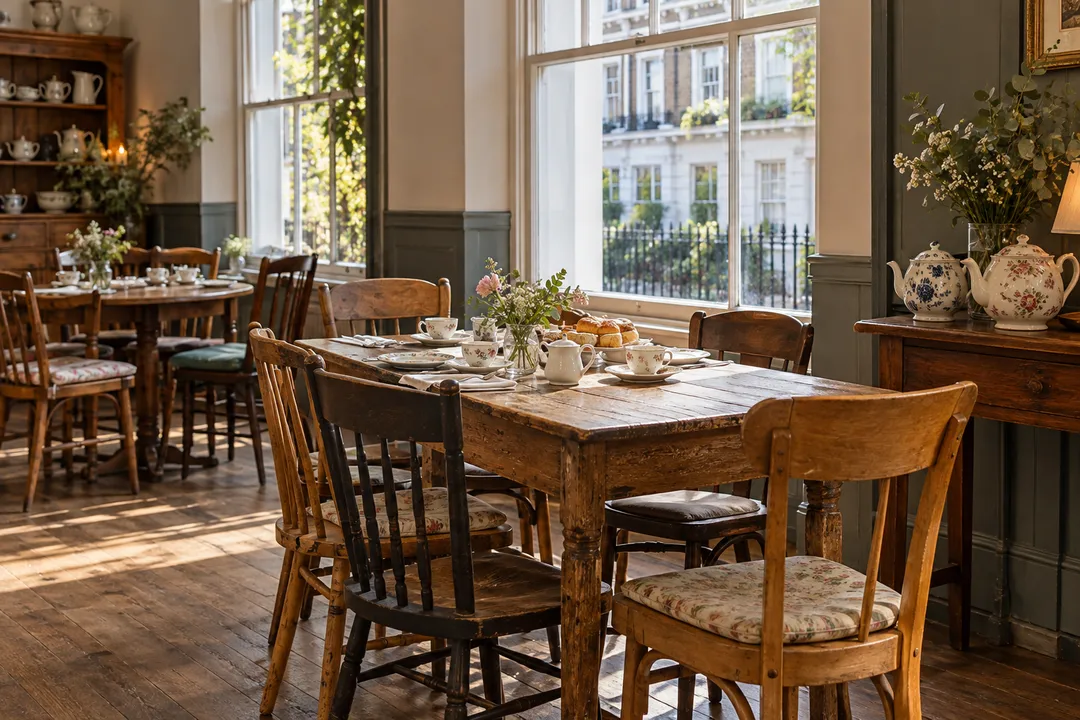
Tea, a light lunch, or an afternoon catch-up can give the celebration a different feel from a night out. Choose this direction because it suits the group, not because daylight guarantees a particular venue atmosphere. It can work especially well when one friend wants to leave early or nobody wants a long evening commitment. Discuss appetite too: a light refreshment stop will disappoint someone who thinks the invitation includes their main meal.
The trade-off is that a daytime format may feel less substantial to friends expecting an occasion. Give it a deliberate focus, such as sharing what everyone is grateful for or bringing one story from the year. Those are activities the group can organise itself. They do not depend on a venue offering a holiday event. A gathering with a clear shared ritual often needs less elaborate entertainment than an itinerary full of unnamed extras.
An activity gives the shy friend something to do
A making session, a game, or another shared activity can take pressure off continuous conversation. It offers a common experience to friends who do not all know each other well. However, compare the practical demands before committing: whether everybody wants to participate, how instruction works, what happens to a late arrival, and whether spectators are welcome. These are questions to resolve for a candidate, not assumptions to make about an entire category.
An activity can also expose differences in spending comfort. A person who can afford dinner may still dislike paying for a fixed session plus food afterwards. Describe the whole outing in the invitation, including anything each friend would need to arrange separately. You can ask Karpo for activity categories to explore, but keep admission, participant rules, and payment decisions with the actual organiser and provider. Suggested availability is not the same thing as an accepted place.
Compare the awkward moments as well as the highlights
Imagine the first ten minutes of each format. At a meal, can the first arrival comfortably wait? At a daytime catch-up, is anyone coming hungry after a long journey? At an activity, would a newcomer have to interrupt instructions? This little rehearsal reveals more than ranking generic ambience. Choose the format whose awkward moments your group can handle, then make a simple arrangement for those moments in the invitation.
Rehearse the ending too. If three friends want to keep talking and one is ready to leave, the original gathering should still have a recognisable finish. A separate, optional extension is kinder than allowing the plan to grow silently. This is particularly useful for an alcohol-free occasion, where a casual suggestion to continue at a bar could undo the setting everyone agreed on. Decide the acceptable kind of extension before the evening begins.
Ask for a comparison you can actually use
A helpful message might read: “Suggest three approaches for four friends celebrating Friendsgiving in London. We want a setting where drinking is not the focus, prefer Islington as our starting area, and care more about conversation than a special holiday menu. Compare a meal, a daytime gathering, and a shared activity. Explain the social and practical trade-offs without assuming a booking or a drinks package.” Add the date, diet, and spending boundary your friends have agreed.
Use the response to narrow the discussion rather than asking everyone to vote on a long list of places. One friend can choose the preferred format while another identifies a deal-breaker. If those answers conflict, adjust the brief before searching again. The product's conversational entry point supports this kind of request, but the group still owns its commitments. Nobody should receive an invitation that suggests a table or session has been secured merely because it appears in a reply.
Write an invitation that removes the hidden pressure
Say what the gathering includes, how long you intend to stay, and that the plan is alcohol-free. There is no need to describe anyone as the reason. If people pay separately, make that arrangement clear without asking friends to disclose their finances to the group. Keep the tone ordinary: the purpose is to make joining comfortable. A person should be able to accept the invitation without first negotiating what the organiser actually means.
Choose one point person for the final details and one place for updates, using whatever communication method your friends already use. Leave everyone an easy way to decline an optional part. You will have made the most important planning decision when all four people recognise the evening as something they would enjoy. The meal, afternoon pause, or shared activity is then a way to spend time together, with alcohol-free comfort built into the occasion from the start.
Ask Karpo for more information.
Keep reading
- Waterloo Cozy Board Game Cafe Finder in South London
 Shoreditch Cozy Board Game Cafe Finder in East London
 Brixton Cozy Board Game Cafe Finder for Warm London Days