 Brixton Sourdough Bakery Crawl: Covered Market Ovens
Coffee & Dessert
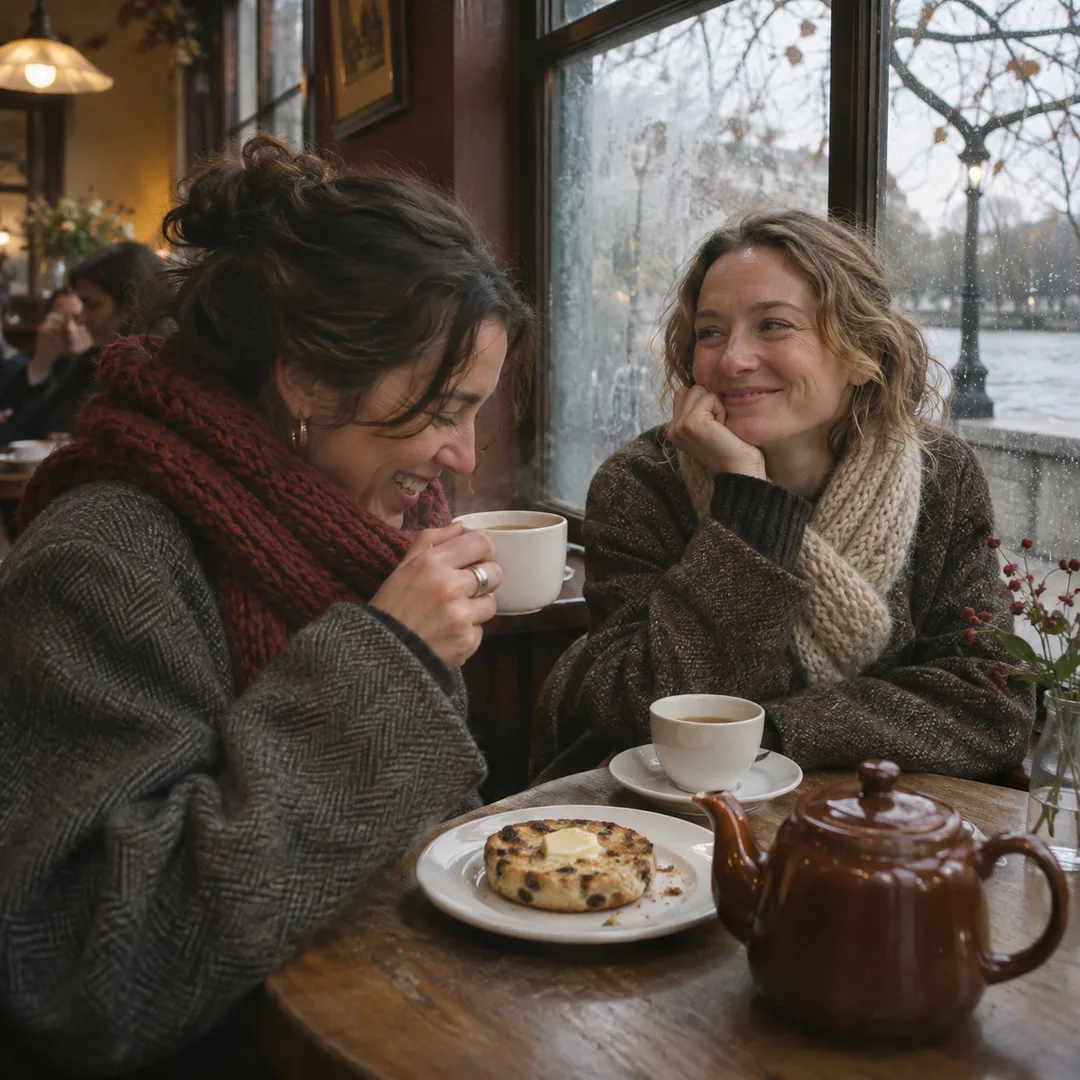
South Bank Tea Room Afternoon Picker After a Winter Walk
Walk the South Bank in the winter cold, then warm up in a riverside tea room with a strong pot and a toasted teacake. How to pick the right table and time.
The South Bank in winter is one of the best free walks in London, and one of the coldest. The wind comes straight up the Thames, the light goes silver by mid afternoon, and by the time you reach Bankside your hands are tucked deep in your pockets. That is exactly when a tea room earns its place. This tea room afternoon picker pairs a slow river walk with the right kind of warm table, so the cold becomes part of the pleasure instead of the reason you go home early.
Why the South Bank Suits a Winter Tea Afternoon
Most people think of the South Bank as a summer place, with crowds on the steps outside the concert halls and queues at every ice cream van. In winter it changes character. The riverside path is quieter, the plane trees are bare, and the views across the water to the north bank are sharper because the leaves no longer get in the way. You can walk from Westminster Bridge to Tower Bridge without once leaving the river, and you will pass theatres, galleries, a skate park, second-hand book tables and a run of small cafes on the way.
The catch is the cold. The Thames funnels wind along the embankment, and an hour of walking in December can leave even a well dressed Londoner shivering. That is why a tea room fits so well here. A pot of tea is slower than a takeaway coffee and warmer than a pint, and sitting down with one makes the second half of the walk feel like a reward rather than a slog.
Think of the afternoon in two halves. First the walk, in daylight, while the river is still bright. Then the tea, as the lamps along the embankment come on and the windows of the tea room steam up. Getting the timing right is most of the trick.
Planning the Walk Before You Sit Down
Start at the western end, near the big observation wheel, and walk east with the river on your left. That direction keeps the low winter sun behind you for much of the route, so your photos of the north bank come out clear rather than washed out. Take the riverside path past the concert halls and the brutalist arts centre, pause at the skate park undercroft to watch the skaters for a few minutes, and keep going under the bridges.
Around Gabriel's Wharf the path widens and small shopfronts appear, and beyond that the old power station that now houses a major modern art gallery rises up beside the water. This middle stretch is where most tea room stops make sense. You have walked long enough to feel the cold, and there is still the Millennium Bridge, Shakespeare's Globe and Borough Market ahead of you if you want to carry on afterwards.
Dress for the wind, not the temperature on your phone. A scarf, gloves and a hat make the walk far more pleasant, and they mean you arrive at tea wanting comfort rather than needing rescue. Carry a small bag for the layers you will peel off once you are inside.
Choosing the Right Kind of Tea Room by the River
The South Bank and the streets just behind it offer a few different styles of tea stop, and each suits a different mood. Gallery and arts centre cafes tend to have long tables, big windows and a calm, slightly studious feel. They are good if you want to sit for an hour with a book and look out at the water. Small independent cafes in the side streets are cosier and noisier, often with mismatched chairs and a short list of loose-leaf teas written on a board.
Then there are the more formal options in the riverside hotels and restaurants, where afternoon tea comes on a tiered stand with sandwiches, scones and little cakes. These are lovely for a celebration but less suited to a spontaneous warm-up after a walk, because they usually expect you to plan ahead and settle in for a long sitting.
For a winter walk, the sweet spot is somewhere in between: a place with proper pots of tea rather than bags in mugs, at least one toasted thing on the menu, and a window seat if you can get one. Use the Karpo app to see which tea rooms near your stretch of river fit that description before you start walking, so you know where your halfway stop will be.

What to Order When You Come in From the Cold
This is not the moment for delicate white tea. After an hour by the river you want something strong and malty that stands up to milk, such as a classic English breakfast blend, an Assam or a smoky lapsang souchong if you like that campfire flavour. Ask for a pot rather than a cup, because the second pour is always better and it gives you a reason to stay a little longer.
Food should be warm and simple. A toasted teacake with plenty of butter, a crumpet, a cheese scone or a slice of fruit loaf toasted at the edges all fit the mood. If you are hungrier, a bowl of soup and a pot of tea is a perfectly respectable London afternoon. Save the cream cakes for another day, when you are not still thawing out.
If you are walking with someone who does not drink black tea, most good tea rooms will have a ginger, lemon or rooibos infusion that warms just as well. A spiced chai with steamed milk is another good choice for friends who usually reach for a latte.
Getting the Timing Right in Short Winter Days
In December and January, daylight runs out early, so plan the walk for the early afternoon and aim to sit down for tea as the light starts to fade. That way you see the river at its brightest and then watch the lamps come on from the warmth of a table. The view of the water turning dark blue while the bridges light up is one of the quiet treats of the London winter.
Weekends are busier, especially on the stretch near the galleries and the market, and the most popular cafes can fill up by mid afternoon. If you can do this on a weekday, you will have a better chance of a window seat and a slower pace. On a weekend, start a little earlier and be ready to try your second choice if the first is full.
Rain changes the plan but does not ruin it. On a wet day, shorten the walk, duck under the arches of the arts centre and the bridges when the showers come, and make the tea stop longer. A rainy river seen through a tea room window has its own kind of beauty.
Making the Afternoon Feel Like a Small Occasion
A tea room stop works best when you treat it as part of the day rather than a quick refuel. Put your phone away for the first pot. Talk about what you saw on the walk, the skaters, the book stalls, the boats going past. If you are with a friend, take turns choosing the tea, and swap halfway through to compare.
For visitors to London, this kind of afternoon often turns out to be a highlight precisely because it is so ordinary for locals. Sitting in a warm room with a pot of tea while the Thames goes grey outside is about as British as an afternoon gets, and it costs far less effort than queueing for a famous attraction.
Pack something small to make it memorable: a postcard picked up at one of the gallery shops to write at the table, or a notebook to jot down the names of the teas you tried. These details turn a casual warm-up into something you will remember.
After Tea: Finishing the River Walk
Once you are warm again, step back outside and carry on east. The Millennium Bridge is a short stroll away, and crossing it after dark gives a fine view of the dome of St Paul's lit up ahead. Or stay on the south side and wander through Bankside towards Borough Market, where the evening stalls and the old railway arches feel cosy in the cold.
If you are heading home, the bridges give you easy connections to the north bank and the Underground. If you still have energy, a concert or a play in one of the riverside venues makes a natural end to the day, and a pot of tea beforehand is a much better preparation than a rushed drink at the bar.
Next time you want a winter afternoon in London that feels both lively and calm, open the Karpo app, pick a tea room along the river, and plan your walk around it. The cold is half the point. The warm table is the other half.
Ask Karpo for more information.
Keep reading
- Brixton Sourdough Bakery Crawl: Covered Market Ovens
 Hackney Sourdough Bakery Crawl: Broadway Market Loaves
 Islington Sourdough Bakery Crawl: Canal Towpath Mornings