 Marylebone Coffee Shop Finder: Village Cafes and Espresso
Coffee & Dessert
Notting Hill Tea Room Afternoon Picker: Vintage Teacup Day
Hunting old teacups on Portobello Road? Browse the china stalls in the morning, read the marks, then take your find to a Notting Hill tea room for a pot.
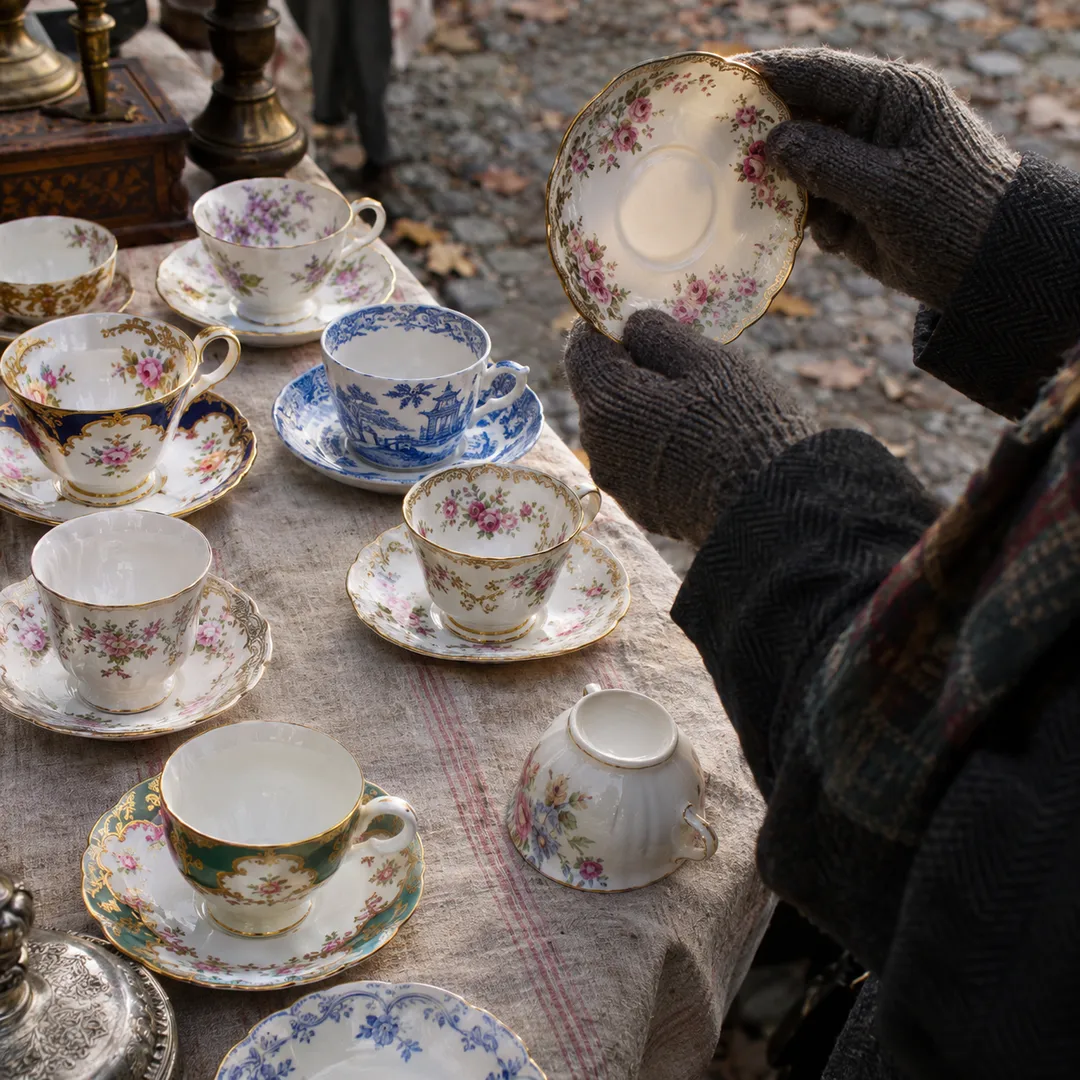
A Notting Hill tea room afternoon picker makes the most sense on a market day, when you spend the morning turning old teacups over in your hands on Portobello Road and the afternoon drinking from something just as pretty. Plenty of people come to the area for the coloured houses and the film locations, but china lovers come for the stalls. Between the antique arcades at the top of the road and the fruit and bric-a-brac further down, you can find odd saucers, gilt-rimmed cups, mismatched trios and whole tea sets from grandmothers' sideboards. Below you will find how to plan a teacup hunt, how to read a piece before you buy it, how to carry it home safely, and how to choose a tea room that will make the most of a long Saturday in W11.
Why Teacups and Notting Hill Belong Together
Portobello Road grew into one of London's most famous antique markets after the Second World War, when dealers began setting up along the old lane that leads down from Notting Hill Gate. Saturday is still the big day, and the top end of the road fills with arcades, tables and cabinets full of silver, glass and porcelain.
China survives here because British households owned so much of it. Wedding sets, christening cups and everyday floral services passed down through families, and many of them eventually end up on a stall. For anyone who loves tea, that means a morning of treasure hunting that leads naturally to an afternoon spent using what you found, or at least admiring it on the table.
Plan the Day Around the Market Clock
Serious collectors arrive early on a Saturday, while dealers are still unwrapping their stock. If you want first look at the best pieces, aim to be on the road in the morning and browse before the crowds thicken around midday. By early afternoon the pavements are packed and it becomes harder to stop and look closely.
That rhythm works well for tea. Hunt in the morning, have a light lunch, then book a tea room for the middle of the afternoon when your feet need a rest. Use the Karpo APP to save a few rooms within a short walk of the market, so you can pick whichever is closest once you know where the hunt finished.
Reading a Cup Before You Buy
Turn every piece over. The base often carries a maker's backstamp, a pattern name or a painted number, and these clues help you understand what you are holding. Run a finger gently around the rim to feel for tiny chips, and hold the cup up to the light to look for fine cracks, called hairlines, that can spread when hot tea goes in.
Check the gilding too. Gold rims that look worn on one side usually mean the cup was well loved, which can be charming, but heavy wear often means the piece spent years in a dishwasher. Tap the cup softly with a fingernail. A clear ring suggests the body is sound, while a dull note can hint at a crack you cannot see.
Talking to the Dealers
Most dealers love talking about their stock, and the china specialists often know the history of a pattern better than any book. Ask where a set came from, whether pieces belong together, and how they would use them at home. You will learn more in ten minutes of conversation than in an hour of browsing on your own.
Haggling is common at a market, but do it kindly. Buying several pieces from one table usually earns a better offer than bargaining hard over a single saucer. Carry some cash as well as a card, since not every small stall takes payment the same way, and always ask before handling the most delicate items on display.

Carrying Fragile Finds Safely
Dealers will usually wrap a purchase in newspaper or tissue, but bring a little help of your own. A soft tote with a padded scarf or a small towel inside gives cups a cushion as you move through crowds. Keep saucers flat and cups upright, and never stack a cup inside another without something soft between them.
When you reach the tea room, ask to place your bag somewhere it will not be kicked, such as beside your chair against the wall. Do not hang a bag of porcelain over a chair back, where passing staff and guests can knock it. A heavy coat on top makes the parcel safer still.
Choosing a Tea Room After the Hunt
Pick a room that matches the morning. After hours spent among old china, it is lovely to sit somewhere that serves tea in real cups rather than thick mugs. Some Notting Hill rooms mix vintage crockery on purpose, so every guest gets a different pattern. Others use plain white porcelain, which lets the colour of the tea shine.
Comfort matters after a long walk. Look for a place with proper chairs and room to stretch your legs, and avoid tiny counters if you have shopping bags. A quieter side street is often calmer than the main road on a Saturday, and a booking for mid-afternoon helps you skip the lunchtime rush.
What to Order When Your Feet Are Tired
After a morning on your feet, a strong pot of something malty, such as an Assam or a breakfast blend, brings you back to life. Milk helps if the brew is brisk. If you want something gentler, a Ceylon tea is lighter and bright, and a cup of Earl Grey with its bergamot note feels made for a grey London afternoon.
You may not want a full three-tier set after a market lunch. A cream tea with two scones, or a single slice of cake, is often enough. Share a stand between two people if the room allows, and leave room to order a second pot instead of a second plate.
Unwrapping the Find at the Table
Part of the fun is showing off what you bought. Ask your server first, then lift the cup out carefully and set it on a napkin, never on a wet saucer. Admire it in daylight by the window, take a photo, and talk about where it might live at home. Then wrap it up again before the cakes arrive.
Do not drink from an old cup in the tea room, and do not ask staff to wash it. Antique glazes and gilding can need gentle care, and some older pieces are better used for display than for daily tea. Give each find a soft hand wash at home and let it dry slowly before deciding how to use it.
A Walk Through the Pastel Streets
Once the pot is empty, wander the residential streets east of Portobello Road. Rows of terraced houses painted pink, mint, lemon and sky blue make the area look like a box of sugared almonds, and the quieter crescents curve round communal garden squares hidden behind railings.
Please be considerate. These are homes, not stage sets, so keep voices low, stay off front steps and never block a doorway for a photograph. A slow loop of fifteen or twenty minutes is enough to see the colours glow in late afternoon light before you head back to the Tube.
Starting a Mismatched Tea Set
Many collectors never buy a full matching service. Instead they build a mismatched set over time, one cup and saucer from each market trip, chosen because a colour or a flower caught their eye. It is cheaper than a complete service, more personal, and it means every guest at home gets their own pattern.
Pick one loose theme to keep it coherent, such as blue and white, roses, or gold rims. Write down where and when you bought each piece, and soon you will have a cupboard full of small stories. A Notting Hill Saturday is a lovely way to start, and a pot of tea is the obvious way to celebrate.
Planning the Day in the Karpo APP
Open the Karpo APP and search for tea rooms around Notting Hill and Portobello Road. Save two or three options near the market, note which ones serve a simple cream tea and which offer the full stand, and share the plan with your fellow hunter.
Add a lunch stop and a street walk to the same plan so the day flows from stall to table to pastel terraces. Next time, use the notes you saved to try a different room, and bring an extra scarf in your bag for the cup you did not plan to buy.
Ask Karpo for more information.
Keep reading
- Marylebone Coffee Shop Finder: Village Cafes and Espresso
 Fitzrovia Coffee Shop Finder: Quiet Central London Espresso
 Covent Garden Coffee Shop Finder: Hidden Courtyard Cafes