 Brixton Sourdough Bakery Crawl: Covered Market Ovens
Coffee & Dessert

Hammersmith Tea Room Afternoon Picker: Book Club Edition
Hosting a book club in Hammersmith? Choose a tea room with one long table for a weekend afternoon, share pots, and let the debate spill onto the Thames path.
Most book clubs start in someone's living room and slowly outgrow it. The sofa fills, the host spends the evening washing mugs, and the conversation keeps getting interrupted by the kettle. Moving the meeting to a tea room solves all of that. Hammersmith, with its mix of long-time residents, river paths and plenty of weekend cafés, is a comfortable place to try it, and this picker helps your group choose well.
Why Move the Meeting Out of the House
Hosting in rotation sounds fair until the same three people end up offering their homes every month. A tea room takes that pressure away. Nobody tidies, nobody bakes at midnight, and the newest member does not have to worry about inviting strangers into a small flat. Everyone arrives on equal terms, orders what they like and leaves without a stack of cups behind them.
Neutral ground can improve the discussion too. People who stay quiet in someone else's sitting room often speak more freely at a shared table. The background murmur of other guests makes pauses less awkward, and the ritual of pouring tea for the person beside you is a gentle way to bring a newcomer into the circle before the real argument about the ending begins.
What a Book Club Table Needs
The main requirement is a single table, or two that push together, where everyone can see each other. A row of separate small tables splits the group into side conversations and kills the debate. When you scout, look for a long communal table or a corner booth. Rooms that host birthday teas or baby showers usually have exactly this setup tucked away somewhere.
Noise is the second factor. A tea room playing loud music or sitting beside a busy road will make quieter members strain to be heard. Ask whether there is a calmer back room, and avoid the busiest lunchtime hour. Using the Karpo APP to shortlist a few Hammersmith rooms helps the organiser compare spaces before sending the group a single, confident suggestion.
Asking Ahead and Arriving Together
Groups of six or more should contact the tea room before turning up. A short message explaining that you are a book club planning to stay for a couple of hours lets staff decide whether to hold a table or suggest a quieter moment. Many small rooms are delighted by regular groups, especially on slower weekday afternoons, and may even keep the same corner for you each month.
Agree on a meeting time and ask everyone to arrive within the same ten minutes. A trickle of latecomers forces the first arrivals to restart the conversation over and over. If someone is coming from further west or across the river, let them know the rough walking route so they are not wandering lost while the discussion of chapter one gets under way.
Pots, Plates and the Discussion Rhythm
Ordering shared pots keeps the table relaxed. Choose two or three teas between the group, perhaps a robust breakfast blend, a fragrant Earl Grey and a caffeine-free rooibos for anyone sensitive in the afternoon. Passing pots around the table becomes part of the meeting's rhythm and gives people a natural moment to jump in with a point while topping up their neighbour's cup.
Food works best as something to share. A cake stand or a few plates of scones in the centre keeps hands busy without interrupting the talk. Avoid ordering full lunches for everyone, which turns the meeting into a meal with a book attached. If people want to eat properly, suggest lunch beforehand nearby so the tea room can stay focused on the reading.
Structuring Two Hours of Talk
Even informal clubs benefit from a loose plan. Spend the first pot on first impressions, letting everyone say in a sentence whether they enjoyed the book. With the second pot, move to the bigger questions: the characters who divided opinion, the twist that worked or failed, the passages people marked. Saving the vote on next month's title for the end keeps energy high until the last cup.
Bring a few printed questions or a single page of quotes if the book is long, and pass it around the table. It helps quieter members contribute without having to improvise. If the debate becomes heated, a refill is a natural pause. Tea rooms are forgiving spaces for disagreement, since the setting reminds everyone that this is meant to be a pleasant afternoon.
Taking the Debate to the River
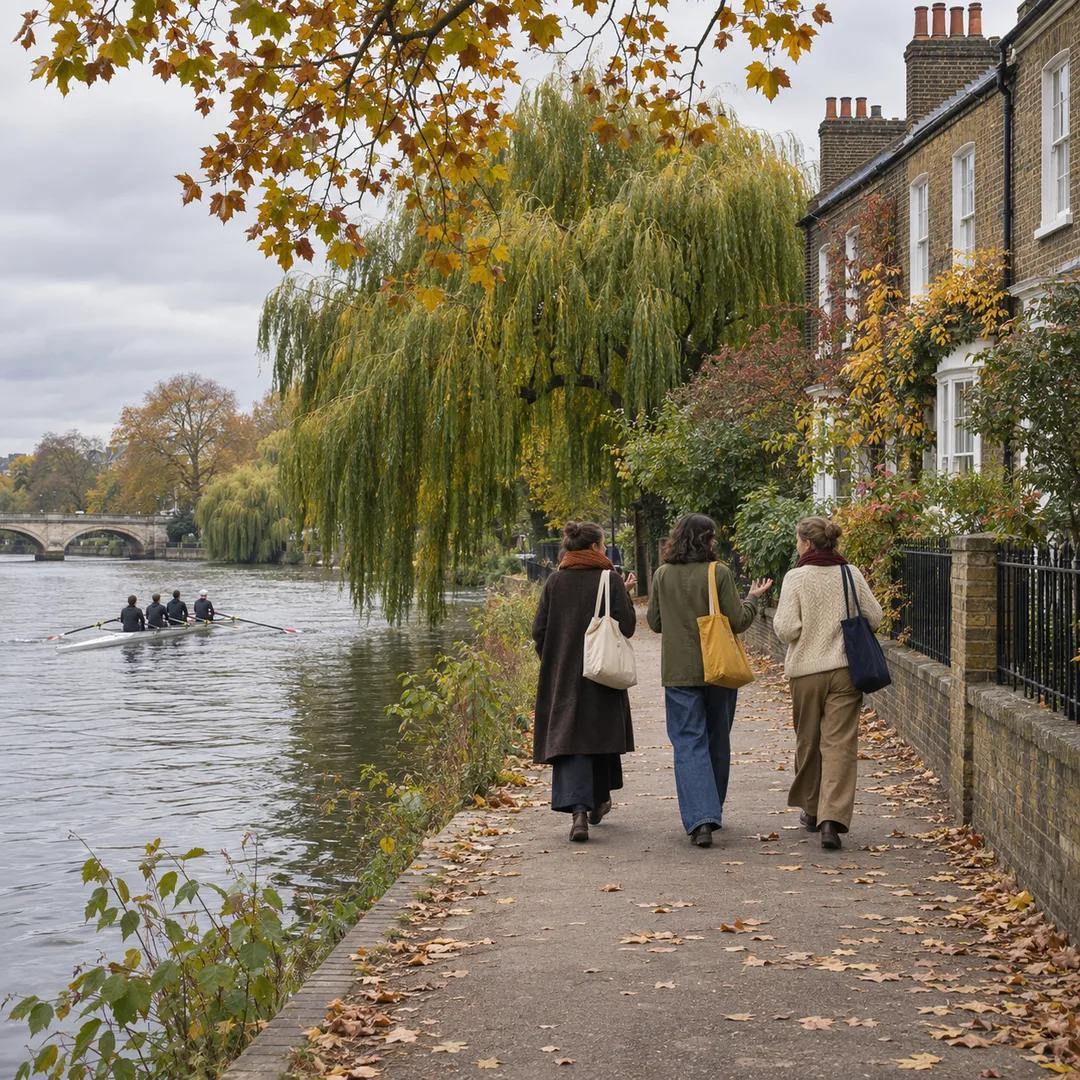
When the tea is finished, many groups are not quite ready to stop talking. Hammersmith makes that easy. Walk down to the river and follow the Thames path west along the Upper and Lower Mall, past old pubs, rowing clubs and handsome riverside houses. Rowers often glide past on the water, and the view softens even the fiercest argument about an ending.
If the group prefers green space, Ravenscourt Park is another good option, with its lake, walled garden and wide lawns. Gather on a bench and choose next month's book while the light fades. These walks often become the part of the meeting members look forward to most, a reward for reading to the final page on time.
Keeping New Members Comfortable
A tea room is a friendlier first meeting for new members than a stranger's home. Send them a short note about where you are meeting, what the book is and how long you usually stay. Encourage them to come even if they have not finished it. Plenty of good discussions start with someone admitting they gave up halfway and asking what they missed.
Seat newcomers in the middle of the table rather than at the end, so they can hear everyone and join in easily. Offer to pour their first cup. Small gestures like these make a group feel welcoming, and it is easier to make them in a relaxed public room than in a crowded living room where the host is busy in the kitchen.
Practical Notes for the Organiser
Decide in advance how the bill will be handled. Splitting evenly works for clubs that order shared pots and plates, while groups with very different appetites may prefer paying separately. Mention this to staff when you arrive so they can bring the bill in a sensible way. A little clarity at the start saves an awkward ten minutes of arithmetic at the end.
Keep a note of which rooms worked well and rotate among two or three favourites so the meeting never feels stale. Use the Karpo APP to find Hammersmith tea rooms with space for groups, save the ones your club likes, and share the plan in your group chat. The book changes each month, but a good table makes every meeting easier.
Ask Karpo for more information.
Keep reading
- Brixton Sourdough Bakery Crawl: Covered Market Ovens
 Hackney Sourdough Bakery Crawl: Broadway Market Loaves
 Islington Sourdough Bakery Crawl: Canal Towpath Mornings