 Brixton Vintage Thrift Shop Finder: South London Retro Gems
Hidden Gems & Odd Finds

Tailor Near Me on Savile Row: Norton & Sons for Handwork
A practical guide to Norton & Sons at 16 Savile Row, with a closer look at handwork, fittings, client etiquette, and a thoughtful Mayfair route.
Norton & Sons at 16 Savile Row is the tailor near me choice for a client who wants to understand how handwork changes a garment rather than simply admire a finished photograph. The useful visit begins with a concrete need: a travel suit, a durable odd jacket, or a formal piece that must sit correctly for long hours. Explain where your clothes fail now. The cutter can then discuss structure, cloth, and finishing in terms you can feel and use.
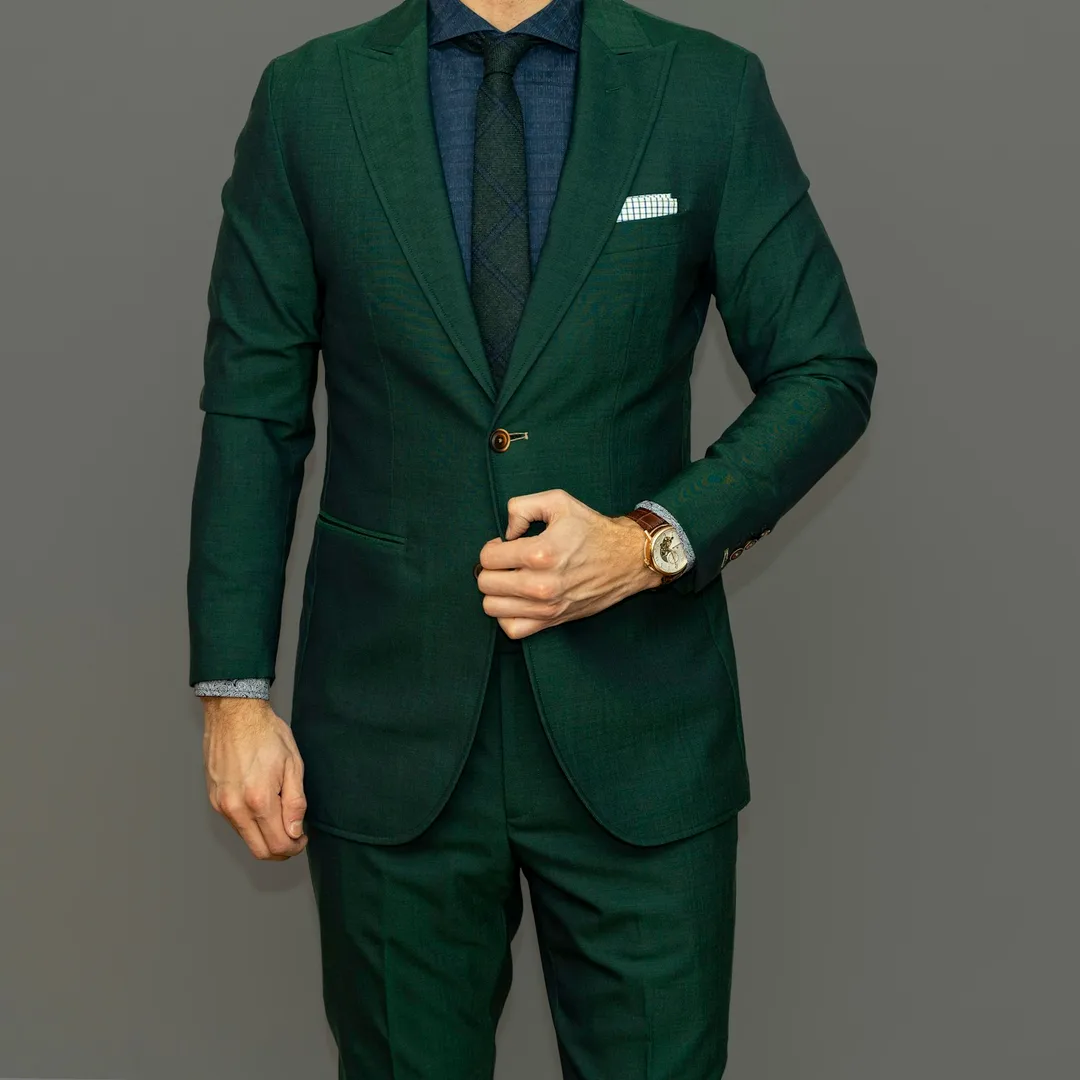
Handwork You Can Actually Notice
Handwork is not a magic word that makes every suit better. Its value appears in the way certain parts of a garment respond: a collar that settles, a lapel that rolls naturally, or a chest that moves without looking flat. Ask which choices will be visible in wear and which are primarily internal craft decisions. That keeps the conversation grounded. The goal is not to collect technical vocabulary; it is to build a jacket that improves with use.
The Savile Row Setting
Norton & Sons sits on the same short street as several houses with very different personalities. Use the concentration to compare carefully, not to rush from door to door collecting impressions. At 16 Savile Row, notice whether the consultation starts with your body and routine or with a menu of status signals. A good first meeting should make the process legible: what happens first, what the fittings test, and which decisions are still open.
Bring a Garment That Tells the Truth
The best reference garment is one you wear when no one is watching. Bring a jacket with the sleeve length you tolerate, the trouser rise you prefer, or the flaw that annoys you every morning. Explain why it fails. A cutter can work with a real example far better than a vague request for something timeless. The conversation should cover posture, movement, and maintenance, because a handcrafted garment still has to survive your calendar.
A Fitting Built in Stages
Bespoke fitting is a sequence of decisions. Early stages establish the overall balance; later stages refine the collar, sleeve, pockets, and trouser line. At each visit, check the garment while standing and moving. Sit down, reach forward, and walk across the room. If you feel pressure under one arm or see a diagonal pull, mention it before discussing decoration. The more clearly the fit problem is identified, the more elegantly the solution can disappear.
The Cloth Conversation
A cloth book can make every option look persuasive. Narrow the field by deciding how you will use the garment: frequent travel, daily office wear, ceremonies, or occasional dinners. Ask about recovery after sitting and how the fabric will respond to brushing and pressing. A durable cloth may be less immediately dramatic than a delicate one, but it can deliver more value if the jacket leaves the wardrobe every week. Utility is part of luxury.
What Not to Do in the Workshop
Do not handle unfinished work without asking, and do not assume a fitting is the right time for a full photo shoot. Tailors need to see the body and the cloth clearly. Arrive in a shirt that represents normal wear, keep the party small, and turn off notifications before the conversation begins. If you are comparing houses, take notes outside. A discreet visit protects other clients and gives you a cleaner read on the experience.
Planning Around the Row
A weekday morning or early afternoon gives you the best chance of a composed visit, especially if the appointment is your first introduction to bespoke. Build in walking time from Green Park or Piccadilly Circus and keep the rest of the day flexible. Do not stack an urgent alteration immediately afterward. If the fitting uncovers a new question about shoulder balance or trouser length, you want time to think rather than decide under pressure.
A Crafts-and-Galleries Walk
After leaving 16 Savile Row, head toward Burlington Gardens and the galleries around Cork Street, then continue to the quieter end of New Bond Street. It is a good neighborhood for looking at workmanship without turning the afternoon into another shopping marathon. If you need air, Green Park is close. The route mirrors the appointment: start with details, widen the frame, and return to the question of what will remain useful after the novelty fades.
The Right Client Profile
Norton & Sons can suit a client who is curious about construction and willing to participate in the process. You do not need to know every tailoring term, but you should be ready to answer practical questions and attend fittings. A rushed buyer may find the pace frustrating. Someone building a wardrobe over time will appreciate how a pattern and a set of preferences can become more precise with each commission.
The First Garment I Would Choose
For a first commission, I would choose a jacket with a clear job and moderate styling: a dark navy suit, a charcoal travel suit, or an odd jacket that works with trousers already in the wardrobe. I would skip a highly theatrical fabric until the fit is proven. Handwork is easiest to appreciate when the garment is in regular rotation. The test is the Tuesday meeting, the train platform, and the evening you forget you are wearing it.
Practical Notes
Norton & Sons is at 16 Savile Row, London W1S 3PL. Wear everyday shoes, bring a realistic work shirt, and leave time for a staged fitting process. Ask which construction decisions matter most for your use case and write down the agreed silhouette afterward. Avoid promises about a same-day completion; the value here is careful development. For anyone searching tailor near me, this is a visit to schedule, not an errand to squeeze between two trains.
The Takeaway
Norton & Sons is worth considering when the craft itself is part of the reason you are commissioning. The house makes most sense for a client who wants to understand why a collar, lapel, and chest feel different after careful work. Start with a real wardrobe problem, keep the first design disciplined, and judge the result in ordinary movement. At 16 Savile Row, the best souvenir is not a dramatic detail; it is a jacket that earns repeated wear.
Ask Karpo for more information.
Keep reading
- Brixton Vintage Thrift Shop Finder: South London Retro Gems
 Notting Hill Vintage Thrift Shop Finder: Preloved Rails
 Soho Vintage Thrift Shop Finder: West End Designer Archives