 Brixton Vintage Thrift Shop Finder: South London Retro Gems
Hidden Gems & Odd Finds
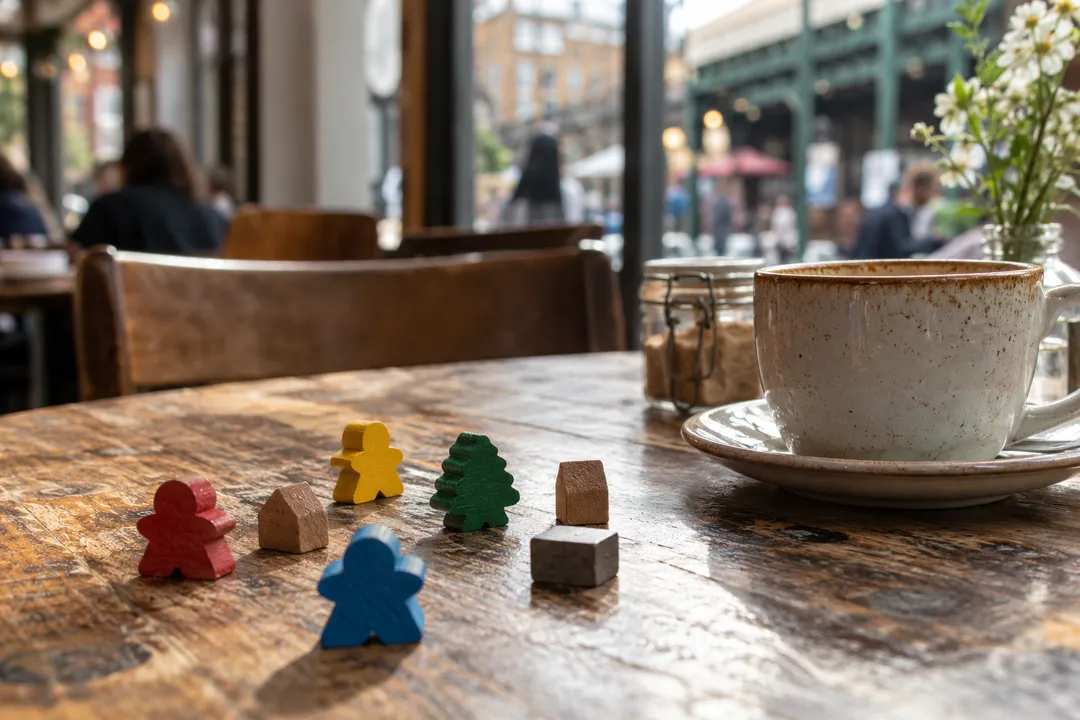
Borough Tabletop Game Shop: Plan A Longer Cafe Session
Bad Moon Cafe at 159A Great Dover Street combines a tabletop game shop with a spacious London gaming cafe, food, drinks and room to play in Borough.
Bad Moon Cafe Store is at 159A Great Dover Street, London SE1 4GZ, combining a tabletop game shop with a large board-game cafe. The venue combines food and drink options with gaming tables and a board-game library. That layout changes the shopping question. You are not only choosing a box; you are choosing the kind of session that can comfortably unfold around a table. Great Dover Street gives the evening a clear anchor.
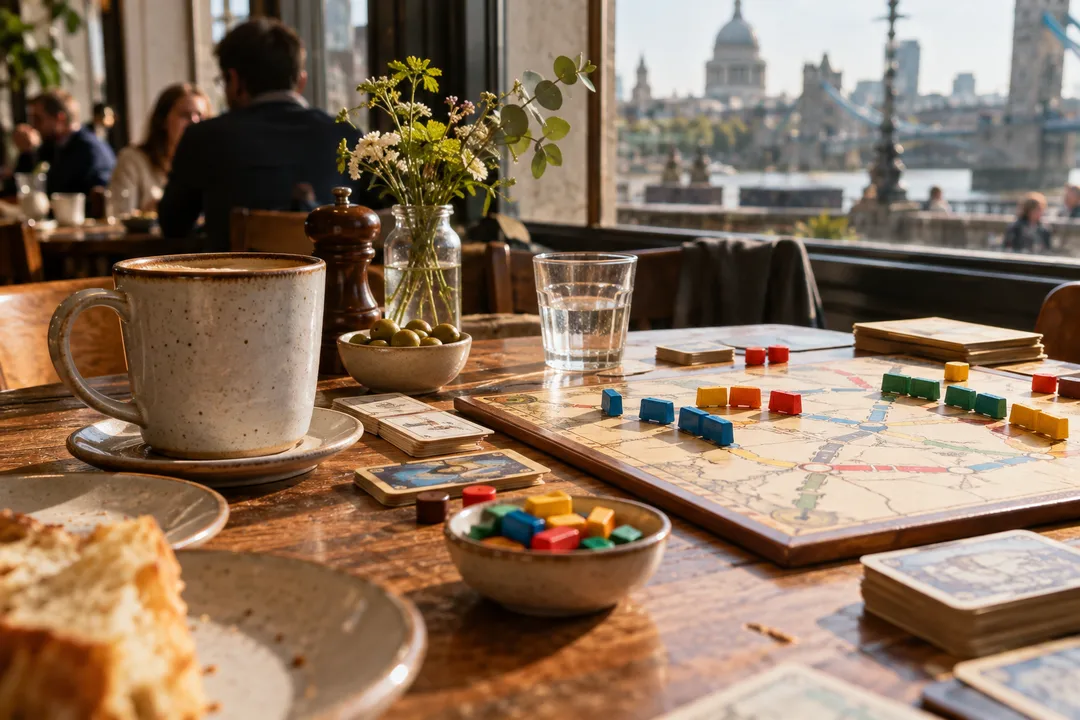
A cafe where the table is the point
Start with the group and the time you have. A short visit calls for a game that teaches quickly and packs away cleanly. A longer booking can support a campaign, a heavy strategy title or a game with a larger board. Bad Moon’s room makes it easier to leave a setup in place while people order food, but a big footprint still needs clear table etiquette. Keep cards and tokens inside the play area. Skip a sprawling campaign until the group has a rhythm.
The cafe setting is useful for mixed groups. One player can read a rulebook, another can order a drink and a third can watch a round before joining. Agree who is teaching before the first move. When food arrives, pause at a natural break and keep greasy plates away from cards. Those small habits protect components and stop the session from becoming a scramble between a menu and a board. Keep the Great Dover Street address in the group chat.
Choose a game for the room
A tabletop game shop inside a gaming cafe also lets you notice what people actually play. If the table next to you is laughing through a compact party game, ask what made it work. If another group is deep in a long strategy title, notice the table space and the rhythm of the turns. These observations are more useful than a bestseller list because they show how a game behaves with real people in a real room. The cafe format turns a purchase into an actual shared plan.
When browsing the store side, ask whether a box is complete on its own and how long the first session usually takes. If you are buying for the cafe table, prioritise components that can be reset without losing pieces. For a gift, choose a title that can survive different player counts. The strongest purchase is one that gives your group a reason to return, not one that looks impressive in a cupboard. A small game can bridge the gap while food is on the way.
Food, drinks and shared components
The venue’s spacious feel makes it tempting to over-plan. Resist the urge to bring three unplayed games. Pack one main choice, one compact fallback and any sleeves or dice you already own. A clear plan leaves room for conversation and food. If the main title proves too demanding, switching to the fallback is a sign of good hosting, not failure. The aim is a satisfying evening, not a test of endurance. Choose the table size before choosing a large box.
Borough gives you a natural before-and-after route. Walk toward the local high street, grab a simple snack before the session or take a short post-game stretch along the nearby streets. Keep the itinerary loose because a good game can run longer than expected. The Great Dover Street address is a useful anchor for groups arriving from different directions, and the cafe format means nobody needs to rush between venues. Give one person responsibility for teaching the first round.
Build a Borough route
My honest skip is the oversized game for a first meeting. Even with generous tables, a complicated setup can consume the social energy before anyone has made a move. Choose something teachable, then return for the long campaign once the group knows how the room works. Bad Moon is at its best when the cafe, the shop and the players support one another rather than competing for attention. Pause play before food arrives so cards stay clean.
Before leaving home, decide who carries the rules, who handles components and who orders the first round of drinks. Save the address as 159A Great Dover Street, London SE1 4GZ; the venue’s Borough booking page is the useful starting point for a table. Bring a bag for a boxed purchase, and keep a short fallback game in mind. Those practical choices make the venue’s generous footprint feel calm instead of cluttered. The room can include players with very different experience.
Practical notes for your session
Bad Moon Cafe Store is the Borough choice for players who want their tabletop game shop to lead straight into play. Browse with a specific group in mind, choose a game that fits the table and let the food-and-drink rhythm create natural breaks. The result is a London game night with a clear beginning, a comfortable middle and a reason to come back. One fallback game is plenty for a first meeting.
Keep Bad Moon Cafe Store on your London tabletop shortlist: the address, a clear player brief and one realistic game choice are enough to turn a browse into a useful session. A longer session needs components that are easy to track.
Bad Moon Cafe makes a tabletop purchase feel connected to an evening out. Choose a manageable title, keep the components clear of drinks, and let the group finish wanting another round.
Bad Moon Cafe on Great Dover Street joins shopping and play, so plan both before choosing a large box. Note the number of people, the teaching role and the time available. A compact card or tile game can start while food arrives; a sprawling campaign may need a quieter home table. The useful choice is the one the group can actually finish.
At Bad Moon, keep drinks at the edge of the table and pause before food arrives. Cards, tokens and rulebooks need a clean surface, especially when a first round is already using every available space. Choose a seat with room for the board and keep one fallback title in mind. A gentle pace is more welcoming than trying to prove the group can finish the biggest box.
The store side of the cafe rewards a practical check. Read the player range, setup time and expected duration, then ask whether an expansion assumes an earlier box. Write accessories on a separate line. Sleeves, dice or a storage tray are useful only when they support the game chosen for the first evening. That discipline protects the budget and keeps the table manageable.
A cafe teach works when one person explains the first turn and lets questions arrive during play. Give a new player a low-stakes role such as sorting pieces or reading a card. If the learning round runs long, stop after the main loop and save the rest for another date. Leaving with energy for a second visit matters more than completing every chapter.
Bad Moon Cafe turns a Great Dover Street purchase into a shared plan. Keep the address in the group chat, choose a manageable title and protect the components from spills. The best tabletop game shop visit ends with everyone wanting another round.
The cafe setting also changes how you judge value. A game that takes fifteen minutes to teach and fits beside a drink may be used more often than a longer title that needs a dedicated evening. Ask yourself whether the group wants cooperation, light competition or a story that can continue across visits. Keep the answer beside the player count while browsing. When the first round ends, invite the group to name one thing they enjoyed and one rule they would explain differently next time. That simple debrief gives the next Bad Moon visit a useful purpose. A short debrief after the learning round gives the next Bad Moon visit a purpose. Ask which rule felt clear, which component was hard to find and whether the table size worked. That information will guide a better choice next time and keeps the cafe's game nights welcoming for new players.
Ask Karpo for more information.
Keep reading
- Brixton Vintage Thrift Shop Finder: South London Retro Gems
 Notting Hill Vintage Thrift Shop Finder: Preloved Rails
 Soho Vintage Thrift Shop Finder: West End Designer Archives