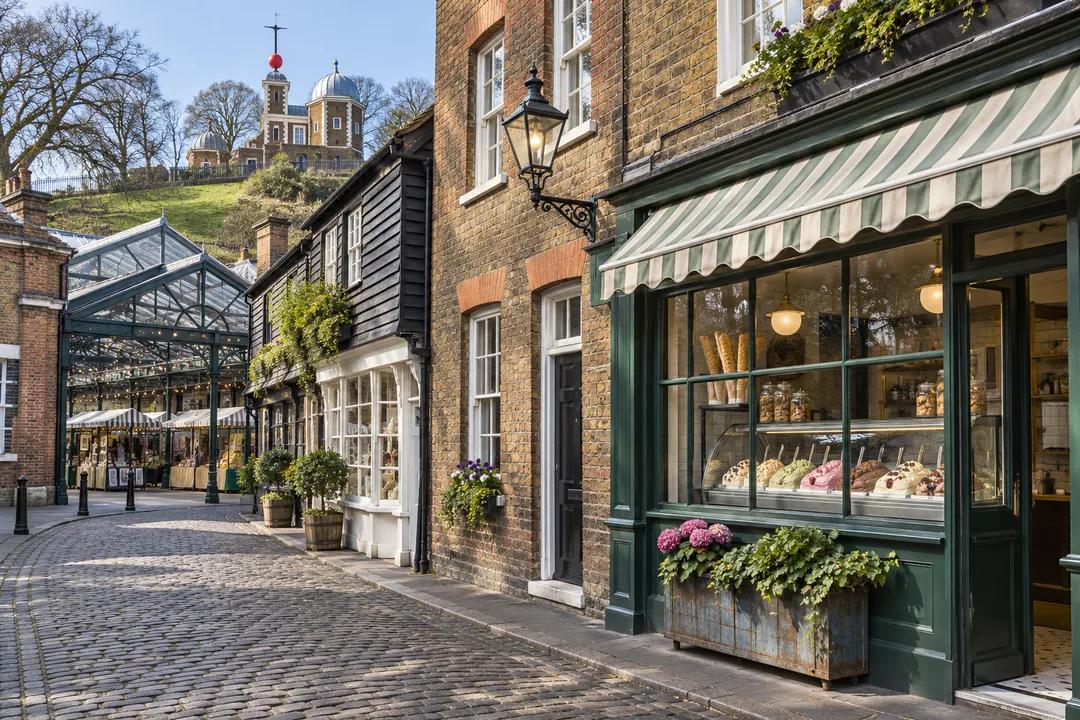
 Greenwich Gelato Shop Crawl: Market Cobbles to Park Hilltop
Coffee & Dessert

Marylebone Sticky Toffee Pudding Dessert Crawl on Sunday
Plan a Sunday Marylebone sticky toffee pudding dessert crawl from Manchester Square galleries to Georgian mews pubs and Marylebone Lane dining rooms.
Nothing builds an appetite for hot date sponge and dark treacle butterscotch faster than two hours of standing on polished parquet floors admiring eighteenth-century oil paintings while a crisp November wind rattles the plane trees outside Manchester Square. Last Sunday, after my partner Theo and I stepped down the front steps of the Wallace Collection with museum-weary calves, we decided to skip the long mid-afternoon Sunday roast waitlist and turn the quiet gap between lunch and dinner into a Marylebone sticky toffee pudding dessert crawl. By timing our walk for the late-afternoon lull when roast platters clear out and kitchen ovens stay warm, we compared a rustic coach-house pub pudding against a refined neighbourhood brasserie version along Marylebone Lane.
Catching the Sunday Afternoon Window After the Roast Rush
Marylebone runs on a distinct Sunday rhythm that sets it apart from the noise of Oxford Street just a few blocks south. Early afternoon belongs to families gathered around Yorkshire puddings and roast beef in the gastropubs around Moxon Street, Blandford Street, and George Street. If you walk in asking for two desserts while the carving stations are at full tilt, you will wait forever or find only standing room by the door.
Wait until the late-afternoon quiet settles over the grid—roughly the hour when daylight begins to fade over Paddington Street Gardens and museum visitors drift out of Manchester Square—and the entire neighbourhood opens up. Dining room tables empty out, fireside leather armchairs in the back parlours of Georgian pubs become free, and pastry chefs still have fresh trays of date sponge resting in the warming cabinet before the evening shift begins.
Pull up the Karpo APP as you leave Manchester Square to view gastropubs, coaching inns, and neighbourhood brasseries along your path north toward Regent's Park so you can sequence two contrasting pudding kitchens without backtracking.
Coach-House Mews Pubs Versus Marylebone Lane Brasseries
What makes Marylebone such a natural classroom for British hot puddings is the sharp contrast between its hidden mews taverns and its polished village high-street dining rooms. Duck into one of the cobbled coach-house lanes off Thayer Street, Bulstrode Street, or Jacob's Well Mews, and you enter low-beamed rooms where sticky toffee pudding is treated as hearty winter ballast. Here the sponge is dark, dense, and ruggedly textured with whole pieces of softened date, served in deep earthenware dishes with a generous lake of black-treacle sauce and hot vanilla custard.
Walk five minutes across to the winding curve of Marylebone Lane or the smart corners of Chiltern Street, and the same classic Cumbria-born dish receives a pastry-chef makeover. The date puree is whipped directly into the batter for a finer, soufflé-light crumb, sometimes crowned with a crisp tuile of salted butter brittle or a quenelle of cultured crème fraîche to balance the muscovado richness.
Tasting these two interpretations side by side on a single afternoon shows how the exact same pantry staples—dates, brown sugar, butter, cream, and flour—can feel either like a fireside farmhouse supper or a tailored dining-room finale. Ask for warm plates at both stops so the butterscotch stays fluid from the first corner cut to the final scrape of the dish.
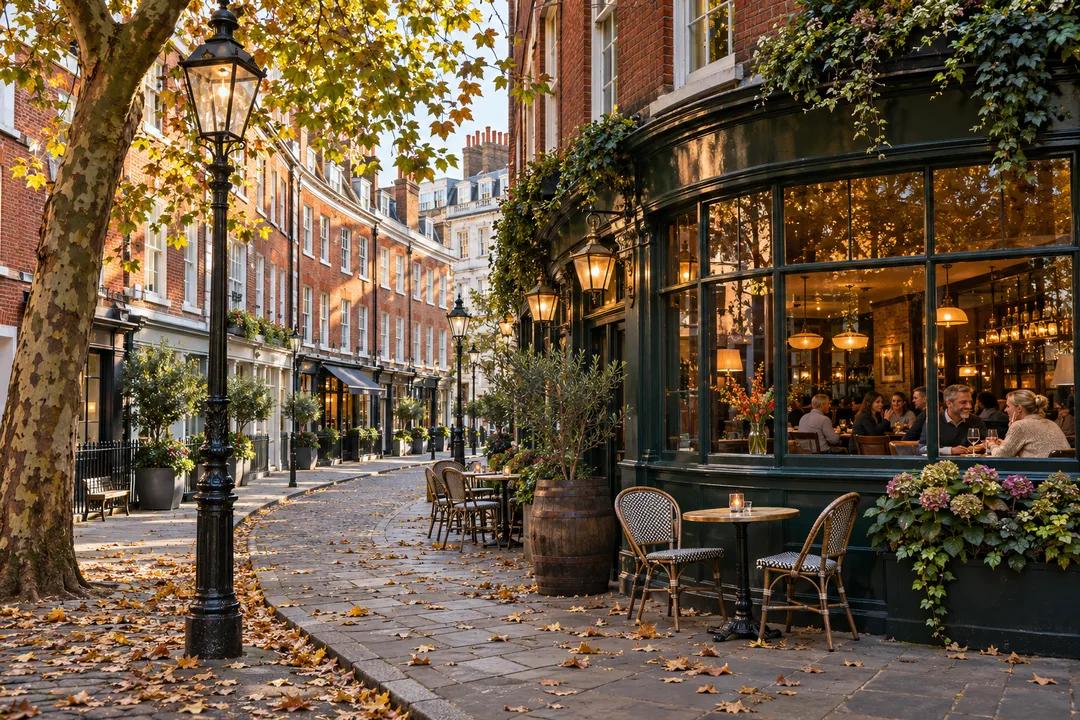
Custard, Clotted Cream, or Crème Fraîche: Testing the Pour
When you and a companion split two bowls across Marylebone, use the accompaniments as your primary tasting test. Before touching the cream or custard, take one corner bite of the bare sponge and butterscotch alone to judge the sugar roast and spice level. Good Marylebone kitchens never rely on artificial caramel flavouring; you should taste the deep, roasted liquorice edge of dark muscovado or black treacle alongside a clean hint of warm ginger or nutmeg.
Next, test how the cold or hot dairy changes the dish. In a pub parlour, hot bird's-style or egg-yolk custard blends with the toffee sauce into a single velvet pool, warming you straight through after a chilly walk. In a brasserie, ask for cold pouring double cream or thick Cornish clotted cream on the side: the temperature shock between piping-hot date cake and fridge-cold cream keeps the butterscotch from feeling cloying.
Skip any heavy chocolate-fudge drizzle or extra biscuit crumble toppings if the menu offers them as add-ons; they bury the delicate date fibre and turn a balanced British pudding into a generic sugar bomb.
Walking the Georgian Grid From St Christopher's Place to Park Square
A proper dessert crawl in W1 needs a scenic digestif route between bowls so your appetite resets naturally. Start at the southern end by threading through the pedestrian alley of Gees Court into St Christopher's Place, then follow the historic S-curve of Marylebone Lane—one of the few streets in the district that still traces the medieval footpath along the old Tyburn stream rather than the eighteenth-century aristocratic grid.
After your first pudding stop, detour west onto Chiltern Street to admire the red-brick Gothic Revival facade of the old fire station and browse the quiet shop windows, then cut through the calm leafy paths of Paddington Street Gardens. The tall London plane trees and brick garden walls feel miles removed from central London traffic, offering dry benches where you can pause before heading to your second kitchen near Devonshire Street or Weymouth Street.
Once your second spoon is set down, finish the loop by walking north across Marylebone Road through York Gate right into the southern lawns of Regent's Park, where the wide gravel avenues around Queen Mary's Gardens let you walk off the rich butterscotch as twilight settles over the boating lake and rose beds.
Rainy-Day Shelters and Easy Baker Street Fallbacks
London weather in late autumn can turn from bright sunshine to sideways sleet in ten minutes, so build indoor buffers into your Sunday route. If a sudden downpour catches you between stops on Marylebone High Street, step into the timber-galleried Edwardian hall of a historic travel literature shop or browse the covered cheese room and food counters along Moxon Street until the shower passes and the flagstones dry.
If a Sunday private party or an overrun roast sitting leaves your chosen pub on George Street or Blandford Street without a free table, do not waste your afternoon hovering by the coat rack. Pivot five minutes south toward Seymour Place and Connaught Street on the edge of Portman Village, where quieter neighbourhood gastropubs and hotel drawing rooms keep afternoon pudding service running smoothly without the central crowd.
Check the Karpo APP before you step back out into the cold to compare nearby Marylebone and Fitzrovia kitchens, then catch the Underground from Baker Street, Bond Street, or Regent's Park station at the end of your walk.
Ask Karpo for more information.
Keep reading
- Greenwich Gelato Shop Crawl: Market Cobbles to Park Hilltop
 Hackney Gelato Shop Crawl: Small-Batch Arch and Park Route
 Islington Gelato Shop Crawl: Sunday Canal and Passage Walk