 Notting Hill Budget Lunch Route Planner: Golborne Road Cafes
Restaurants
Borough Steak and Ale Pie Pub Picker: Weekday Lunch Guide
Pick between Stoney Street railway-arch suet crust rooms and Borough High Street galleried coaching inns. Order marrow jugs with porter before Southwark walks.
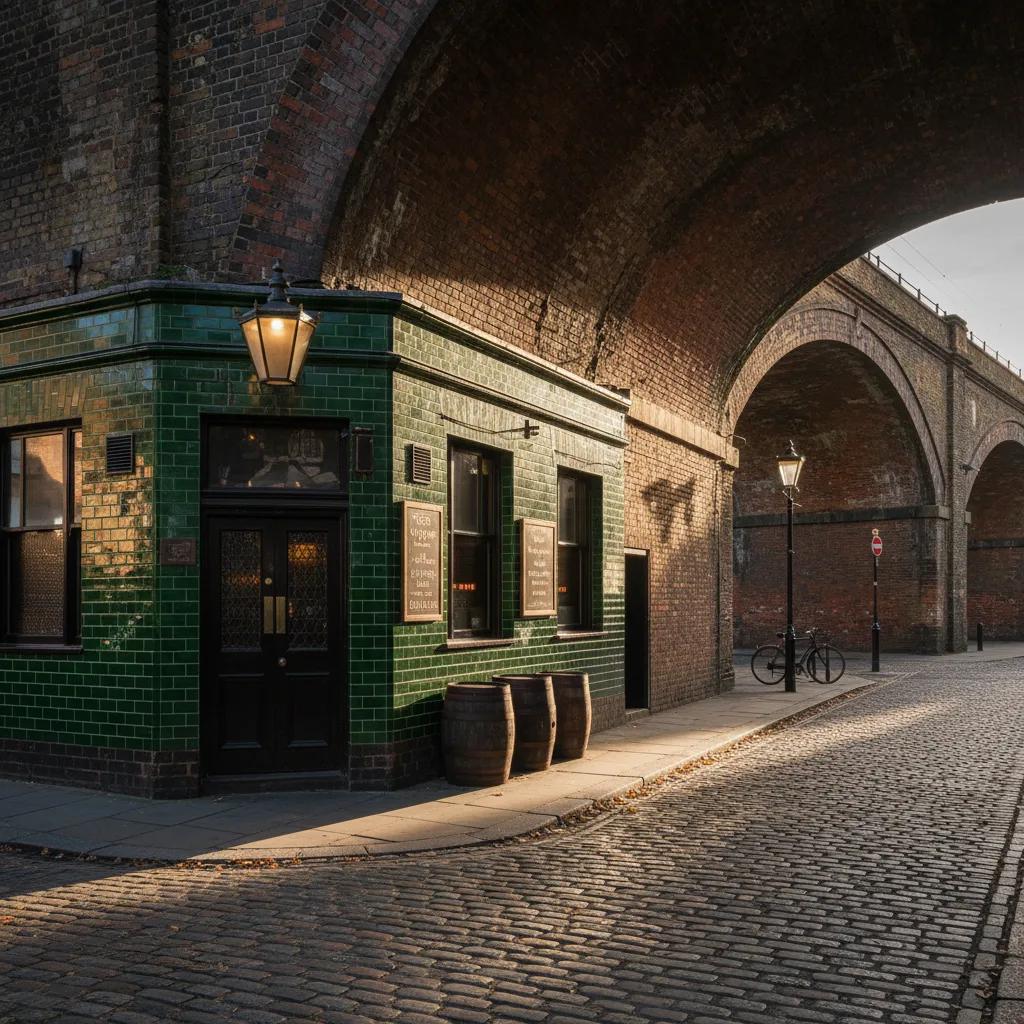
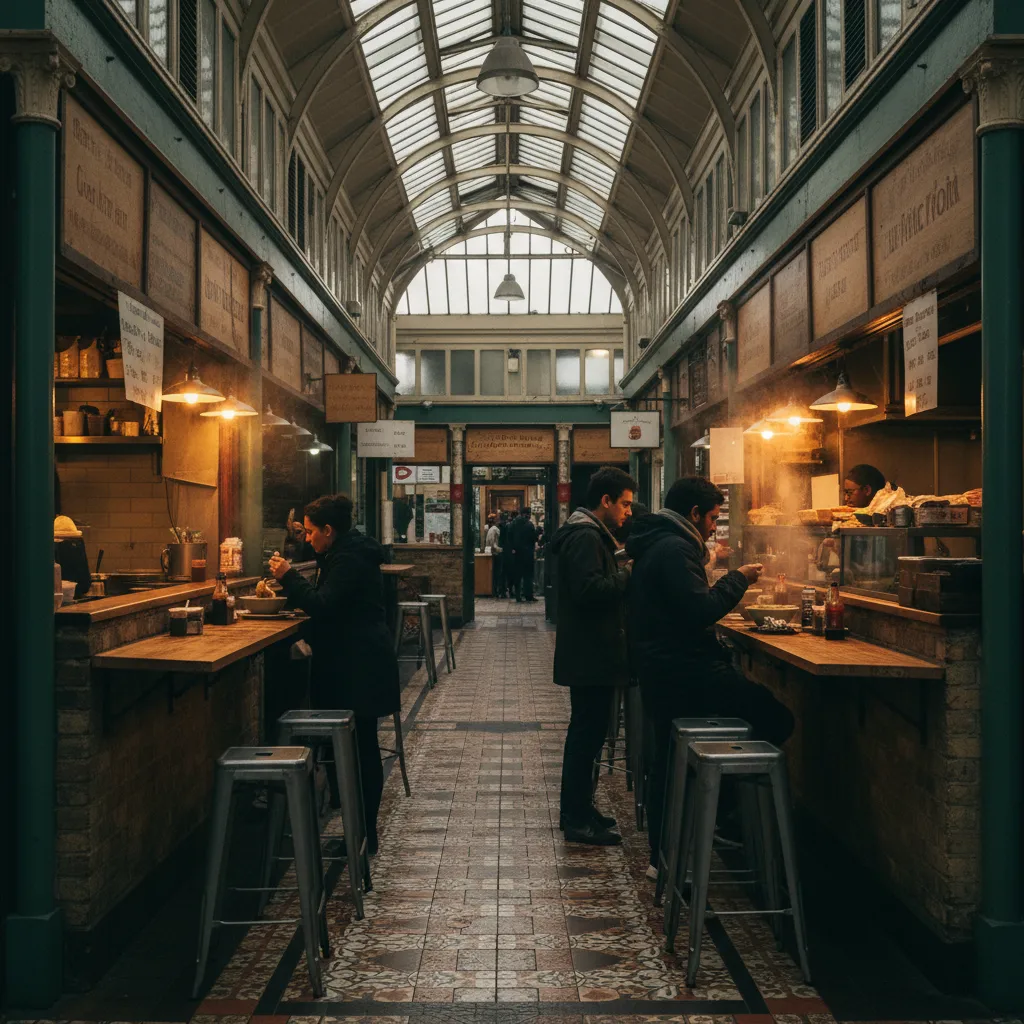
Step out from beneath the iron-and-glass canopy of Borough Market on a damp November afternoon, and the smell of roasted malt and caramelizing beef dripping drifts across Stoney Street from the red-brick railway arches overhead. When architectural conservator Maya, her brother Liam, and a visiting cousins' group from Cardiff use a steak and ale pie pub picker to plan a cold-weather lunch in Borough, they split the neighborhood into two distinct tavern traditions. Along the cobbled lanes of Stoney Street, Bedale Street, and Park Street, Victorian corner houses and railway-viaduct dining rooms bake deep, fully enclosed suet-crust puddings and double-crust shortcrust ovals stocked directly from neighboring market butchers. Over on the eastern side of Borough High Street, timber-galleried coaching inns and narrow courtyard taverns lean toward individual ceramic dishes crowned with laminated puff-pastry domes.
Viaduct Suet Crusts Versus Coaching-Inn Puff Lids
Choosing between those two styles starts with how much time your group wants to spend at the table and what kind of crust texture you crave after walking in the river wind. The viaduct dining rooms near the market perimeter treat pie making as a structural craft: beef suet pastry is rolled thick enough to steam on its inner face while blistering golden-brown against the tin, sealing in chuck and skirt cuts braised in dark London porter. Because those kitchens bake to order or pull small batches from deck ovens, the atmosphere Upstairs feels like a proper chop-room lunch where timber booths fill with Southwark bookbinders, produce buyers in wax jackets, and off-duty cheesemongers resting their canvas totes beneath the settles.
By contrast, the galleried inns and narrow alley taverns branching off Borough High Street cater to walkers who want a faster turn or a seat beside an open coal grate in a wood-paneled ground-floor snug. Here the braised beef shin and chestnut mushroom filling is ladled bubbling hot into oval stoneware dishes and capped with a high, egg-washed rough-puff lid that shatters cleanly under a fork. If your main priority is soaking up thick ale gravy with dense, tallow-enriched pastry, head straight for the viaduct arches west of the market; if you prefer crisp, airy layers of butter pastry and a historic courtyard view where Dickensian stagecoaches once unloaded wool merchants, the eastern alleys deliver a completely different afternoon rhythm.
Reading the Gravy, Ale Reduction, and Pastry Texture
Look closely at how each Borough kitchen handles its ale reduction before you commit to a chalkboard special. The sharpest market-edge kitchens braise coarse-cut featherblade or ox cheek with dark mild or oatmeal stout, whole shallots, thyme bundles, and a spoonful of black treacle, cooking the liquor down until it coats the back of a pewter spoon without relying on heavy flour roux. Several Stoney Street dining rooms drive a hollow beef-marrow bone straight through the center of the pastry lid as a natural steam chimney, allowing diners to scrape roasted marrow into the gravy before taking their first bite.
If a pub menu lists only a generic 'chef's pie of the day' without naming the cut of beef or the style of cask ale in the braise, skip that board and walk two minutes toward Winchester Walk or Park Street. You should also skip ordering heavy triple-cooked chips alongside a suet-crusted pie; suet pastry is already rich and substantial, and pairing it with a mound of fried potatoes dulls the malty bitterness of the gravy. Instead, ask whether the kitchen sends out a supplemental pewter jug of extra ale reduction on the side, which keeps the bottom crust moist down to the final forkful.
Midweek Market Timing and Snug Seating Etiquette
Timing your arrival around the mainline commuter waves at London Bridge Station changes the entire experience of a Borough pub lunch. Between Thursday afternoon and Saturday midday, the ground-floor bars nearest the market bells pack three-deep with office groups holding pints under the heat lamps, making table service slow and noisy. Sliding into a dining room on a Tuesday or Wednesday just as the midday lunch board goes up—or waiting until the mid-afternoon lull when the market traders finish packing their crates—lets you claim a window banquette looking out toward the Gothic stonework of Southwark Cathedral.
Borough pubs follow an unspoken division between vertical drinking bars and sit-down pie rooms that newcomers often miss. In the traditional corner taverns along Bedale Street, the ground-floor saloon bar operates on a counter-order basis: you secure a numbered brass tally or wooden spoon at the mahogany bar, order your pints and pies together, and keep your coats tucked off the narrow servery pass whenever the kitchen bell rings. Upstairs dining rooms, on the other hand, run full table service with linen napkins and expect every guest at the table to order a main course rather than nursing a single half-pint.
Pairing Cask Bitters, Porters, and Winter Greens
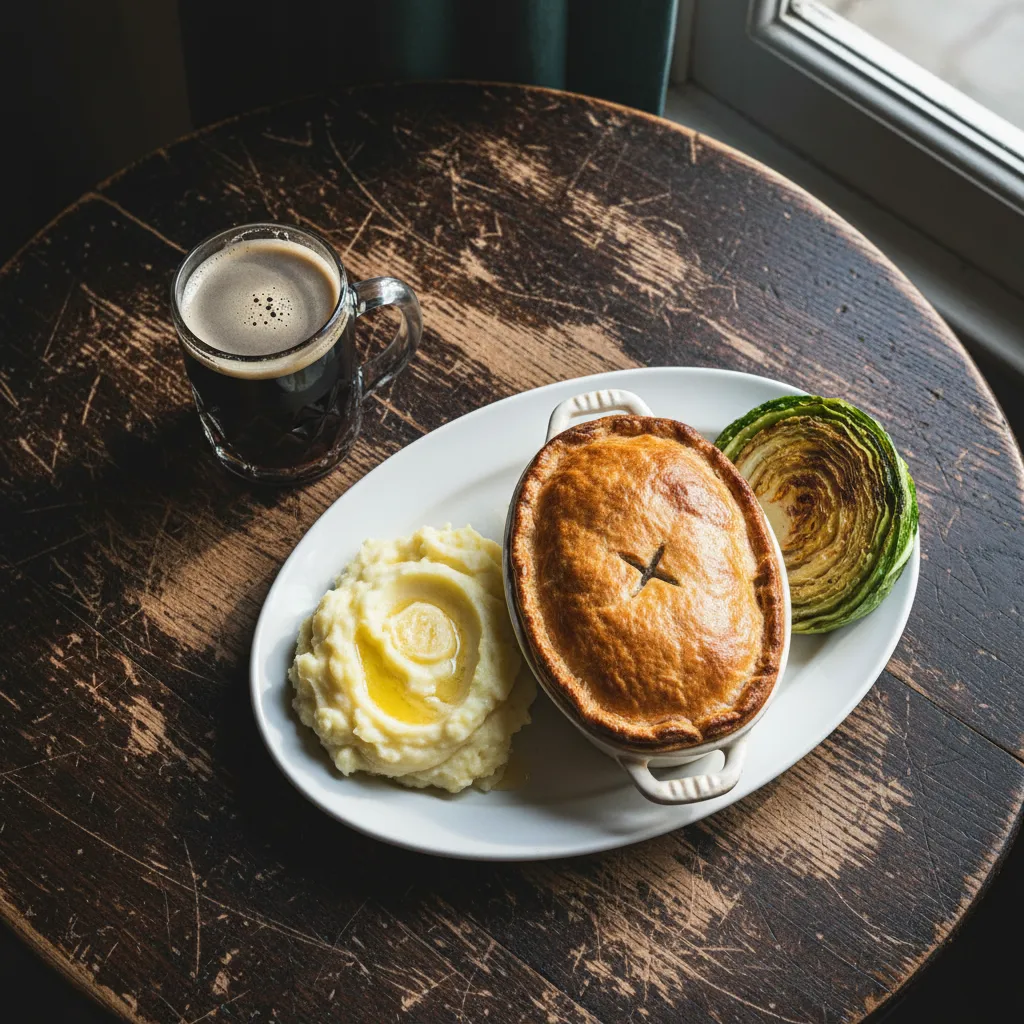
A proper steak and ale pie calls for sides and cask conditioning that cut through slow-cooked gelatin rather than competing with it. Maya and Liam always pair a dark porter-braised pie with charred hispi cabbage dressed in wholegrain mustard butter, or buttered mash whipped with a touch of horseradish to brighten the palate. When choosing from the handpumps, look for a cellar-cool Sussex best bitter, an earthy Fuggles-hopped pale ale, or a ruby mild served through a swan-neck sparkler; icy cold lagers flatten the warm fat of suet pastry and clash with the roasted barley notes in the dish.
When your first-choice tavern under the viaduct arches has a forty-minute wait on the chalkboard or has just chalked out its last bone-marrow pie of the afternoon, having a Plan B keeps your group out of the drizzle. Open the Karpo APP to filter nearby Southwark pubs by quiet upstairs dining rooms, traditional British pie kitchens, or dog-friendly snugs within a five-minute walk. Instead of wandering blindly toward the tourist-heavy riverfront chain bars, you can pivot immediately to a backstreet tavern near Red Cross Garden or Union Street that still has space around a corner settle.
Walking Off Lunch Around Southwark Cathedral and Clink Street
Once the plates are cleared, Borough rewards a slow digestive loop through some of London's oldest medieval street patterns. Step out onto Winchester Walk to inspect the thirteenth-century rose-window gable of Winchester Palace, where the Bishops of Winchester once held riverfront banquets, then cut through the quiet herb beds and Victorian cottages of Red Cross Garden along Red Cross Way. Even on a grey winter afternoon, the sheltered churchyard around Southwark Cathedral offers dry stone benches and quiet views of the railway trains rumbling slowly across the iron viaducts.
For groups extending their walk toward the river, follow Clink Street beneath the dark brick warehouses past the moored galleon replica at St Mary Overie Dock and up onto the riverside path toward Bankside. You can check the Karpo APP along the walk to spot an independent coffee roastery on Bermondsey Street or a quiet taproom tucked inside a nearby railway arch for a final digestif before catching the Northern or Jubilee line home from London Bridge.
Ask Karpo for more information.
Keep reading
- Notting Hill Budget Lunch Route Planner: Golborne Road Cafes
 Camden Budget Lunch Route Planner: Lock or Drummond Street
 Brixton Budget Lunch Route Planner: Covered Arcades When Wet