 Brixton Vintage Thrift Shop Finder: South London Retro Gems
Hidden Gems & Odd Finds
South Bank Stationery Shop Crawl Planner Guide
Plan a South Bank stationery crawl around river sketches, testing portable tools and shaping a practical kit for changing light and weather on foot.
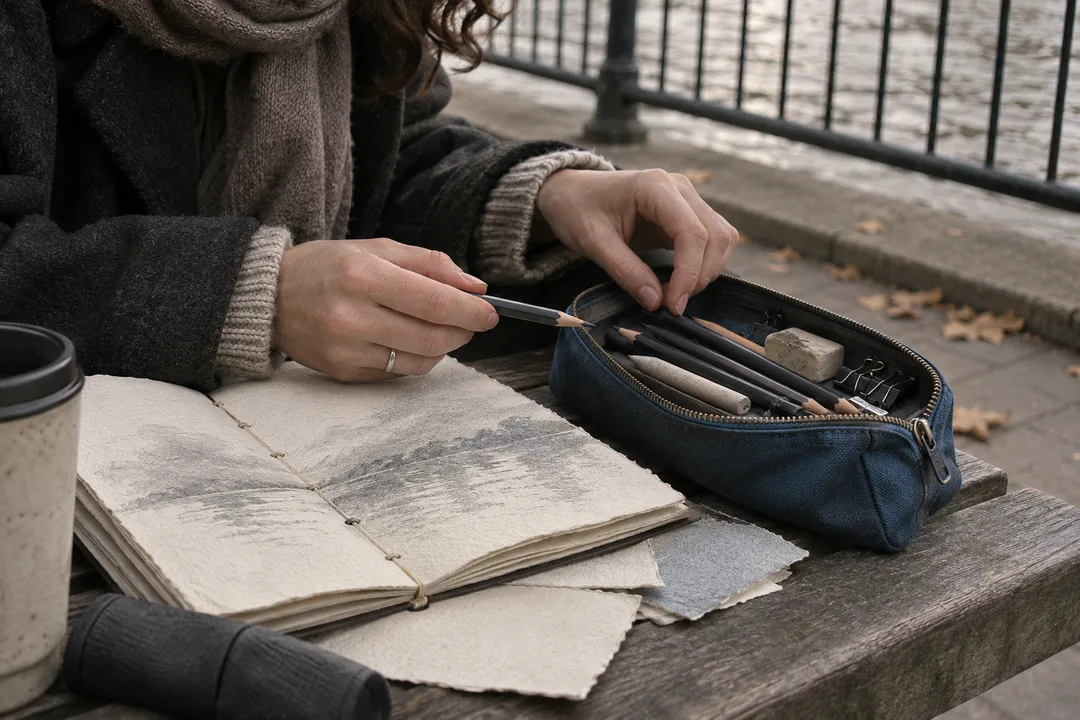
South Bank works best when a stationery shop crawl begins with a drawing promise: capture reflections, railings and moving silhouettes before the afternoon changes. I would carry one slim notebook, a graphite range and a pen that tolerates damp fingers. That brief keeps browsing connected to an actual walk instead of turning every shelf into a souvenir hunt.
Prepare a rainy-day reset
South Bank working note 20: keep one small observation beside the chosen tool, record what changed in your hand, and let that evidence guide the next stop instead of adding another untested item.
South Bank working note 21: keep one small observation beside the chosen tool, record what changed in your hand, and let that evidence guide the next stop instead of adding another untested item.
Leave room for the next walk
South Bank working note 22: keep one small observation beside the chosen tool, record what changed in your hand, and let that evidence guide the next stop instead of adding another untested item.
South Bank working note 23: keep one small observation beside the chosen tool, record what changed in your hand, and let that evidence guide the next stop instead of adding another untested item.
Choose a river sketch brief
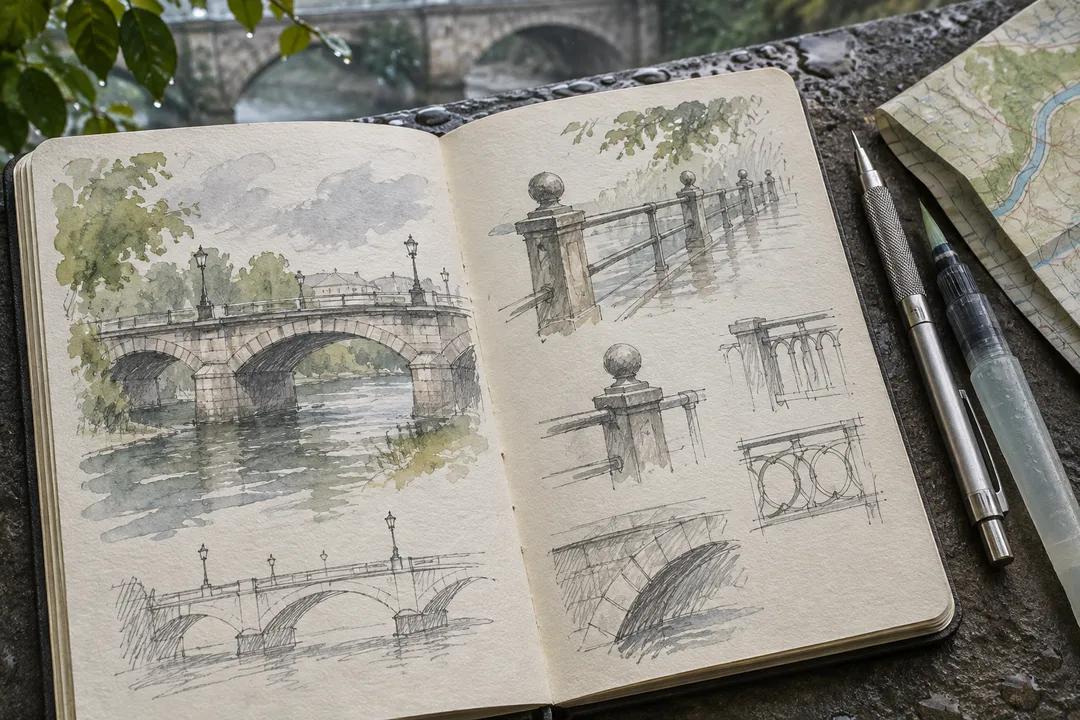
Set three tests before you leave home. Paper must take a quick wash without buckling, a pencil must make both a whisper and a dark edge, and the bag must close while you are standing. Those limits give a companion something useful to discuss and make each stop answer a question rather than invite an endless browse.
The riverfront rewards a slow first counter. Handle several page surfaces, then make the same ten-second mark on each: a vertical post, a curved railing and a shadow. Notice drag, drying time and how the graphite sits after a thumb passes over it. A small test strip tells you more than a dramatic cover display.
Test paper against the weather
Use the next stop for movement. Sketch a passer-by in three gestures, then test a compact brush pen or water brush over the line. If the ink blooms into a puddle, it belongs in a studio drawer; if it keeps its character while you walk, it earns a place in the day kit. Keep the useful sample tucked inside the notebook.
Make one purchase the anchor and let every other item serve it. A dark blue pencil might need a sharpener, a kneaded eraser and paper with enough tooth to show its pressure changes. A letter-writing pad might call for a matching envelope and blotter. The rule prevents a heavy bag full of unrelated possibilities.
Pack one hero tool
Weather changes the route, so give the paper a zip sleeve and keep a cloth beside the pen. Under covered links, test drying and smudge resistance before returning outdoors. A short indoor pause is part of the plan, not a failed walk. Karpo APP can reorder the stops around the conditions you describe.
Skip the novelty shelf when it competes with the tool you came to find. Oversized clips, scented erasers and clever organisers look lively in a photo but add decisions to a wet sketching day. I would choose a plain case with two compartments, because finding a pencil without unpacking the whole bag is a genuine luxury.
Skip decorative dead weight
People give the route its rhythm. A parent may want a postcard set, a commuter may be choosing a single reliable pen, and a student may compare every blue ink. Let them browse at different speeds, then meet at a bench for a two-minute show-and-tell. The shared rule is to draw hands or gestures rather than intrude on faces.
Open Karpo APP before the first stop and describe the job, mood and walking tolerance in ordinary language. Ask for a stationery crawl that starts quietly, includes a place to test paper, and ends near a route home. Save the suggestions, then edit them to match your companion’s pace and the sky.
Let Karpo APP arrange the loop
If someone in your group is not stationery-focused, give them a parallel assignment: collect three textures for a photo palette or find a bench with the clearest reflection. They stay engaged while you compare nibs. Regroup after each mission and trade one observation, so the crawl feels like an outing rather than separate errands.
Finish with a page titled “what earned its place.” Record the tool, the surface it liked and the moment you used it. If a new pencil never left its sleeve, mark that honestly. The note becomes a filter for the next visit and keeps a persuasive display from rewriting your memory.
Give companions a parallel mission
Build a rainy reset into the sequence before you need it. Keep spare paper in a sealed pouch, dry a cap before closing it and move the longest outdoor sketch to the end. If the drizzle settles in, switch to lettering or thumbnail composition under cover and let the route remain useful.
Write a handoff note while the choices are fresh. Mention which counter had patient testing space, which paper survived a wash and which item felt awkward in the hand. A friend can follow the note without copying your preferences, because the evidence is tied to a task rather than a vague recommendation.
Record what earned its place
Use a small quality check at the final bench: count the tools, open every cap and inspect the paper edges. Remove duplicates before they become permanent weight. A three-minute reset also catches the loose graphite stick that would otherwise dust the inside of the tote.
Close the loop by planning the next drawing subject, not another shopping target. South Bank gives you water, hard lines and changing crowds, so let the new kit respond to one of those. When the walk ends with a page you want to keep, the stationery crawl has done its job.
Write a handoff for next time
South Bank working note 16: keep one small observation beside the chosen tool, record what changed in your hand, and let that evidence guide the next stop instead of adding another untested item.
South Bank working note 17: keep one small observation beside the chosen tool, record what changed in your hand, and let that evidence guide the next stop instead of adding another untested item.
Close with a repeatable checklist
South Bank working note 18: keep one small observation beside the chosen tool, record what changed in your hand, and let that evidence guide the next stop instead of adding another untested item.
South Bank working note 19: keep one small observation beside the chosen tool, record what changed in your hand, and let that evidence guide the next stop instead of adding another untested item.
Ask Karpo for more information.
Keep reading
- Brixton Vintage Thrift Shop Finder: South London Retro Gems
 Notting Hill Vintage Thrift Shop Finder: Preloved Rails
 Soho Vintage Thrift Shop Finder: West End Designer Archives