 Brixton Vintage Thrift Shop Finder: South London Retro Gems
Hidden Gems & Odd Finds
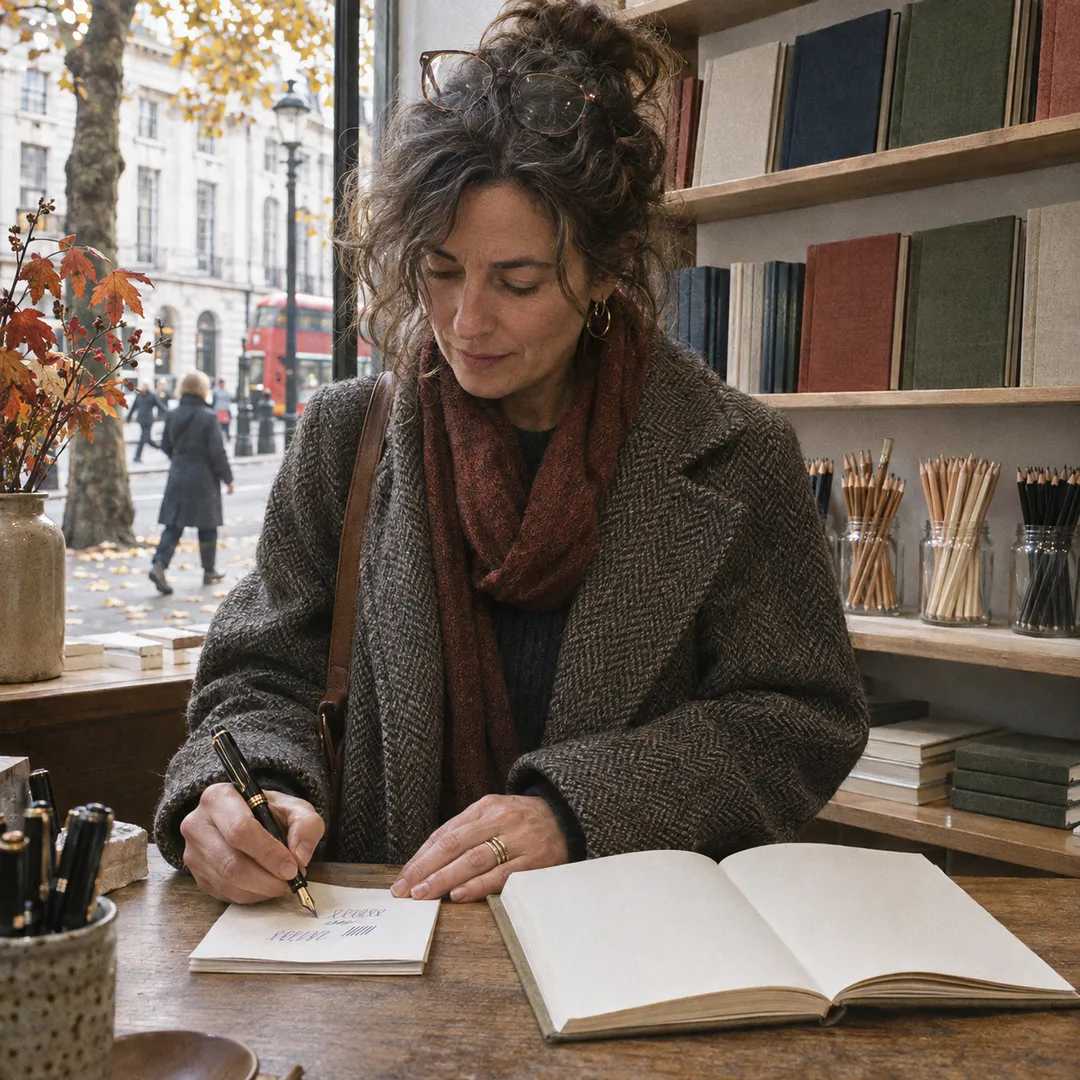
Fitzrovia Stationery Shop Crawl Planner for a First Novel
Starting a novel? This Fitzrovia stationery crawl builds a first-draft kit, from notebook and pen to index cards, past the writers' houses of Fitzroy Square.
Fitzrovia has been a writers' neighbourhood for more than a century, and this stationery shop crawl planner is built for someone who has finally decided to start the novel. You do not need an expensive desk or a writing retreat. You need a notebook that you will not be afraid to ruin, a pen that keeps up with your thinking and a quiet afternoon on streets where other people once did the same thing and finished.
Why Fitzrovia Suits a First Draft
Fitzrovia sits just north of Oxford Street, but it feels like a different city once you cross into the grid of Charlotte Street, Goodge Street and the lanes in between. The pubs, small restaurants and design studios keep it lively in the daytime, yet the side streets stay calm enough for thinking. It is the kind of neighbourhood where nobody looks twice at someone scribbling at a café table.
The writing history is real rather than invented for tourists. George Bernard Shaw lived at a house on Fitzroy Square in his early London years, and a young Virginia Stephen, later Virginia Woolf, moved into the same building after him. A short walk away, the old Fitzroy Tavern became a meeting place for poets and novelists between the wars. Walking past those doors gives a nervous beginner a little nerve.
Who This Crawl Is For
This plan is for the person who has been carrying a story around in their head for years and keeps waiting for the right moment. Maybe you have a few pages saved on your phone, or a folder of notes nobody has read. The crawl turns that vague promise into a small set of tools you can hold, which makes the first session at home far less abstract.
It also works well for a writing group of two or three friends who want to start together. Each person shops for their own kit, then you compare choices over coffee and agree on a first deadline. It is less useful if you already have a settled system you love, because the point here is choosing tools for a beginning.
Building a First-Draft Kit
Keep the list short. A first draft needs one main notebook, one pen you enjoy, a pack of index cards for scenes and a small pocket notebook for ideas that arrive on the bus. Anything beyond that tends to become a hobby of its own, and buying more supplies is a familiar way to avoid writing.
Pick the main notebook by how you write rather than by how it looks. If you cross out a lot, choose plain or dotted paper with a little weight so ink does not show through. If you like to number scenes, a notebook with numbered pages saves time later. Lay-flat binding matters more than the cover, because you will be writing on your knee as often as at a table.
Testing Pens Without Feeling Silly
Most independent stationers in central London keep a test pad near the pens, and using it is expected. Write a full sentence from your story rather than your name, because a pen behaves differently over a line of real thinking. Notice whether your hand tires, whether the ink smudges when you move quickly and whether you can read your own writing back.
A fine rollerball or a simple steel-nib fountain pen suits long drafting for many people, while a soft pencil feels freer if you are nervous about committing words. Ask the person at the counter what they use for long writing sessions. Staff in small shops often have strong opinions, and their reasons will help you decide even if you choose something else.
Index Cards and Scene Planning
Index cards are the most underrated purchase on this crawl. Write one scene per card, a sentence or two each, and you can shuffle the whole shape of a story on a table in ten minutes. Many novelists rely on this habit because it lets you see the plot without rereading pages you are not ready to judge.
Look for a small box or a band to keep the cards together, and a couple of coloured pens to mark point of view or timeline. Keep the colours to three at most. The goal is a map you can read at a glance, not a decorated project, and a simple system survives the messy middle of a draft.
A Walking Route Between Shops
Start near Goodge Street and drift north along Charlotte Street, where the restaurants give way to quieter terraces. Look into whatever paper shops and art suppliers you pass rather than rushing to one destination. The neighbourhood rewards slow walking, and some of the best small shops are on corners you would never find from a map alone.
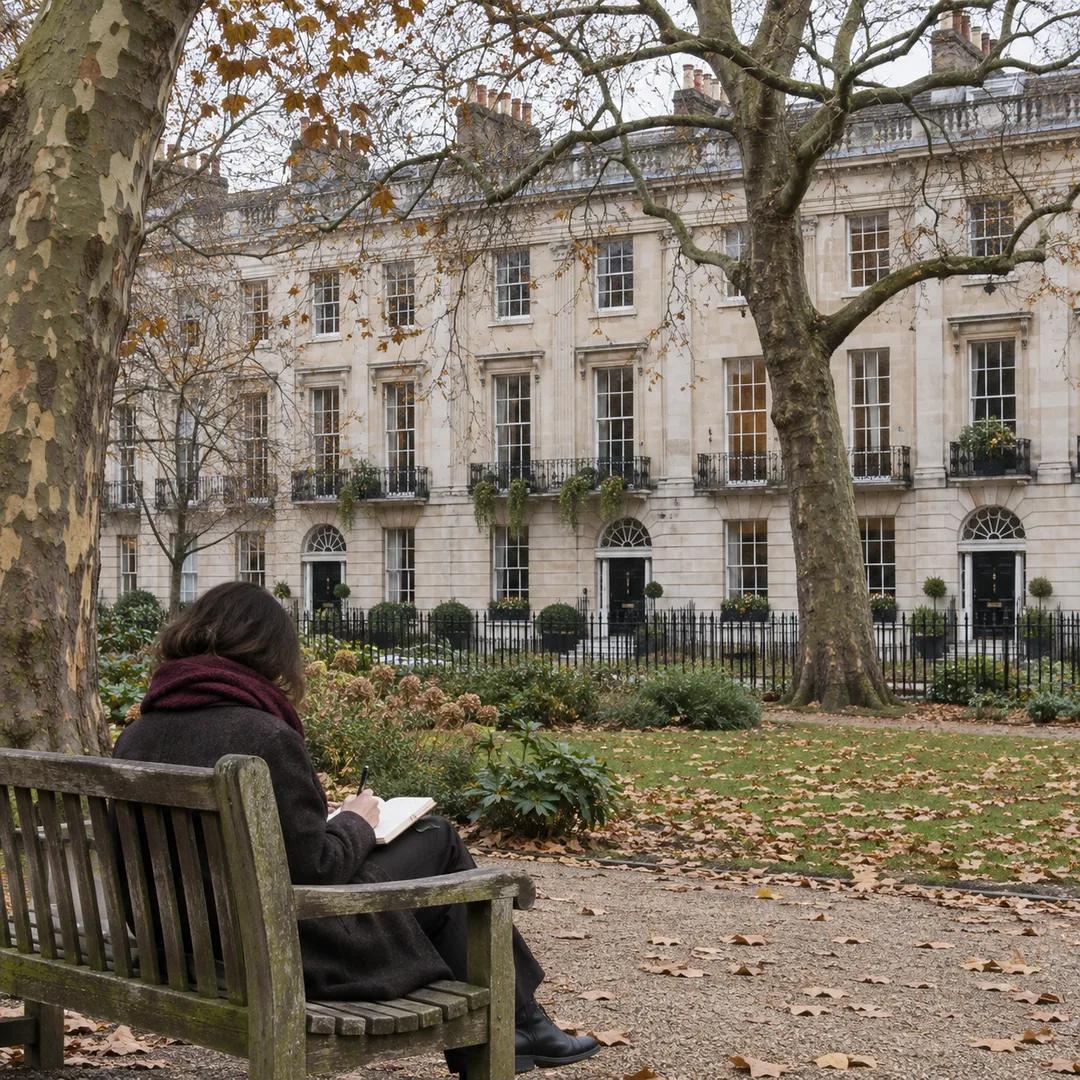
From there, cut across toward Fitzroy Square and finish with a few minutes on a bench under the plane trees. Take out the new notebook and write the first line of the story, even if it is clumsy. It sounds sentimental, but beginning in a place linked to writers you admire makes the habit easier to keep at home.
Where to Sit and Write the First Page
Fitzrovia has plenty of small cafés where a single customer with a notebook can stay for a while. Go mid-afternoon on a weekday, after the lunch crowd from nearby offices has gone back to work. Order something, sit near a wall rather than the door and give yourself a modest target, such as one page or a list of ten scenes.
If the cafés feel too busy, walk east into Bloomsbury, where the squares are larger and the benches are many. Russell Square and Gordon Square both have quiet corners in late autumn. Writing outside in a coat for twenty minutes is surprisingly focused, because cold hands make you choose words quickly.
Using Karpo to Plan the Crawl
Open the Karpo APP and describe the day in plain words: a stationery shop crawl in Fitzrovia for someone starting a novel, with a stop for good notebooks, a place to test pens and a quiet café to write afterwards. You can add that you prefer small independent shops to big chains, or that you want to finish near Fitzroy Square.
Karpo can suggest an order for the stops and nearby alternatives if one place feels too crowded. Save the route in the app, and next time you need fresh index cards or a refill you will already know where to go. It is a planning helper, so the shop staff remain the best guide to what is on the shelves that day.
Practical Notes for the Day
Bring a small tote rather than a backpack, since narrow shop aisles and full shelves do not mix well with bulky bags. Carry a scrap of your own handwriting or a printed paragraph from your draft so you can compare paper and pens against real work. A light snack helps too, because it is easy to wander longer than planned.
Most of all, set a spending limit before you go and stick to it. A first novel needs very little, and leaving with one notebook you love is better than a bag of supplies that makes you feel guilty. The real test of this crawl is whether you open the notebook again tomorrow.
Ask Karpo for more information.
Keep reading
- Brixton Vintage Thrift Shop Finder: South London Retro Gems
 Notting Hill Vintage Thrift Shop Finder: Preloved Rails
 Soho Vintage Thrift Shop Finder: West End Designer Archives