 Brixton Vintage Thrift Shop Finder: South London Retro Gems
Hidden Gems & Odd Finds
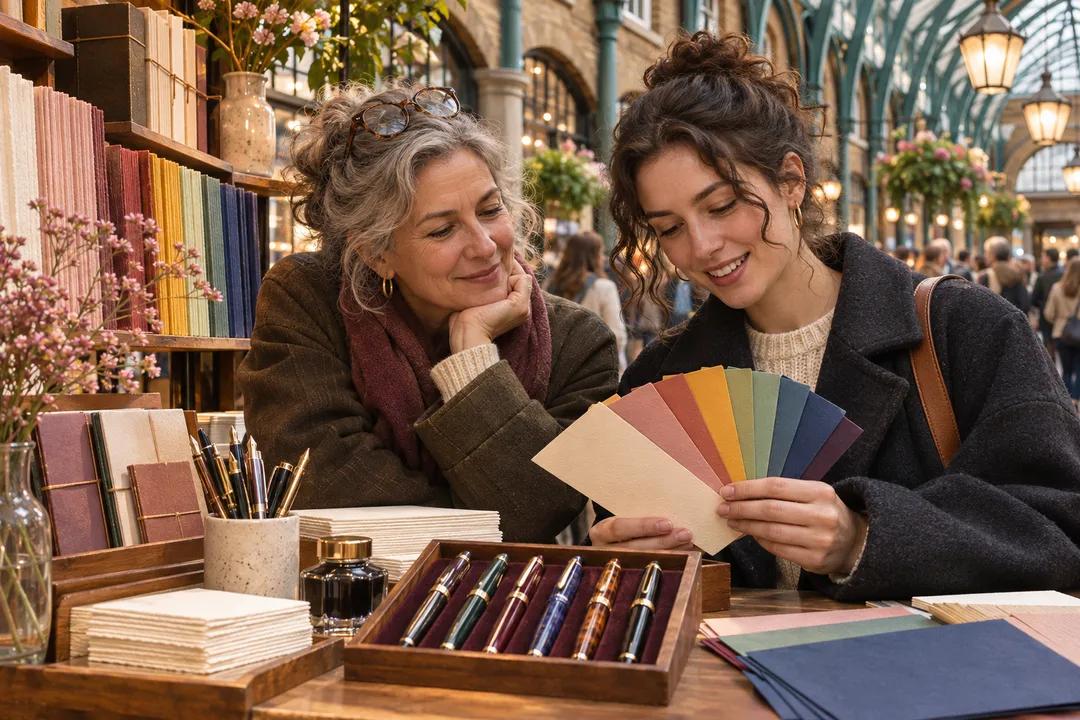
Covent Garden Stationery Shop Crawl Planner Guide
Plan a Covent Garden stationery crawl for thoughtful letters, tactile paper tests and a compact writing kit that suits a shared afternoon in motion.
Covent Garden is a good setting for a stationery shop crawl when the goal is a letter that sounds like you. Begin with the person receiving it and the feeling you want the envelope to carry. That decision guides paper weight, ruling and ink far better than a hunt for the most elaborate display.
Save a useful specimen
Covent Garden working note 20: keep one small observation beside the chosen tool, record what changed in your hand, and let that evidence guide the next stop instead of adding another untested item.
Covent Garden working note 21: keep one small observation beside the chosen tool, record what changed in your hand, and let that evidence guide the next stop instead of adding another untested item.
End with a next letter
Covent Garden working note 22: keep one small observation beside the chosen tool, record what changed in your hand, and let that evidence guide the next stop instead of adding another untested item.
Covent Garden working note 23: keep one small observation beside the chosen tool, record what changed in your hand, and let that evidence guide the next stop instead of adding another untested item.
Start with the letter you mean
Before browsing, write three constraints on a scrap: the letter length, the hand that will write it and whether the finished piece travels in a tote. A parent and adult child can choose together while still keeping distinct preferences. The constraints make a crowded afternoon feel calm and give every sample a job.
Touch paper with clean, dry fingers and compare how quickly each surface turns a pencil line into a confident stroke. Fold one corner, rub a thumb across the mark and imagine writing a full page. A surface that feels luxurious but fights your handwriting will become an expensive frustration halfway through the note.
Compare paper by touch
Ink needs its own audition. Make loops, a quick signature and a line of joined letters, then wait before closing the page. Watch for feathering, shine and transfer to the opposite sheet. The result is a practical portrait of the paper pairing, not a promise based on a colour swatch alone.
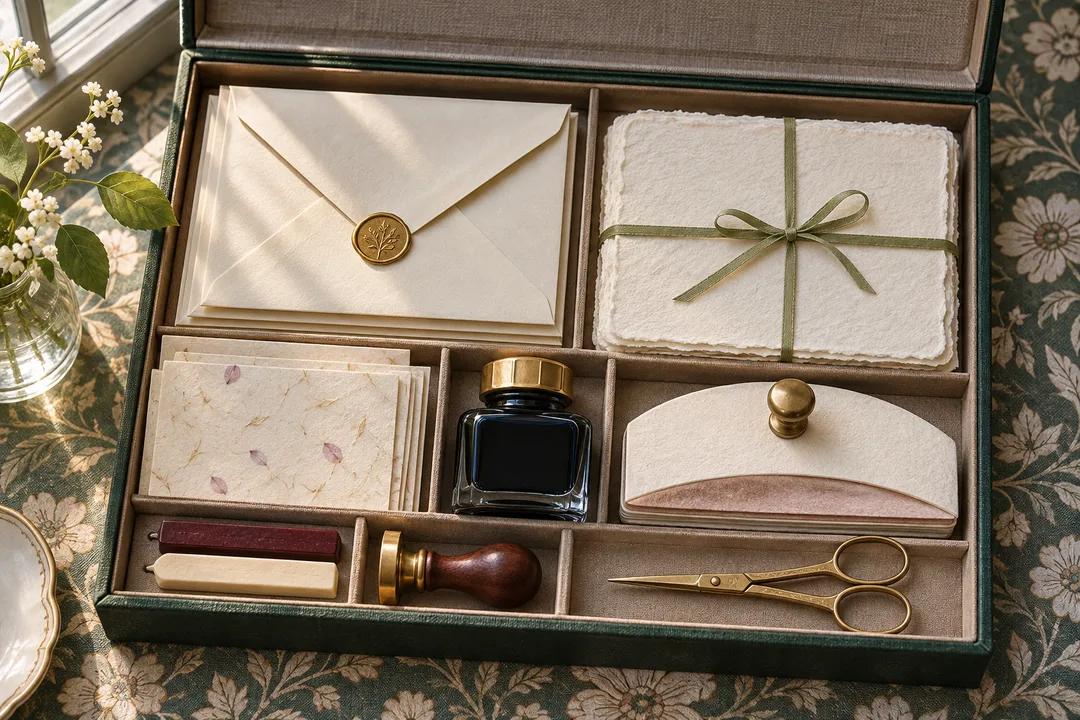
Build the kit around one correspondence ritual. A cream card might need a soft graphite pencil for the address, a blotter and an envelope that closes without forcing the fold. A bright ink might call for a muted paper and spare nib. Keeping the palette narrow helps the final letter feel intentional rather than assembled.
Test ink before choosing
Crowds and weather can stretch the route, so use covered passages as a reset point. Keep finished samples flat, cap pens before moving and let your companion choose the next mission. Karpo APP can propose a compact loop when you describe the time available and whether you want a quiet writing pause.
Skip the matching bundle if one component makes you compromise. A decorated set can include a card you love and envelopes that feel too small, or paper that looks charming but shows every hesitation. Choose the item that improves the act of writing, then add a simple partner piece with a clear purpose.
Build a small correspondence kit
Give your companion the role of recipient. Ask them to read a test line from arm’s length, fold the sample and judge how it feels to hold. Their perspective catches practical details the writer misses, especially when the letter will be carried through a busy afternoon and opened without a desk.
Keep one specimen from each serious contender, labelled by texture rather than brand. Write a sentence on each and circle the one that made your hand slow down in a good way. The small archive prevents you from buying the same feeling twice and gives the next letter a useful starting point.
Skip the overdecorated set
Create a rain branch before leaving. If the pavement turns slick, shorten the outdoor wandering and spend the saved minutes composing a paragraph under cover. Protect envelopes from damp, dry a nib before capping it and treat the changed pace as part of the story you will eventually write.
Karpo APP is useful when you want the crawl to serve a real occasion. Describe a thank-you note, a birthday letter or a reunion card, then ask for stops that allow a tactile test and a quiet finishing pause. Edit the suggested sequence around your companion’s mobility and the time your letter needs.
Use Karpo APP for pacing
If one guest dislikes stationery, let them choose the closing ritual: a small sweet, a people-watching bench or a route past familiar arcades. The writer can test paper while the partner tracks the clock. Meet at agreed points and share the most surprising texture, so the outing has a joint rhythm.
After each test, write one honest sentence about the hand feel. “Too slick for my fast script” is more valuable than “beautiful.” Those notes make your eventual choice defensible and stop the theatre of a busy market from deciding on your behalf.
Give a partner a role
Use a simple sequence card: paper, ink, fold, envelope, pause. Tick it in order and you will notice where indecision starts. If the pause never arrives, remove a stop; a letter written with attention beats a bag full of supplies purchased in a rush.
Prepare a handoff for the recipient version of the kit. Note which pen can be loaned, which sheets need a flat surface and which envelope folds cleanly. The next person who joins you can contribute without rebuilding the whole method, and the crawl becomes a repeatable shared habit.
Make a weather branch
End by choosing the next letter before the new stationery disappears into a drawer. Write the opening line on the selected paper, even if you finish at home. Covent Garden then becomes the place where a message began, rather than only a place where attractive objects were collected.
Covent Garden working note 17: keep one small observation beside the chosen tool, record what changed in your hand, and let that evidence guide the next stop instead of adding another untested item.
Pass on the method
Covent Garden working note 18: keep one small observation beside the chosen tool, record what changed in your hand, and let that evidence guide the next stop instead of adding another untested item.
Covent Garden working note 19: keep one small observation beside the chosen tool, record what changed in your hand, and let that evidence guide the next stop instead of adding another untested item.
Ask Karpo for more information.
Keep reading
- Brixton Vintage Thrift Shop Finder: South London Retro Gems
 Notting Hill Vintage Thrift Shop Finder: Preloved Rails
 Soho Vintage Thrift Shop Finder: West End Designer Archives