 Brixton Vintage Thrift Shop Finder: South London Retro Gems
Hidden Gems & Odd Finds
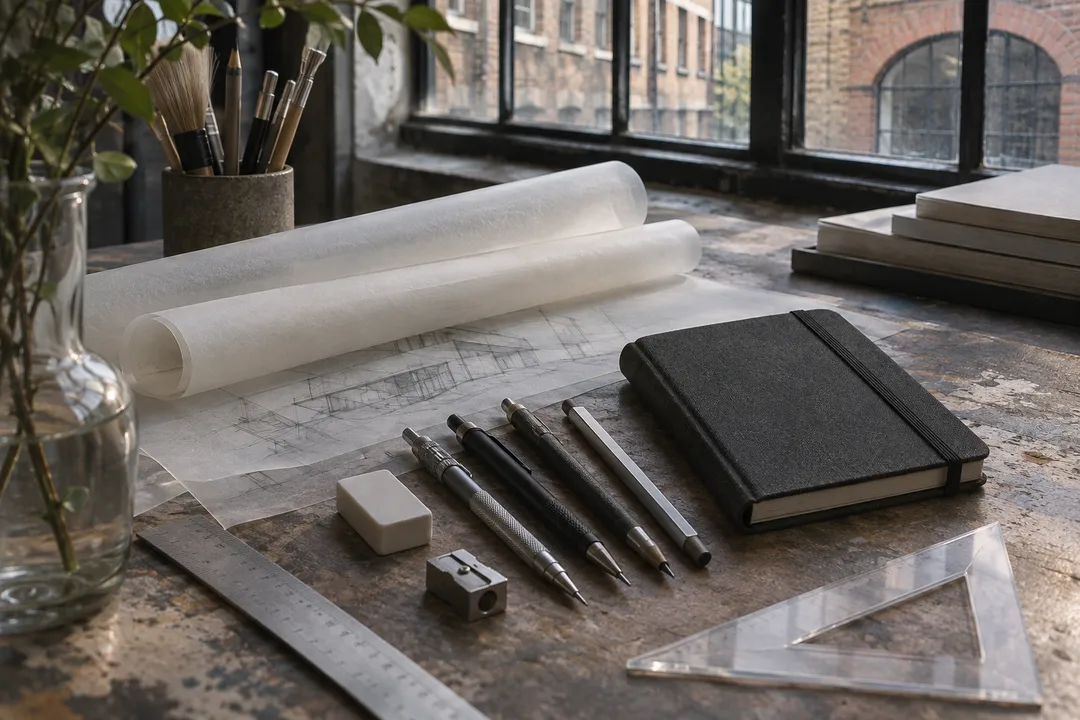
Clerkenwell Stationery Shop Crawl Planner for Architects
Plan a Clerkenwell stationery crawl for architectural sketching, with tracing-paper tests, a compact field kit and a focused studio handoff.
Clerkenwell rewards an architectural stationery crawl with a deliverable in mind: a façade study, a circulation diagram or a page of material notes. Choose the output before entering a shop. The brief tells you whether tracing paper, a firm graphite edge or a pocket notebook matters most during the walk.
Keep a traceable sample
Clerkenwell working note 20: keep one small observation beside the chosen tool, record what changed in your hand, and let that evidence guide the next stop instead of adding another untested item.
Clerkenwell working note 21: keep one small observation beside the chosen tool, record what changed in your hand, and let that evidence guide the next stop instead of adding another untested item.
Close on the next detail
Clerkenwell working note 22: keep one small observation beside the chosen tool, record what changed in your hand, and let that evidence guide the next stop instead of adding another untested item.
Clerkenwell working note 23: keep one small observation beside the chosen tool, record what changed in your hand, and let that evidence guide the next stop instead of adding another untested item.
Define the drawing deliverable
Carry a small drawing frame and test sheets rather than relying on packaging claims. Overlay a line, erase it, then add a second layer. Check curl, transparency and the way the sheet accepts a hard point. The result should resemble the work you will actually do at a table or on a ledge.
Line tools need a layered audition. Draw a measured edge, a loose hatch and a note in the margin. Try the same sequence with a different lead or nib and compare control when your wrist is cold. A tool that behaves across modes earns space; one that only shines in a showroom does not.
Test paper for overlays
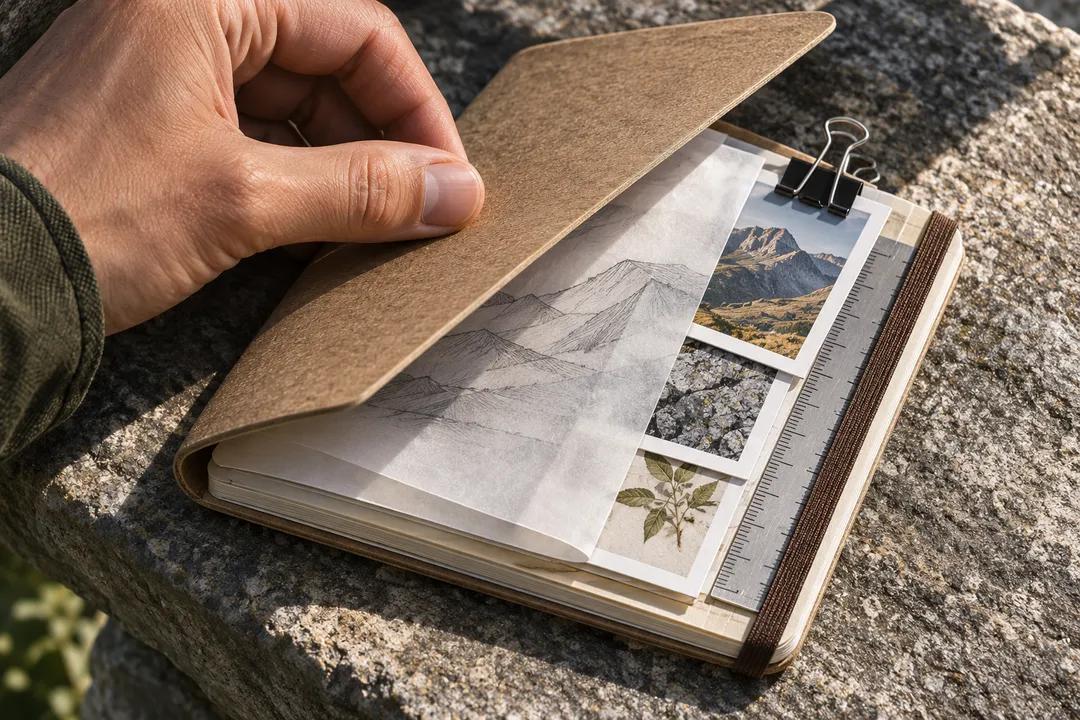
Anchor the kit with a pocket notebook that opens flat. Add a ruler, a small sharpener and a sleeve for tracing fragments, then stop. The field case should support a decision, not imitate a studio drawer. Keeping the load modest makes it possible to notice thresholds, joints and light while walking.
Weather changes the material test, so protect tracing sheets and keep a cloth for graphite dust. Use a sheltered pause to label the samples before they curl. Karpo APP can shape a short loop with a dry testing point when you describe the drawing deliverable and the time before your next meeting.
Check line tools in layers
Skip redundant precision. If one pencil already makes a clean measured line, a second version with a slightly different barrel may only create a new preference to manage. Choose the tool that solves the brief, then spend the saved attention on observing the building details around you.
A design critic can join without becoming a shopper. Ask them to identify the clearest line hierarchy and the sheet that accepts an overlay without buckling. Their response tests communication as well as materials, which is exactly what an architectural field kit must support when a drawing leaves your hands.
Build a field case
Keep one traceable sample from every serious option. Mark the lead, pressure and layer order on the edge, then store it flat. Later, when a drawing feels muddy, you can see whether the paper or the tool caused the problem instead of blaming the whole method.
If the sky closes in, switch from façade studies to section thumbnails under cover. Dry the case before returning sheets to it and let the final outdoor stop be optional. A weather branch protects the deliverable while leaving room for the street observations that made the route worthwhile.
Skip redundant precision
Ask Karpo APP for an architecture crawl with a quiet test pause and a route that ends near your studio or train. Add whether you want material references, geometry or people in motion. Edit the proposed stops until each one serves the drawing, not simply the map.
Give a companion the role of detail caller. They can point out a threshold, a hinge or a repeated rhythm while you record it. Their prompts keep your gaze active and make the walk collaborative without forcing them to understand every grade of lead.
Use Karpo APP to sequence
After a test, write a short verdict that includes a condition: “best for a dry overlay” or “holds a dark edge after erasing.” Conditional notes survive changing projects better than blanket praise and turn a one-off crawl into a small working library.
Use a sequence card with four marks: measure, observe, overlay, decide. Follow it at each serious counter and stop when the answer is clear. The ritual reduces impulse buying and gives your companion a visible way to see how a professional choice is made.
Invite a design critic
Prepare the studio handoff while the field memory is fresh. List the paper, lead and sleeve arrangement, then add one photo of the sample. A colleague can rebuild the setup without a long explanation, and the method remains legible when the street details have faded.
Run a final case check before leaving: close every cap, flatten the traces and remove tools you never tested. That small discipline protects the next drawing from dust and duplicate weight. The best kit is the one you can open immediately when an unexpected detail appears.
Branch when weather shifts
Close on the next architectural detail you want to chase: a stair turn, a brick bond or a shadow line. Put the prompt on the notebook cover and let the crawl feed the next observation. Clerkenwell then becomes a working loop between supplies, streets and studio decisions.
Clerkenwell working note 17: keep one small observation beside the chosen tool, record what changed in your hand, and let that evidence guide the next stop instead of adding another untested item.
Write the studio handoff
Clerkenwell working note 18: keep one small observation beside the chosen tool, record what changed in your hand, and let that evidence guide the next stop instead of adding another untested item.
Clerkenwell working note 19: keep one small observation beside the chosen tool, record what changed in your hand, and let that evidence guide the next stop instead of adding another untested item.
Ask Karpo for more information.
Keep reading
- Brixton Vintage Thrift Shop Finder: South London Retro Gems
 Notting Hill Vintage Thrift Shop Finder: Preloved Rails
 Soho Vintage Thrift Shop Finder: West End Designer Archives