 Clapham Bouldering Gym Finder: New in Town, Climb to Mingle
Sports Social
Charing Cross Squash Court in Hammersmith: Book Ahead
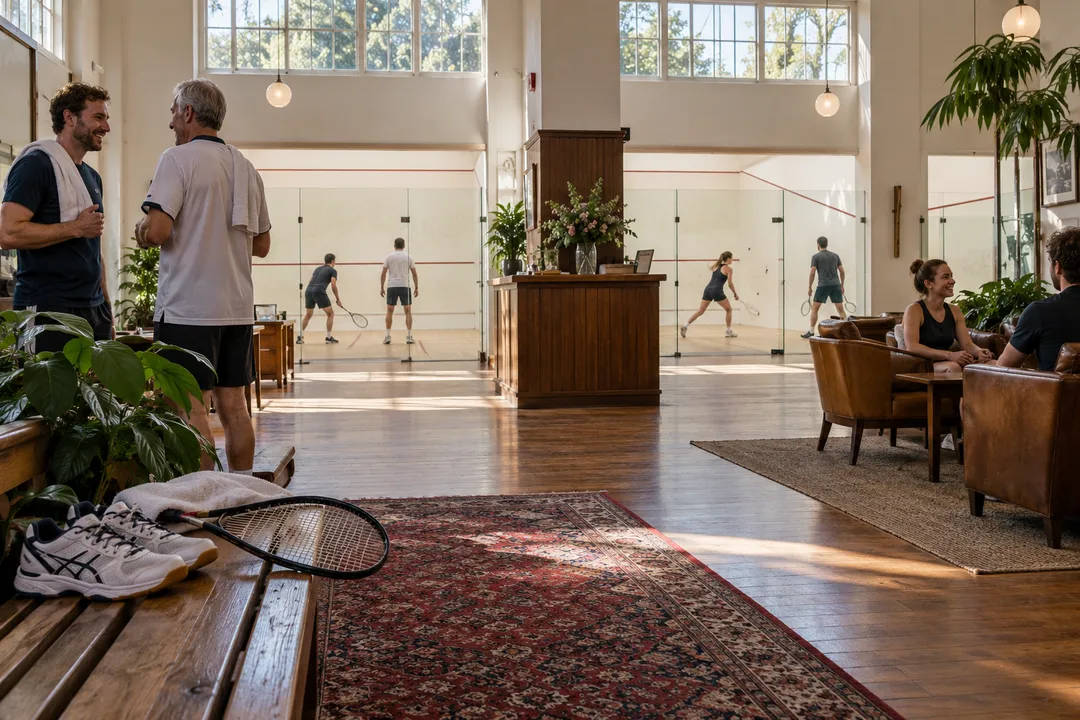
Charing Cross Sports Club at 51–63 Raynham Road is a Hammersmith squash option for a planned local session, with the address ready for your route.
Charing Cross Sports Club is listed at 51–63 Raynham Road, Hammersmith, London W6 0HY, making it a practical west London answer when you search for a squash court near me. Treat the venue as a planned club visit: save the full address, arrange your court time before leaving and arrive early enough to change. The most useful first-visit promise here is simplicity—a local sports-club setting where the court, your kit and your warm-up can stay in one place.
Start With the Route, Not the Racket
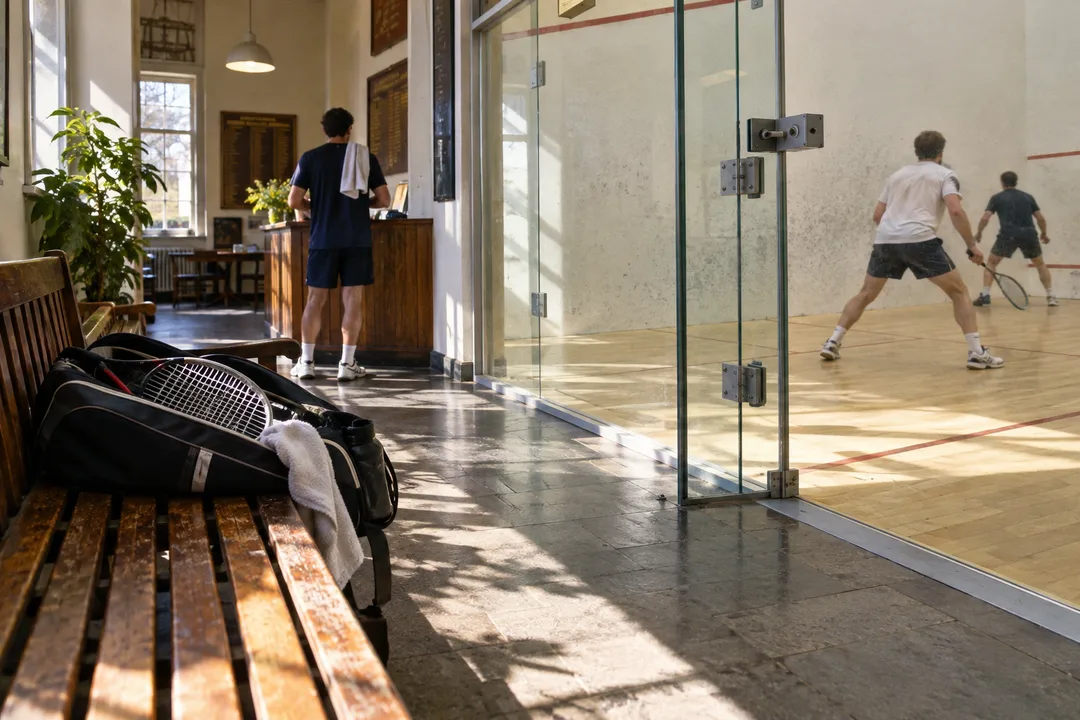
Raynham Road gives this venue a neighbourhood identity. You are not arriving at a West End hotel gym or a giant leisure complex; you are heading into Hammersmith for a local sports session. That changes the useful preparation. Put the address into your route before you leave, check the building entrance and avoid arriving with only a few minutes before the booking. A first visit feels far easier when the journey, changing time and court time are treated as three separate pieces.
Read the Club Setting Correctly
The seed information identifies Charing Cross Sports Club as a squash venue at 51–63 Raynham Road, Hammersmith, W6 0HY. Keep the article’s claims narrow and practical: this is a place for a booked court session, not a promise of a particular café, price or public timetable. The best local-sports writing respects what a venue actually makes clear. Bring your own racket and shoes, ask staff where squash players wait, and use the first visit to learn the club’s rhythm rather than inventing one.
A Better First Ten Minutes
Arrive with your laces tied, water filled and racket ready. Use the first minutes for ankle circles, calf raises, shoulder rotations and a few gentle ghosting steps. Squash rewards a warm body more than a heroic first rally. If you have come straight from work, keep your coat and bag together so the entrance does not become a pile of loose kit. A good first impression is quiet and organised: greet the desk, state your booking, change efficiently and let the court become the focus.
How to Share a Court
The governing courtesy is simple: the court belongs to both players, and the next booking belongs to the people after you. Start with controlled drives and agree whether you are playing games or drills. Call the ball when safety requires it, stop if someone is in the line of swing and do not turn a friendly session into a test of pride. At a community club, the experienced player’s best contribution is making the newcomer feel able to return, not showing every shot in the opening five minutes.
Turn Waiting Time Into Warm-Up Time
If you arrive early, do not pace in front of an occupied court or hover over the door. Find the waiting area, stretch lightly and watch the movement pattern from a safe distance. This is also the moment to ask whether the club prefers players to leave a gap between sessions for changing. A few minutes of useful observation can save a lot of awkwardness. Notice how regulars carry their rackets, where shoes are left and which route keeps the entrance clear.
The Hammersmith Advantage
Hammersmith is a strong setting for squash because it can support a full local afternoon without forcing you into central London. Raynham Road puts the session in a residential west London context, with a calmer reset before and after the game. That matters for players who want exercise that does not feel like an event. Book a court, play a focused hour, then walk a little before commuting. The habit becomes easier when the club fits into the neighbourhood rather than competing with it.
What to Order After Playing
Do not arrive expecting a restaurant experience. The useful post-match ritual is modest: change out of damp kit, drink water, speak to your playing partner and leave the club tidier than you found it. If there is a social area, keep the conversation clear of the entrance and let people pass. The signature item here is not a menu dish; it is the repeatable squash session. Make that the reason to return, and treat any refreshment as a short recovery pause.
A Walk Before the Tube
A short walk around Hammersmith after the game helps you cool down without turning the article into a tourist checklist. Keep the route practical: leave Raynham Road, loosen your shoulders, and notice whether your breathing has settled before boarding public transport. If the weather is wet, keep the walk brief and prioritise dry shoes for the journey home. A squash court is a high-intensity space; the street outside is where you let the body return to ordinary pace.
A Calm Plan for Busy Evenings
Evenings are where planning matters most. Workday arrivals tend to bring bags, late trains and players who want every minute on court. Put a ten-minute buffer into the trip, and do not make a non-refundable dinner reservation immediately after the game. If your partner is delayed, use the time for mobility work rather than hard solo hitting. If the court slot no longer works, cancel through the club’s normal route rather than simply disappearing; local facilities run on predictable bookings.
When This Court Is the Right Choice
Choose Charing Cross Sports Club when you want a Hammersmith location and a straightforward local-club experience. Skip it if your priority is an extensively documented public tariff or a hotel-style wellness package. Spencer Squash Club is the better comparison for heated courts and a licensed clubhouse bar in southwest London; Nordic Balance is the better comparison for a published central non-member rate. Charing Cross is about making west London squash feel close enough to repeat.
Practical Notes for Your Visit
The address is 51–63 Raynham Road, Hammersmith, London W6 0HY. Before travelling, save your court confirmation, bring non-marking shoes and allow time to locate the entrance and change. A careful warm-up, a clear format with your playing partner and a respectful exit will make the first session smoother than chasing a last-minute booking. For a searcher who wants a local west London squash court rather than a grand fitness destination, the venue’s strongest feature is its practical location. A useful first-visit question is what kind of player the club wants to welcome at that hour. Some squash sessions are best for a quick competitive game; others are more comfortable when a beginner can pause and ask about positioning. Give the club that context in your enquiry. You do not need to apologise for being new, and you do not need to oversell your level. A clear description helps the desk or your playing partner set the right expectations. It also makes the second visit easier because you will know whether to seek coaching, a social game or a regular court booking. The best local clubs are not just places where a ball is struck against a wall. They are places where the next session becomes easier to arrange because the first one was handled thoughtfully. The same principle applies to equipment. A new player does not need the most expensive racket, but does need a grip that feels secure, shoes designed for indoor movement and a ball that is not so cold it dies after the first rally. If you borrow anything, ask before taking it and return it clean. If you bring your own kit, label the bag and keep it compact. Community clubs often have less spare space than hotel gyms, so thoughtful storage is part of the experience. Before leaving, check the court for tape, bottles and loose balls. That final minute is easy to skip when you are tired, but it is the detail that makes a local venue feel cared for when you come back next week.
Ask Karpo for more information.
Keep reading
- Clapham Bouldering Gym Finder: New in Town, Climb to Mingle
 Marylebone Bouldering Gym Finder: Lunch Break Climbs
 Notting Hill Bouldering Gym Finder: Family Climbing Weekends