 Camden Korean BBQ Group Dinner Picker: Lockside Feasts
Restaurants
Soho Solo Dining Finder: Bar Stools Before Theatre
Find a calm solo meal in Soho by choosing counter seats, a short route, or a theatre-friendly finish; Karpo helps shape the plan around your pace.
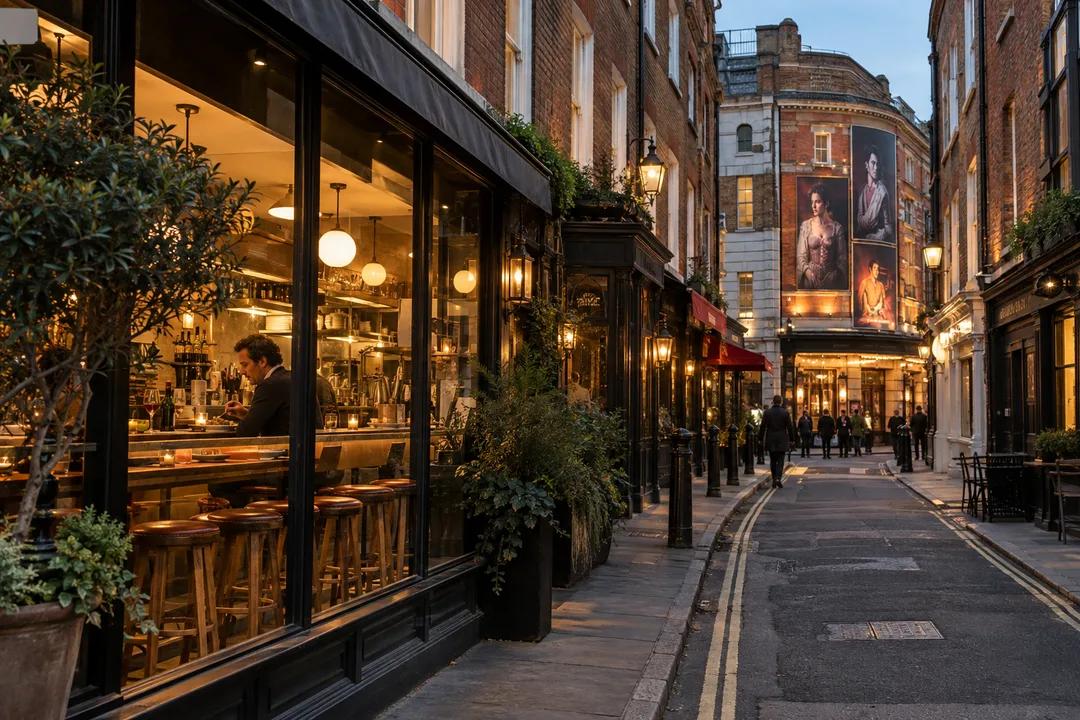
Soho is a useful London test for a solo dining finder because a small radius can contain very different moods: lively streets, narrow lanes, theatre traffic, and quiet counter moments. Start your Karpo APP request with the seat you want rather than a cuisine label. Say that you prefer a bar stool, a window perch, or a two-top where one person will not feel crowded. Add the desired pace, whether you are eating before a show, and how much walking feels pleasant. The result should be a short, readable set of choices instead of a sprawling restaurant list.
Choose The Seat Before The Dish
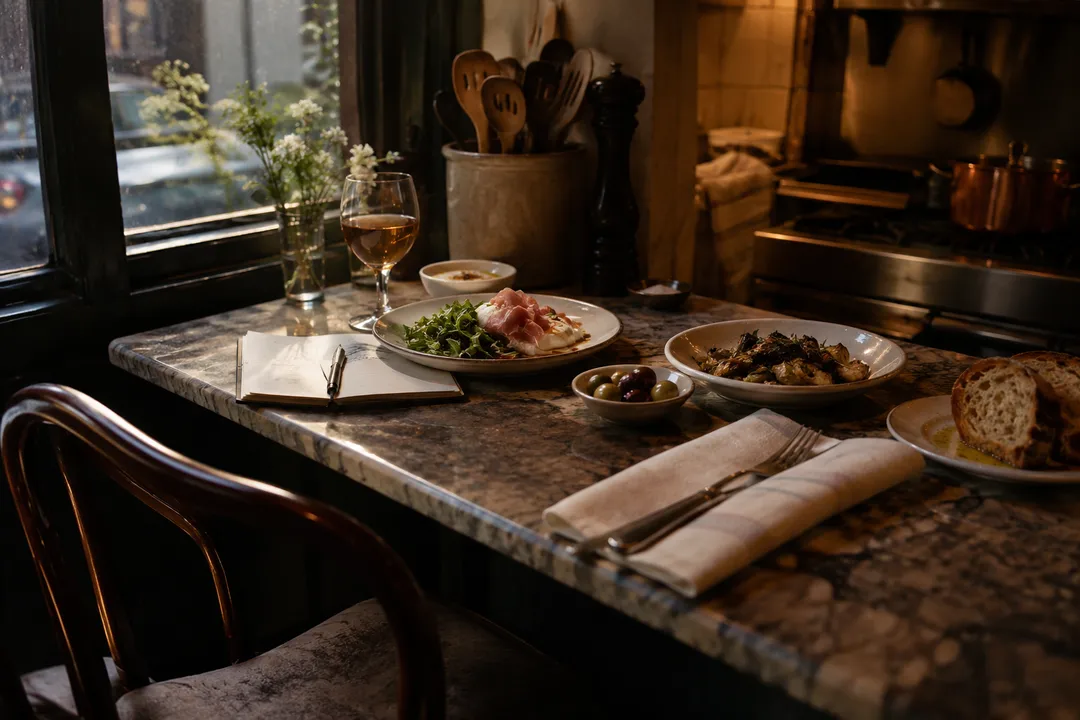
A good Soho plan begins with a decision tree. If you want conversation around you, ask for an open counter or communal edge. If you need concentration, request a tucked-away seat and a route that avoids the loudest evening corners. If you are carrying a coat or small bag, include that practical constraint. Karpo APP can turn those preferences into a sequence: first choice, quieter alternative, and a nearby fallback. Treat each result as a prompt for your own selection, not as a claim that a seat is being held or that a live queue has been measured.
Build A Theatre-Friendly Radius
Use Oxford Circus, Tottenham Court Road, and Piccadilly Circus as broad orientation points, then keep the final approach on foot. A solo diner benefits from a route that has an obvious start and a simple finish. Ask for a plan beginning near one station and ending near the next, with one short street-level pause between. Soho's lanes can become confusing when theatre crowds spill out, so a clear landmark sequence matters more than a distance total. Let the planner favour a counter close to your chosen approach, then keep an alternate direction ready if the first room feels too busy.
Time The Walk And The Wait
The timing brief should describe your evening in plain language. A pre-theatre meal needs a firm departure buffer; an after-work bite can tolerate a slower landing. Tell Karpo APP whether you want to sit immediately, browse one nearby option first, or take a short loop before eating. Avoid packing a second destination into the same request unless it truly matters. Soho rewards a small plan: one meal, one deliberate walk, and one exit that leaves you close to your next commitment. That structure keeps a solo meal from turning into a rushed scavenger hunt.
Write A Counter-Seat Brief
Queue etiquette is easier when it is part of the plan. Ask for a route that distinguishes walk-in counters from places where a solo table may involve a longer pause, then choose your personal cutoff before leaving the station. A ten-minute wait may feel fine with a book and a warm drink; the same delay can be wrong when a curtain time is fixed. Keep the language specific: counter seat, one course, quick finish, or room to linger. The more concrete the request, the more useful the shortlist becomes when you read it on the move.
Keep The Order Comfortable
Build the food brief around appetite, not prestige. You can ask for a light plate, a substantial bowl, a sharing-style menu that works for one, or a place where ordering one item feels natural. Add allergies or ingredients you avoid, and state whether you want a soft drink, tea, or a single glass rather than a full evening. The finder should help you compare the shape of the meal: speed, noise, seat type, and walking distance. Those dimensions are more helpful than a generic promise of the best dinner.
Use Soho Landmarks As Anchors
Soho also works as a compact neighborhood walk. A route can begin near Carnaby Street, pass through the quieter edges of Golden Square, and finish toward Chinatown or the theatre frontage, depending on your energy. Ask for one public landmark as a meeting point if someone may join later, but keep the dining choice independent. A solo plan feels better when the walk has a visible rhythm: arrive, settle, eat, take one short loop, and leave. The point is not to collect every street; it is to give the meal a beginning and an end.
Plan A Graceful Exit
For a first visit, make the social setting explicit. Some solo diners want the gentle company of a counter; others want a seat that protects a quiet hour. Include whether you enjoy watching an open kitchen, hearing a little room noise, or keeping a notebook beside the plate. Ask for a nearby alternative with the opposite atmosphere so the decision is reversible. Skip any option whose route requires repeated crossings or a long detour after the meal. A good finder respects attention as much as appetite and gives you permission to choose the simpler room.
Make The Meal Feel Social
Create a fallback before you set out. Rain can turn a pleasant Soho loop into wet pavement and crowded awnings, while a delayed train can compress the pre-show window. Tell Karpo APP to keep a shorter indoor route and a near-station finish available in the same plan. If the first choice is too loud, move to the quieter alternative rather than improvising across the whole district. If the queue feels wrong, use your cutoff and leave. The plan works when it reduces small decisions, not when it pretends to control conditions outside the app.
Save A Rainy-Day Branch
Practical notes: carry a light layer that can sit comfortably beside you, keep one ear free while walking, and save the route before entering a crowded lane. Write the time you must leave in the request, along with your preferred seat and appetite. A solo meal is easier when the first sentence is honest: ‘I want a counter, one satisfying course, and a calm ten-minute walk afterward.’ Keep the final route compact enough to remember, and let the surrounding Soho streets provide texture without becoming another obligation. One more useful habit is to name what you do not want: no long cross-town detour, no oversized table, and no plan that depends on a precise live queue. That negative brief protects the evening from an attractive but impractical suggestion. Save the shortlist before you leave the station, then read only the two options that fit your cutoff. If neither suits the room you find, walk the planned landmark loop and choose a simple finish near the exit. The finder has done its work when you feel informed without feeling managed.
Ask Karpo for more information.
Keep reading
- Camden Korean BBQ Group Dinner Picker: Lockside Feasts
 Holborn Korean BBQ Group Dinner Picker: Midtown Feasts
 Covent Garden Korean BBQ Group Dinner Picker: Shared Tables