 Richmond Park Sunset Viewing Planner: Deer Meadow Horizons
Weekend Plans
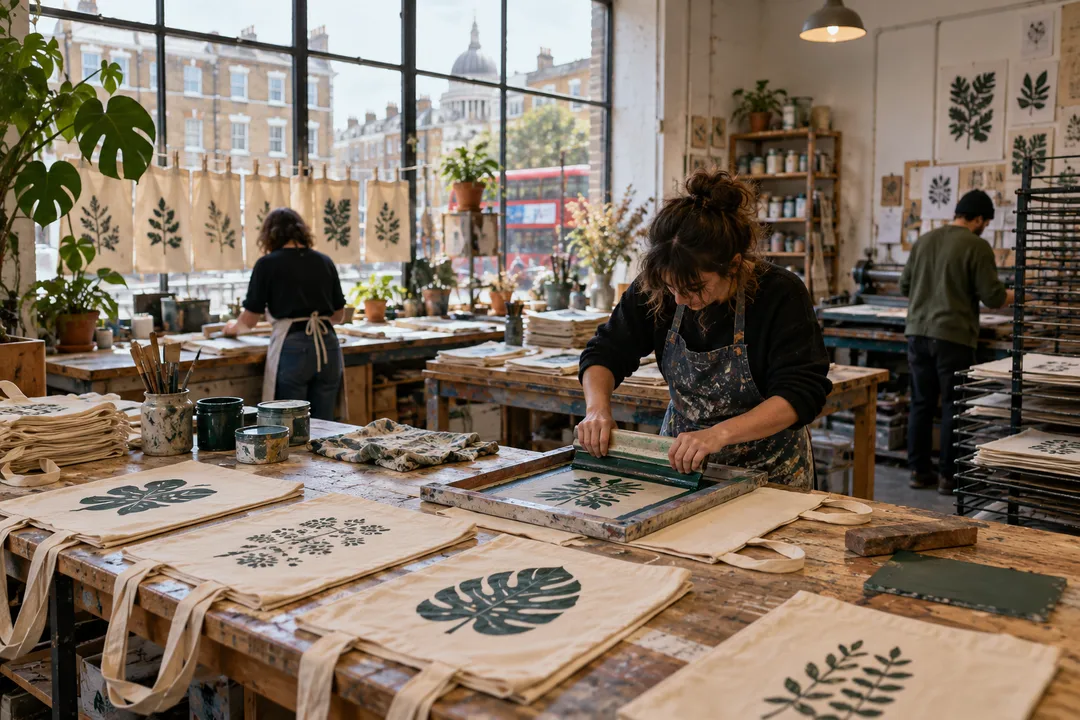
London Silk Screen Workshop: Crisp Tote Prints Guide
City Lit at 1–10 Keeley Street, London WC2B 4BA gives tote-bag planner planning a concrete local starting point, with clear choices for quantity, colour.
City Lit at 1–10 Keeley Street, London WC2B 4BA is a better starting point for a tote plan than a generic craft search because fabric changes the problem. A cotton bag flexes, has seams, and absorbs ink differently from paper. Begin with the print area that must remain clear, then decide whether the graphic should sit at the centre, above the seam, or on one side — The tote plan keeps this venue line beside the fabric note. City Lit lists its teaching centre at 1–10 Keeley Street, London WC2B 4BA — The tote plan keeps this venue line beside the fabric note. Treat the final tote as a surface with limits, not as a blank rectangle — The tote plan keeps this venue line beside the fabric note.
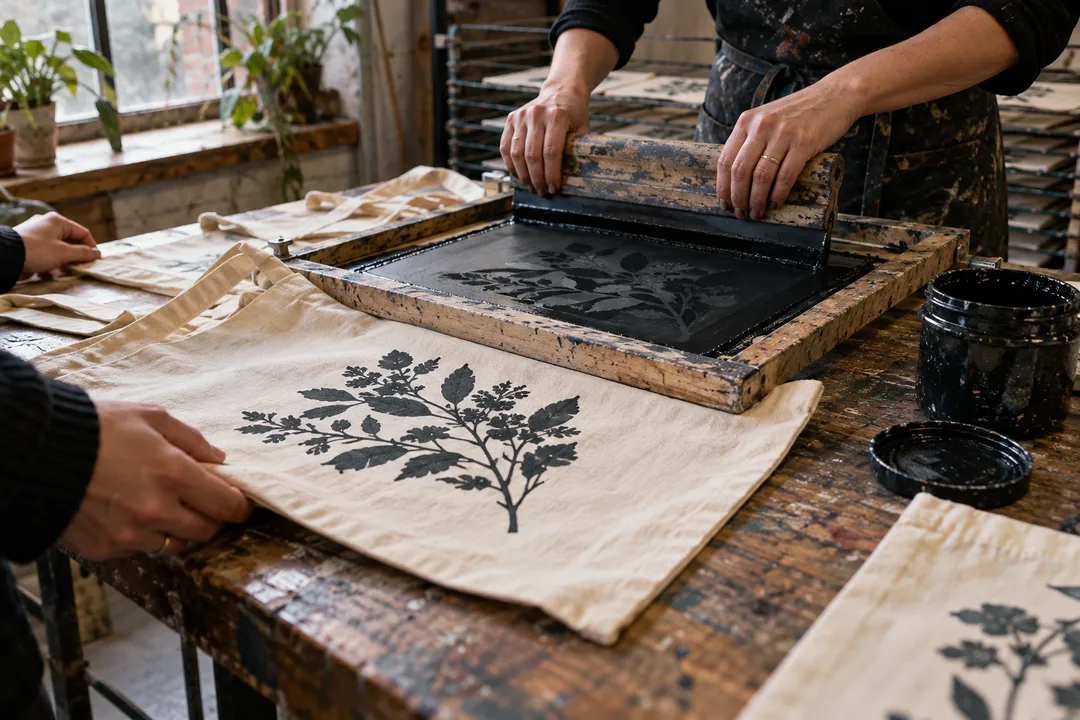
Treat The Tote As A Moving Surface
A tote bag changes the problem because it bends, shifts, and disappears into a wardrobe after the workshop. Start by deciding which side carries the image and where the handle or seam interrupts it. Keep the main shape clear enough to survive a soft fold. At City Lit, the useful question is not whether a graphic looks good on a flat screen; it is whether the bag still reads when the fabric is held in one hand. Put the carry position, the viewing distance, and the intended use in the first line of the worksheet.
Fabric preparation is easy to underestimate. Bring the final bag or the correct fabric reference, and decide whether the surface needs to be flattened before the frame comes down. A small crease can become a missing section of ink. A seam can push the squeegee away from the mesh. Mark those obstacles in the artwork instead of treating them as surprises. If the design crosses a handle or pocket, make that choice deliberate. A tote that acknowledges its construction usually looks more resolved than one that tries to hide every physical fact.
Prepare Fabric Before Ink
The first test should show the outline and the broadest colour field. Do not spend the opening minutes on a tiny interior mark that will be swallowed by the weave. Use a scrap of the same material if possible, then inspect the surface after the pull rather than immediately while it is wet. Look at the bag from arm’s length and from the angle of someone carrying it. That practical view can tell you whether to thicken a line, enlarge a shape, or remove a detail before the edition grows.
A tote also needs a handling plan. Keep the printed side away from zippers, rings, and the rough edge of a table while it rests. Give the fabric enough space to dry before folding it into a backpack. If the session is shared, label the bag and make the rack position obvious. Another learner should not have to guess whether a piece is finished or merely waiting. These habits protect the print and make the workshop feel cooperative rather than territorial.
Pull For The Shape, Not The Fold
Choose the edition size by the use case. Five bags for a small gift set may deserve more care than twenty bags made only to reach a target number. Write down how many you want to keep perfect, how many test sheets you can sacrifice, and what you will do with an impression that is attractive but not identical. The answer may be a personal sample, not a failed product. That distinction makes the tote plan more realistic and reduces the temptation to rush a fabric that needs patience.
Carry the artwork and the bag separately on the way to 1–10 Keeley Street, London WC2B 4BA, and leave enough room for the printed piece on the way back. A crowded shopping bag is a poor drying cabinet. Walk before the appointment if you want to explore central London; after the session, use the direct route. The finished tote should not be asked to carry your coat, lunch, and notebook before the ink has settled. The journey home is the last practical test.
Drying Is Part Of The Design
The City Lit source is https://www.citylit.ac.uk/. Save the official venue reference beside the fabric type, the selected artwork version, and the screen count. Do not reuse a paper-print assumption for the bag. Note the side being printed, the position relative to the handle, and the first detail you are willing to simplify. That information makes a later booking clearer and keeps the estimate tied to the actual object. A good tote worksheet is specific enough to prevent a generic answer.
If the bag shifts, change the setup before changing the illustration. Use a support board, reduce the print area, or move the image away from a seam. If the ink looks soft, check pressure and surface contact before adding more colour. The tote should teach you something about fabric rather than merely reproduce a paper design on a different substrate. Write down the correction that worked. Future bags can then begin from an observed adjustment instead of another round of trial and error.
A Better London Carry Plan
Karpo APP can store a photo of the flat layout, the use case, the address, the source page, and the drying instruction. Add a small checklist for labels, clean hands, a flat carrier, and a safe place at home. Keep the first successful bag as the reference object. It will show how the print sits across the fold and how the colour looks after drying. That is more useful than a perfect mock-up because it records the behaviour of the actual material.
City Lit at 1–10 Keeley Street, London WC2B 4BA gives the tote idea a real workshop setting. Let the bag’s construction guide the design: protect the handle, respect the seam, test the broad shape, and plan the route home. A crisp tote is not the result of forcing fabric to behave like paper. It comes from making the surface part of the image and leaving enough time for the print to become wearable. The bag is both artwork and object. Record how it hangs, folds, dries, and travels. Those observations will guide the next fabric print more reliably than a flat digital mock-up ever could.
Practical Notes For The Bag
Ask Karpo for more information.
Keep reading
- Richmond Park Sunset Viewing Planner: Deer Meadow Horizons
 South Bank Sunset Viewing Planner: Thames Riverside Walks
 Parliament Hill Sunset Viewing Planner: London Heath Vistas