 Brixton Vintage Thrift Shop Finder: South London Retro Gems
Hidden Gems & Odd Finds
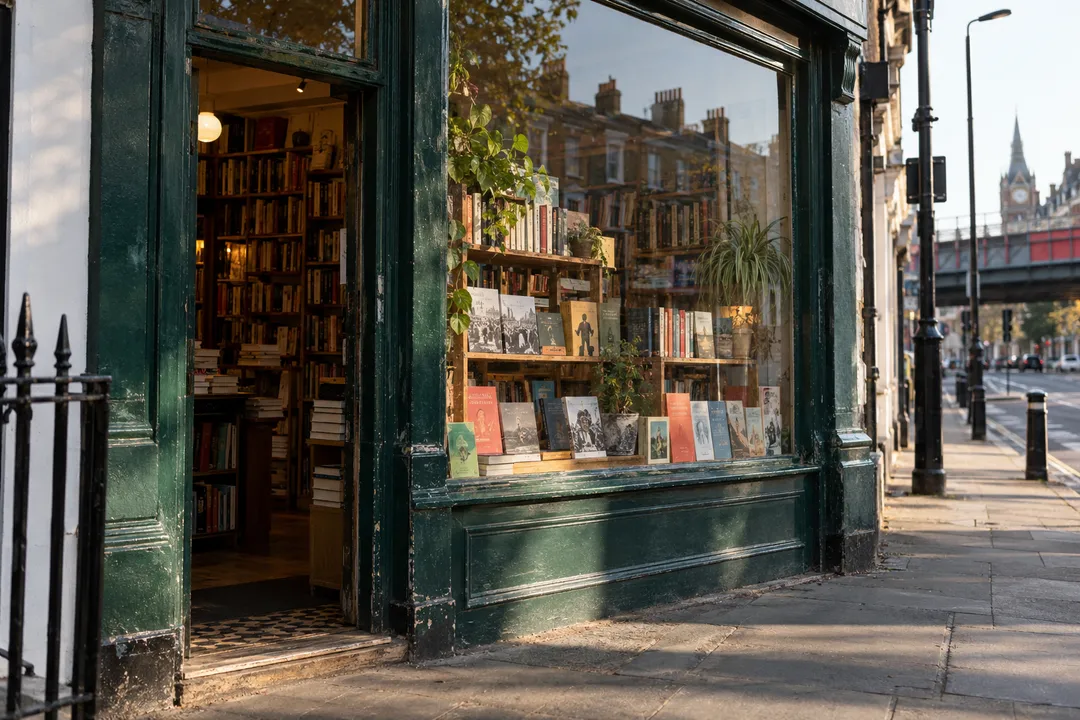
Housmans Bookshop | Secondhand Bookshop Near Me in London
A guide to Housmans Bookshop at 5 Caledonian Road near King’s Cross, an independent radical bookshop with current and secondhand reading in politics, history and social movements.
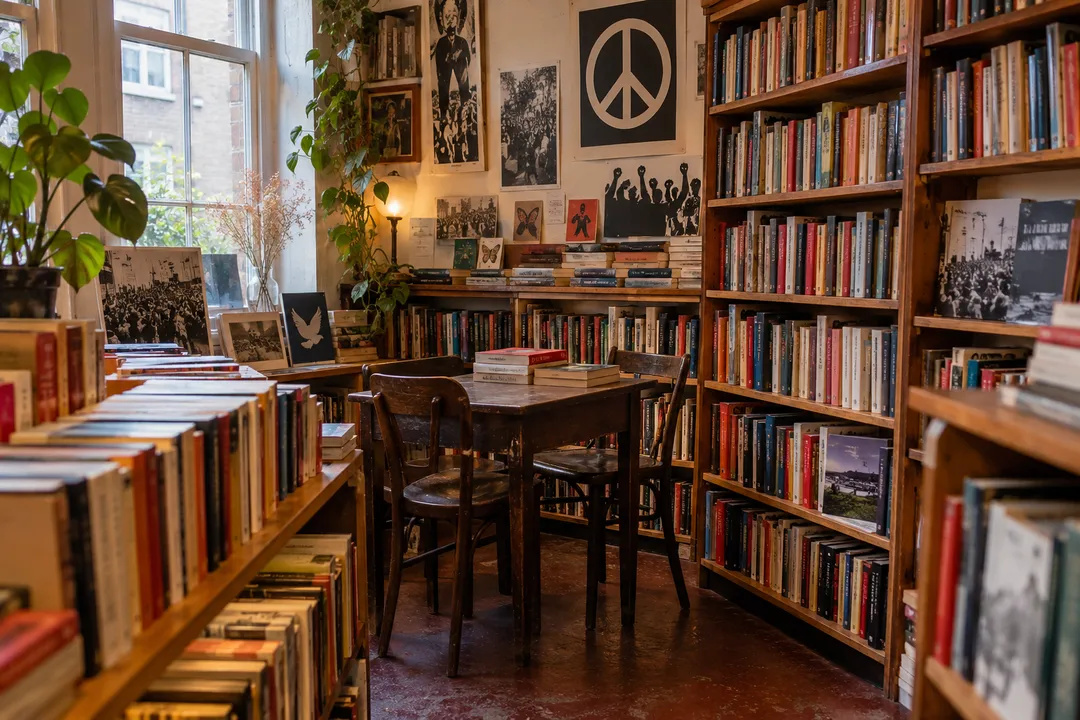
Housmans Bookshop sits at 5 Caledonian Road, London N1 9DX, at the lower end of the road where it meets Pentonville Road. It is known for radical politics, peace writing, social movements, history and related subjects, which gives a secondhand browse a clear intellectual shape. This is not a random shelf maze with a politics corner. The shop’s identity tells you what kind of connections to look for: protest history beside biography, theory beside memoir, and older pamphlet-like books beside current discussion.
Why King’s Cross is the useful anchor
The official contact information describes Housmans as a five-minute walk from King’s Cross and St Pancras terminals. That makes it unusually easy to add to a rail-day itinerary. Leave the station through the Caledonian Road side, walk toward the bottom end of the street and use the address rather than expecting the shop to announce itself as a grand destination. The approach is urban and practical. The reward is the compact, opinionated room at the end of it.
Begin with the subject that brought you
Housmans is the rare shop where a first browse benefits from being specific. Choose one question before you enter: labor history, anti-war writing, anarchism, feminism, migration, ecology or a particular movement. Then let the shelves widen the question. The most useful discovery often sits next to the book you came for, because the store’s categories are built around relationships between ideas rather than purely commercial genre labels.
Current and older books together
The value of Housmans is not limited to rare editions. A current title can give you the language of a debate, while an older secondhand book can show how that debate was framed in another decade. Read them as a pair. Check publication dates, introductions and ownership marks, and notice whether a book carries the evidence of a previous reader. In a shop with political history in its walls, marginalia can feel like a small conversation across time.
How to ask for help
The shop is compact enough that a focused question is useful, but broad enough that you should not ask for a single title before looking around. Make one quiet circuit, then bring staff a precise request: an author, a movement, a decade or a subject connection. That gives them something to work with. If you are buying for someone else, describe the reader’s interests rather than asking for a generic political book. Housmans is strongest when the recommendation has a real question behind it.
A good visit length
Housmans is close enough to King’s Cross for a short stop, but a rushed ten-minute visit will mostly show you the front layer of the shop. Allow at least half an hour if you want to browse properly, and longer if you are comparing editions or building a small reading list. Use it for a practical stock question when the request is specific. For general discovery, the shelves will tell you more.
A Caledonian Road walking loop
After the shop, continue along Caledonian Road or turn back toward King’s Cross for a wider station-area walk. The route works well before a train because Housmans gives the afternoon a strong center of gravity without requiring a long detour. If you have more time, pair the browse with a slow look at the independent cafés and small businesses around the station rather than rushing straight into a large retail complex.
Who should visit
Housmans suits readers who want a bookshop with an argument. It is especially useful for students, organizers, activists, teachers, journalists and curious readers who want to understand how a political idea travels through books. It is less likely to satisfy someone looking only for mass-market fiction or a neutral general-interest browse. The store’s value is its point of view, and the secondhand shelves become more rewarding once you accept that the point of view is part of the collection.
One honest expectation
Do not expect every older political title to be clean, pristine or easy to categorize. That is part of secondhand bookselling. If a cover is worn but the text is useful, inspect the binding and pages before deciding. If you need a presentable gift, take more care with condition. If you are building a personal reading stack, an inscription or an underlined passage may be part of the appeal rather than a reason to reject the book.
Practical Notes
Housmans Bookshop is at 5 Caledonian Road, London N1 9DX, near King’s Cross and St Pancras. Start with one subject, make a circuit, then ask for a focused recommendation. Allow at least thirty minutes, and pair the visit with a Caledonian Road walk before returning to the station. This is the secondhand bookshop to choose when the ideas connecting the shelves matter as much as the individual title.
Read across the shelves
One of Housmans’ pleasures is the way a subject can expand as you move laterally. A book on peace activism may lead to a biography, which leads to a movement history, which leads to a contemporary account. Take notes as you go, especially if you are researching rather than shopping for leisure. The shop is small enough to browse in one visit but dense enough that a written list will make the discoveries easier to remember.
A thoughtful way to buy secondhand
A used political book can carry evidence of the reader who owned it, but condition still matters. Check that the binding is sound, look for missing pages and decide whether markings help or distract from your purpose. For a personal library, an inscription can be meaningful. For a gift or reference copy, choose more carefully. Housmans gives you the context to make that decision without pretending every older book has to look untouched. For a thoughtful visit, decide whether you want a particular subject or simply want to spend time with the shop’s selection. The shelves reward attention to publishers, pamphlet formats and small-press details. A careful browse also makes it easier to distinguish a genuinely useful reference book from a title that only looks interesting at first glance. Pairing the stop with a walk through King’s Cross keeps the outing relaxed, and leaving room for a second pass often reveals the book you missed at the entrance.
Ask Karpo for more information.
Keep reading
- Brixton Vintage Thrift Shop Finder: South London Retro Gems
 Notting Hill Vintage Thrift Shop Finder: Preloved Rails
 Soho Vintage Thrift Shop Finder: West End Designer Archives