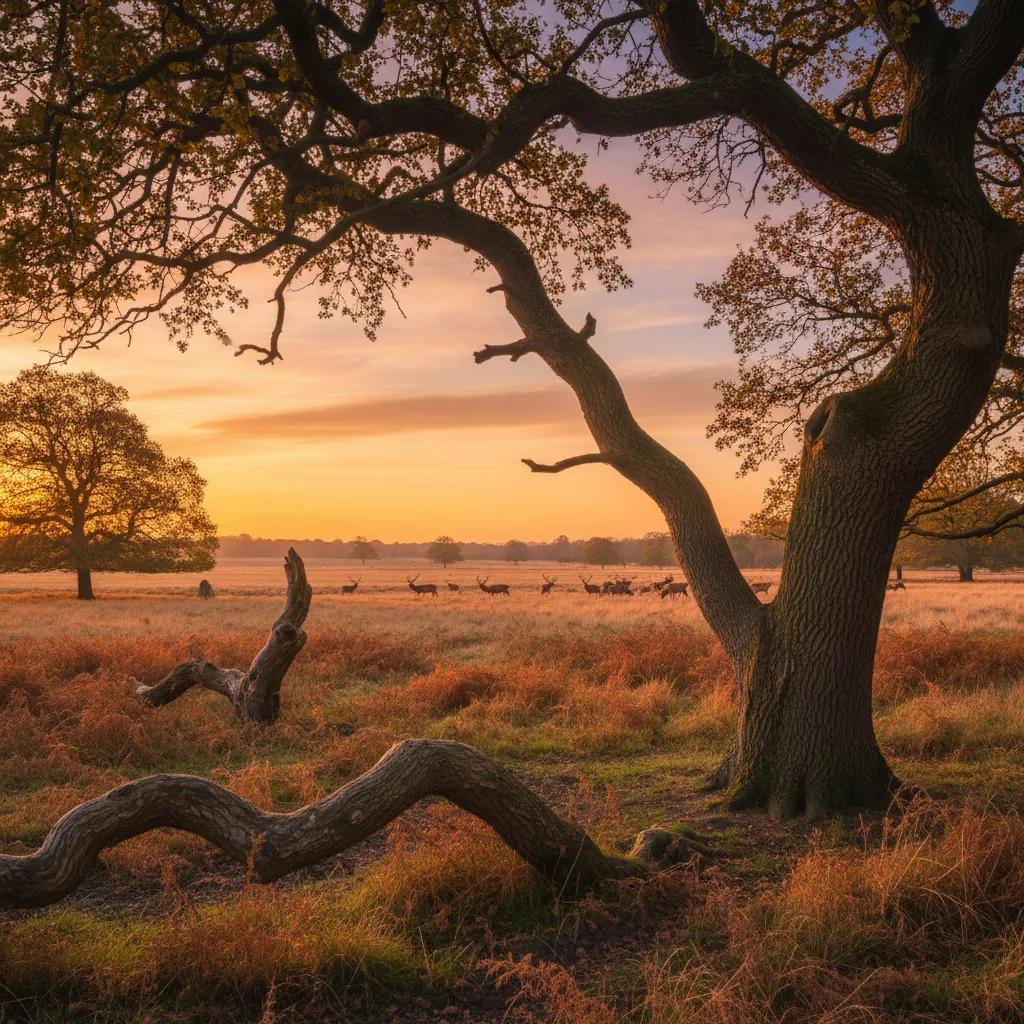
 Richmond Park Sunset Viewing Planner: Deer Meadow Horizons
Weekend Plans
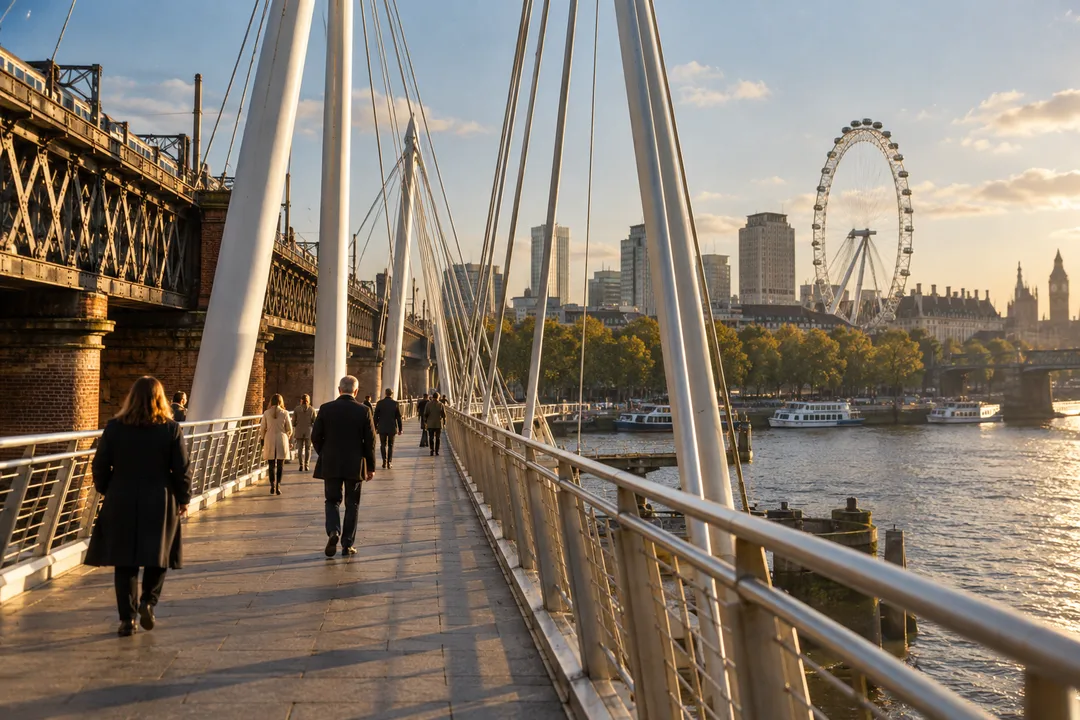
London Scenic Pedestrian Bridge Route With Two View Choices
Choose a London scenic pedestrian bridge route at Golden Jubilee Bridges by comparing two river views, then keep the crossing that suits your next stop.
The Golden Jubilee Bridges make a London scenic pedestrian bridge route a choice between viewpoints. The pedestrian crossings sit beside Hungerford railway bridge, so choosing a side changes your relationship to the river and the railway structure. Rather than treating both as compulsory, decide what you want to see and where you need to finish. This is a comparison exercise for someone who enjoys framing a city view but does not want to spend the outing doubling back. A good decision can result in a single crossing, with the unused side left for another day.
Draw the railway before drawing your walk
Start a rough plan with the railway crossing as a line across the river. Mark the pedestrian alternatives beside it, then add the bank where you are arriving. That simple arrangement is more helpful than a photograph which compresses several structures into one view. It explains why the first attractive-looking approach is not necessarily the side you intended. Use a pedestrian map to connect your actual arrival to the chosen approach. Do not assume you can swap between the two decks in the middle.
Add the place you are going afterwards before selecting the viewpoint. A view decision and a travel decision can conflict. You might prefer one river outlook but need to continue in the opposite direction after crossing. If the difference would turn a short stop into a long detour, decide which matters more today. This article does not supply a timed connection or promise a particular station exit. It gives you a way to make the trade-off visible instead of discovering it after everybody has crossed.
What belongs in the frame?
Choose a subject before choosing a side. Perhaps you want the broad river to dominate, a sequence of bridge structures to lead the eye, or the contrast between transport infrastructure and the skyline. Those preferences create different pictures. Look at a current map and a bank-side view, then select the side whose outlook serves the subject. Avoid choosing solely because somebody else's photograph was labelled London. Their position, lens, light and direction may be different from the scene you can actually see.
You can make the comparison without carrying specialist equipment. Hold an imaginary frame with your hands or describe the intended image in one sentence. If the sentence is about the river, do not let the nearest pylon fill most of the frame by accident. If it is about the bridge structure, foreground cables might be the point. The exercise is especially useful with a companion: agree whether this is a photograph stop or a walk with photographs along the way. Those are different uses of everyone's time.
Give each option a fair question
Ask the same question of the two pedestrian choices: what will this side let me notice that I would lose on the other? The answer should refer to an actual direction or relationship visible from the map and surroundings. A vague preference for atmosphere is hard to act on. A clear preference for keeping the railway outside your main river frame is useful. Weather can change the result, so choose a composition that still works if distant buildings lose their outlines in grey light.
Then apply one tie-breaker. For a group moving on to another activity, use the simpler onward route. For a person deliberately making images, use the view that serves the chosen subject. For someone who dislikes stopping in a stream of people, use the option that can be enjoyed while moving, with the main pause on land. None of these criteria predicts crowd levels. They simply identify which compromise you are prepared to make when the conditions in front of you are less tidy than the plan.
You do not need a compulsory return crossing
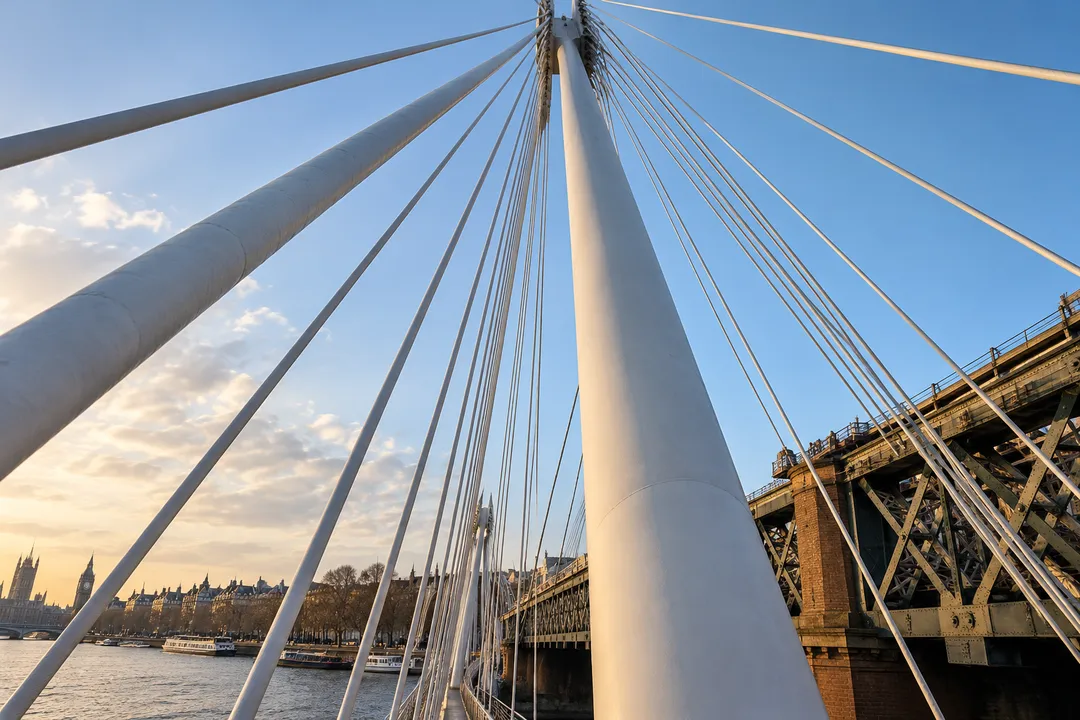
A two-view article can accidentally become a two-crossing obligation. Resist that. If the first crossing gives you the relationship between river, bridge and city that you wanted, finish on the far bank. A return exists as an optional comparison, not evidence that you completed the route properly. Before adding it, ask whether everybody would enjoy walking back or whether they are agreeing because the plan sounded finished. Leaving an unchosen alternative is part of making a decision, not a failure to explore.
If you do cross back, give the return a different observation task. Notice what the railway screens, which lines draw your eye towards the far bank, or how your earlier subject appears after the change in position. Repeating the same photograph from a slightly different point can be interesting, but it should be intentional. Do not keep a tired companion moving while searching for a marginally cleaner frame. Agree on a finish that remains a finish even if the comparison does not produce a favourite.
Keep the riverbanks in the decision
The edges of the outing matter as much as the deck. A useful plan identifies where you will pause before crossing and where you will stand to discuss the result afterwards. Find those positions in ordinary public space without blocking an approach or a walking line. The pause after the bridge is a good time to decide whether an additional riverside stroll belongs in the day. Do not place that conversation in the middle of the crossing just because the skyline is attractive there.
Treat any added South Bank or north-bank walk as its own small route. Give it an endpoint and a reason. An instruction to keep walking until you find something nice can be pleasant for a solo wanderer, but it is unclear for a group with a fixed departure. If the crossing was chosen to fit a limited window, retain that limit. An unnamed meal stop or indoor attraction does not become available simply because it is close to the river. Organise such a visit separately if you decide to include it.
A useful comparison prompt for Karpo
Ask the Karpo APP for help comparing a Golden Jubilee Bridges crossing using your chosen view subject and onward destination. For example, explain that you want one river photograph, a single crossing and a finish on the bank that suits the next part of your day. Request a short comparison rather than a list of London attractions. This keeps the planning task specific without claiming the app knows today's deck congestion, the working state of a lift or the exact weather at the river.
Keep the answer in a form you can act on: selected pedestrian side, reason, arrival approach to examine on your map and finishing bank. If two alternatives remain equal, record that the onward journey settles the choice. You do not need a numerical score for a subjective view. When sharing with companions, include the reason for the crossing so they can suggest a meaningful change. A person who values conversation more than photographs might reasonably favour a simpler walk over the most elaborate framing opportunity.
Practical Notes for two-view planning
The Port of London Authority groups Hungerford Bridge and the Golden Jubilee Bridges together in its Thames bridges information, and Visit London identifies the pedestrian crossings as a river viewpoint. Use those descriptions to understand the setting. This plan gives no opening schedule, walking duration or accessibility certification. Follow the actual pedestrian routing and any instructions at the approaches. Generated editorial pictures illustrate bridge-view choices and are not a record of the current condition, layout or availability of a particular access point.
Pack for the activity you have actually chosen. A camera outing needs a way to carry equipment while leaving your hands free to walk. A conversation walk needs less stopping and more room to move together. A quick crossing between appointments needs a clear exit from the river. The same pair of bridges can support those different intentions, but trying to combine all of them often makes the plan indecisive. Pick the view that matters, take the crossing, and let the next part of the day begin on the bank you selected.
Ask Karpo for more information.
Keep reading
- Richmond Park Sunset Viewing Planner: Deer Meadow Horizons
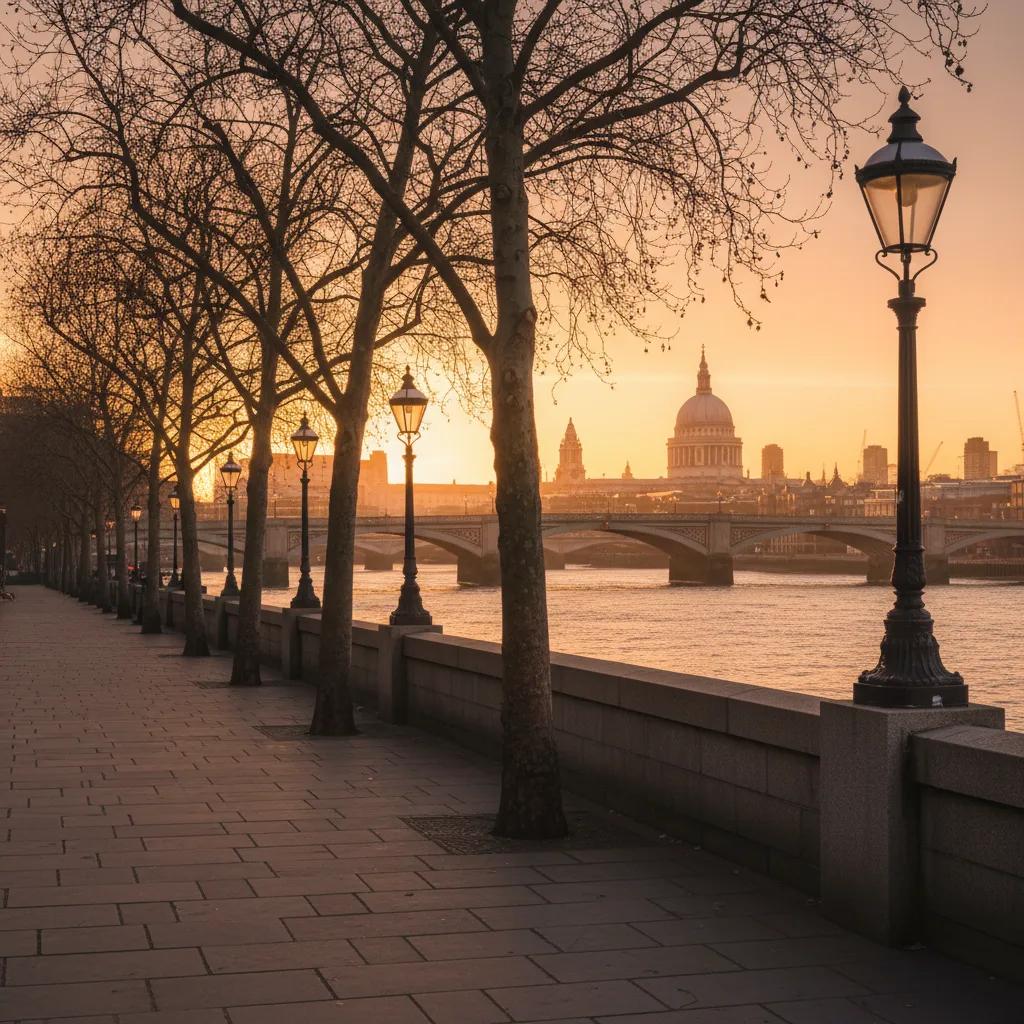 South Bank Sunset Viewing Planner: Thames Riverside Walks
 Parliament Hill Sunset Viewing Planner: London Heath Vistas