 Richmond Park Sunset Viewing Planner: Deer Meadow Horizons
Weekend Plans
London Scenic Pedestrian Bridge Route for One Short Walk
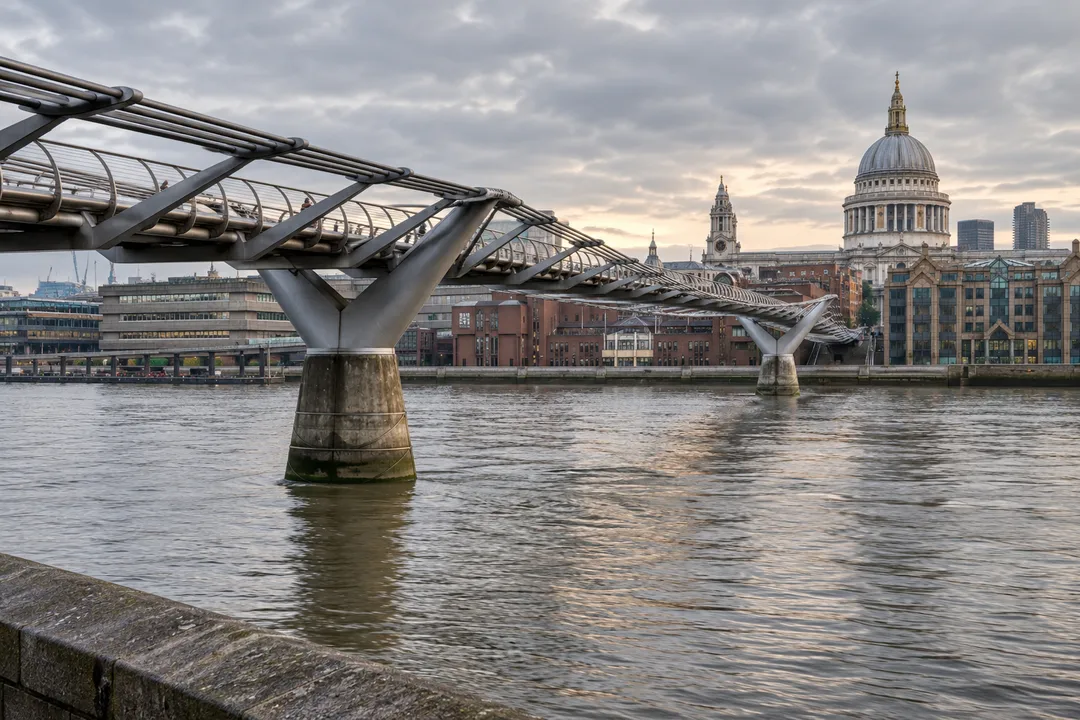
Plan a London scenic pedestrian bridge route around Millennium Bridge, with one crossing, a chosen finishing bank and space for a slower companion.
A London scenic pedestrian bridge route can be complete after one crossing. Millennium Bridge connects the City side near St Paul's Cathedral with Bankside near Tate Modern, giving you a clear pair of ends without requiring a long riverside circuit. Make the decision before leaving: which bank should hold the finish? This version is for an outing that needs a firm boundary, whether you are fitting a walk between appointments or travelling with somebody who wants a compact experience. The crossing is the main event, rather than the first obligation in an expanding sightseeing list.
Choose the finish before the first step
Put two places on your planning note: the point where everybody gathers and the bank where everybody is allowed to stop. North to south gives you Bankside as the continuation. South to north gives you the cathedral side as the next choice. Neither direction is inherently more complete. Choose according to the rest of your day, and write that reason down. If the next commitment is north of the river, crossing north can remove a later return journey that a prettier looking circuit would quietly add.
Give the walk a modest brief. One person might want a changing view of the dome, another might be interested in the steel structure, and somebody else may simply want a conversation away from a busy indoor room. Agree on one shared aim and allow the others to remain optional. This makes it easier to recognise a successful outing at the far end. A route that has already met its purpose does not need an extra attraction to justify stopping.
Three observations that belong to a crossing
Begin on land by noticing how much of the opposite bank is visible. Then notice what changes as you move above the water: the river takes up more of the foreground, familiar buildings shift against one another, and the approach you have left becomes part of the view. These are observation prompts, not a claim about weather or visibility on your visit. If mist hides the distant skyline, pay attention to the near structure and the shape of the water instead.
The third observation comes after you step off. Look back from somewhere that leaves other walkers room to pass and compare the bridge seen from land with the bridge experienced underfoot. A photograph can record that difference, but a sentence in your own words may be more useful. Try describing which part of the structure disappears into the line of the river. You are collecting a small change in perspective, not proving that you reached every famous viewpoint in the city.
Let the slower walker set the useful length
Imagine planning for two companions with different appetites for walking. One is keen to continue along the river, while the other has energy for the crossing alone. The answer is not a promise that the second person will feel better once they arrive. Give both people a shared finish at the far bank. Any additional wandering becomes a separate decision made there. That agreement protects the shorter outing and lets an enthusiastic walker continue without turning a preference into group pressure.
An arrival point is not automatically a suitable meeting point. Station exits, approaches and the river edge can be separated by turns or changes of level. When sending the plan, identify the actual meeting position in words and allow enough flexibility for an arrival to settle before walking begins. This article does not certify a step-free journey from any station. Where step-free access matters, select the complete arrival and departure paths using the relevant transport and bridge access information, rather than inferring them from a photograph of the deck.
Do the talking before the narrow moment
The most useful conversation happens before the group starts crossing. Decide whether you will walk together, whether anyone wants to pause, and where you will regroup if you naturally separate. Avoid making a new decision by standing across the walking line. On the bridge, keep your attention on the movement around you. A viewpoint that looks perfect in a camera frame may be a poor place for a group to collect, especially when people are approaching from both directions.
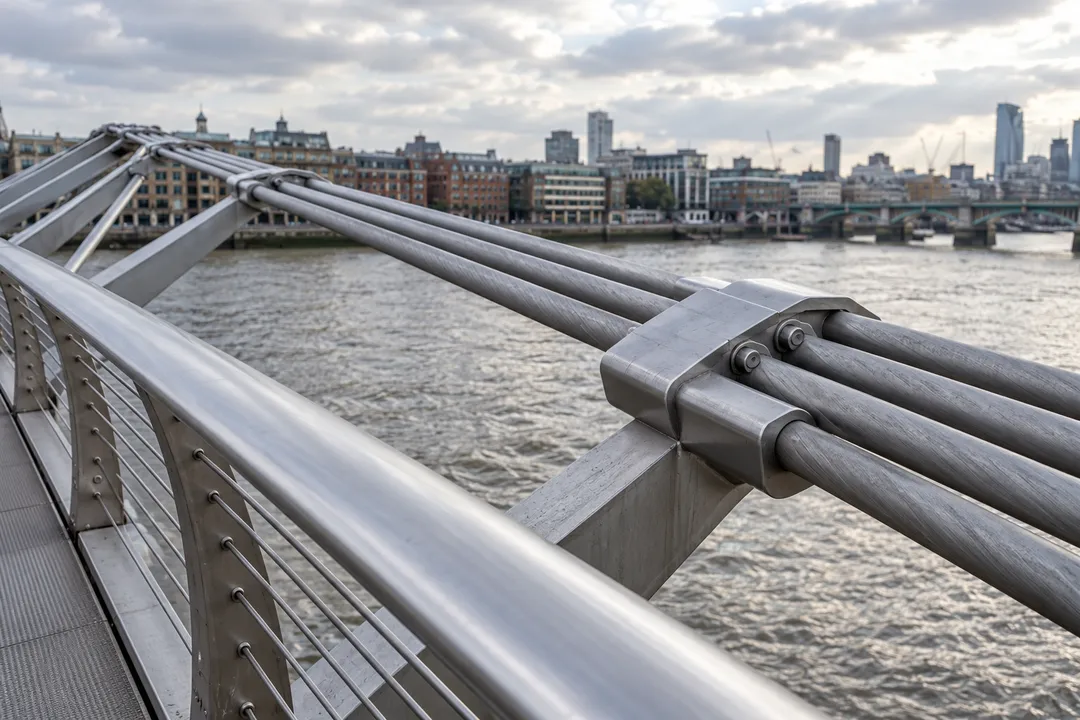
Photography works better as a limited task here. Choose one frame that shows the relationship between water and structure, then put the camera away for part of the crossing. Do not ask a companion to step backwards towards the edge or remain in another person's path while you wait for an empty background. If the scene is busy, include the ordinary movement or take your photograph from the bank. The route does not depend on producing an image without other people in it.
A bad-weather decision that keeps the promise
The promise is a small walk with a clear end, not a crossing whatever the conditions. If wind or rain makes the exposed section uncomfortable, keep the outing on the arrival bank and finish with a riverside observation from a suitable public position. This is a different version of the outing, so describe it honestly to the group. Do not turn the weather alternative into a longer search for another bridge. That would remove the main benefit of planning a short route.
There is also no need to invent an indoor rescue stop in advance. A named cafe or museum would introduce its own entry conditions and operating details, which this plan does not supply. Decide whether an indoor visit is actually part of your day before attaching it to the crossing. If it is, build that visit separately from its own official information. Otherwise, finishing at the agreed bank and going on to your next commitment is a perfectly coherent result.
Ask for a plan you can actually use
In the Karpo APP, phrase the task as a specific request: help me organise one Millennium Bridge crossing, finishing on the north bank, with no extra attractions. Add the needs that change the choice, such as a companion who wants a short walk or a departure destination already fixed on one side. Treat this as a planning conversation. It is not a request for a guaranteed clear bridge, a live crowd report or a reservation, and this article makes no promise of those capabilities.
The useful output is a brief you can read once: start, direction, main observation, finish and an optional continuation clearly separated from the shared outing. If the suggested plan grows into a sequence of distant attractions, ask for the crossing-only version again. Save your own final wording where your companions can refer to it. A smaller result is easier to change when someone arrives tired, and easier to explain than a detailed itinerary whose optional stops have quietly become expectations.
Practical Notes for a crossing-only outing
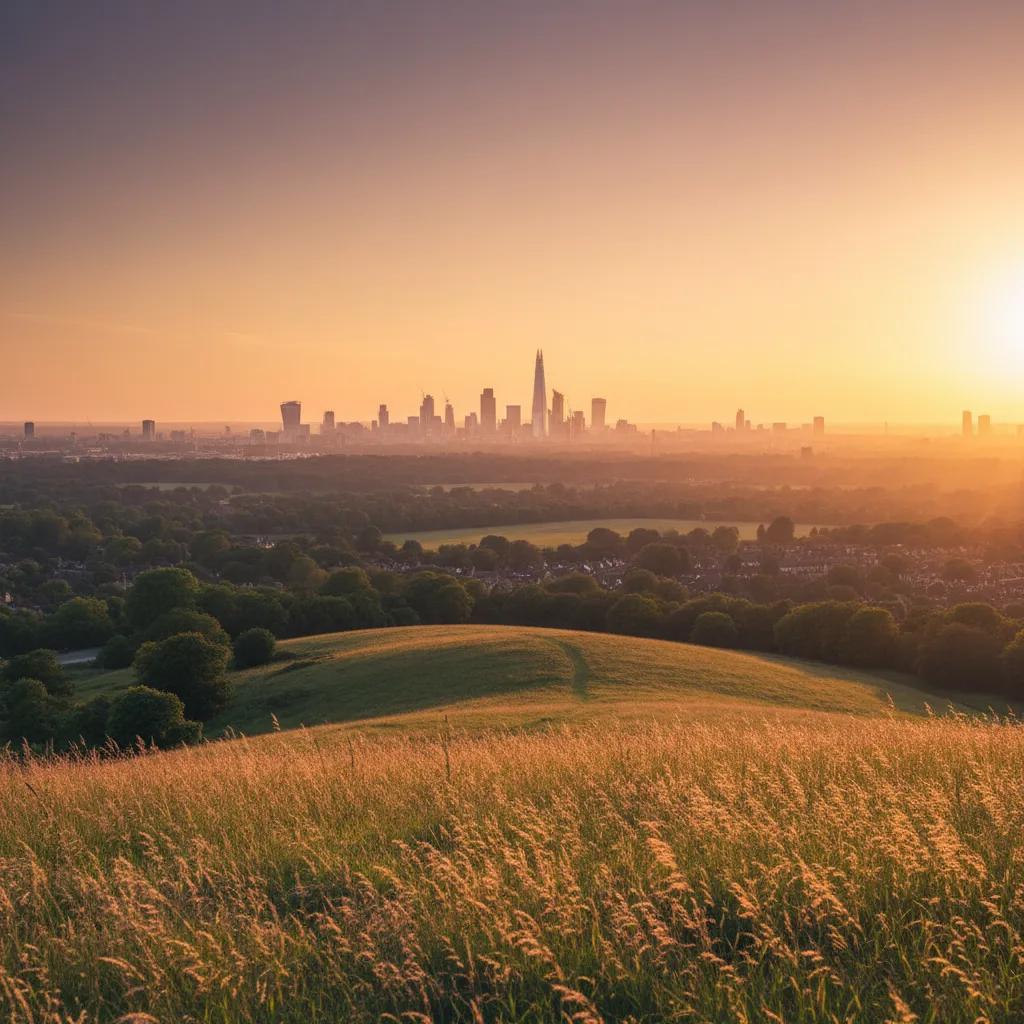
Use ordinary public pedestrian space and follow any barriers or instructions encountered on the route. The official City Bridge Foundation description establishes the connection between the City at St Paul's and Bankside at Tate Modern. It does not make this article a live access bulletin. No opening times, fares, commercial stops or guaranteed journey durations are included here. The editorial images are newly generated illustrations of a bridge-walking setting, not documentary evidence of the bridge's condition or the crowd on a particular day.
Before sharing the final note, read it from the perspective of the person who wants the shortest day. Can they identify where the outing ends without negotiating an extra walk? Do they know which side of the river they will be on? Have you kept photography and further sightseeing optional? If those answers are clear, the plan has done its work. Cross once, notice the change between the banks, and allow the small outing to remain small when you reach its finish.
Ask Karpo for more information.
Keep reading
- Richmond Park Sunset Viewing Planner: Deer Meadow Horizons
 South Bank Sunset Viewing Planner: Thames Riverside Walks
 Parliament Hill Sunset Viewing Planner: London Heath Vistas