 Clapham Bouldering Gym Finder: New in Town, Climb to Mingle
Sports Social
London Scenic Cycling Route Planner: Lea Valley Waterway
Plan an unbroken waterside bike ride from Queen Elizabeth Olympic Park through Walthamstow Marshes with birdwatching pauses using Karpo APP.
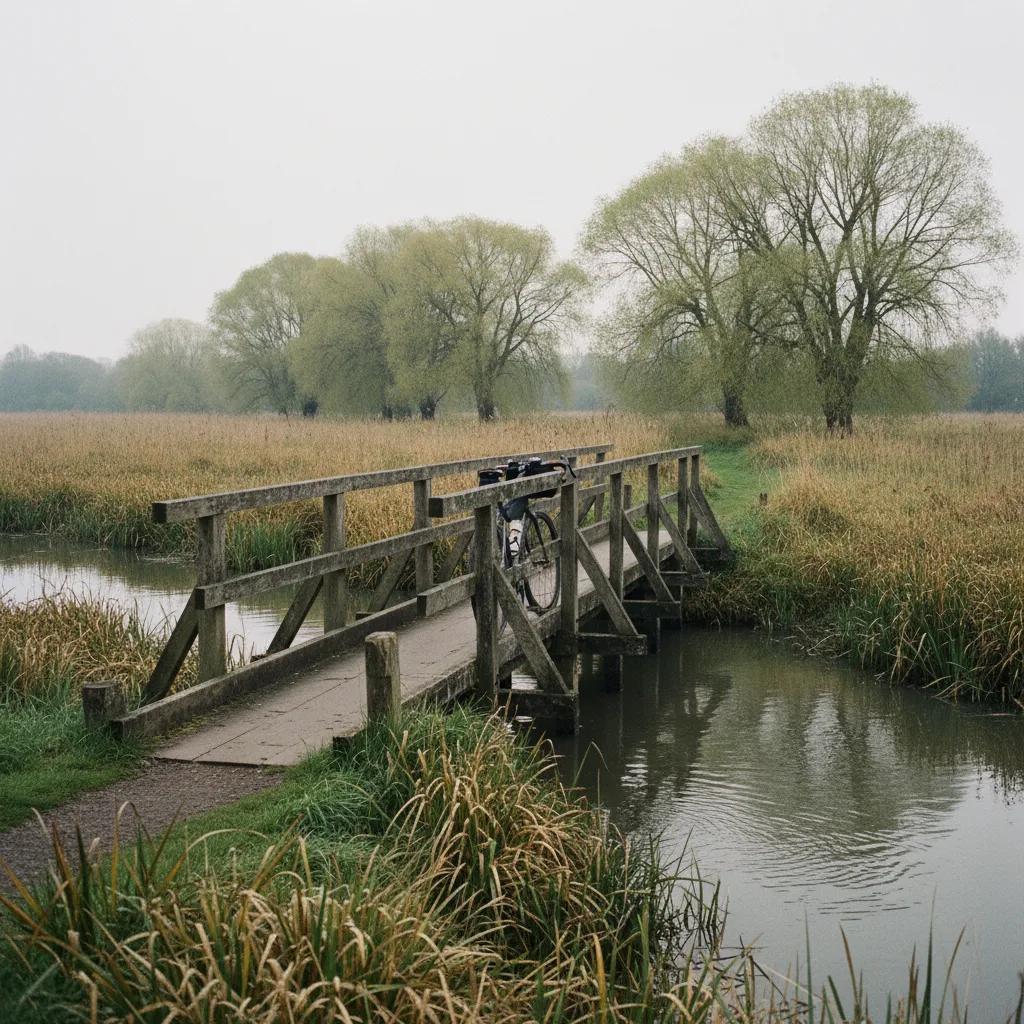
Stretching northward from the Thames tideway into the open floodplains of Hertfordshire, the River Lea Navigation offers one of the longest continuous car-free cycling corridors in Greater London. First modernized for commercial barges under eighteenth-century canal acts and extensively upgraded during the 2012 Olympic regeneration, this historic waterway has been transformed into a flourishing ecological corridor linking urban East London with untamed wetlands. This scenic cycling route planner traces the river trail from Queen Elizabeth Olympic Park in Stratford up through Hackney Marshes and Walthamstow Wetlands, providing cyclists with an unbroken route free from traffic lights, junctions, and engine noise.
Navigation Path Surfaces and Ride Quality
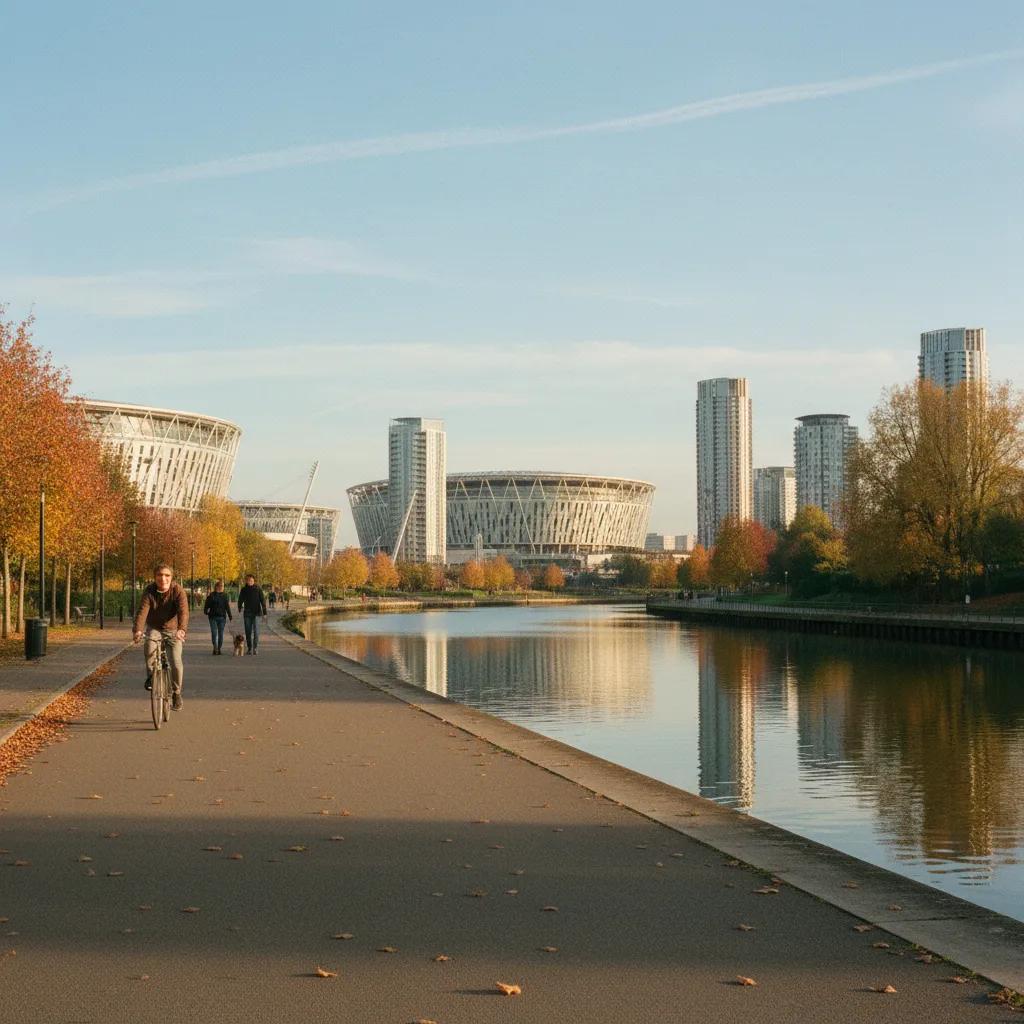
The southern section through Stratford and Hackney Wick features broad, modern asphalt cycle tracks constructed during the 2012 Olympic project. Path surfaces are smooth, well-drained, and illuminated by contemporary street lamps. Moving north past Lea Bridge Road and Springfield Marina, the trail transitions to traditional crushed stone towpaths, stabilized gravel, and occasional timber boardwalk bridges. The terrain is flat, with only gentle ramps around historic lock basins, making it an effortless ride accessible for all cycling abilities and bicycle types.
Wildlife Sanctuaries and Protected Wetlands
What distinguishes the Lea Valley from other London waterways is its immersion in pristine nature reserves. The route skirts Walthamstow Marshes, a Site of Special Scientific Interest where rare wild orchids, marsh marigolds, and ancient floodplain meadows thrive. Further north, the vast reservoirs of Walthamstow Wetlands shelter kingfishers, grey herons, and wintering waterfowl. Bicycles are welcomed along designated reservoir perimeters, provided riders observe five-mile-per-hour courtesy zones around sensitive bird hides and viewing platforms.
Santander Docks and Transit Access
For cyclists using shared mobility, Santander Cycles docking stations are concentrated around Queen Elizabeth Olympic Park, Hackney Wick Station, and Stratford International. North of Lea Bridge, riders must rely on private bikes or dockless e-bike fleets. The route is exceptionally well connected to London Overground and railway lines, with step-free stations at Hackney Wick, Lea Bridge, Tottenham Hale, and Northumberland Park located within five minutes of the river towpath.
Weirs, Locks, and Historical Waypoints
The waterway is animated by a sequence of functioning locks and timber weirs dating back to the late nineteenth century. At Old Ford Lock, the navigation meets the Hertford Union Canal, while Springfield Marina houses an eclectic community of historic wooden barges and narrowboats. Cyclists should slow to a walking pace when negotiating the tight masonry curves around lock gates, as mooring ropes, lock keys, and angling equipment frequently line the stone coping.
Midpoint Cafés and Waterside Kiosks
Finding quality refreshments along the Lea Valley is a highlight of the journey. The Timber Lodge Café inside Olympic Park and the converted Engine House Café at Walthamstow Wetlands offer locally sourced lunches, fresh pastries, and outdoor picnic benches. Near Springfield Park, canalside coffee shacks serve specialty espresso directly to passing riders. Public water refill fountains are conveniently located outside the Olympic Velodrome and beside the Walthamstow Wetlands visitor center.
Towpath Etiquette and Angler Sharing
The Lea Valley towpath is actively shared with local rowers, towpath residents, and coarse anglers who fish for roach and pike along quiet reeds. Angling poles often extend across the path during early mornings, so sounding your bell well in advance and making eye contact ensures a courteous, hassle-free passage. During evening dusk hours, flying insect swarms can gather above the water, making lightweight protective eyewear a practical addition to your riding gear.
Tire Setup and Puncture Protection
While paved sections are forgiving, northern towpath stretches around Stonebridge Lock occasionally accumulate sharp thorn hedge trimmings during autumn pruning. Equipping your bicycle with puncture-resistant tires between 28mm and 38mm width ensures optimal reliability. Carrying an inner tube and a compact hand pump prevents long walks along unlit towpath corridors if an unexpected deflation occurs.
Seasonal Wind Patterns and River Visibility
The wide open expanse of the Lea Valley means headwind can play a significant factor when pedaling north against gusty northerly breezes. On overcast autumn days, low-lying ground mist often hovers over Hackney Marshes until mid-morning, lending a magical ethereal quality to the riverbanks. Mounting high-visibility daytime running lights on your frame ensures you stand out clearly to oncoming runners and narrowboat owners stepping off moored vessels.
Lockside Etiquette and Boating Courtesies
At operational locks like Pickett's Lock and Stonebridge Lock, narrowboat skippers frequently operate heavy balance beams by hand. Giving working boaters a wide berth and never leaning bicycles against wooden lock balance arms preserves essential working clearances. A cheerful nod and waiting patiently while lock chambers fill or empty deepens your connection to the enduring canal community that lives along this ancient river navigation.
River Heritage and Historical Evolution
Following the course of the River Lea connects riders with centuries of London's manufacturing and brewing history. During the nineteenth century, water mills along the lower marshes ground grain that supplied bakeries across Victorian London. Today, repurposed pump houses and heritage waterworks serve as cultural centers and nature classrooms, celebrating the transformation of this working canal into a world-class urban ecological sanctuary.
River Bridges and Hydraulic Architecture
Marveling at the hydraulic architecture along the navigation provides a rich appreciation for British water engineering. The ornate Victorian iron overbridges near Tottenham Marshes contrast beautifully with the ultra-modern sculptural footbridges spanning the Olympic waterways. Approaching these bridge ramps with steady pedal cadences allows you to admire the balance of old brickwork and contemporary timber decking that defines this waterside cycle corridor.
Evening Illumination and Dusk Preparedness
Because unpaved towpaths north of Tottenham Hale are not artificially lit at night, planning your return journey before darkness falls is essential. Sunset casts vivid amber reflections across the open waters of the Banbury and Lockwood reservoirs, making late afternoon an enchanting window for photography. If riding in the evening, a powerful rechargeable front lamp illuminating thirty feet ahead ensures you can spot tree branches, mooring stakes, and unpaved towpath edge markers comfortably.
Customising Your Lea Valley Route with Karpo APP
Whether you are planning a relaxed ten-mile afternoon loop around the Olympic Park waterways or a scenic thirty-mile rural gravel trek up to Hertford and Ware, Karpo APP optimizes your cycling itinerary. The app monitors towpath maintenance diversions, calculates headwind resistance along open reservoir expanses, and maps connecting quietways that guide you safely back toward central London rail stations.
Ask Karpo for more information.
Keep reading
- Clapham Bouldering Gym Finder: New in Town, Climb to Mingle
 Marylebone Bouldering Gym Finder: Lunch Break Climbs
 Notting Hill Bouldering Gym Finder: Family Climbing Weekends