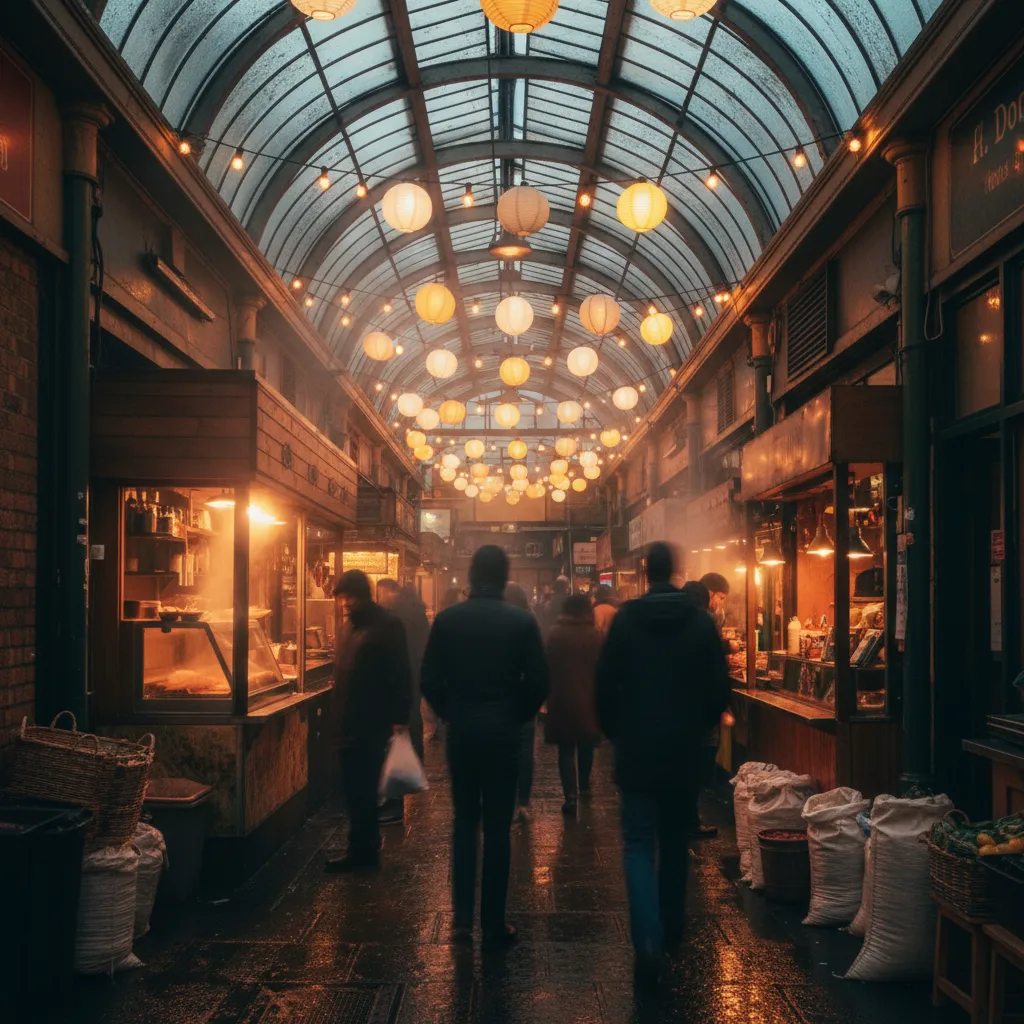
 Brixton Christmas Light Up Walk Planner: Rainy Arcades
Free Things to Do

London Notting Hill Scenic City Skyline Viewpoint Walk Guide
Walk the charming ridges of Notting Hill and Portobello, discovering elevated vistas across pastel-hued Victorian rooftops toward central London.
Perched upon a gentle natural ridge in west London, the storied district of Notting Hill offers an enchanting and distinctively residential vantage point over the capital's skyline. Gazing eastward from the crest of Campden Hill and the elevated roads above Portobello Market, the eye travels across unbroken rows of pastel-painted stucco townhouses, slate mansard roofs, and Victorian church steeples, before meeting the distant, shimmering silhouettes of the Post Office Tower and the central London financial core, demonstrating a delightful contrast between neighborhood charm and metropolitan scale across historic west London. Stucco facades painted in shades of mint green, pale lavender, and buttercup yellow glow warmly under the western sky.

Pastel Terraces and Western Hilltop Panoramas
What makes the Notting Hill viewpoint so compelling is its layered domestic intimacy. Rather than towering commercial high-rises dominating the foreground, views here are framed by classic wrought-iron balconies, blooming magnolia trees, and the warm, vibrant colors of candy-striped facades along streets like Lancaster Road and Westbourne Park Road. The city skyline appears as a distant, glittering backdrop to a tranquil neighborhood tableau, offering a uniquely personal urban perspective rooted in community life. Climbing upward along the Ladbroke estate terraces reveals how nineteenth-century architects harnessed natural topography to stage city vistas.
From the elevated ridge near St John's Church on Ladbroke Grove, the ground slopes gently away toward the north and east, creating natural visual sightlines that sweep across North Kensington toward Kensal Green and beyond. On clear days, the contrasting materials—from cream-colored stucco and red brick to distant steel pinnacles—illustrate London's gradual transition from leafy residential borough to high-density metropolis, showing how the city gently unfolds westward across green parks and residential enclaves. Ornate cast-iron balustrades and slate dormer windows lend an unmistakably romantic silhouette to the high ridge.
Walking these elevated western streets reveals an unexpected sense of spaciousness. The generous width of communal garden squares and low-rise residential zoning preserve broad corridors of open sky, allowing weather patterns and changing cloud formations to dramatically shape your panoramic experience, filling the horizon with shifting evening hues and dramatic sunsets.
Ideal Light and Weekend Timing
To experience the Notting Hill and Portobello skyline route at its most photogenic, aim for a morning visit between 8:30 am and 10:30 am on a weekday. Morning light strikes the east-facing facades and garden squares with soft brilliance, making the pastel paintwork on Portobello Road glow brightly while keeping the viewing streets pleasantly free of weekend market crowds, allowing for unhurried observation and thoughtful photography.
If visiting on a market day (Friday or Saturday), arrive in the late afternoon between 3:30 pm and 5:00 pm. As stallholders begin packing away their antiques and vintage displays, the setting sun casts a rich, golden illumination eastward across the rooftops, turning chimney stacks and church weather vanes into striking silhouettes against the central London horizon, filling the air with evening warmth and vintage character. Antique market traders carefully arrange vintage silverware and brass telescope fittings before market crowds arrive.
Winter afternoons can be exceptionally rewarding in Notting Hill. With foliage cleared from private garden trees, previously hidden vistas open up through the mews lanes, and crisp, cold air ensures pristine atmospheric clarity that makes distant central London landmarks appear remarkably sharp, letting viewers identify distant towers across miles of clear winter air with extraordinary precision.
Portobello Ridge Walk and Viewing Stops
Begin your walking loop at Notting Hill Gate Station, heading north along Pembridge Road toward the southern entrance of Portobello Road. Pause at the crest near Chepstow Villas to look eastward down the gently sloping cross streets, where rows of classic Victorian villas frame glimpses of distant central London towers, offering lovely neighborhood vistas bathed in soft morning light.
Follow Portobello Road north past the antique arcades toward Westbourne Grove. Turn west into the tranquil residential curves of Lansdowne Crescent, climbing toward St John's Church at the summit of the hill. From the public churchyard terrace, enjoy a quiet, elevated vantage point that looks north and east across the historic Ladbroke Estate, taking in the sweeping curved rooflines below and quiet gardens. Descending toward Westbourne Grove brings intimate glimpses of secluded cobblestone mews lined with converted carriage stables.
Continue north onto Lancaster Road, turning east to reach the junction with Ladbroke Grove. Here, the elevated topography provides sweeping views across West London's rooftops toward the north, framing the historic gas holders and the green expanses of Kensal Green against the open sky, before leading you down towards lively local market corners and artisanal shops.
Public Transit and Accessibility
Notting Hill is served by excellent transport connections on multiple Underground lines. Notting Hill Gate Station provides interchange between the Central, District, and Circle lines, placing you directly at the elevated southern boundary of the walking circuit with rapid links across central London and western districts.
At the northern end of the market corridor, Ladbroke Grove Station and Westbourne Park Station on the Circle and Hammersmith & City lines offer convenient alternative entry and exit points. This allows for a linear north-south walk that minimizes backtracking and lets visitors transition easily into neighboring canal districts and peaceful towpaths.
Frequent bus services, including routes 27, 28, 52, and 328, operate continuously along Kensington Church Street and Ladbroke Grove. The neighborhood's streets feature well-maintained paved footpaths, though gentle uphill climbs are required when ascending from Portobello Road toward the Campden Hill ridge, easily managed at a relaxed pace by walkers of all ages.
Neighborhood Charm and Surrounding Stops
Take time to immerse yourself in Notting Hill's unique independent spirit as you explore its vantage points. The Museum of Brands on Lancaster Road offers a fascinating journey through centuries of consumer history and packaging design, situated just steps from the northern viewpoints and providing an engaging cultural pause in your walking route. Neighborhood florists and artisanal sourdough bakeries perfume the morning breeze that drifts across the hilltop.
After taking in the elevated vistas, relax at one of the independent bakeries along Westbourne Grove or savor an artisanal flat white on Kensington Park Road. The unforgettable combination of pastel architecture, peaceful garden squares, and distant skyline panoramas makes Notting Hill one of London's most charming viewing destinations, rewarding every visitor with memorable urban perspectives and neighborhood warmth.
Ask Karpo for more information.
Keep reading
- Brixton Christmas Light Up Walk Planner: Rainy Arcades
 Hackney Christmas Light Up Walk Planner: Canal Boats
 Islington Christmas Light Up Walk Planner: Square Dates