 Clapham Weekend Brunch Planner: Parkside Morning Cafes
Restaurants
Whitechapel Salt Beef Sandwich Lunch Picker and History Walk
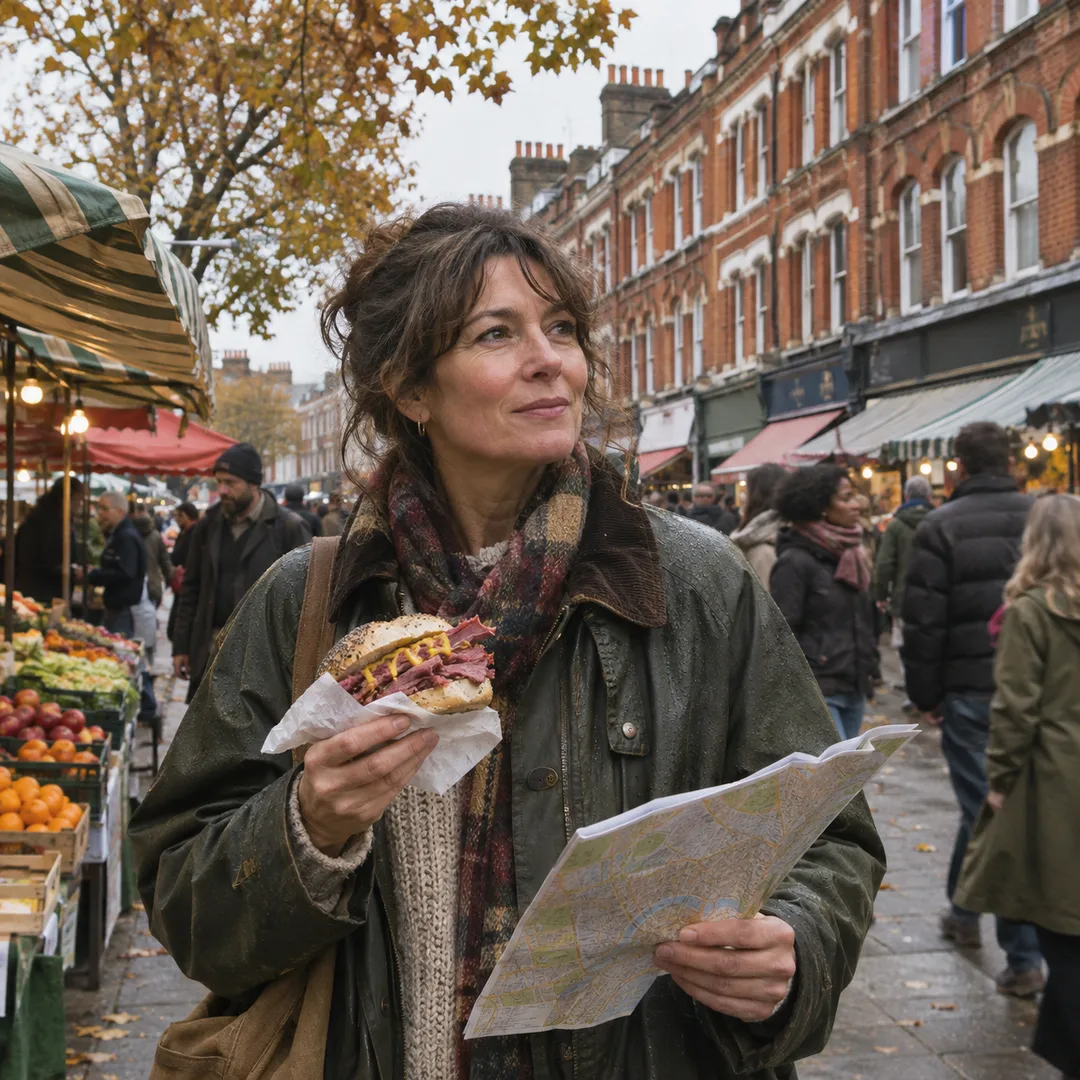
History fans can plan a Whitechapel salt beef lunch as the middle of a Jewish East End walk, from the Brune Street soup kitchen, Sandys Row and Altab Ali Park.
Salt beef tastes better when you know where it came from. In Whitechapel and the streets just west of it, the sandwich is a living link to the Jewish East End, a crowded world of immigrants, workshops, synagogues and soup kitchens that shaped this part of London for generations. A self-guided history walk with a salt beef lunch in the middle is one of the most rewarding ways to spend a day here, and you do not need a tour guide to do it, just comfortable shoes, an appetite and a little background.
Why Whitechapel Is the Right Place for This Lunch
From the late nineteenth century, tens of thousands of Jewish immigrants fleeing poverty and persecution in Eastern Europe arrived in London and settled in Whitechapel, Spitalfields and the surrounding streets. They built synagogues, ran tailoring workshops and bakeries, published newspapers in Yiddish and created a dense, lively community that lasted well into the twentieth century before many families moved on to north London.
Salt beef was part of the everyday food of that world. Curing brisket in brine was a practical way to make tougher, cheaper cuts tender and long lasting, and the result became a deli staple served hot on rye or in a bagel. Eating it here, in the streets where it found its London home, turns a simple lunch into the centrepiece of a walk through history.
Starting the Walk Near Aldgate East
Aldgate East station is a convenient starting point, placing you between Whitechapel to the east and the old Jewish streets around Petticoat Lane to the west. Begin with a short loop west before lunch, while you are still fresh. Brune Street is home to one of the most striking survivors of the period, the former Soup Kitchen for the Jewish Poor, its facade still carrying the date 1902 and its name in bold lettering.
Nearby, the Sandys Row Synagogue tells a story of layered communities in a single building. It was built in the eighteenth century as a chapel for Huguenot refugees and became a synagogue in the nineteenth century, serving Dutch Jewish immigrants. It is often described as the oldest Ashkenazi synagogue still in use in London. Pausing outside both buildings sets the scene for everything that follows.
Choosing Your Salt Beef Moment
After the first loop, you will have earned lunch. Plan your sandwich as the halfway point of the walk rather than the end, so you have energy for the second half. A bagel is easiest if you want to keep moving, while rye is better for sitting down somewhere and resting your feet. Either way, ask for English mustard and a pickle to get the full traditional effect.
If you are walking with friends or family, use lunch as a moment to share what each person noticed. One might have spotted a Hebrew inscription above a doorway, another a faded painted sign on a wall. These small discoveries are the joy of a self-guided walk, and the sandwich gives everyone a reason to stop and talk rather than marching on to the next stop.
Altab Ali Park and the White Chapel
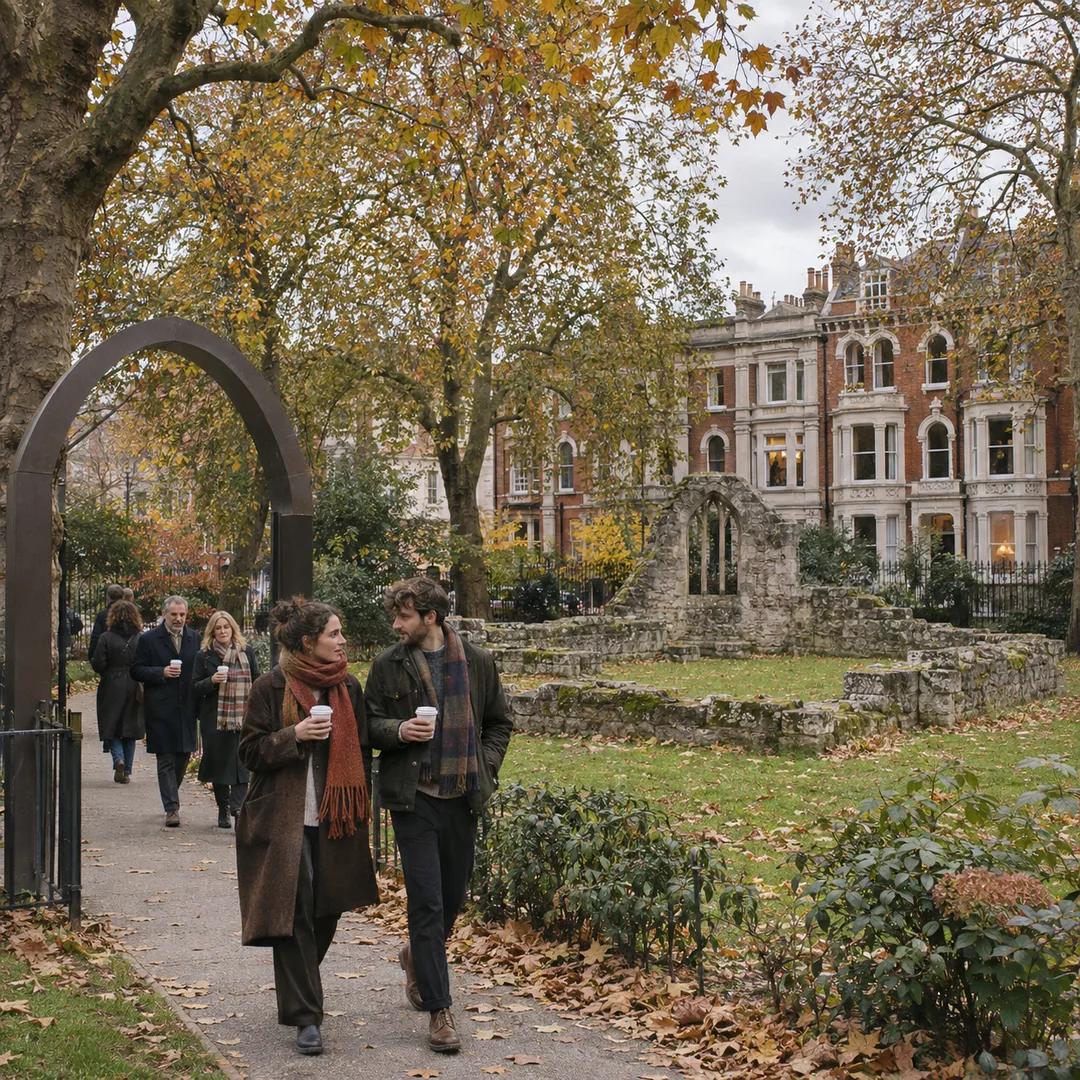
Walk east along Whitechapel High Street to Altab Ali Park, a small green space with an important story. It stands on the site of the medieval church of St Mary Matfelon, whose whitewashed walls are said to have given Whitechapel its name. The church was destroyed in the Second World War, and its outline is still traced in the grass, a quiet reminder of how old this area really is.
The park was renamed in memory of Altab Ali, a young Bangladeshi garment worker murdered in a racist attack in 1978. His death became a turning point for the Bangladeshi community of the East End, which had arrived in the same streets once home to Jewish families. The park is a fitting place to finish the last bites of your sandwich and reflect on how waves of newcomers have shaped Whitechapel.
Whitechapel Gallery and the Life of the Street
A few steps away, the Whitechapel Gallery opened in 1901 with a mission to bring great art to the people of the East End. It has shown many important works over the years, and in 1939 it displayed Picasso's Guernica as part of a campaign supporting the Spanish Republic. The building's distinctive facade is worth a look even if you do not have time for an exhibition.
Whitechapel Road itself is the beating heart of the area today, with its market stalls, sari shops and busy crowds. It is not a quiet street, and that is the point. Walking it after lunch lets you feel the energy that has always defined this neighbourhood, from the days of Yiddish street traders to the Bangladeshi businesses that line it now.
The Bell Foundry and Other Traces
Further east along Whitechapel Road, the former Whitechapel Bell Foundry occupies a handsome old building. For centuries it cast bells that rang around the world, including the great bell of the Palace of Westminster, before the foundry closed in 2017. Even from the outside, it is a reminder of the skilled trades that once filled the East End.
Look out for smaller traces too. Old shop signs, carved stone dates on buildings and former synagogue facades turned to other uses all hint at past lives. Many of the streets around Whitechapel and Spitalfields reward slow walking with your eyes raised above the shopfronts. A good lunch makes that slow pace easier, because you are not distracted by hunger.
Walking With Respect
The East End is a living neighbourhood, not a museum. People live, work and worship here, and the best walks are the respectful ones. Keep groups small, avoid blocking narrow pavements and ask before photographing people or the inside of places of worship. Many residents are happy to share their own stories if you show genuine interest and a little patience.
It is also worth remembering that history here includes hardship. Overcrowded housing, poverty and prejudice were part of daily life for many immigrant families, and they still are for some residents today. A thoughtful walk acknowledges both the richness and the struggle. The salt beef sandwich is a celebration, but it is also a reminder of how people built lives with very little.
Picking Your Whitechapel Salt Beef Lunch
To plan your own walk, choose a start point, a lunch stop at the halfway mark and a handful of sites that interest you most. The soup kitchen facade, the Huguenot chapel turned synagogue, Altab Ali Park and the Whitechapel Gallery make a strong core route that fits comfortably into a few hours, with time to linger over your sandwich.
The Karpo APP can help you search around Whitechapel and Aldgate and shortlist places that suit a salt beef lunch in the middle of a history walk, so you can plan the route at home and simply enjoy it on the day. Pick a dry afternoon, bring a curious friend and let one sandwich connect you to a century of East End stories.
Ask Karpo for more information.
Keep reading
- Clapham Weekend Brunch Planner: Parkside Morning Cafes
 Hackney Weekend Brunch Planner: Canalside Roastery Tables
 Soho Weekend Brunch Planner: Historic Townhouse Tables