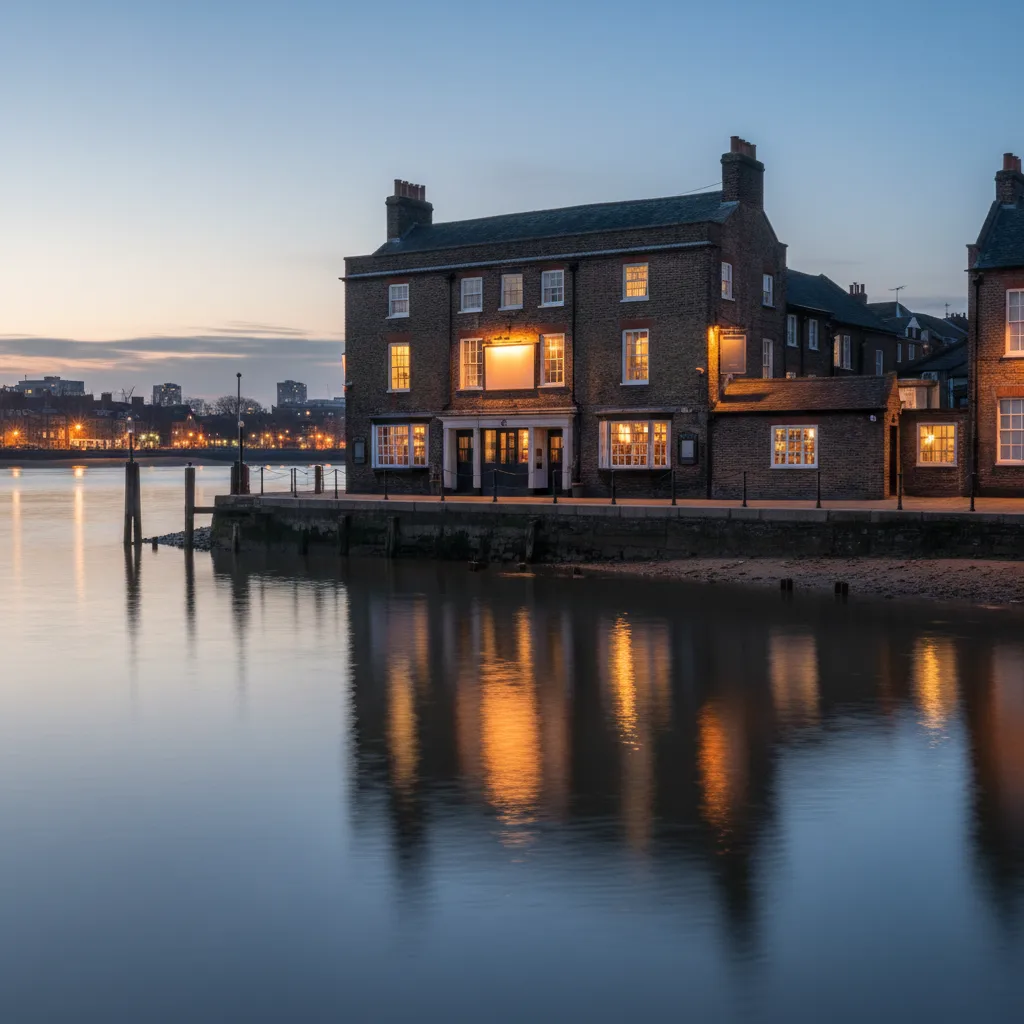
 Greenwich Blues Bar Night Picker: River Stages After Dusk
Bars & Nights Out

South Bank Sake Bar Night Picker: Warm Cups After the River
Use this South Bank sake bar night picker after a winter Thames walk: order warm junmai first, then a cool ginjo, and learn the temperature words that matter.
The South Bank is London's longest winter walk, and this sake bar night picker is built for the moment it ends: cheeks stinging from the wind off the Thames, hands deep in pockets, and a strong wish for something warm. Sake is one of the few drinks that is properly designed to be heated, and the small Japanese bars and izakaya tucked behind the river around Waterloo know exactly what to do with a cold, quiet customer. Walk first, then let a warm flask do the rest.
Why the South Bank Walk Makes the Sake Taste Better
Walking the river in November or December is a ritual for a lot of Londoners. You start somewhere near Westminster or Waterloo Bridge, pass the concrete terraces of the Southbank Centre, drift by the book stalls under the bridge, and keep going east toward Gabriel's Wharf, Tate Modern and the Millennium Bridge. The wind comes straight off the water, and by the end your fingers feel like they belong to someone else.
That cold is the reason to choose sake over a glass of wine at the end. A warmed cup of rice wine does something to a chilled body that a cocktail never quite manages. The aroma opens up in the steam, the rice sweetness becomes softer, and the first sip spreads warmth from the chest outward. Treat the walk as the warm-up for the cup, not the other way round.
Learn Four Temperature Words Before You Sit Down
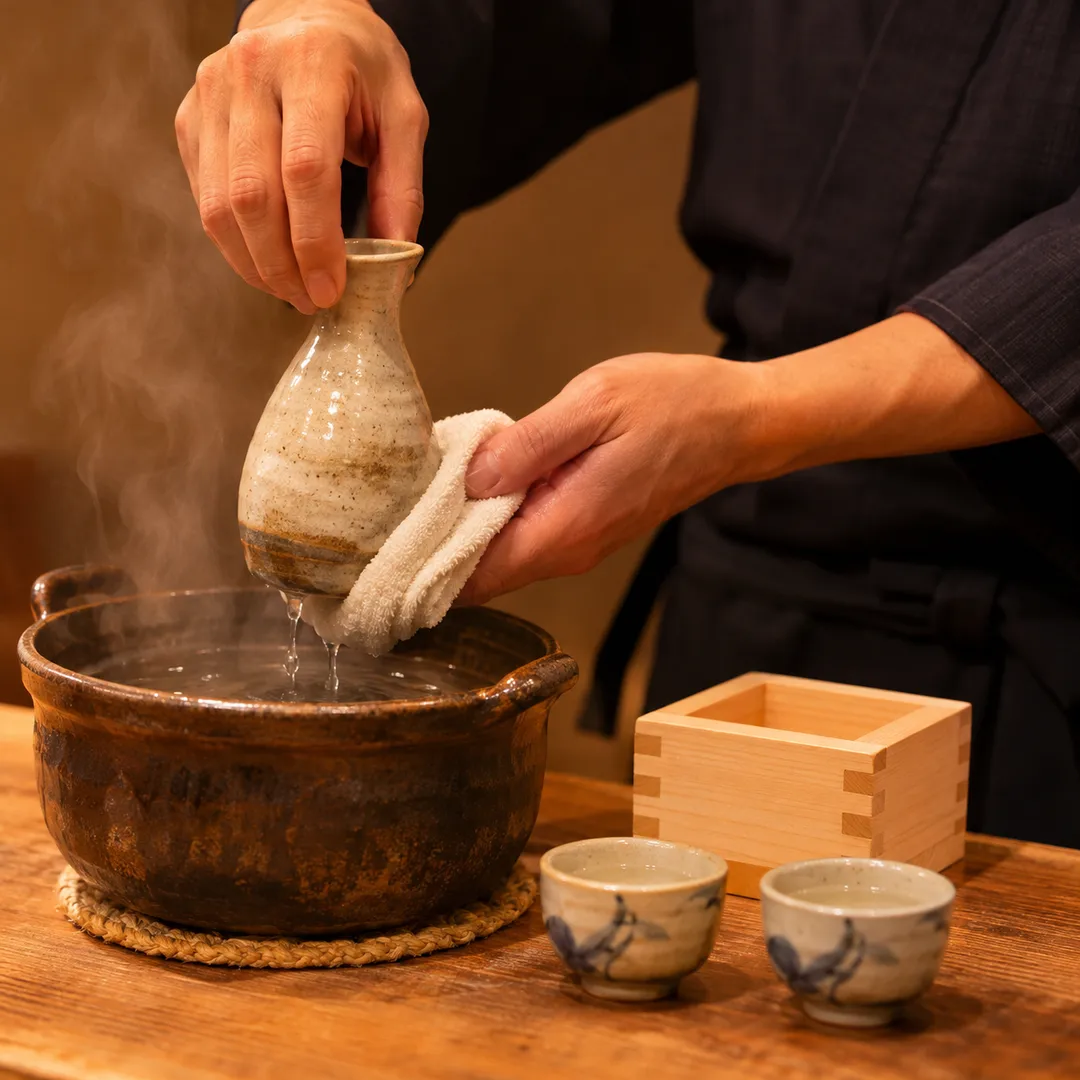
Sake menus in London often use a few Japanese temperature words, and knowing them turns a confusing list into a simple choice. Hiya usually means served cool or at room temperature. Nurukan is gently warmed, about the warmth of a bath you could happily sink into. Atsukan is properly hot, the kind of cup you hold with your fingertips at first.
There is also reishu, which simply means chilled. On a cold night after the river, start in the middle of the scale with nurukan. It is warm enough to thaw you out but gentle enough to keep the character of the sake. If you love the feeling, ask for the next cup a little hotter and notice how the flavour changes as it moves from soft to bold.
Do not be shy about asking the bartender which bottles they like warm. Many small sake counters have a favourite that they heat for regulars, and a simple question such as which one would you warm tonight usually earns a better answer than reading the menu alone.
What to Order First When Your Hands Are Still Cold
For the first round, look for a junmai, the style made only from rice, water, yeast and koji. Junmai tends to have fuller body and a savoury, rounded flavour that stays intact when heated. If the menu mentions kimoto or yamahai, those are traditional methods that often give a richer, slightly tangy cup, and they are some of the most rewarding sakes to drink warm.
The sake will usually arrive in a small ceramic flask called a tokkuri, with tiny cups called ochoko. The idea is to pour little and often, so each cup stays at the right temperature. If you are with a friend, pour for each other rather than for yourself. It is a small custom, but it slows the evening down in the nicest way.
Pair the first warm flask with something simple from the kitchen, such as grilled skewers, a bowl of edamame or a few pieces of fried chicken. Warm sake and salty, smoky food are an old partnership, and after a long walk you will be hungrier than you think.
Switch to a Cool Ginjo Once You Have Thawed
Once the feeling has come back to your fingers, the second round is the moment to try something cool. Ginjo and daiginjo sakes are made from rice polished further down, and they tend to be lighter, more fragrant and fruitier, with notes that can recall melon, pear or white flowers. Heat can flatten those delicate aromas, which is why these styles are usually served chilled.
Drinking a warm junmai and then a cool ginjo side by side is the quickest way to understand how wide the world of sake really is. Ask for a small pour of each if the bar offers half measures or tasting glasses. Compare the smell before you sip, then compare the finish after you swallow. Most people are surprised by how different two rice drinks can be.
Pick the Bar by How Much Time You Have Left
The streets behind the river and around Waterloo hold a mix of Japanese spots, from small counters with a dozen seats to busier izakaya with long tables. If you only have half an hour before a train, choose a counter where you can sit at the bar, order one warm flask and leave relaxed. Counter seats also give you the bartender's attention and the best view of the warming pot.
If you have the whole evening, a larger izakaya with a fuller kitchen makes more sense. You can work through two or three sakes, share plates, and let the night stretch at its own pace. For groups of four or more, a table is kinder than squeezing along a counter, and it makes passing the flask round the table part of the fun.
A Simple Route That Ends at the Right Door
A good South Bank sake evening has a shape. Start west, near the London Eye or Waterloo Bridge, while there is still a little light over the water. Walk east past the Southbank Centre and the National Theatre, linger at the book stalls if they are still trading, then carry on toward Bankside, Tate Modern and the view of St Paul's across the Millennium Bridge.
From there, decide whether to double back toward Waterloo or head south into the quieter streets behind the river. Either way, the walk should take about an hour at a gentle pace, which is long enough to get properly cold and short enough that nobody grumbles. Save the warm sake for the end, when it feels earned.
Small Courtesies That Make the Night Smoother
Sake bars tend to be intimate places, and a few quiet habits go a long way. Keep coats and scarves off the counter, especially if they are wet from the river spray. Speak at table volume rather than walk volume, since sound carries in small rooms. When you raise a cup with friends, say kanpai, and try to keep your cup a little lower than the person you are toasting if they are older or hosting you.
Drink water alongside the sake. Many Japanese bars call it yawaragi-mizu, or softening water, and it keeps a warm evening pleasant rather than heavy. Sake is often around the strength of a strong wine, and warm cups go down easily, so a glass of water between rounds is a kindness to tomorrow's version of you.
Let Karpo Shape the Plan Around Your Walk
If you want help fitting the walk and the sake together, open the Karpo APP and describe the evening you have in mind: who is coming, how long you want to walk, and whether you prefer a quiet counter or a lively table. Karpo can suggest a route and a style of bar that suits the mood, so you spend less time searching on a cold pavement and more time with a warm cup in your hands.
The South Bank rewards people who slow down. Walk the river, let the cold reach you, then step inside for a warm flask and a cool glass to finish. By the time you head home, the wind will feel like part of the story rather than something you endured.
Ask Karpo for more information.
Keep reading
- Greenwich Blues Bar Night Picker: River Stages After Dusk
 Shoreditch Blues Bar Night Picker: East End Brick Stages
 Brixton Blues Bar Night Picker: Soulful South Stage Sets