 Greenwich Blues Bar Night Picker: River Stages After Dusk
Bars & Nights Out
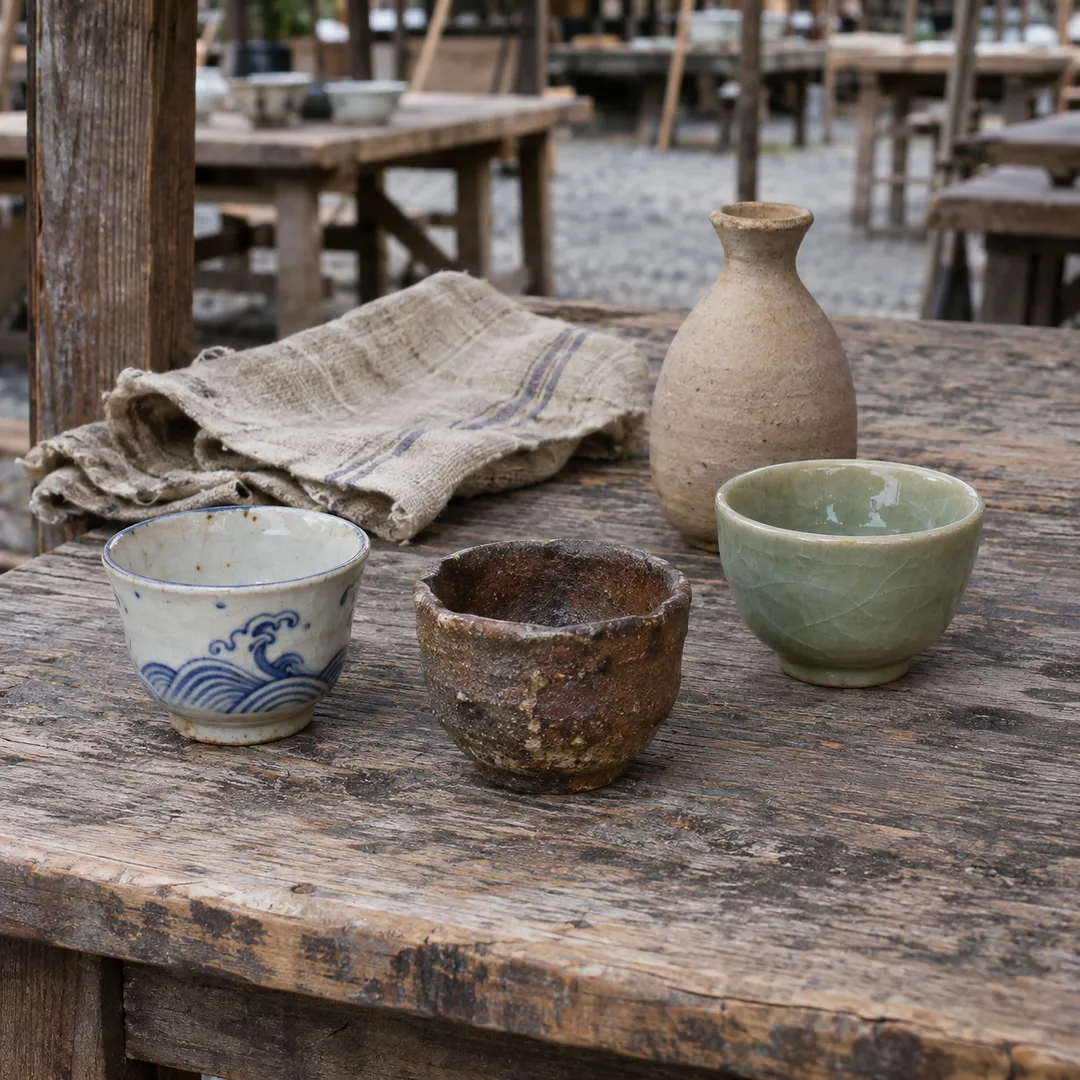
Notting Hill Sake Bar Night Picker for Vintage Cup Hunters
Found an old sake cup on Portobello Road? End the day at a Notting Hill sake bar, taste how cup shape changes the pour and pick a bottle to christen your find.
Portobello Road has drawn collectors for generations, and among the silver, prints and old glassware you can sometimes spot a small Japanese sake cup or flask waiting for a new home. If you bring one back, you will want to know how to use it. This sake bar night picker turns a Notting Hill antiques day into an evening lesson: how to choose a sake bar that cares about vessels, what to ask about cup shape and which bottle to take home so your new find gets a proper first pour.
Why Cup Hunters End Up at a Sake Bar
Sake culture in Japan has always paid close attention to the vessel. Small cups come in porcelain, stoneware, lacquer, glass and tin, and each one changes how a pour feels on the lips and how its aroma reaches you. Collectors in London who pick up a cup at a market stall often have no idea what it was made for, and the easiest way to learn is to sit at a counter where the staff serve sake in a range of cups.
A good sake bar becomes a living reference library. You can see how a thin porcelain rim makes a delicate pour feel crisp, and how a thick stoneware cup softens a rich, warm one. After one evening you will look at the cup in your bag with fresh eyes.
Reading the Stalls on Portobello Road
The Saturday antiques market is the busiest time to browse, with arcades and street stalls spread along the upper part of the road. Japanese ceramics do turn up, but they are rarely displayed together, so look for small cups tucked among tea bowls, ink pots and decorative china. Ask dealers if they have anything Japanese stored under the table, since small pieces are often kept out of the rain.
When you find a cup, turn it over. A rough unglazed foot ring usually means hand-thrown stoneware, while a smooth white base points to porcelain. Run a finger round the rim to feel for chips, and hold it up to the light to check for hairline cracks. A tiny chip is fine for display, but a crack will leak once warm sake goes in.
Choosing a Sake Bar That Cares About Vessels
Not every bar that serves sake pays attention to what it is served in. When you arrive, look at the counter. If you see a basket or tray of mismatched cups, or staff offering guests a choice of cup, you are in the right place. Some sake counters let each guest choose a cup from a collection, and that ritual is perfect for anyone who has just spent the day hunting their own.
Notting Hill and nearby Westbourne Grove have a scattering of Japanese restaurants and small wine and sake bars. Choose somewhere seated and relaxed rather than a busy cocktail room. Tell the person serving that you have been collecting old cups at the market. Most sake lovers will take a genuine interest and may even suggest how to care for your find.
The Shape Test You Can Try at the Counter
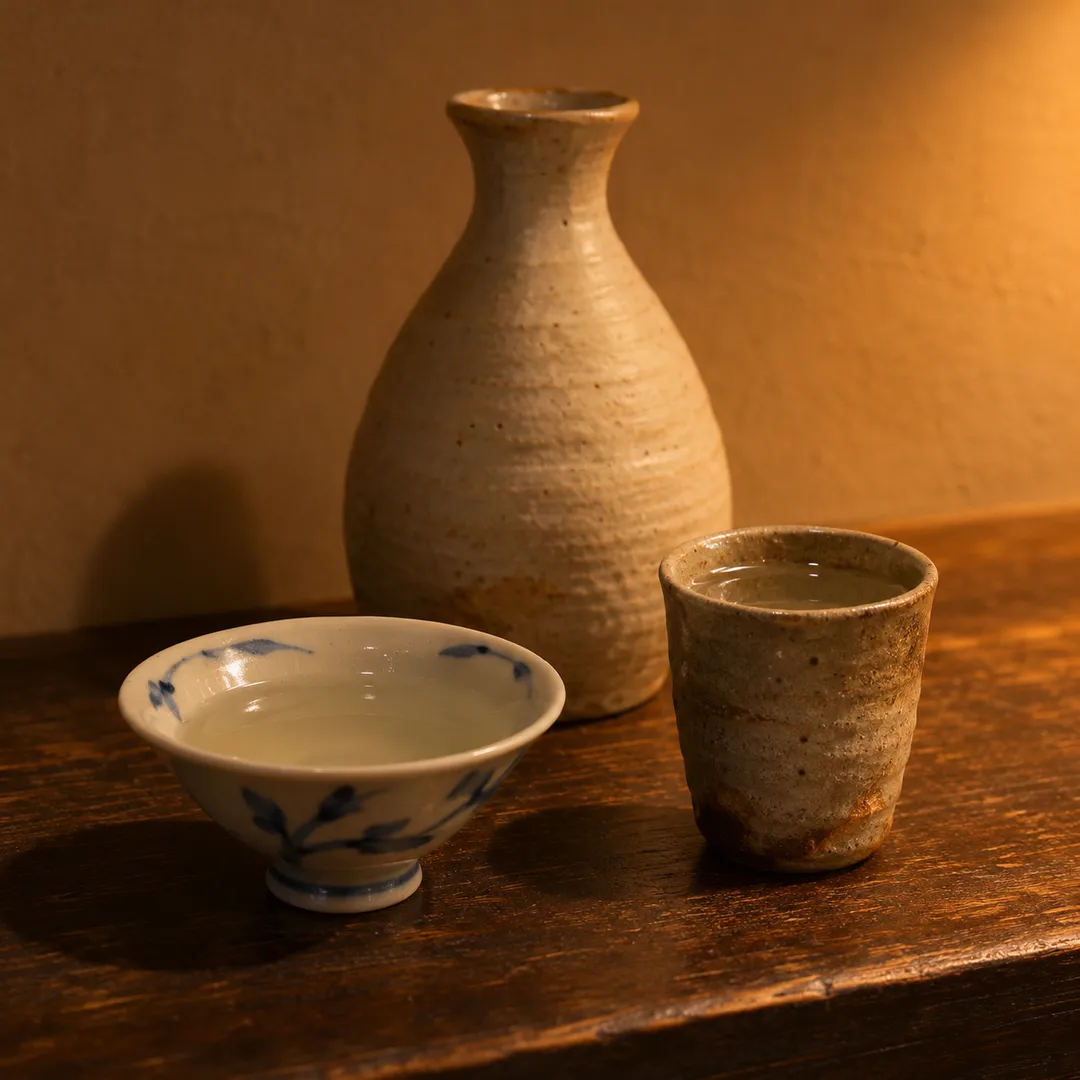
Ask for one sake poured into two different cups, a wide flared one and a tall narrow one. Sip from each and notice how the wide cup lets more aroma rise, which suits fragrant chilled styles, while the narrow cup keeps the scent closer and focuses on taste and texture, which works well for fuller pours.
Then try the same sake warm in a thicker stoneware cup. Warmth brings out savoury rice notes, and a heavy cup holds that heat for longer. Within half an hour you will have a working sense of which cup shapes suit which styles, and you can apply that straight away to whatever you found at the market.
Matching Your Find to a Style of Sake
If you came home with a thin porcelain cup, especially one with a flared rim, it will shine with chilled ginjo or daiginjo styles that have a light, fruity nose. A thick stoneware or earthenware cup is a natural partner for junmai served warm, when the cup holds heat and feels comforting in your hands.
Glass cups suit sparkling and very cold sake, and lacquered cups are traditionally used for celebrations. If your piece is old and you are not sure whether the glaze is food safe, keep it for display and use a newer cup of similar shape for drinking. The look still sets the mood on the table.
Taking a Bottle Home
Many sake bars in London are happy to tell you which bottles they enjoy for home drinking, and some sell bottles to take away. If not, ask them to write down the style and a rough description so you can look for something similar at a Japanese grocer or wine shop.
Choose a bottle that suits your new cup. A fragrant ginjo for a delicate porcelain piece or a sturdy junmai for a rustic stoneware one. Store opened sake in the fridge and finish it within a few weeks, as the flavour fades once air gets in. Your first pour at home, in a cup you found yourself, is a quiet pleasure worth planning for.
A Day Plan From Market to Counter
Arrive at Portobello Road in the morning, when the antiques stalls are freshest and the crowds are thinner. Browse the arcades first, then the street stalls, and give yourself a budget so you do not go home with a bag of chipped china. Break for lunch at one of the cafes near Westbourne Grove.
In the afternoon, wander the pastel terraces and quiet garden squares nearby. As dusk falls, head to your chosen sake bar with your find wrapped in a scarf or a soft cloth. Order a short flight, ask for the shape test and spend the last hour comparing cups. Wrapping up the day with a drink that explains what you bought gives the whole outing a satisfying shape.
Caring for Old Sake Cups
Wash antique cups by hand in warm water with a little mild soap and never put them in a dishwasher. Dry them upside down on a cloth, then turn them over to air dry fully, especially stoneware, which can hold moisture in its unglazed foot.
Store small cups wrapped in tissue or cloth so they do not knock against each other. If you build a small collection, a shelf with a few pieces on display looks lovely and reminds you to use them. Sake cups are meant to be held, and a well-loved collection tells the story of every market where you found something special.
Who This Night Is For
This plan suits collectors, ceramics lovers, couples looking for a weekend with a theme and anyone setting up a first home who wants a few special pieces for hosting friends. It also works for visitors who want a souvenir with a story rather than something from a gift shop.
Bring patience at the market and curiosity at the counter. The pleasure lies as much in the hunt and the conversation as in the cup itself.
Use Karpo to Find a Sake Bar in Notting Hill
Finding a counter that serves sake in thoughtful cups can take some searching. Open the Karpo APP and say you have spent the day at Portobello Road and want a relaxed sake bar nearby where you can compare cup shapes. Karpo can suggest spots around Notting Hill that suit a calm evening, so you can spend your energy on tasting rather than searching.
Ask Karpo for more information.
Keep reading
- Greenwich Blues Bar Night Picker: River Stages After Dusk
 Shoreditch Blues Bar Night Picker: East End Brick Stages
 Brixton Blues Bar Night Picker: Soulful South Stage Sets