 Richmond Park Sunset Viewing Planner: Deer Meadow Horizons
Weekend Plans
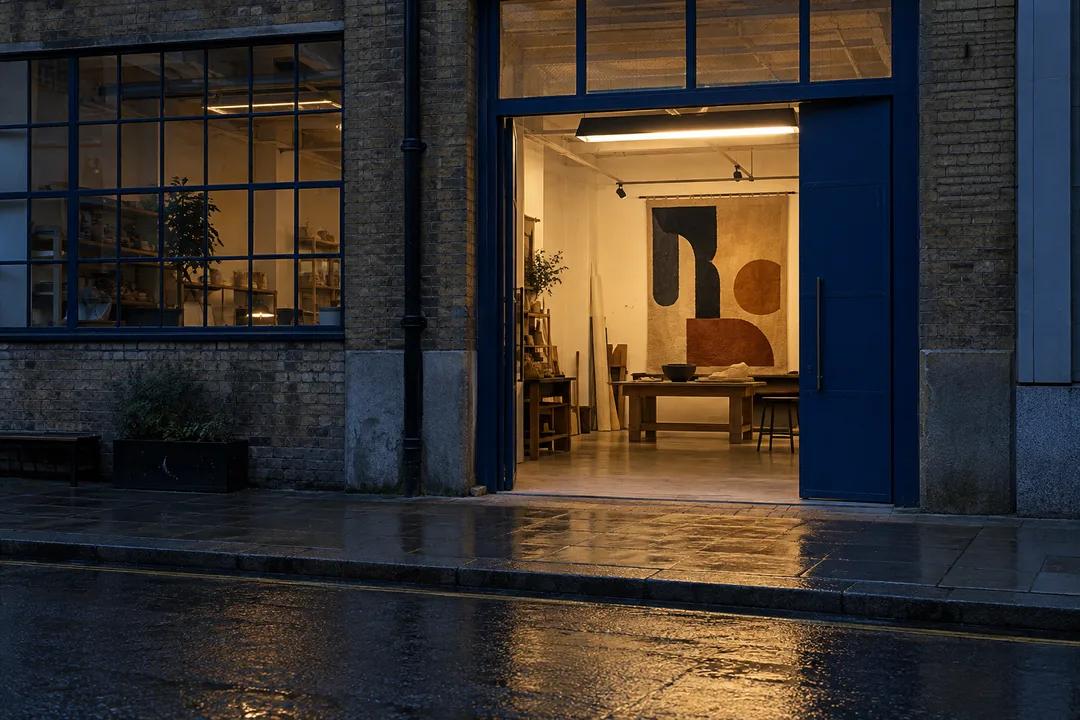
Tufting London Rug Tufting Studio: £150 Nine Elms Build
Tufting London at 14 Ponton Road, London SW8 4BA lists a full-day rug-tufting workshop for £150. Bring a simplified design and use the extra time to refine it.
Tufting London is designed around the act of making rather than a quick novelty stop. The studio’s published location is 14 Ponton Road, London SW8 4BA, and its full-day workshop is listed at £150. That combination makes the venue relevant when your design needs more than a tiny icon or when you want time to practise before committing to the final sections. A longer appointment changes the mood: the project can be planned, built, inspected and refined without racing every decision.
A Menu Built Around Making
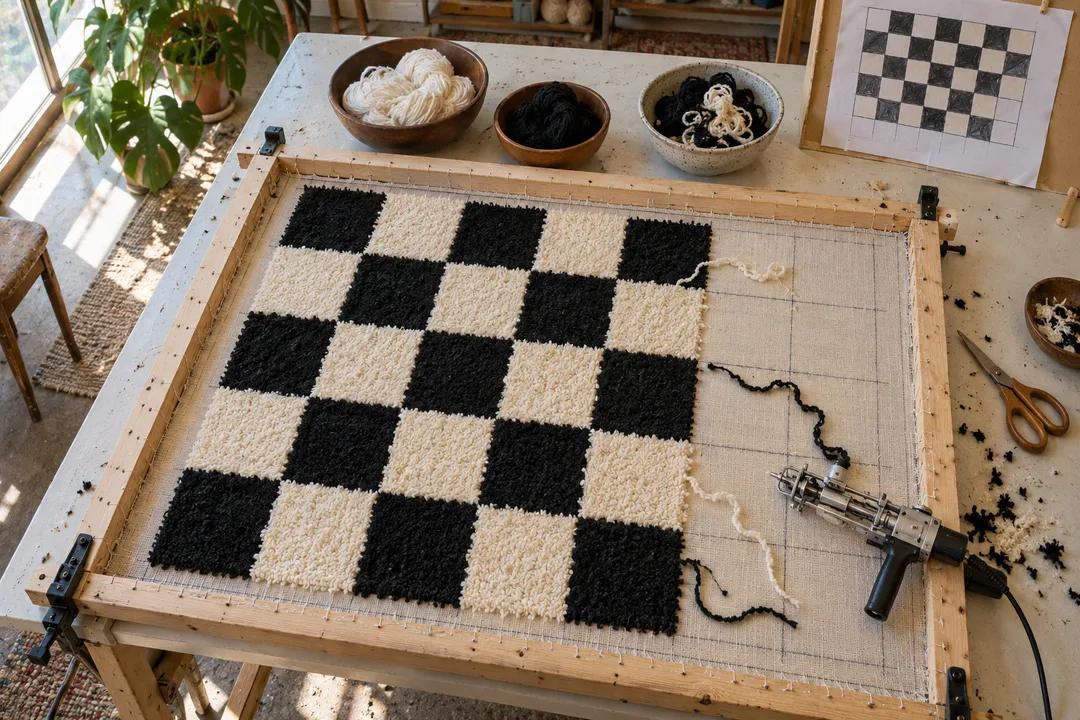
Start by deciding how much visual air the design needs. A central symbol with a generous field can work on a small frame, while a landscape, checkerboard or illustrated border will need room around its edges. Nine Elms is a useful setting for a full project because you can arrive with a concept that has not yet been reduced to a thumbnail. Still, simplify the drawing before travel. A longer booking is not a reason to keep every detail that the material cannot support.
Choose a Project With Enough Air
The £150 full-day price gives you permission to learn slowly. Spend the opening stretch testing line speed and pressure, then use the rest of the day for the design rather than trying to learn while filling the most important section. A full day also creates space for a clean review of the backing and for trimming decisions. The goal is not to stay busy every minute. It is to leave with a surface that looks intentional from across the room.
What the £150 Full Day Allows
For a first project, choose a shape with a clear outside edge and no more than three major colour zones. A sun, arch, abstract face or oversized botanical form will give you enough variety to learn curves, corners and fills. If you want lettering, make the letters thick and widely spaced. If you want a portrait, reduce it to the features that carry recognition. The frame rewards large visual decisions, so let the rug speak in shapes before you add decoration.
The Beginner Shape That Holds
The frame is honest about technique. Gaps appear when the line is too quick, thick ridges form when the pressure is too forceful and corners become muddy when the hand turns without a plan. Check the reverse side at regular intervals, then return to the front with a calmer eye. Tufting London’s longer format gives you time to correct rather than cover. Use that opportunity: a patient repair usually looks more natural than a late layer of extra yarn.
Let the Frame Give Feedback
This studio suits a maker who enjoys a project with a beginning, middle and finishing stage. It can work for a design student, a couple planning a shared piece or someone who wants to spend a day away from passive screens. It is not the best match for a person who wants an instant result or who dislikes repeating a motion until it becomes reliable. The reward is cumulative. Each careful pass makes the final surface more legible.
A Studio for Deliberate Makers
Tufting London publishes 14 Ponton Road, London SW8 4BA, as its studio address, with +44 20 8050 4128 as the listed phone. Save the details before setting out and treat the full-day appointment like a real class, not an open-ended drop-in. Decide what the central shape is, who is bringing the reference and how the group will divide the design decisions. A little administration beforehand protects the creative hours once the frame is ready.
Book the Day, Not a Maybe
Bring a short palette plan rather than a suitcase of possibilities. Compare the yarn against the background colour, identify the strongest contrast and reserve one shade for a small accent. Nine Elms travel can feel longer when you are carrying too much, so keep the physical kit light and let the studio provide the main equipment. Wear something comfortable, bring water and choose a reference you can understand without enlarging it every few seconds.
Colours Before the Commute
A full-day workshop needs a real pause. Step away from the frame, stretch your shoulders and look at something farther away before returning to a difficult edge. This is not lost production time. It is how you notice whether a section is becoming too dense or whether the border has drifted. The eye gets used to a drawing after long concentration. A break restores the distance needed to see the rug as an object rather than as a collection of individual stitches.
Take a Proper Break
After making, Nine Elms gives you a useful change of pace through riverside paths, new streets and open views. Walk without trying to turn the break into another itinerary item. The studio work will have focused you on texture and small boundaries, while the neighbourhood offers larger lines, reflections and repeated architectural forms. Those contrasts can feed the next design. If the rug needs finishing or collection, keep the route flexible enough to return for the practical handover.
Where to Walk Afterward
The smallest useful question is: what should I simplify before I continue? Ask it whenever the image starts to feel crowded. Removing a minor mark can strengthen the central form, make the palette more coherent and reduce the amount of trimming later. Full-day access does not mean every idea deserves a place. The best studio work often comes from editing while the surface is still open, when changing the plan is easier than disguising a mistake.
The Question Worth Asking
A border is worth adding when it separates the rug from the room, not when it merely fills leftover space. Use a broad band, a repeated block or a simple broken line that supports the main motif. Keep its rhythm consistent and avoid turning the edge into a second unrelated picture. On a full-day piece, the border can also be a useful final exercise: by the time you reach it, your hand should understand the tool better and your colour decisions should be settled.
A Border That Makes Sense
Tufting London’s official site is tuftinglondon.com. The published address is 14 Ponton Road, London SW8 4BA, the listed phone is +44 20 8050 4128 and the full-day workshop is shown at £150. Book the studio appointment directly, arrive with a simplified reference and use the longer format for a design that genuinely needs more time. Avoid vague promises about extras; budget from the published workshop figure and ask the studio about anything additional.
Practical Notes
The appeal of this London rug tufting studio is the room it gives a design to develop. The £150 full-day format is not just a longer booking. It changes the learning curve, allowing practice, construction and correction to happen in one focused visit. At 14 Ponton Road, Tufting London suits makers who want to leave with a considered object rather than a rushed experiment. Bring a strong outline, take breaks and let the extra time improve the finish. Keep the final review separate from the instinct to keep adding. A full-day session can make it tempting to fill every quiet patch, but negative space is part of the design. Step back, compare the rug with the original sketch and stop when the visual hierarchy is clear. Use the final part of the day to compare the rug with the original drawing from several angles. The surface may make a colour feel stronger or a boundary softer than expected. Stop when the composition reads clearly, even if one small patch remains less perfect than the rest. Photograph the finished piece and note the line speed that felt most controlled. That record makes the £150 workshop a foundation for the next design rather than an isolated experiment. A useful finishing habit is to separate the technical review from the emotional reaction to the piece. First check the outline, density and edge. Then decide whether the colours still feel like yours after a full day of looking at them. Photograph the front and write down the changes you would make next time. That note will make the £150 workshop more valuable because it turns practice into a repeatable method.
The Nine Elms Verdict
Tufting London is a strong choice for anyone who wants the format to match the project. The mini workshop removes pressure from a first attempt. The standard option gives a fuller design room to breathe. That clarity is the benefit. You can arrive with a simple idea, learn the physical rhythm of the gun, and let the yarn turn a flat sketch into something soft enough to live with. The full-day format also makes it easier to separate construction from finishing. Once the main areas are filled, stop and inspect the whole piece before adding more. You may discover that one accent is already doing enough or that the background needs a little more density around the edge. Mark those changes on a simple checklist, then return to the frame in order. This is calmer than making every correction at once. It also gives the surface time to reveal its texture under different light. A rug can look flat from one angle and richly dimensional from another, so avoid judging it only beside the worktable. The listed £150 is most useful when you use the day to learn a repeatable process: sketch, test, fill, inspect, trim and review. Tufting London’s address at 14 Ponton Road and its phone number make the appointment easy to organise, while the longer session gives the creative side enough room to become your own.
Ask Karpo for more information.
Keep reading
- Richmond Park Sunset Viewing Planner: Deer Meadow Horizons
 South Bank Sunset Viewing Planner: Thames Riverside Walks
 Parliament Hill Sunset Viewing Planner: London Heath Vistas