 Richmond Park Sunset Viewing Planner: Deer Meadow Horizons
Weekend Plans
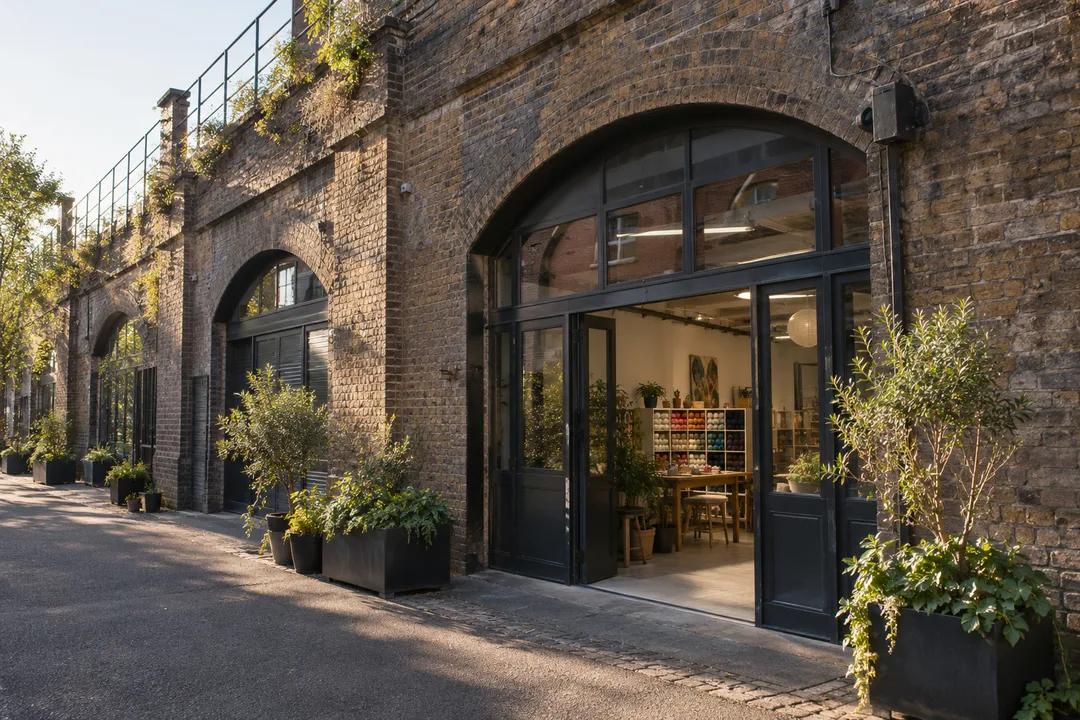
Craft Studio London Rug Tufting Studio: Arch Hours
Craft Studio London at 2 Beresford Avenue, Wembley HA0 1NU lists rug-tufting sessions from £129. Its coached format suits beginners with a clear design.
Craft Studio London gives rug tufting a practical, workshop-first setting at Unit 4, 2 Beresford Avenue, Wembley HA0 1NU. The official site lists sessions from £129, which makes the venue easy to understand before booking: it is a guided project built around a frame, yarn, a drawing and the time needed to turn those materials into a small rug. The Wembley location also suits a visitor who wants a focused creative appointment rather than a central-London attraction surrounded by distractions.
Why the Wembley Format Works
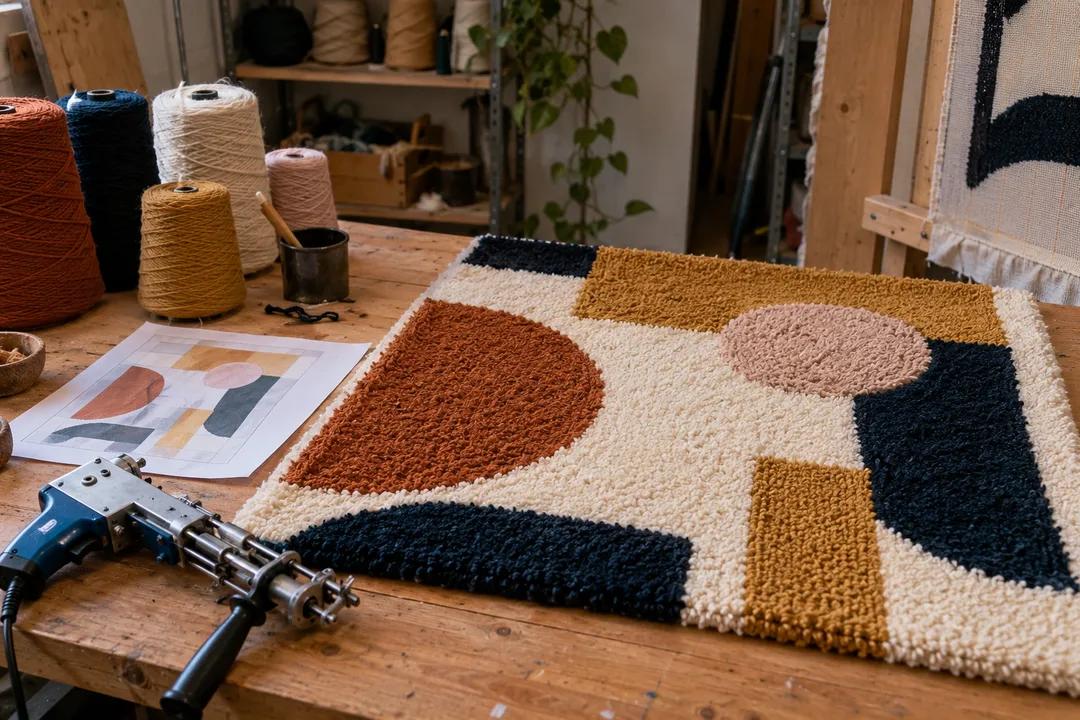
Start by matching the drawing to the frame, not by collecting every reference image you like. A wide stripe, a simple mascot, a two-tone flower or a geometric badge will give the workshop a clear route from paper to cloth. Complicated lettering often becomes frustrating because the pile softens narrow gaps. Craft Studio London is more rewarding when you simplify before the session, leaving the tutor to help with scale, spacing and the order in which the colours should be worked.
Sketch for the Frame You Have
The advertised starting price of £129 gives you a sensible budget marker, while the exact project format should be read on the studio’s own booking page before you choose a date. Think of the fee as buying instruction and making time rather than a finished factory object. The first passes are about learning how the tool responds. Once your pressure settles, the design becomes easier to judge. A steady rhythm will produce a cleaner surface than rushing to cover the frame.
What Starts at £129
Choose your background colour before you arrive. It is easier to judge the rest of the palette against a committed field than against a row of loose yarn samples. A warm neutral can make bright shapes feel graphic; a deep blue or green can make cream and orange stand forward. Keep the accent colour scarce. One small mark can guide the eye across the whole piece, while too many competing highlights make the rug look undecided even when the tufting itself is neat.
Make the First Colour Decision Early
The frame is a useful teacher because it exposes uneven pressure immediately. On a straight run, keep the gun moving at a pace you can repeat. On a curve, turn the frame or slow the line rather than forcing the tool around a sharp angle. Look at the reverse side occasionally so empty areas do not stay hidden. That front-and-back check is a small workshop rule with a large payoff: it lets you correct a gap while the surrounding yarn is still easy to read.
Pressure Before Detail
This format suits a beginner who wants guidance without being treated as a spectator. It also works for a pair who can agree on one visual idea and take turns without crowding the frame. People who expect to walk in, choose a pre-made object and leave quickly should choose another kind of outing. The appeal here is the sequence: outline, fill, inspect, refine and finally see a soft, raised surface where a flat sketch used to be.
The Right Kind of Workshop Guest
Craft Studio London publishes its address as Unit 4, 2 Beresford Avenue, Wembley HA0 1NU. The studio’s listed phone is +44 7723 297810. Save both details and leave enough time to identify the unit before the appointment starts. If the group is travelling from central London, build in a buffer for the final leg rather than arriving with the design still undecided. A good first minute at the frame begins with the route already solved.
A Straightforward Arrival
Wear a comfortable top and closed shoes, and choose a reference image that can be read without constant zooming. Loose fibres and workshop equipment reward practical clothing more than a carefully styled outfit. Bring a short colour list, but do not bring a rigid expectation that every line must survive unchanged. Let the tutor show you where to enlarge, merge or remove details. The most useful material to bring is a clear idea with enough flexibility to become a better physical object.
What Makes the Session Comfortable
After the session, give your eyes a change of scale. A slow walk through Wembley’s streets and public spaces is better than immediately filling the next hour with another screen or tightly scheduled stop. Notice how shop signs, brick patterns and railings use repetition; those visual details can become ideas for a future rug. If your piece needs finishing or collection, keep the post-workshop plan light so you can ask practical questions rather than rushing away.
A Slow Walk After Making
The shortcut worth taking is to turn realism into large colour fields. A portrait can become a bold outline and two facial shapes; a landscape can become a horizon, one skyline and a single sun. This approach preserves recognition while respecting the material’s fuzzy edge. It also makes it easier to see whether the design works from a few steps away, which is the distance at which a rug usually lives. Detail is not automatically sophistication when the surface is tactile.
The Design Shortcut Worth Taking
Protect the useful hours by deciding who owns each decision before the session. In a group, one person can bring the reference, another can track the palette and everyone can take turns on the frame. Do not spend the opening stretch debating between five unrelated concepts. Craft Studio London’s value comes from making, and making becomes more enjoyable when the drawing is settled enough to guide the hands. A small plan creates room for spontaneous improvements without creating chaos.
Protect the Useful Hours
For a Wembley project, try a cream field with cobalt and tomato, or a charcoal background with sage and a single yellow note. Use the strongest contrast for the main silhouette and reserve the palest yarn for a highlight. Work the broadest area first, but keep a clean boundary around the accent so the final trim does not erase it. Colour choices should help you see the construction, not hide it. A restrained palette makes every deliberate line easier to notice.
A Wembley-Friendly Palette
Craft Studio London’s official site is craftstudiolondon.com. The published location is Unit 4, 2 Beresford Avenue, Wembley HA0 1NU, and the listed phone is +44 7723 297810. Workshops are advertised from £129. Book through the studio, bring a simplified sketch and treat the starting price as the planning figure for the core experience. Confirm any optional extras on the booking page itself, rather than building them into the budget without a published basis.
Practical Notes
The case for this rug tufting studio is its clear, usable format. Craft Studio London gives a first-time maker a frame, a creative problem and enough structure to move from uncertainty to a finished textile surface. The £129 starting point keeps the decision concrete, while the Wembley setting rewards visitors who enjoy a deliberate workshop more than a rushed attraction. Choose one strong idea, arrive with the address saved and let the material do some of the storytelling. It is worth keeping the first design modest enough that you can evaluate it from across the room. The best workshop result is not necessarily the one with the most colours. It is the one with a clear silhouette, a confident field and an edge that feels finished. Craft Studio London gives the project a practical frame, and your job is to bring an idea that can make use of it. Use the last stretch of the workshop to look at the rug from a doorway distance. Close-up texture can make a crowded design seem exciting, while the wider view reveals whether the central shape still leads the eye. If the border is too strong, reduce the accent instead of adding more background. If the main shape is weak, simplify the surrounding field. Write down the colour order before you leave, because a future project will benefit from the choices that worked here. A practical way to judge the result is to place the paper sketch beside the rug and then move both farther away. The frame will have changed the proportions, and that is useful information rather than a failure. Keep the parts that became clearer through texture. Rework only the areas that stop the eye. If you book another project, use this first piece as evidence about the scale, colours and amount of detail you actually enjoy.
The Final Read
The best reason to choose Craft Studio London is control. You arrive with an idea, get help turning it into a workable pattern, and leave with a textile object that carries evidence of your hands. The £129 price is clear, the address is in a tucked-away Fulham mews, and the experience rewards patience more than artistic confidence. For a first London rug-tufting session, that is exactly the right balance. The workshop is also a good place to notice how a design changes when it moves from a screen to a physical surface. A digital icon can look precise because every edge is mathematically clean; on the frame, the edge gains thickness, shadow and a small amount of movement. Plan for that warmth instead of fighting it. If the first colour looks too strong, adjust the surrounding field rather than unpicking an entire section. If a border feels heavy, let one side breathe and use the asymmetry as part of the composition. These are useful decisions because they teach you to respond to material, not just repeat an image. Craft Studio London’s Wembley setting rewards that kind of attention. Arrive with a clear reference, accept a practical edit and judge the piece from several distances. A rug should look convincing close up, but it should also have a readable silhouette from the doorway. The £129 starting price is easiest to value when the session gives you that complete process.
Ask Karpo for more information.
Keep reading
- Richmond Park Sunset Viewing Planner: Deer Meadow Horizons
 South Bank Sunset Viewing Planner: Thames Riverside Walks
 Parliament Hill Sunset Viewing Planner: London Heath Vistas