 Clapham Bouldering Gym Finder: New in Town, Climb to Mingle
Sports Social
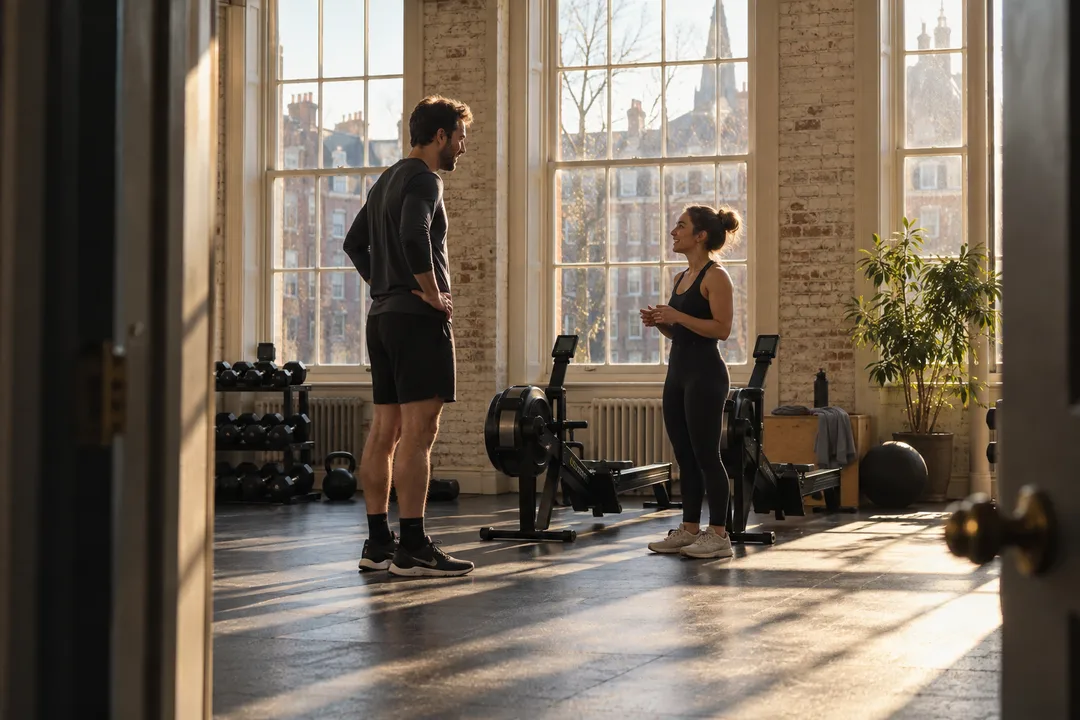
London Rowing Fitness Studio: 2 Friends With Different Goals
Choose a London rowing fitness studio with a friend by separating shared plans from individual goals, then agree on instruction and booking responsibilities.
Choose a London rowing fitness studio for two friends by agreeing on one shared session and keeping two separate goals. One person may want instruction on the machine while the other wants a lively workout. Those preferences can coexist, but a booking should not hide them. Start with a common travel window, a mutually acceptable commitment and a clear description of what each person hopes to get from the visit.
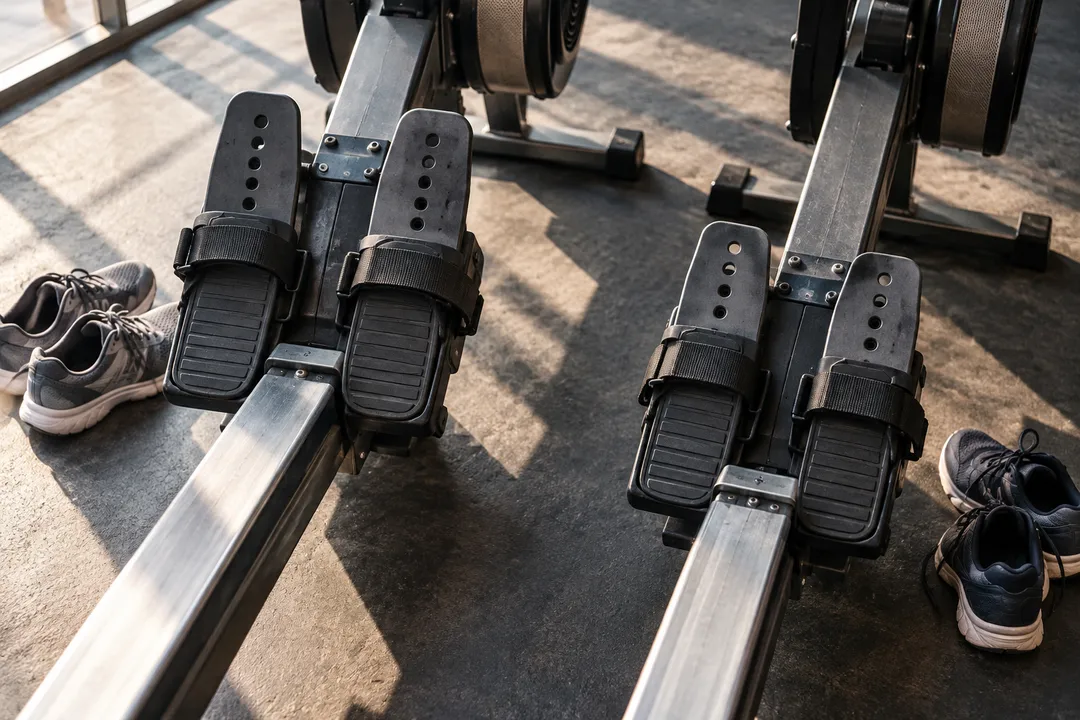
The paired machines shown here are generated illustrations for a friendship planning example, without identifying a London operator.
Write two briefs before choosing together
Give each friend a small space to answer three questions: what sounds enjoyable, what would make the session uncomfortable and what they want to learn. Write the answers independently before discussing them. This stops the more enthusiastic rower from becoming the default spokesperson. A beginner who wants patient explanations has given useful information, even if the experienced friend would happily join almost any class.
Now divide the answers into shared requirements and personal preferences. Being able to arrive together could be essential, while standing next to each other could simply be nice. Treat these differently. If every preference becomes a condition, the search becomes unnecessarily narrow. If no preference becomes a condition, one friend may quietly agree to a session they never wanted. A short list makes that tension visible early.
Ask for a joint outing rather than identical goals
In the Karpo APP, a sample request could read: “Help us plan indoor rowing in London for two friends. One is new to the machine and wants an explained introduction. The other prefers an energetic group session. We want to travel together and buy only one visit each.” The request describes the decision. It does not claim that an operator currently has two places or offers a particular class.
Use any suggestions as the beginning of a conversation about fit. Put the actual class descriptions beside your two briefs. Does the description address first-time participants? Does it explain the format clearly enough for the experienced person? If one preference has disappeared from the comparison, bring it back explicitly. Naming both people’s priorities is more useful than asking for a vaguely friendly studio and hoping the meaning is understood.
Separate support from the pace of the room
A welcoming class description and a suitable introduction answer different questions. The first concerns atmosphere, while the second concerns how someone learns to use the equipment. Ask the provider a narrow question about the part you need explained. For example, the beginner might need help with foot placement and the sequence of the session. The experienced friend might only need to know whether the workout is rowing-led or mixed with other exercises.
Avoid making promises on a friend’s behalf. “You can keep up” is not a booking fact, and “everyone starts somewhere” does not explain a lesson. A stronger plan allows different levels of participation within whatever format the provider actually offers. If the published session does not describe how newcomers are introduced, keep that gap visible in the enquiry instead of treating your friend as an informal substitute coach.
Decide what together actually means
There are at least two workable versions of a joint outing: attend the same suitable class, or travel together and take separate sessions that fit each person. The second can be kinder when the learning needs are far apart. It requires a mutually acceptable meeting point afterwards, rather than a compromise workout. Neither version is automatically available at a venue. These are planning arrangements to discuss against real options.
Set the social part independently of the workout. Agree whether you want a brief catch-up afterwards or need to leave immediately. Do not attach an elaborate meal to the booking before the exercise plan is settled. The friend who has an early departure should be able to say so without appearing less committed. A single shared outing can succeed even when the two people choose different routines afterwards.
Keep payment and booking ownership explicit
Choose between each person paying for their own place and one person arranging both, where the provider permits it. The convenience of a single payment comes with administrative questions: whose account holds the booking, who receives the instructions and who can make changes? Resolve those from the actual purchase flow. A payment screenshot sent between friends is helpful context, but it is not a substitute for each participant understanding their admission details.
Treat a pack for two as a different product from two individual visits. Do not assume credits can be transferred, shared or used for simultaneous attendance. If a published offer contains restrictions, preserve them when comparing it with separate purchases. You can ask Karpo to help organise the wording you provide, but the provider’s terms determine what is being sold. Leave any unquoted price out of your plan.
Plan for one person changing their mind
Before spending money, agree what happens if only one friend can attend. The answer might be that the other still goes, that both choose a later occasion, or that the outing ends if a shared booking cannot be changed. Base the financial consequences on the specific terms attached to the purchase. A friendship should not have to negotiate an unexpected cancellation cost after someone has already become unavailable.
Skip the bigger commitment when the only reason for buying it is to keep the two people aligned. Several paid visits do not solve different goals or different calendars. One suitable session gives both friends something concrete to discuss. If no joint option respects the beginner’s needs and the experienced person’s expectations, separate activities are a sensible alternative. Planning well includes recognising when a shared idea needs a different shape.
Practical Notes for the first shared visit
Send each other a compact final note with the selected session, individual booking status, meeting arrangement and essential equipment instructions. Include only the requirements supplied by the provider. Avoid expanding the note into an unsolicited training programme. Each participant remains responsible for their own comfort and any personal advice they need. Meeting outside the workout gives you time to enter as friends without making either person responsible for the other’s entire experience.
Afterwards, compare two answers rather than asking whether the outing was good in the abstract: did each person get what they came to learn, and would each person independently choose another visit? Different answers are allowed. Keep the social success separate from the purchase decision. That distinction makes a second outing easier to plan and protects the friendship from becoming an obligation to keep buying the same fitness experience.
Ask Karpo for more information.
Keep reading
- Clapham Bouldering Gym Finder: New in Town, Climb to Mingle
 Marylebone Bouldering Gym Finder: Lunch Break Climbs
 Notting Hill Bouldering Gym Finder: Family Climbing Weekends