 Clapham Bouldering Gym Finder: New in Town, Climb to Mingle
Sports Social
London Rowing Fitness Studio: 3 First Class Filters
Find a London rowing fitness studio for a first class by comparing beginner instruction, rowing time and one-visit terms before choosing your journey.
A first rowing class in London is easier to choose when the shortlist separates beginner instruction, time on the machine and the cost of one visit. Ask the Karpo APP for a rowing fitness studio around the station you actually use, then compare those three details before selecting a class. This is a planning workflow for a first session, with suggested questions and a sample brief. It does not name a studio or promise a place in a scheduled class.
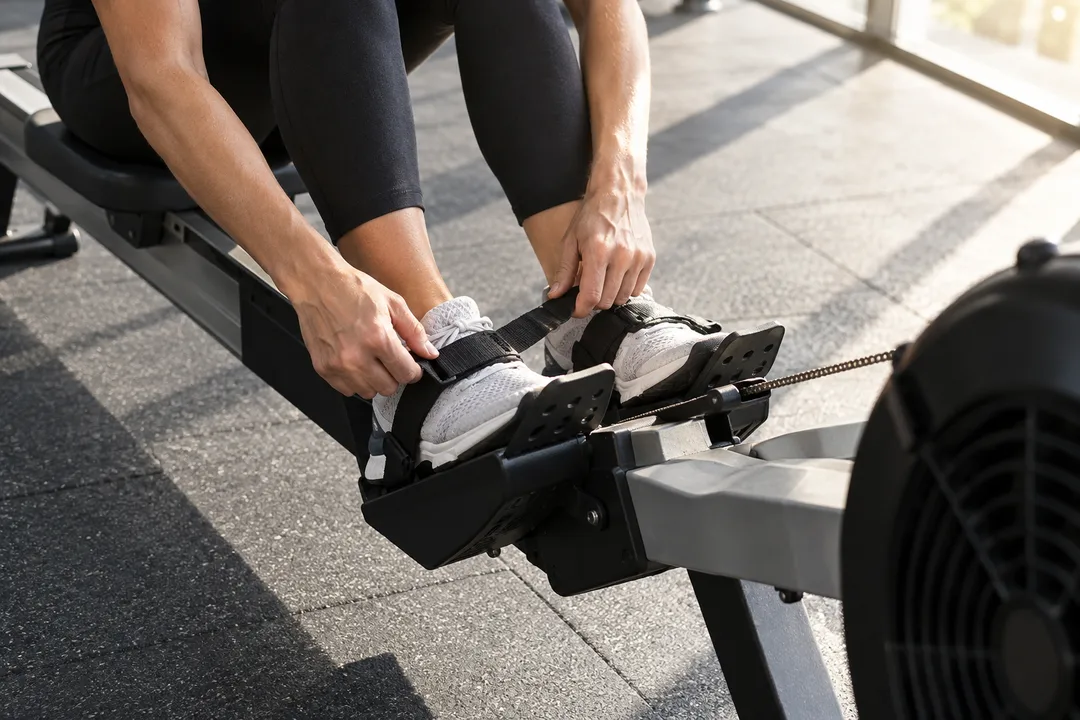
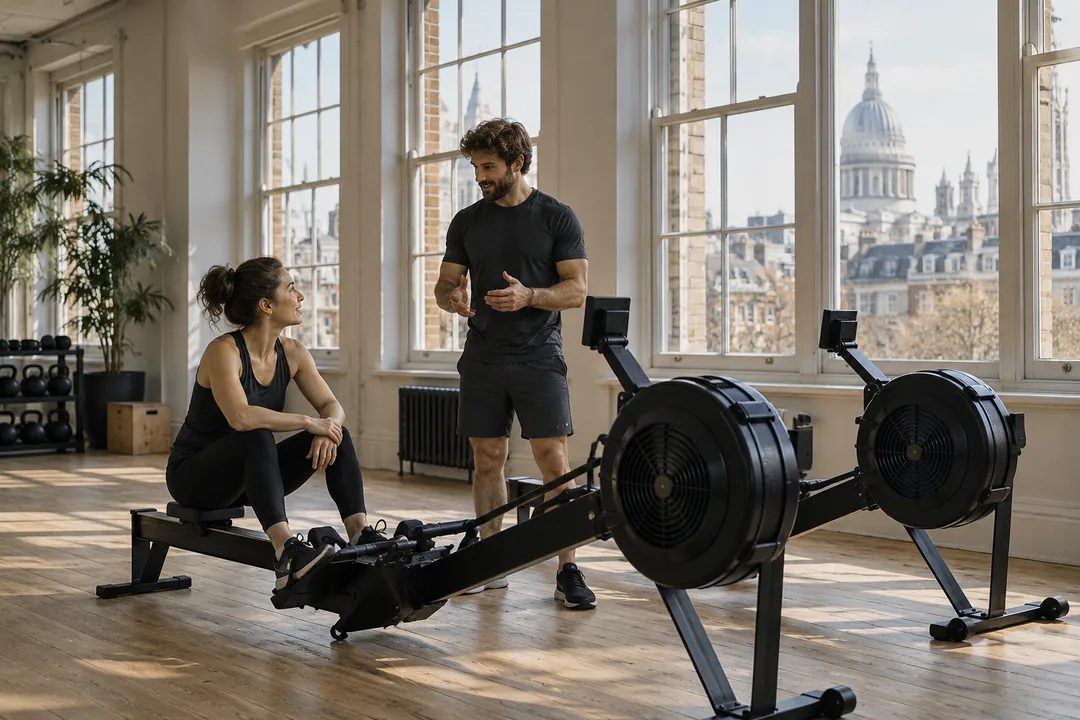
The accompanying pictures are AI-generated fitness illustrations and do not document a particular London business.
Define what your first class needs to teach
Start with the part you cannot yet do confidently. A complete beginner may want someone to explain the seat, foot straps and handle before the main workout begins. Someone who has used an ergometer alone might instead need feedback on the stroke. Those are different requests. Put your experience into the opening message rather than describing yourself only as fit or unfit. Previous running or cycling experience does not tell an instructor how familiar you are with a rowing machine.
The word rowing can describe a dedicated indoor session, a short station in a circuit, or a class combining machines with floor exercises. Decide whether you want to spend most of the visit learning to row or simply include rowing in a wider workout. Neither preference needs an elaborate training target. For the first visit, an understandable class description and an opportunity to ask questions are more useful selection criteria than an impressive collection of workout labels.
Give Karpo a brief that can rule options out
Try this message: “Help me find beginner indoor rowing classes in London near my arrival station. I have never used an ergometer. I want instruction before intervals, one visit without a membership commitment, and a return journey that fits my evening. Compare the class format and explain any information missing from the listing.” Replace the station and evening constraint with your own details. This is an example of what to ask, rather than a claim that every requested feature is available.
Add a second message with the details that would make a recommendation unusable. You might need a class you can attend alone, a particular teaching language, somewhere to leave a bag, or an arrival window after work. State which needs are essential and which are preferences. That distinction gives a conversation somewhere to go if the first shortlist is too narrow. It also prevents a nearby general gym from looking suitable merely because its equipment photographs include a rowing machine.
Compare the introduction before the intensity
For each candidate, look for a description of the first visit. Does the provider describe an induction, a beginner session, or an introductory conversation with the coach? Does that introduction happen inside the advertised class time or require an earlier arrival? These are questions for the provider's own class information. If the listing says nothing about teaching, leave that comparison cell empty. A welcoming photograph is not evidence that technique instruction is part of the session.
A useful comparison has three columns: what you want to learn, what the class description actually says, and what remains unresolved. Under the first column, write setting up the machine, following a coached stroke and understanding the session's instructions. Copy only the relevant description into the second. The third column makes uncertainty visible without turning it into an invented benefit. You can take that small list to the provider when deciding whether the session fits your first-visit needs.
Keep a single visit distinct from an introductory package
An introductory offer can be attractive while still being a poor match for someone who wants one uncomplicated visit. Read how many sessions it includes, when its validity begins, and whether it is limited to new customers. Then compare that product with a single-class option if one is listed. A cheaper headline does not establish which option costs less for your actual use. Count the sessions you can reasonably attend, rather than the sessions the package would theoretically permit.
For a first session, avoid paying for a longer commitment merely to make an advertised per-class number look small. That is a purchasing judgment, not a statement about any London studio's prices. Ask Karpo to keep membership products separate from one-off and trial options in the conversation. Use the provider's checkout for the final amount, eligibility and terms. A recommendation in a chat is not a purchase receipt, and an example comparison does not reserve a machine.
Make the arrival plan generous enough for learning
Work backwards from the class rather than from the station entrance. Your arrival plan needs room for finding the actual entrance, putting away a bag, getting changed if necessary, and whatever introduction the provider specifies. Set your own buffer instead of borrowing a universal early-arrival rule. London buildings can have more than one entrance, and a journey estimate to a postcode is not the same thing as reaching the training room ready to begin.
Keep the return trip simple on the first attempt. Choose one destination after class and plan around it, whether that is home, dinner or a meeting point. If the session ends close to another commitment, compare a second day before adding more stops to the evening. The goal is to learn whether you enjoy coached rowing. Turning the first visit into a chain of tightly timed errands makes it harder to judge the experience on its own merits.
Ask for one useful revision
When a shortlist arrives, respond with the exact trade-off you want to change. “The first option seems too focused on a mixed circuit. Find an alternative that spends more of the session teaching the rowing stroke, even if the journey is longer.” That is a more useful follow-up than requesting something better. Keep the original station and one-visit constraint in the same message so the revision does not quietly lose the requirements that made the search practical.
Do not mistake a candidate's presence in a recommendation for evidence that the class is running on your chosen date. The provider's timetable, admission rules and purchase confirmation settle attendance. Karpo can be used to formulate the search and discuss the options, while the class operator controls booking. If an answer has no supporting class description, treat that candidate as an unresolved lead rather than a selected session. This keeps the decision tied to information you can actually use.
Practical Notes for the first visit
Before leaving, keep the class name, your booking evidence, the entrance instructions supplied by the provider and the return destination together. Wear clothing and shoes suitable for the session's published guidance. Tell the instructor that you are new before the workout begins. During the class, asking how a movement should feel or how to interpret a coaching cue is a useful part of learning. This article does not prescribe a workout or replace the instructor's directions.
Afterwards, record three short observations: whether the explanation made sense, whether the format matched your expectations, and whether the journey was manageable. Those notes give the next Karpo conversation specific material. You might ask for more coaching, a longer rowing component or an easier route. Choose a second visit using that experience before considering a larger package. The result of this workflow is a considered first-class choice, with the actual reservation completed through the provider.
Ask Karpo for more information.
Keep reading
- Clapham Bouldering Gym Finder: New in Town, Climb to Mingle
 Marylebone Bouldering Gym Finder: Lunch Break Climbs
 Notting Hill Bouldering Gym Finder: Family Climbing Weekends