 Clapham Bouldering Gym Finder: New in Town, Climb to Mingle
Sports Social

London Rowing Fitness Studio: 3 Commute Choices Compared
Compare a London rowing fitness studio near work, home or your commute using arrival buffers, bag needs and the trip after class to make a usable plan.
Put a rowing class on the part of your London commute where you can reach it without rushing and leave without a complicated second journey. A rowing fitness studio near work, near home and between the two are three different choices, even when the class itself looks similar. Use the Karpo APP to describe those alternatives in a conversation. The comparison here is about where a workout belongs in your day, with sample requests rather than named venues or guaranteed class availability.
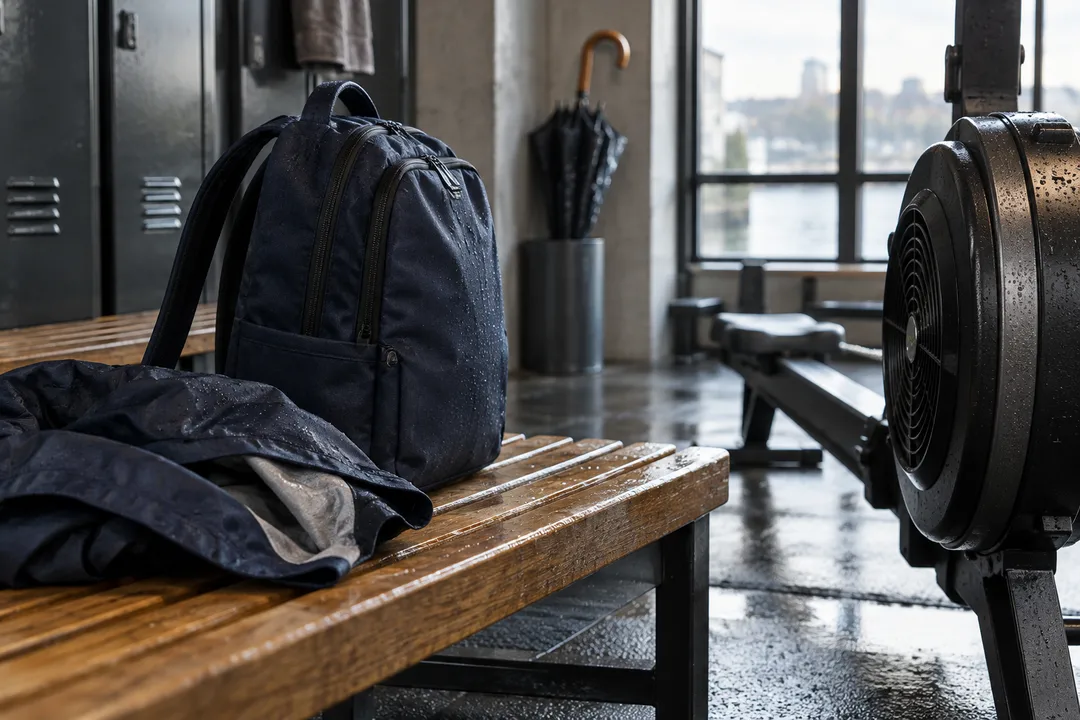
The studio entrance and commuting equipment are illustrated with AI-generated images, without representing an actual local operator.
Near work: protect the handover from office to class
Training close to work removes the long journey before exercise, but it does not remove the transition. Think about how reliably you finish, where your bag stays and whether you can leave the building promptly. A class with an attractive start time may still be a bad choice if your final meeting often runs over. Your search brief should include the earliest time you can realistically be ready at a studio, rather than the time your calendar nominally becomes free.
Make the return home part of the same decision. A studio near the office may leave you travelling later with a larger bag and damp clothing. That may be acceptable on a day with nothing else planned, or awkward before a dinner reservation. Ask for a comparison that includes the destination after class. The location that minimises the first journey does not necessarily minimise the whole evening, especially if the office and home are on different sides of your preferred transit connection.
Near home: finish the journey before beginning the workout
A class close to home can let you put down work equipment and approach the session with fewer things to carry. The trade-off is that the commute comes first. If that journey varies, a class that begins soon after your usual arrival can be fragile. Write down how much margin you want after reaching the neighbourhood. A slower but comfortable transition may be more repeatable than a plan that works only when every connection lines up exactly as expected.
Going home first also changes what makes a good backup. If the class no longer fits, you are already where you intended to finish the evening. That can make a later session or another day easier to consider. On the other hand, leaving home again may be the part of the routine you find hardest. Include your own preference in the request. The point is to compare the routine you would actually follow, not to decide that one location is universally better.
Along the route: measure the interruption honestly
A studio between work and home can appear efficient because it sits near a familiar interchange. Evaluate the interruption from the moment you leave the normal route until you rejoin it. Include walking out of the station, reaching the entrance, changing and returning to your next leg. An address that is near a station may be convenient without being directly on your journey. Treat that distinction as a planning question, rather than assuming a familiar station name proves a seamless connection.
Bag arrangements matter particularly when you cannot drop anything off. Decide whether you need to carry a laptop, a change of clothes and other equipment throughout the visit. The provider's own information establishes locker access and any size restrictions. Do not turn an unmentioned facility into a feature in the comparison. If you have a bag requirement that cannot be resolved, move the candidate into a separate unresolved list while you look at the near-work and near-home alternatives.
Compare all three using the same starting assumptions
Give each alternative the same work finish, home destination and class preference. Otherwise the comparison can accidentally reward one option with an earlier departure or a more convenient session type. Use a simple sequence: leave work, reach the class, complete the session, and arrive at the final destination. Add any preparation the provider requires. You do not need a minute-by-minute schedule at first. You need to see which transition absorbs the most effort and where uncertainty sits.
You can use three labels in your notes: reliable, negotiable and unresolved. A non-negotiable return deadline belongs under reliable only if the proposed sequence supports it. A willingness to walk farther is negotiable. An unknown bag policy remains unresolved. These are your comparison labels, not a claim that the Karpo interface has those filters. Keeping them explicit helps you read a recommendation critically and prevents a polished description from substituting for the practical details of attendance.
Send a commute brief with an actual decision to make
Try: “Help me compare an indoor rowing class near my work station, one near my home station, and one along the route between them. My work finish is sometimes delayed. I carry a laptop and want a single visit without a long commitment. Explain the travel trade-offs and show which class details need the provider's information.” Substitute your station names and personal constraints. The request asks for reasoning about candidates rather than a promise that three suitable classes exist.
When the answer arrives, choose the trade-off that deserves a second pass. You might say: “The route option adds too many transitions. Compare the near-home alternative with the work option on a day when I can leave earlier.” This keeps the conversation focused on the decision. Changing location, session style, budget and day simultaneously makes it harder to understand why the next suggestion improves the plan. Revise one important constraint and keep the others visible in your follow-up.
Build a disruption rule before choosing a class pack
A routine needs a response to late work or a delayed journey. Decide what would make you abandon the attempt and which alternative day you would use. Apply the provider's cancellation and admission terms to the actual booking. Do not assume that a planning conversation can move a reservation, waive a fee or hold a space while you travel. The class operator's purchase flow and confirmation establish the commitment, and the operator controls changes to that booking.
Before buying several visits, try the complete route under ordinary conditions. A successful first trip tells you more than a map comparison alone. Record whether you had enough time to get ready, whether the bag was manageable and how the last leg felt. If the class was enjoyable but the journey was awkward, change the placement before changing the workout. This separates a genuine format preference from friction created by putting the session in the wrong part of the commute.
Practical Notes for choosing your repeatable route
The next step is a short decision note: preferred placement, acceptable alternative and reason. For example, you might favour near home because the final trip disappears, while keeping near work for days with a reliable finish. This is a personal example, not an assertion about local timetables. Keep any studio entrance directions and booked session details with that note. The generated photographs accompanying this workflow are conceptual fitness illustrations and do not show a verified London business.
Use the decision note to begin a more focused Karpo request next time. Ask for candidates within the chosen part of your journey and state the session format you liked. Review the provider's own class page when making the actual selection and complete any purchase with that provider. A city assistant can help turn a vague wish to row after work into a clearer brief. The outcome you want is one routine you can repeat, with enough margin to make an ordinary evening work.
Ask Karpo for more information.
Keep reading
- Clapham Bouldering Gym Finder: New in Town, Climb to Mingle
 Marylebone Bouldering Gym Finder: Lunch Break Climbs
 Notting Hill Bouldering Gym Finder: Family Climbing Weekends