 Clapham Bouldering Gym Finder: New in Town, Climb to Mingle
Sports Social
London Rowing Fitness Studio: 3 Coaching Goals To Compare
Find London rowing fitness studio coaching for setup, stroke feedback or pacing by describing the skill you want and comparing what each class teaches.
Choose a London rowing fitness studio by the coaching you want: help setting up the machine, feedback on the stroke, or guidance interpreting a paced workout. Those three goals can lead to different class choices. Tell the Karpo APP what you have already tried and what you would like an instructor to explain. This workflow helps you describe the learning problem and compare class information. It does not prescribe technique, identify an individual coach or make promises about a studio's teaching.
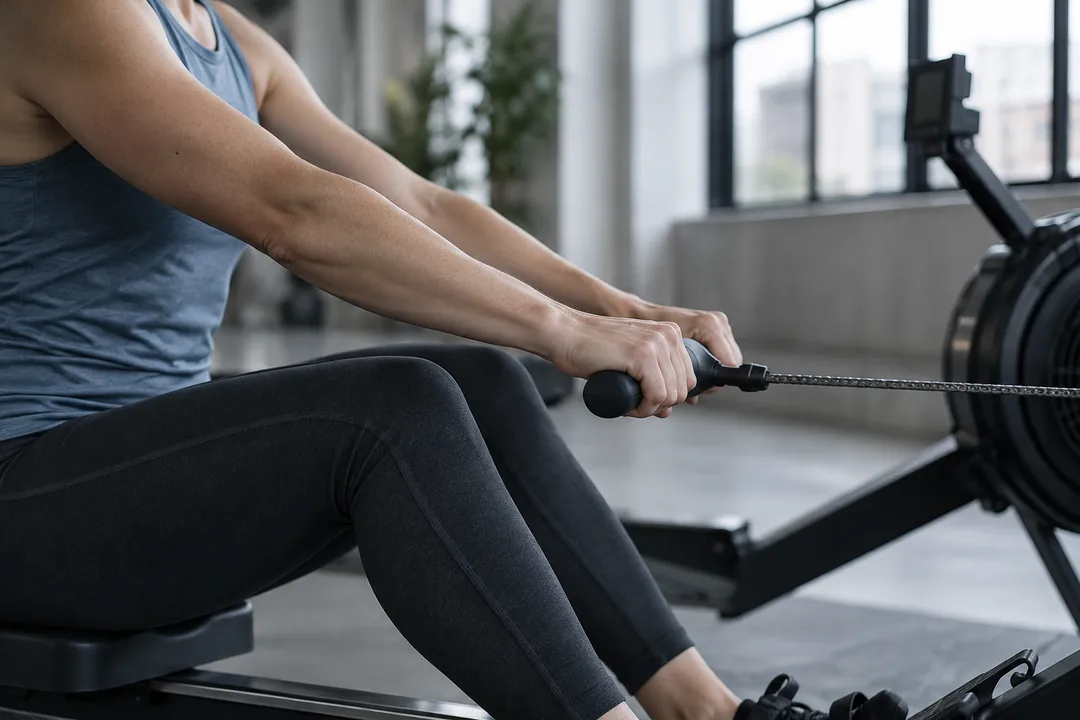
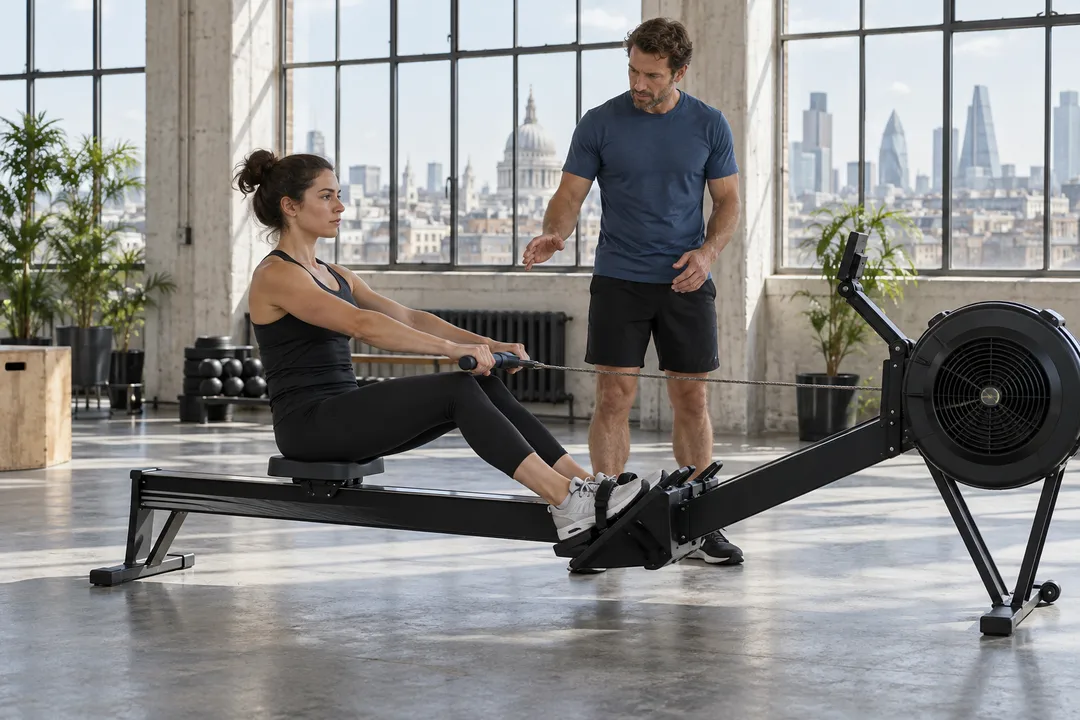
The teaching scenes shown here were generated to illustrate coaching questions, rather than to identify a real instructor or class.
Name the question that brought you to the search
A vague request for technique coaching can hide several different needs. You might be uncertain how to adjust the machine, unsure what a cue means, or frustrated that you cannot follow a class's changing instructions. Write one sentence about the point where you get stuck. Describing an observable problem gives the search a purpose without requiring you to diagnose it. An instructor can then decide what explanation or correction is appropriate during the session you actually attend.
Separate that learning goal from a performance target. You do not need to name a faster time or a higher power output to ask for useful instruction. For example, wanting to understand the sequence of a stroke is a clearer teaching request than wanting to get better quickly. If discomfort or an injury is part of the issue, tell the relevant professional rather than asking a city-planning conversation to resolve it. This article concerns finding instruction, and it does not provide medical or rehabilitation advice.
Goal one: understand the equipment before following a class
For someone unfamiliar with an ergometer, machine setup may be the main reason to choose an introductory format. You may want the instructor to explain the seat, foot position, handle and display before the workout moves on. Describe those as questions you would like covered. Do not assume that an introductory label promises an individual lesson. Read what the operator says the first visit includes, and distinguish scheduled teaching from a general statement that beginners are welcome.
Look for the practical shape of the introduction. Is it described as part of the session, a separate appointment, or an earlier conversation? Does the class page tell newcomers how to arrive and participate? Your comparison should record the actual wording. When there is no description, leave the learning provision unresolved. A photograph of a coach standing beside a rower cannot establish how much explanation any participant will receive, and a beginner-friendly marketing phrase cannot answer every first-visit question.
Goal two: get feedback on something you already practise
If you already use the machine, the relevant question may be whether an instructor can observe the movement you are trying to understand. State what feedback you want without writing your own diagnosis. You might say that you lose track of a cue when the class speeds up, or that you want a coach to watch a few strokes and explain the sequence. These examples describe communication needs. They are not instructions for changing the movement or claims about a particular teaching method.
Compare the teaching format with the attention you hope to receive. A large group can be enjoyable, while a quieter introductory session may allow a different kind of conversation. Neither format guarantees individual correction merely by its name. If the provider publishes information about group size or coaching arrangements, use it. If not, avoid filling the gap with a guess about how the room operates. The useful choice depends on the teaching actually offered, not an imagined relationship between price and attention.
Goal three: understand pacing instructions and session structure
Some rowers are comfortable with the equipment but find the workout language confusing. Terms on a display and spoken targets can be difficult to interpret when several instructions arrive together. In that case, ask for a class that explains its pacing approach and how participants follow the session. You are looking for an educational match. The request does not require a city assistant to assign training zones, predict calorie expenditure or tell you which performance number you should achieve.
Write down what an explanation would help you do. Perhaps you want to distinguish a work interval from a recovery period, or understand how a coach communicates a change in effort. Keeping that goal concrete makes a class description easier to evaluate. A session can use rowing equipment without teaching those concepts explicitly. Choose based on published instruction and an appropriate conversation with the provider, rather than treating every fitness class containing a rower as equivalent coaching.
Turn the learning goal into a useful Karpo prompt
Try: “I want indoor rowing instruction in London. I have used an ergometer before, but I struggle to follow pacing cues in a fast group class. Help me find class descriptions that explain the teaching format. Prioritise a clear introduction and compare the journey from my station. Separate what the provider states from what is unknown.” This is a sample request you can adapt. It does not claim that a particular instructor, language option or appointment will be returned.
Add the practical limits only after stating the learning problem. Include the day you can attend, whether you want one visit, and how far you are willing to travel. If you need a particular language of instruction, make that essential rather than leaving it as an implied preference. The conversation can then focus on leads that make sense for your circumstances. Keep the actual teacher, session content and admission arrangements tied to the provider's class information instead of inferring them from a general recommendation.
Use evidence of teaching rather than workout adjectives
When reading the shortlist, underline the words that describe what the participant learns. A class may promise energy, atmosphere or challenge without explaining instruction. Those qualities can matter, but they answer a different question. Create a short note for each candidate: learning topic, teaching arrangement and unresolved point. This is a comparison you can make in ordinary text. It does not depend on Karpo offering a special coaching filter or a database of individual instructors' qualifications.
Skip a candidate when the available description only answers a different goal. If you want a calm introduction to the display, a page focused entirely on a competitive challenge is not enough evidence of a match. You do not need to condemn the class or assume it lacks coaching. Simply keep searching for a description that supports the learning task. That keeps the decision fair to the provider and useful to you, without turning incomplete information into a negative factual claim.
Practical Notes for taking one question into the room
After selecting and booking through the provider, keep your question short enough to say before the session. Explain your experience and the one thing you hope to understand. Follow the instructor's directions in the room rather than using this planning article as a technical manual. Your booking confirmation and the provider's instructions settle attendance. A Karpo conversation is not represented here as an assessment of movement, a guarantee of personal attention or a completed purchase.
After the class, note which explanation helped and what remains confusing. If the equipment now makes sense but the pacing does not, the next request should change accordingly. You may no longer need an introductory session, yet still want a format with more explanation of the workout. That progression gives the search a specific purpose each time. Choose your next coached visit using what you learned and the kind of instruction still missing, instead of repeating the same broad request for better technique.
Ask Karpo for more information.
Keep reading
- Clapham Bouldering Gym Finder: New in Town, Climb to Mingle
 Marylebone Bouldering Gym Finder: Lunch Break Climbs
 Notting Hill Bouldering Gym Finder: Family Climbing Weekends