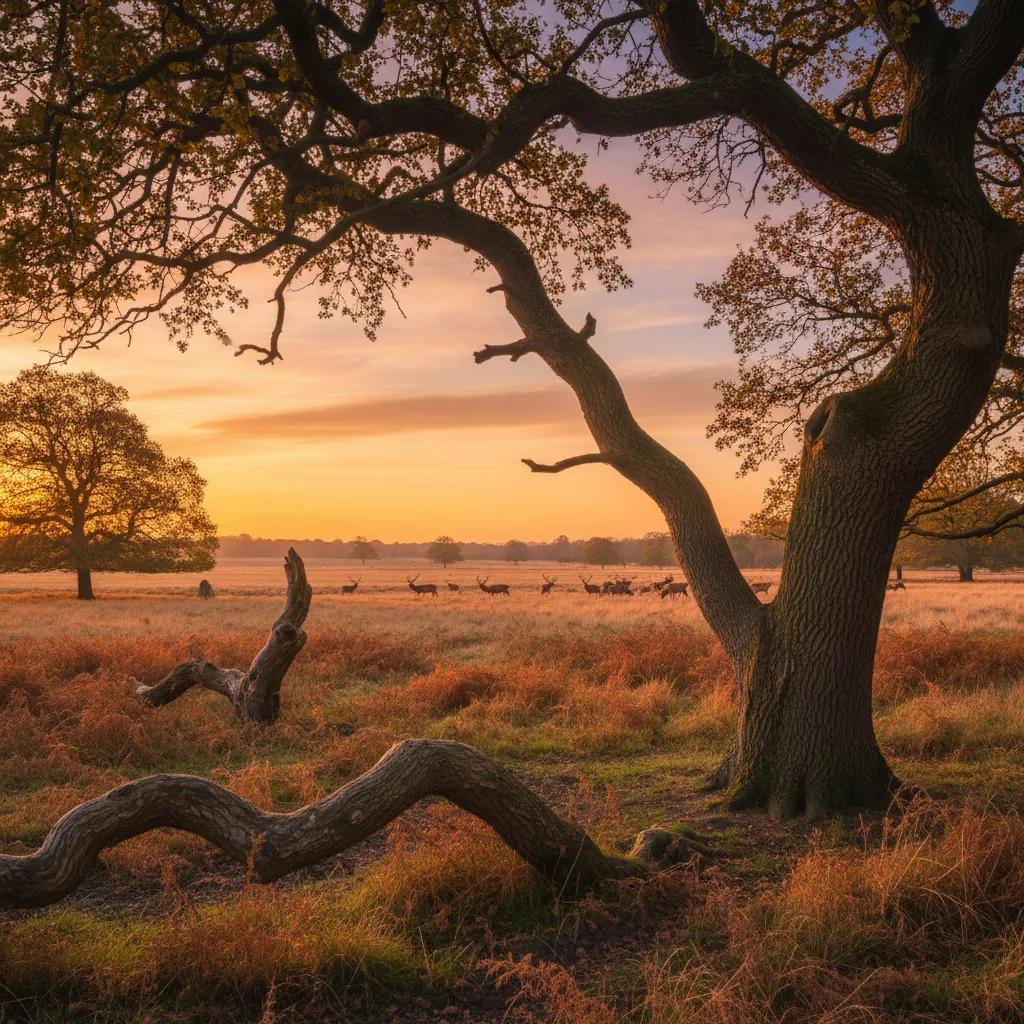
 Richmond Park Sunset Viewing Planner: Deer Meadow Horizons
Weekend Plans
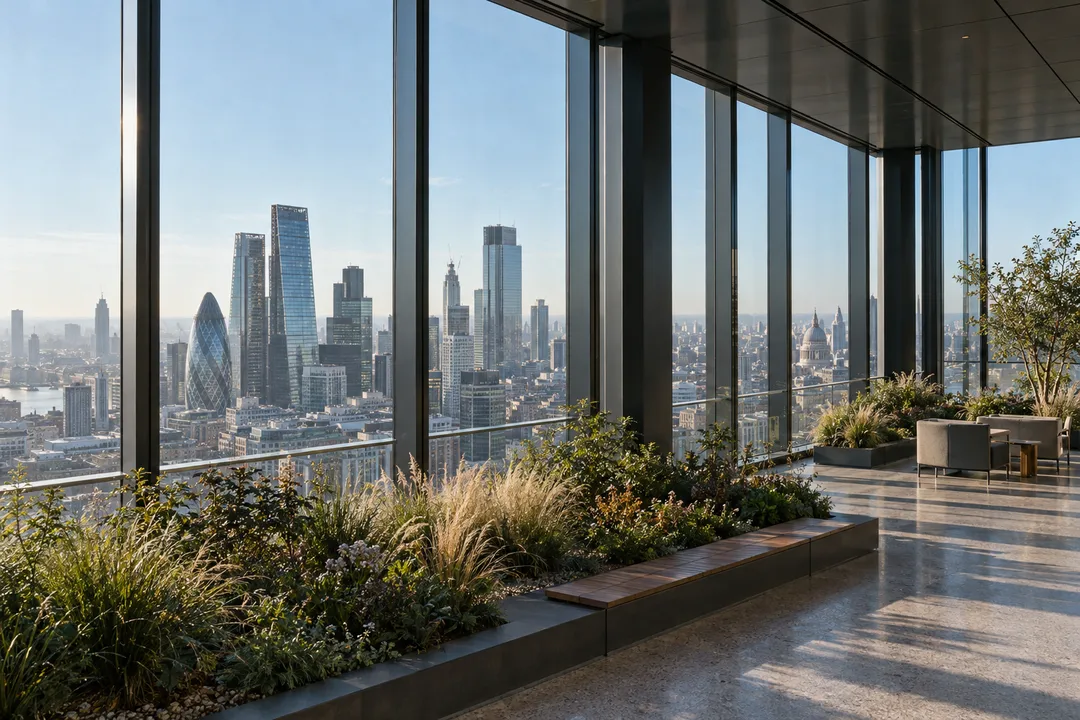
London Rooftop Botanical Terrace: Public Green Route
Plan a London rooftop botanical terrace outing by separating ticketed sky views from genuine public greenery, then choose one weather-ready route and finish.
A rooftop botanical terrace search in London works best as a filter rather than a promise that every high viewpoint is a garden. Start by deciding whether the group needs actual planting, an elevated skyline, or both. Put that preference, the time available, and the walking limit into Karpo APP. The result can then separate a planted public terrace from a viewing gallery and give you a route that answers the real need instead of repeating a venue name.
Start with the access question
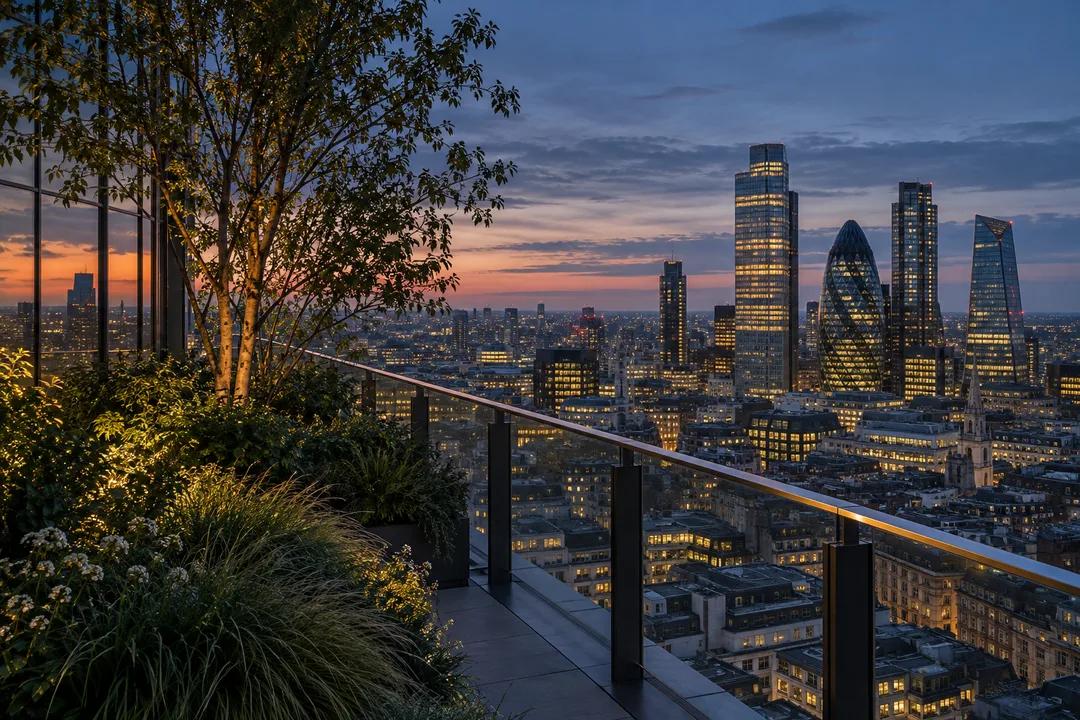
Horizon 22 at 22 Bishopsgate is useful as a clear comparison point. Its public sky gallery is free to enter but uses advance booking, so it answers the high-view question rather than the botanical-garden question. Keep that distinction in the brief. If planting is essential, ask for a green terrace or roof garden, if orientation is the priority, ask for a ticketed or bookable city view. The access type changes the rest of the day.
Separate sky views from planting
A genuine green anchor gives the route something to observe. Garden at 120 Fenchurch Street and Crossrail Place Roof Garden are better starting points when the brief calls for planted space above street level. Name one anchor, then say whether you want a quiet pause, a design-focused look, or a short walk onward. Karpo APP can organize the choice around neighbourhood and distance. It does not need to turn an observation deck into a plant collection or assume a list of species.
Choose a real green anchor
Keep the first route compact. Begin with the selected green roof, allow one slow circuit, and choose one nearby indoor or street-level finish. A longer itinerary can add a single architecture section after the garden rather than crossing London for several unrelated viewpoints. Write the latest time you need to leave in the route brief. That small constraint keeps an elevated pause from swallowing the appointment, meal, or train that follows.
Build a short London sequence
Give the visit one sensory assignment. Look for a change from hard paving to foliage, compare a framed view with an open edge, or listen for how traffic fades above the street. A family can turn the prompt into a shared hunt, two friends can choose different textures, a solo visitor can let one remembered detail choose the next block. The app needs the question and pace, not an unlisted assumeory of fixtures.
Use one sensory brief
Weather should change the route shape, not the purpose. On a comfortable day, let the planted terrace lead into a short outdoor walk. In rain or strong wind, make the green anchor the brief visual centre and use an indoor finish. Karpo APP can hold those two branches and sort them by walking distance. It does not promise live access or conditions. The value is having a readable fallback before the group reaches the first junction.
Make weather a branch
Different visitors need different amounts of structure. A first-time traveller may want one high view and a direct return. A local may want a ten-minute reset between errands. Children often do better with one observation prompt and a firm endpoint. A photographer may prefer a slower perimeter without a second attraction. State the social rhythm in the brief, then let the route keep the same green anchor while changing its pace.
Match the route to people
Choose the finish before you start. A quiet indoor stop suits a weather-sensitive group, a short architecture walk suits someone who wants the city after the plants, a direct transit handoff suits a tightly scheduled day. One finish is enough. Karpo APP can organize the route around that decision and avoid a long list of London pins. The terrace has already done its job if it gives the next stop a reason to exist.
Keep the finish nearby
The rooftop format is wrong when the true goal is soil underfoot, a long botanical circuit, or a protected conservatory. Ask for a ground-level garden or indoor plant collection instead. It is also wrong when the group dislikes heights or wants an unstructured picnic. Naming the boundary improves the next result. A good planner narrows the search to the experience the user wants rather than stretching a keyword over every elevated public space.
Know when to choose ground level
Carry one detail from the green anchor into the street. A repeated leaf shape can become a design walk, a strong horizon can become an architecture route, a quiet corner can lead to a calmer finish. This creates a story without pretending that the venue offers a fixed programme. Put the transition in the route brief as “green roof to architecture” or “garden pause to indoor calm.” Clear language helps the tool return a connected sequence.
Turn the anchor into a story
Write two versions before leaving. The short version keeps the selected roof garden as the main stop and ends nearby. The extended version adds one street section after the pause. If the group is tired, choose the short branch, if the view energizes everyone, use the longer one. Karpo APP can organize these alternatives from your limits. It does not need to guarantee reservations, crowd tracking, or an always-open terrace to make the decision useful.
Write two versions
Public roof gardens reward considerate movement. Agree on a meeting point, keep long conversations to one side, and avoid turning a narrow edge into a photo queue. Those habits are practical rather than statements about the venue. They leave space for other visitors and make it easier for your group to notice the change between planting, paving, and skyline. The route feels calmer when the plan includes other people who share the space.
Protect public space
A London rooftop botanical terrace route should end with one grounded choice: a nearby indoor pause, a short architecture loop, or a direct return to the next commitment. Keep the first anchor factual, make the access distinction visible, and let the user decide how much greenery matters. The planner becomes useful when it can say “this is a view” and “this is a garden” in the same breath, then turn that answer into an afternoon-sized walk.
Practical Notes
Practical Notes: state whether planting or elevation is essential, use a verified green roof as the map anchor, include a weather branch, and set a latest departure time. Treat Horizon 22 as a free, bookable sky-gallery comparison point rather than a botanical terrace. Keep exact fixtures and live conditions out of the brief unless sourced. A clear filter protects the user from a beautiful but wrong kind of rooftop.
Ask Karpo for more information.
Keep reading
- Richmond Park Sunset Viewing Planner: Deer Meadow Horizons
 South Bank Sunset Viewing Planner: Thames Riverside Walks
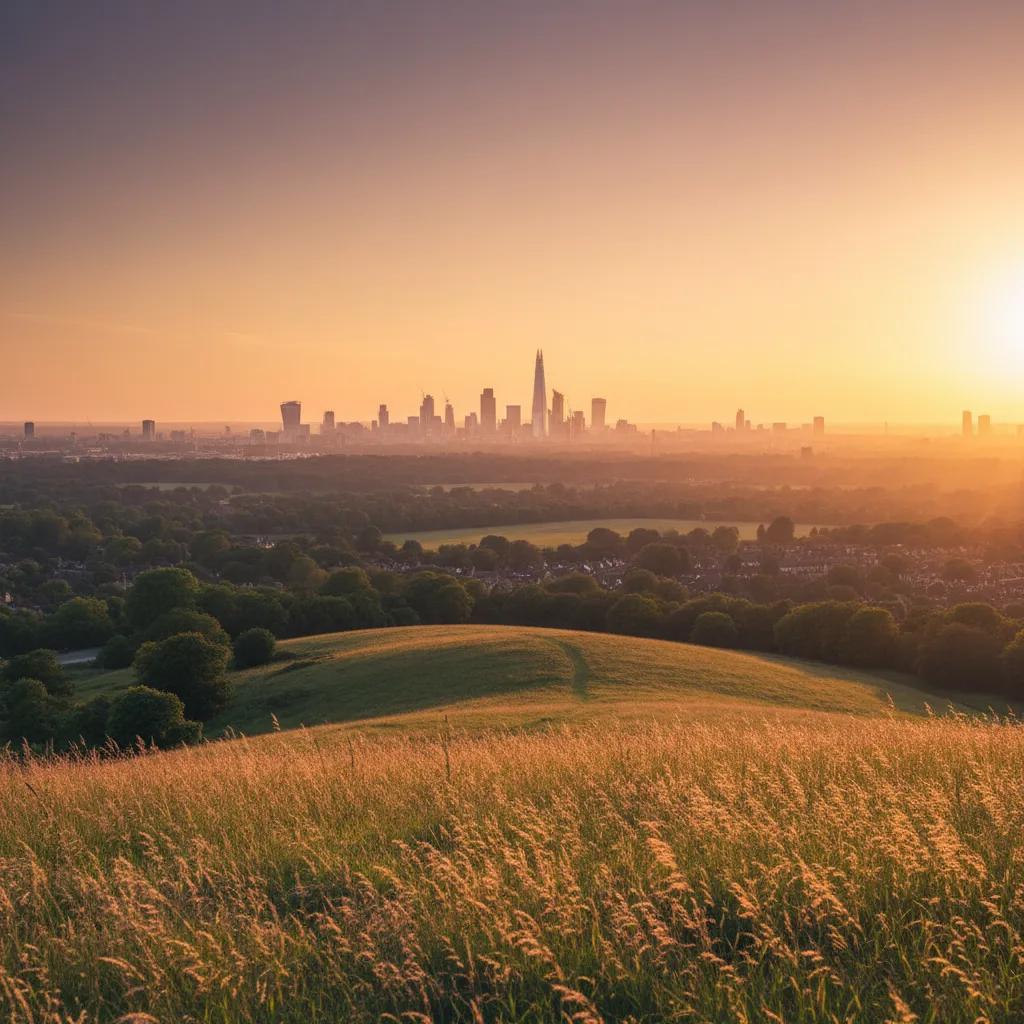 Parliament Hill Sunset Viewing Planner: London Heath Vistas